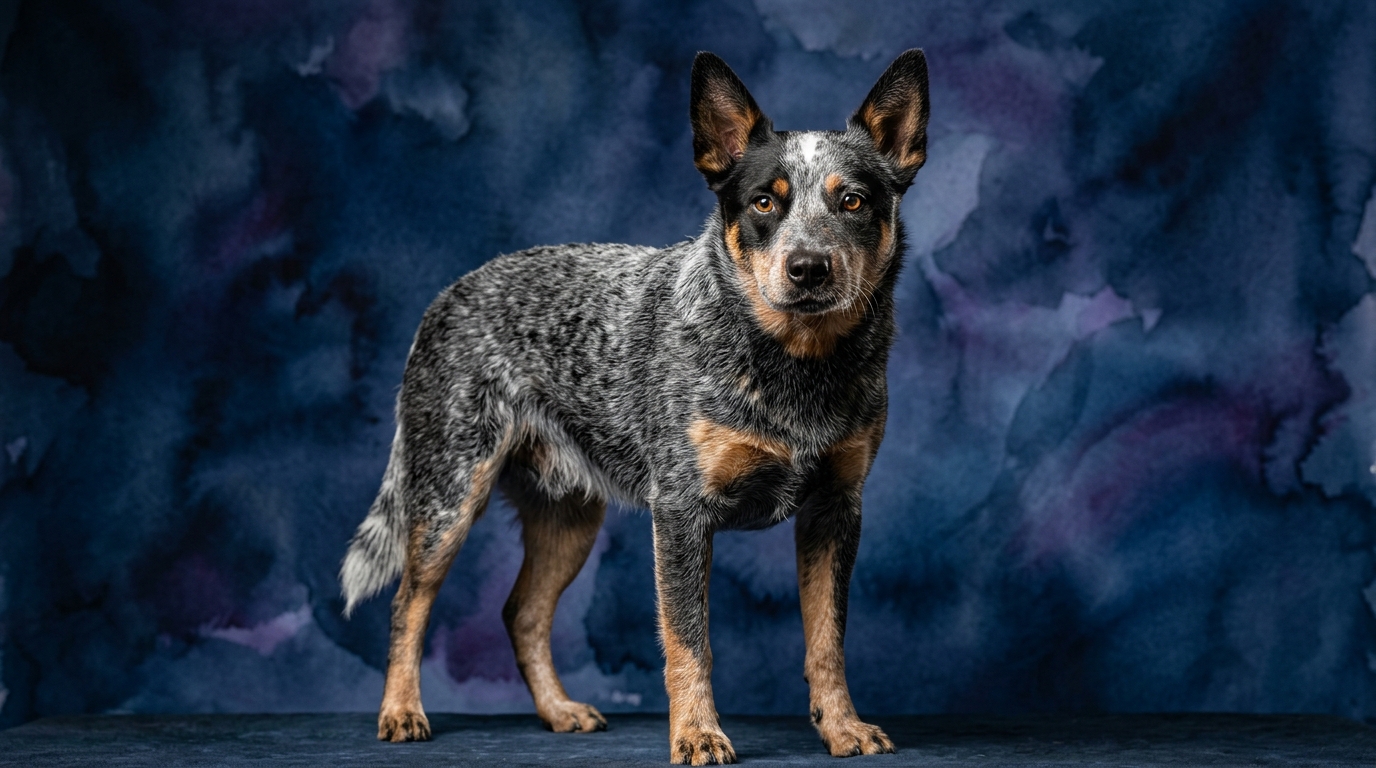
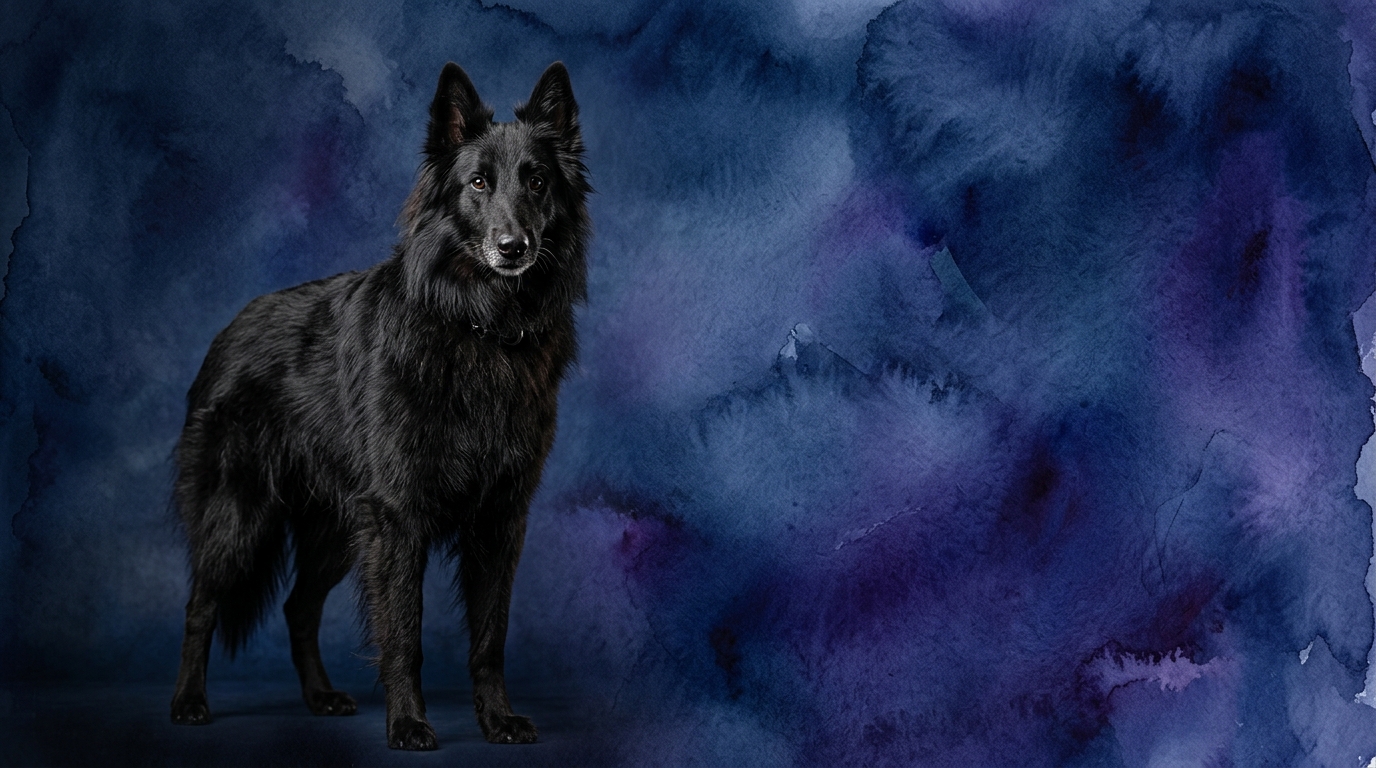
Side-by-Side IQ Profile
The Australian Cattle Dog (ACD) holds a Coren rank of #10. Its cognitive profile includes exceptional Problem Solving (5/5) and Training Speed (5/5), reflecting a quick grasp of complex tasks and rapid learning. Memory is also top-tier (5/5), ensuring consistent recall. Social Intelligence is rated 3/5, indicating a focused bond with its core family but less broad social engagement. A defining trait is its profound Instinctive Drive (5/5), a relentless urge for purpose and work.
The Belgian Sheepdog (Groenendael), with a Coren rank of #15, shares many cognitive strengths. It matches the ACD in Problem Solving (5/5), Training Speed (5/5), and Memory (5/5), demonstrating equally sharp intellect and retention. Its Social Intelligence is also 3/5, fostering deep family connections while often being reserved with strangers. The key distinction lies in its Instinctive Drive, rated 3/5, which is significant but more moderated than the ACD's intense compulsion for work.
Where Australian Cattle Dog Wins Cognitively
The Australian Cattle Dog's primary cognitive advantage is its superior Instinctive Drive, a perfect 5/5 compared to the Groenendael's 3/5. This isn't just about high energy; it's a deep-seated, persistent compulsion to work, herd, and engage with its environment with unwavering focus. For an ACD, this translates into an inherent, almost relentless need for a "job," driving them to find purpose if not adequately provided. Their impressive Problem Solving (5/5) and Training Speed (5/5) are powerfully amplified by this drive, making them formidable partners for complex, sustained tasks requiring independent decision-making in a working context. The ACD's higher Coren rank of #10 further underscores its overall cognitive efficiency in practical, task-oriented applications, suggesting a slightly more streamlined processing of commands and environmental cues. This breed's mental architecture is optimized for continuous, goal-directed engagement, excelling in demanding, long-duration activities.
Where Belgian Sheepdog (Groenendael) Wins Cognitively
While the Groenendael shares the ACD's top scores in Problem Solving (5/5), Training Speed (5/5), and Memory (5/5), its more moderated Instinctive Drive (3/5) offers a distinct cognitive benefit for certain lifestyles. This isn't a lack of drive, but rather a less overwhelming intensity, which can make the Groenendael appear less constantly "on" or less prone to inventing its own work if not fully stimulated. Their excellent problem-solving skills are applied with a more considered approach, less dictated by raw, unceasing instinct and more by observation and learned strategy. This can result in a dog equally capable of complex tasks, yet potentially more amenable to periods of rest or less insistent on constant, demanding engagement. This adaptability makes them suitable for diverse home environments where a non-stop "job" isn't always feasible. Combined with their robust Social Intelligence (3/5), this balanced drive allows them to form deep, sensitive family bonds, often described as attentive, devoted companions. The Groenendael's cognitive strength lies in its sophisticated application of high intelligence, offering a capable mind that is also, in many contexts, more easily integrated into varied daily routines.
Which Is Easier to Train and Why
Determining which breed is "easier" to train requires understanding how their core drives influence learning, despite both having 5/5 ratings for Training Speed and Problem Solving. The Australian Cattle Dog's intense Instinctive Drive (5/5) means they learn commands instantly, but simultaneously possess a powerful internal agenda to fulfill their working instincts. Training an ACD often involves consistently redirecting this profound drive, which can manifest as herding, chasing, or independent problem-solving that deviates from the task. Their strong will, fueled by this drive, demands a trainer who is exceptionally consistent, clear, and adept at designing mentally stimulating exercises that deeply satisfy their need for purpose. In contrast, the Belgian Sheepdog (Groenendael), with its 3/5 Instinctive Drive, might appear more naturally compliant in structured training. While equally quick to learn, their instincts are less overwhelming, making them potentially less prone to independent "freelancing" during sessions. Their strong Memory (5/5) and Training Speed (5/5) are applied with a focus less diluted by an insistent internal working agenda. Therefore, the Groenendael might be perceived as "easier" for less experienced trainers, while the ACD requires a handler capable of masterfully harnessing and directing its profound, often challenging, drive.
Which Suits Active Owners vs. Relaxed Owners
Both Australian Cattle Dogs and Belgian Sheepdogs (Groenendael) are fundamentally suited for active owners; neither is a match for a truly "relaxed" lifestyle. The Australian Cattle Dog, with its 5/5 Instinctive Drive, demands an owner prepared for continuous, high-intensity engagement. These dogs require not just significant physical exercise, but constant mental challenges through advanced training, dog sports, or a dedicated "job." An ACD will actively seek purpose daily, and an owner must be ready to provide it for several hours. Their moderate Social Intelligence (3/5) means they thrive on focused activity with their inner circle, not casual social interactions. An owner preferring minimal daily structured activity would likely face an ACD becoming bored, frustrated, and potentially destructive. The Belgian Sheepdog (Groenendael), while also requiring substantial activity, offers a slightly more adaptable profile for active owners. Its 3/5 Instinctive Drive, though still robust, means they might be content with slightly less relentless intensity, provided consistent mental and physical challenges are met. They excel in dog sports and obedience but might find satisfaction in long, brisk walks, puzzle toys, and consistent training without the ACD's constant "on" switch. Owners who enjoy a variety of activities, including some quieter periods, might find the Groenendael's balanced drive a better fit than the ACD's unwavering intensity.
The Verdict
Opt for an Australian Cattle Dog if you are an experienced, highly active individual or family seeking an intense working partner for demanding dog sports, farm work, or an owner who thrives on consistently channeling a dog's profound, independent drive into productive tasks.
Select a Belgian Sheepdog (Groenendael) if you are an active owner looking for a highly capable, sensitive, and dedicated companion for dog sports, advanced obedience, or a family dog that still requires significant engagement but might offer a slightly more balanced approach to its intense cognitive needs.
🧠 Find Your Pet's IQ Score
Our Pet IQ Lab assessment covers 25+ tests across 5 cognitive dimensions — personalized to your breed.
Take the Full IQ Test →Frequently Asked Questions
Are Australian Cattle Dogs good for first-time dog owners?
Generally, no. Their intense instinctive drive and need for consistent, skilled guidance often prove overwhelming for individuals new to dog ownership. They thrive with experienced handlers who understand how to channel their profound working instincts effectively.
How much exercise does a Belgian Sheepdog (Groenendael) need daily?
A Groenendael typically requires at least 60-90 minutes of vigorous physical activity daily, combined with significant mental stimulation through training or puzzle toys. Their strong memory and problem-solving skills mean they need more than just physical exertion to be truly content.
Do Australian Cattle Dogs and Belgian Sheepdogs get along with other pets?
Both breeds can coexist with other pets if properly socialized from a young age, but their herding instincts (stronger in ACD) may lead them to "herd" smaller animals. Individual temperament varies, but careful introductions and supervision are always crucial, especially with their moderate social intelligence.