Side-by-Side Cognitive Profiles: Herding Acumen vs. Sporting Instinct
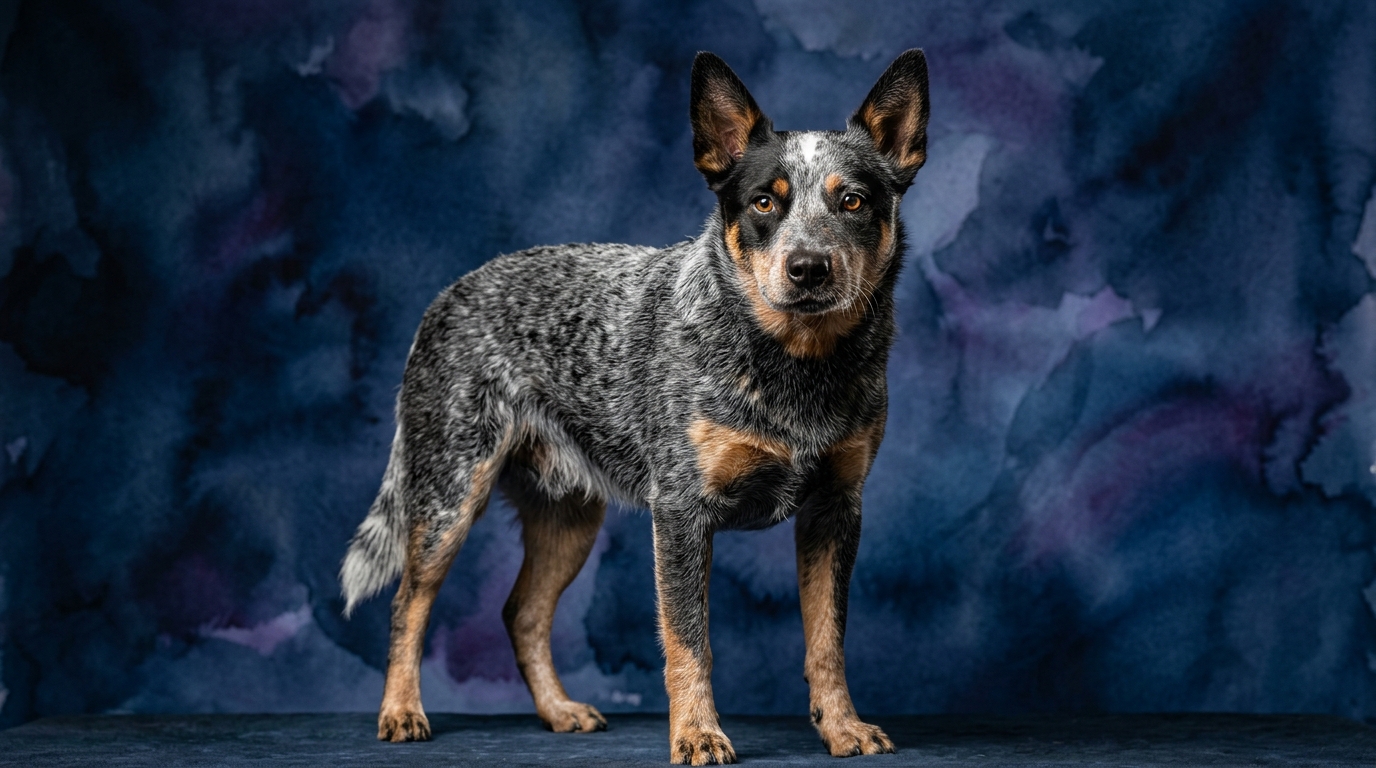
The Australian Cattle Dog (ACD), a Herding breed, consistently ranks among the most capable working dogs, holding the #10 spot in Coren's intelligence ranking. Its cognitive profile is characterized by exceptional scores across several dimensions: Problem Solving (5/5), Training Speed (5/5), Instinctive Drive (5/5), and Memory (5/5). Their Social Intelligence is rated at 3/5, indicating a focused, task-oriented approach to interactions.
This breed's high ratings reflect its historical role on vast Australian ranches, where independent thought and rapid learning were crucial for managing livestock. Their problem-solving prowess allows them to strategize and adapt in dynamic situations, while their incredible training speed means they absorb complex commands with minimal repetition. A powerful instinctive drive underpins their relentless work ethic, and their robust memory ensures lessons and routines are retained long-term.
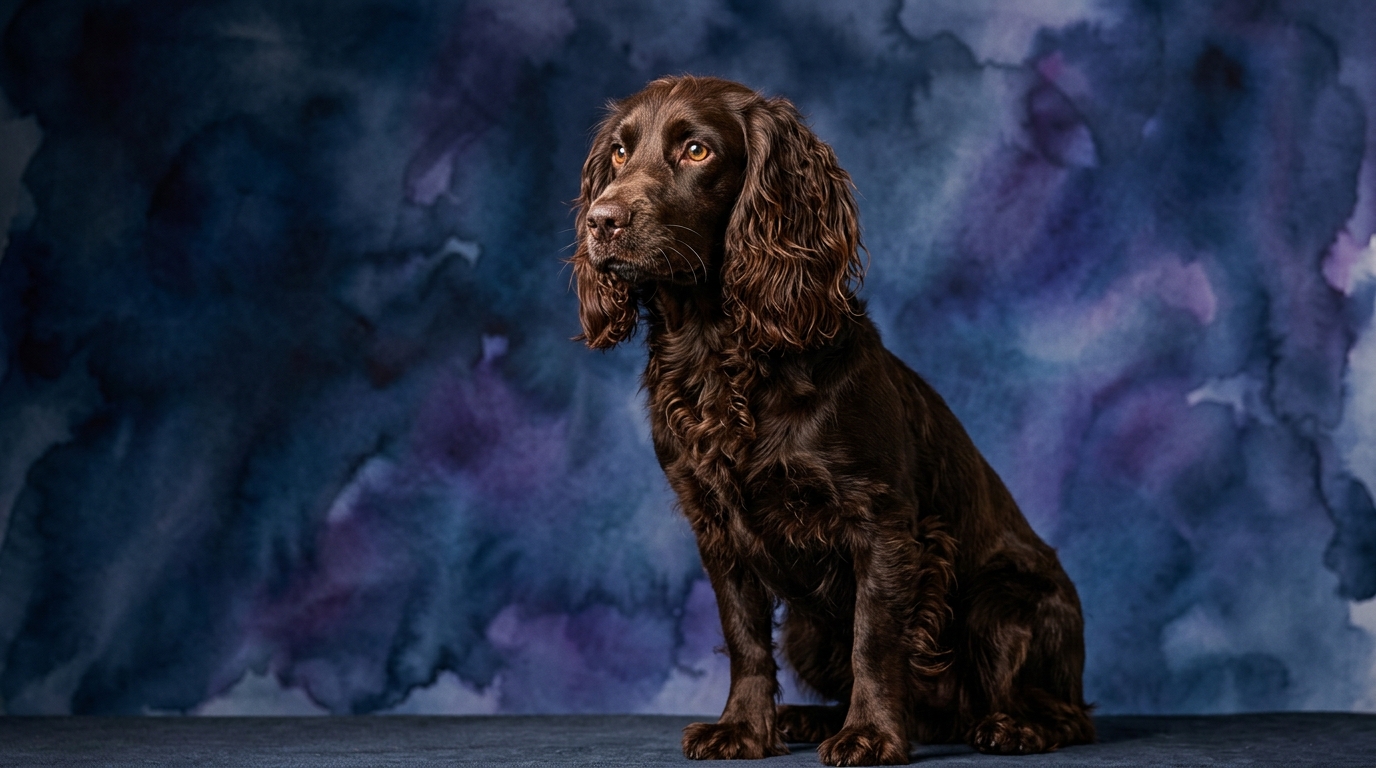
In contrast, the Boykin Spaniel, a Sporting breed, does not feature on Coren's widely cited list, yet possesses a specialized cognitive makeup tailored to its unique purpose. Its IQ dimensions are uniformly rated at 3/5 across Problem Solving, Training Speed, Social Intelligence, Instinctive Drive, and Memory. These scores paint a picture of a capable, cooperative, and eager-to-please companion.
The Boykin's cognitive strengths are rooted in its heritage as a compact, tenacious retriever and flusher, particularly in the dense cover of the American South. Their problem-solving is practical and task-specific, focused on locating and retrieving game. A moderate training speed means they learn consistently with positive reinforcement, and their social intelligence (matching the ACD's 3/5, but often expressed as a strong desire to please the handler) facilitates a close working partnership. Their instinctive drive is channeled towards the hunt, and their memory is sufficient for recalling field routines and learned commands.
Where the Australian Cattle Dog Excels Cognitively
The Australian Cattle Dog's cognitive strengths are deeply ingrained in its herding lineage, manifesting as an unparalleled capacity for independent action and rapid acquisition of skills. Their 5/5 Problem Solving ability means they are not merely followers of commands, but active strategists. Faced with a scattered flock or a challenging terrain, an ACD will often devise its own solution, anticipating movements and adjusting tactics without constant handler input. This makes them exceptional for dynamic, unpredictable work environments.
Their 5/5 Training Speed is truly remarkable; complex command sequences, intricate agility courses, or multi-step obedience routines are often grasped with astonishing swiftness. This rapid learning curve allows owners to progress quickly to advanced tasks, constantly expanding the dog's repertoire. Coupled with a 5/5 Memory, the ACD retains these learned behaviors and strategies over extended periods, building a deep well of operational knowledge.
The ACD's 5/5 Instinctive Drive fuels their intense focus and persistence. Whether it's actual livestock work, competitive dog sports, or a demanding physical activity, they approach tasks with unwavering dedication. This drive, combined with their problem-solving and memory, creates a dog that is not only capable but also possesses a powerful internal motivation to execute its 'job' with precision and endurance. They are thinking dogs, constantly assessing and reacting to their environment with purpose.
Where the Boykin Spaniel Shines Cognitively
While the Boykin Spaniel's IQ scores are moderate across the board (3/5), these ratings signify a specialized and highly effective form of intelligence tailored to its sporting purpose, rather than a general cognitive deficit. Their 3/5 Problem Solving ability is not about independent strategic planning like the ACD, but rather a practical, efficient approach to specific field challenges. They excel at navigating dense cover, locating fallen game, and returning it reliably, demonstrating a focused mental acuity within their domain.
The Boykin's 3/5 Training Speed, combined with its eager-to-please nature, makes it a highly amenable student, especially when tasks align with its innate retrieving instincts. They might require more repetition than an ACD, but their willingness to cooperate and strong desire for handler approval ensures consistent progress. This makes them reliable partners in the field, readily accepting direction and executing learned tasks dependably.
Their 3/5 Social Intelligence, while numerically identical to the ACD, often manifests differently. Boykins are known for their deep emotional connection to their handlers and families, exhibiting a cooperative and affectionate temperament crucial for a close working partnership and integrated family life. Their 3/5 Instinctive Drive is precisely channeled towards the hunt and retrieve, providing a focused energy that makes them tireless in the field without the broader, more diffuse intensity seen in some herding breeds.
Training Dynamics: A Tale of Two Approaches
Training an Australian Cattle Dog, with its 5/5 Training Speed, can be a thrilling experience due to their rapid grasp of concepts. However, this speed comes with a caveat: their exceptional problem-solving and intense instinctive drive demand constant mental engagement. If training isn't consistently challenging and varied, an ACD might apply its formidable intellect to creating its own 'work,' which can manifest as destructive behaviors, nipping at heels (herding instinct), or developing self-appointed tasks that clash with household rules. They require an owner who can consistently outthink them and provide clear, firm, yet positive guidance, transforming their powerful drives into constructive outlets.
The Boykin Spaniel, with its 3/5 Training Speed, learns at a more moderate pace, necessitating patience and consistent repetition. Unlike the ACD, Boykins are generally less inclined to 'outsmart' their owners; their intelligence is more cooperative and handler-focused. They respond exceptionally well to positive reinforcement, praise, and reward-based methods, thriving on a strong, trusting bond with their trainer. Their instinctive drive (3/5) is strongly oriented towards retrieving, making them naturally inclined to excel in field training, often requiring less intrinsic motivation for these tasks compared to an ACD learning an abstract concept.
Real behavioral differences highlight these training nuances. An ACD's inherent herding instinct might lead them to 'manage' people or other pets, requiring specific training to redirect this impulse. A Boykin's soft mouth and eagerness to retrieve, on the other hand, make it a joy to teach fetch and retrieve commands, building on a natural inclination rather than mitigating a strong, independent drive. Both breeds benefit from early socialization, but the *type* of mental stimulation and behavior management differs significantly.
Matching Cognitive Profiles to Lifestyles: Active Engagement vs. Cooperative Partnership
For owners seeking an active and mentally stimulating companion, the Australian Cattle Dog is a prime candidate. Their high Problem Solving, Training Speed, Instinctive Drive, and Memory demand an owner who is equally engaged and committed to providing a 'job.' This breed flourishes in environments where they can participate in competitive dog sports like agility, obedience, flyball, or herding trials, or even in roles requiring complex problem-solving on a farm or ranch. An ACD is suited for someone who enjoys teaching intricate commands and managing a dog with a powerful work ethic and independent thought, ensuring their cognitive needs are met daily.
The Boykin Spaniel, while undoubtedly an active dog suited for outdoor pursuits, caters to owners who appreciate a cooperative, devoted partner rather than an independent strategist. They are ideal for individuals or families who enjoy hunting, hiking, swimming, or other outdoor adventures where a loyal companion is desired. Their moderate cognitive demands mean they are less likely to invent their own complex 'work' around the house, making them more adaptable to a relaxed home environment once their physical exercise needs are met. This breed thrives on clear direction and fulfilling its natural retrieving instincts within a strong, affectionate bond with its family.
undefined
The Verdict
Choose the Australian Cattle Dog if you seek a canine partner for complex tasks, competitive dog sports, or a working role where a thinking, independent problem-solver is essential, and you can provide intensive mental and physical stimulation.
Opt for the Boykin Spaniel if you desire a devoted, cooperative companion for hunting, outdoor adventures, and a family life, appreciating a dog that thrives on clear direction and fulfilling its natural retrieving instincts.
🧠 Find Your Pet's IQ Score
Our Pet IQ Lab assessment covers 25+ tests across 5 cognitive dimensions — personalized to your breed.
Take the Full IQ Test →Frequently Asked Questions
Are Australian Cattle Dogs good family pets?
Australian Cattle Dogs can be loyal family members, but their 3/5 social intelligence and intense herding drive mean they often bond strongly with one person and may try to 'herd' children or other pets. They require early socialization and consistent training to integrate well into a family setting.
What kind of activities do Boykin Spaniels excel at?
Boykin Spaniels shine in activities that leverage their natural retrieving and hunting instincts, such as waterfowl hunting, upland game flushing, and competitive dock diving. They also enjoy obedience, agility, and scent work, thriving on cooperative tasks with their handler.
Is the Coren rank the only measure of a dog's cognitive capacity?
The Coren rank primarily assesses 'working and obedience intelligence' or trainability, which is just one facet of a dog's overall cognitive capacity. Other forms of intelligence, like adaptive problem-solving, social cognition, and instinctive drives, are crucial for a complete understanding of a breed's mental strengths, and are reflected in our IQ dimensions.