A Side-by-Side Look at Cognitive Profiles
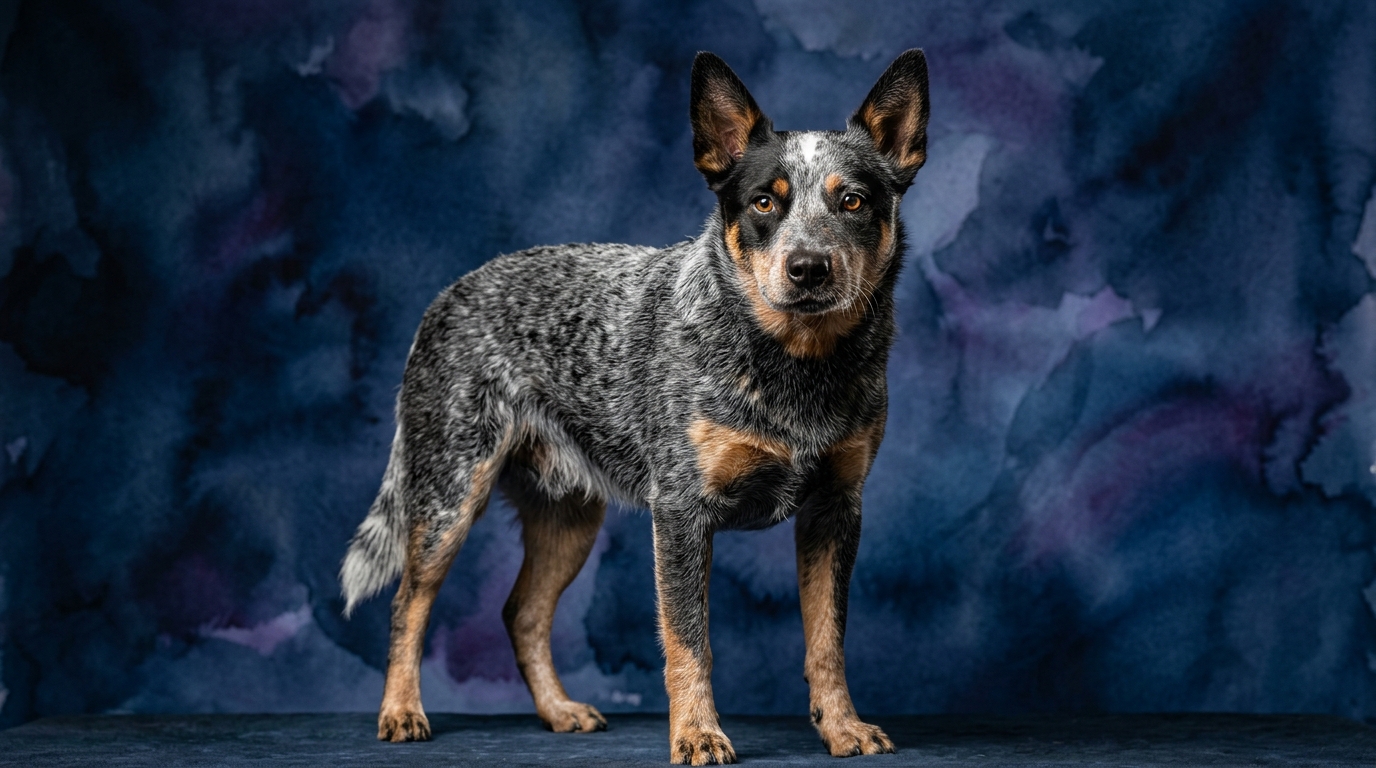
The Cosmic Pet Pet IQ Lab provides a detailed framework for understanding the unique cognitive makeup of each breed. For the Australian Cattle Dog (ACD), ranked #10 by Coren, its profile reflects a breed built for complex, independent work. Their Problem Solving is rated 5/5, indicating an exceptional capacity to independently strategize and overcome novel challenges, often displaying sophisticated thinking in dynamic situations. Training Speed also stands at 5/5, meaning they grasp new commands and concepts with minimal repetitions, eager to learn and respond quickly to instruction. Social Intelligence is 3/5, suggesting they are capable of forming deep bonds but can be reserved with strangers and other dogs, preferring a smaller, familiar social circle. Their Instinctive Drive is a formidable 5/5, denoting a powerful, innate urge to work, herd, and be consistently engaged, both physically and mentally. Finally, their Memory is 5/5, showcasing an outstanding capacity to recall past experiences, learned commands, and complex action sequences over extended periods.
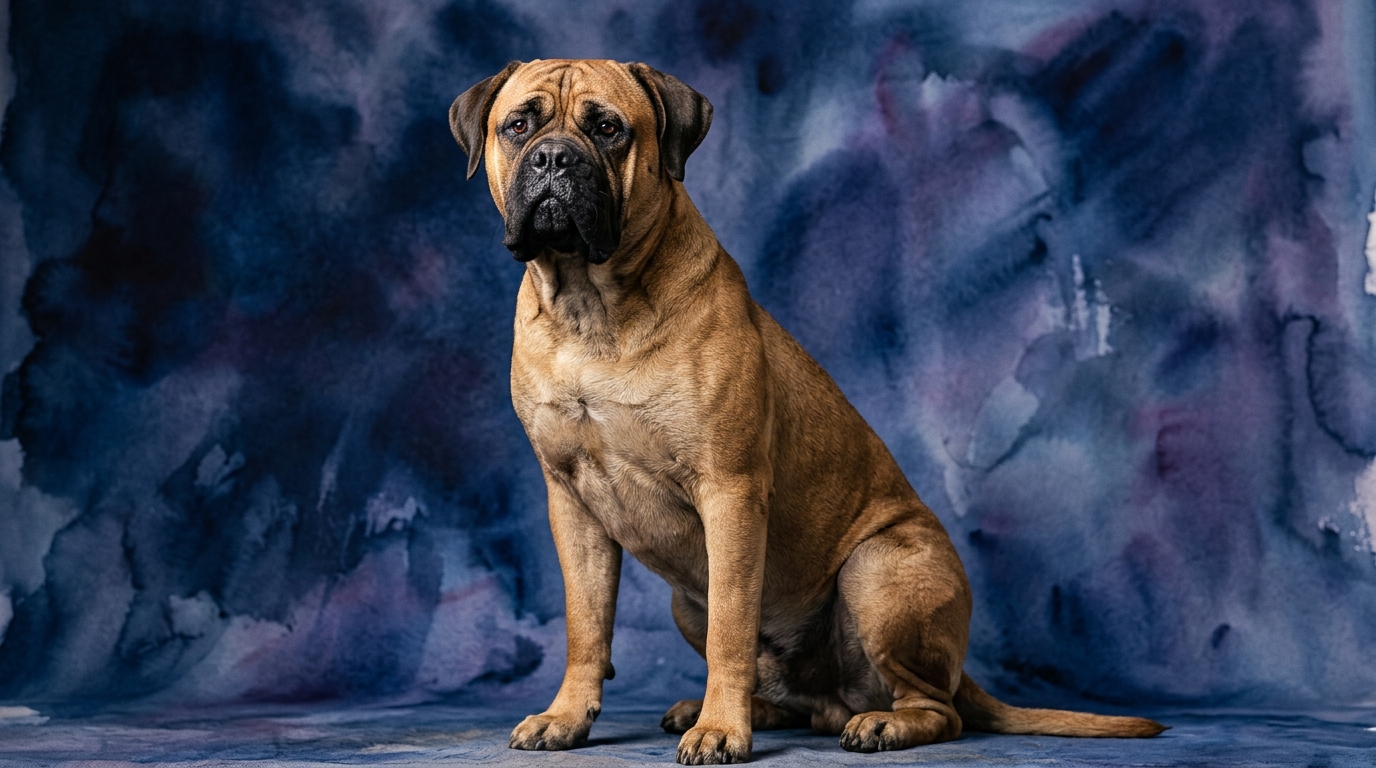
In contrast, the Bullmastiff, with a Coren rank of #69, presents a different cognitive blueprint, tailored for their role as a watchful protector. Their Problem Solving is 3/5, indicating competence in handling straightforward challenges but potentially requiring more guidance for complex, multi-step tasks. Training Speed is likewise 3/5, meaning they learn at a moderate pace, requiring consistent, patient repetitions to solidify new behaviors, often displaying a thoughtful rather than rapid uptake. Social Intelligence mirrors the ACD at 3/5; they are typically reserved and discerning with strangers, loyal to their family, and usually tolerant of other well-behaved dogs, but not overly gregarious. Their Instinctive Drive is 3/5, a moderate level primarily focused on guarding and companionship rather than intense, prolonged physical work, possessing a protective instinct without a constant need for high-octane activity. Their Memory is also 3/5, demonstrating a good, functional recall for commands and routines, though perhaps not retaining intricate sequences or novel experiences with the same precision as breeds with higher scores.
Where the Australian Cattle Dog Shines Cognitively
The Australian Cattle Dog's cognitive triumphs are directly rooted in their ancestral role as a herder of cattle across vast, challenging terrains. Their exceptional Problem Solving (5/5) allows them to independently strategize in dynamic environments, such as splitting a stubborn herd or navigating complex obstacles without direct human command. This is not merely about following instructions but about independent thought and adaptation. Their rapid Training Speed (5/5) means they not only absorb commands quickly but also extrapolate rules, applying previous lessons to new, similar situations with impressive efficiency. This makes them highly adaptable and capable of mastering diverse tasks swiftly. This cognitive prowess is paired with a profound Memory (5/5), enabling them to retain vast repertoires of commands and experiences, making them exceptionally reliable over time. Furthermore, their intense Instinctive Drive (5/5) isn't just about physical stamina; it fuels their mental engagement, making them relentlessly focused on tasks and eager for intellectual challenges, channeling their energy into purposeful activity.
Where the Bullmastiff's Cognitive Profile Excels
While not designed for the rapid-fire problem-solving of a herding dog, the Bullmastiff's cognitive profile aligns perfectly with the requirements of a steadfast, reliable guardian and companion. Their moderate Problem Solving (3/5) ensures they can handle routine situations effectively without overthinking or becoming overly reactive, contributing to their calm and stable demeanor. This steady approach is a cognitive asset in a breed whose role prioritizes a watchful, composed presence over quick, independent action. The Bullmastiff's Social Intelligence (3/5), on par with the ACD, indicates a discerning nature rather than indiscriminate friendliness, which is a valuable trait for a protective companion who needs to evaluate situations before engaging. Crucially, their moderate Instinctive Drive (3/5) is a cognitive advantage for owners seeking a powerful presence without the relentless mental and physical demands of a high-drive working dog. This allows them to be attentive and responsive without a constant need for intense stimulation, making them more amenable to a stable, predictable home life focused on companionship and watchful guardianship, where their cognitive energy is directed towards their family's well-being rather than constant external tasks.
Ease of Training: A Clear Distinction
When it comes to ease of training, the Australian Cattle Dog and Bullmastiff present a clear distinction. The ACD, with a Training Speed of 5/5 and Problem Solving at 5/5, learns at an exceptionally rapid pace. They pick up new commands with very few repetitions, often understanding the underlying intent of a task rather than just rote memorization. This means an ACD can progress through advanced obedience or complex dog sport routines much faster, frequently anticipating what is expected of them and offering behaviors proactively. Their inherent drive to work and please also contributes to a highly engaged training partner.
Conversely, the Bullmastiff, at 3/5 for both Training Speed and Problem Solving, requires a more patient and consistent approach. While perfectly capable of learning and retaining information, they need more repetitions to solidify behaviors and might take longer to generalize commands to new environments or under distraction. Their learning style is often described as thoughtful and deliberate rather than eagerly quick, meaning trainers must be prepared for a more gradual, but ultimately solid, learning curve. Positive reinforcement and clear, consistent communication are paramount to motivate this breed, as they respond best to fairness and respect rather than forceful methods.
Matching Cognitive Profiles to Lifestyles: Active vs. Relaxed Owners
The cognitive profiles of these two breeds offer distinct fits for different owner lifestyles. The Australian Cattle Dog, with its 5/5 Instinctive Drive, exceptional Problem Solving, and Memory, demands an active and engaged owner. These dogs require substantial daily mental and physical engagement to thrive. Owners must be prepared for rigorous exercise, complex training sessions, and puzzle toys to prevent boredom, which can manifest as destructive behaviors or excessive herding of family members. ACDs are happiest when they have a job, whether it's herding livestock, excelling in agility, or mastering advanced obedience tasks, making them ideal for individuals committed to dog sports or an outdoors-focused life.
The Bullmastiff, with its moderate Instinctive Drive (3/5) and Problem Solving (3/5), is better suited for owners who appreciate a calmer, more relaxed presence but are still committed to consistent, positive reinforcement training. They enjoy daily walks and moderate play sessions, but do not possess the same relentless need for intense activity or constant mental challenges as the ACD. A Bullmastiff is generally content with a predictable routine, a comfortable home, and a watchful role within the family, making them suitable for owners who seek a loyal, protective companion without the high-octane demands of a traditional working dog. While they are not couch potatoes, their exercise needs are more manageable for a less intensely active household.
The Verdict
Select the Australian Cattle Dog if you are an experienced, active owner seeking a highly engaged partner for demanding activities like dog sports, herding, or complex obedience, and you are ready to provide consistent mental and physical challenges.
Opt for the Bullmastiff if you desire a steadfast, protective companion with a calm demeanor, appreciate a moderate level of activity, and are prepared for patient, consistent training to cultivate their loyal nature.
🧠 Find Your Pet's IQ Score
Our Pet IQ Lab assessment covers 25+ tests across 5 cognitive dimensions — personalized to your breed.
Take the Full IQ Test →Frequently Asked Questions
Do Australian Cattle Dogs make good family pets despite their high drive?
Yes, Australian Cattle Dogs can be excellent family pets for active households that understand their need for mental stimulation and physical activity. They form strong bonds with their family but require consistent training and socialization from a young age to channel their powerful herding instincts appropriately. Without sufficient engagement, they may become bored or destructive.
How do Bullmastiffs handle living in apartments or smaller homes?
Bullmastiffs can adapt to apartment living if they receive adequate daily exercise and mental engagement. While large, their moderate activity level means they don't require vast spaces to run, but they do need daily walks and consistent training. Their primary need is close proximity to their family, offering quiet companionship and a watchful presence.
Is the social intelligence rating of 3/5 for both breeds a concern?
A social intelligence rating of 3/5 indicates discretion rather than a deficiency; both breeds are typically reserved with strangers and prefer a familiar social circle. For the Australian Cattle Dog, this means careful introductions are necessary, while for the Bullmastiff, it reinforces their natural protective tendencies. Consistent, positive socialization from puppyhood is crucial for both to ensure they are well-adjusted and confident in various social situations.