Side-by-Side IQ Profile: Herding Brains vs. Companion Hearts
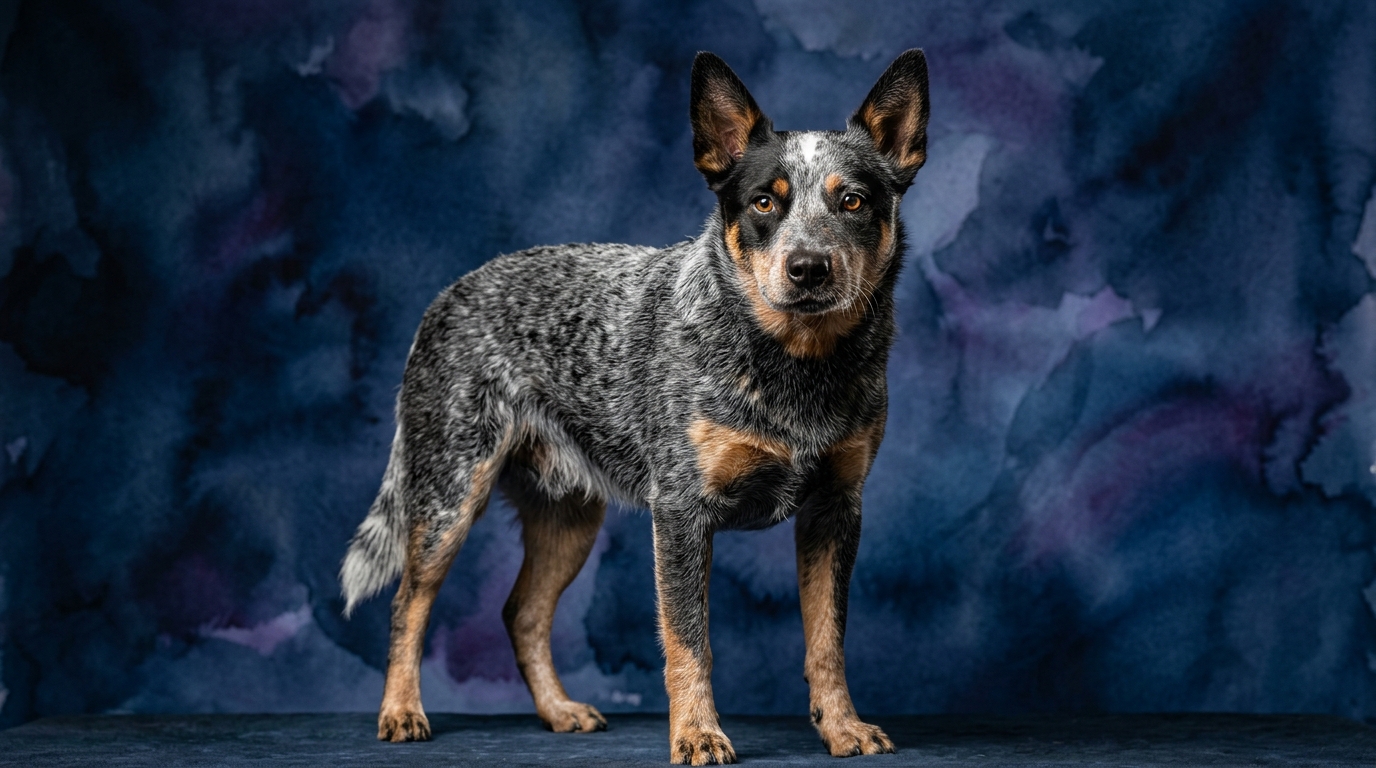
The Cosmic Pet Pet IQ Lab employs five core dimensions to map a breed's cognitive landscape. For the Australian Cattle Dog (ACD), their profile reflects a working heritage: Problem Solving is rated 5/5, indicating an exceptional capacity for independent thought and strategic planning, often devising multi-step solutions to novel challenges. Training Speed stands at 5/5, meaning they grasp new commands and complex sequences with remarkable quickness, requiring minimal repetition. Social Intelligence is 3/5, suggesting they understand human cues but prioritize task execution over emotional nuance. Instinctive Drive, at 5/5, highlights their powerful innate urges for herding, guarding, and activity, requiring outlets for these deep-seated behaviors. Finally, Memory is 5/5, demonstrating an impressive ability to recall learned commands, routines, and even specific locations or tasks over extended periods.
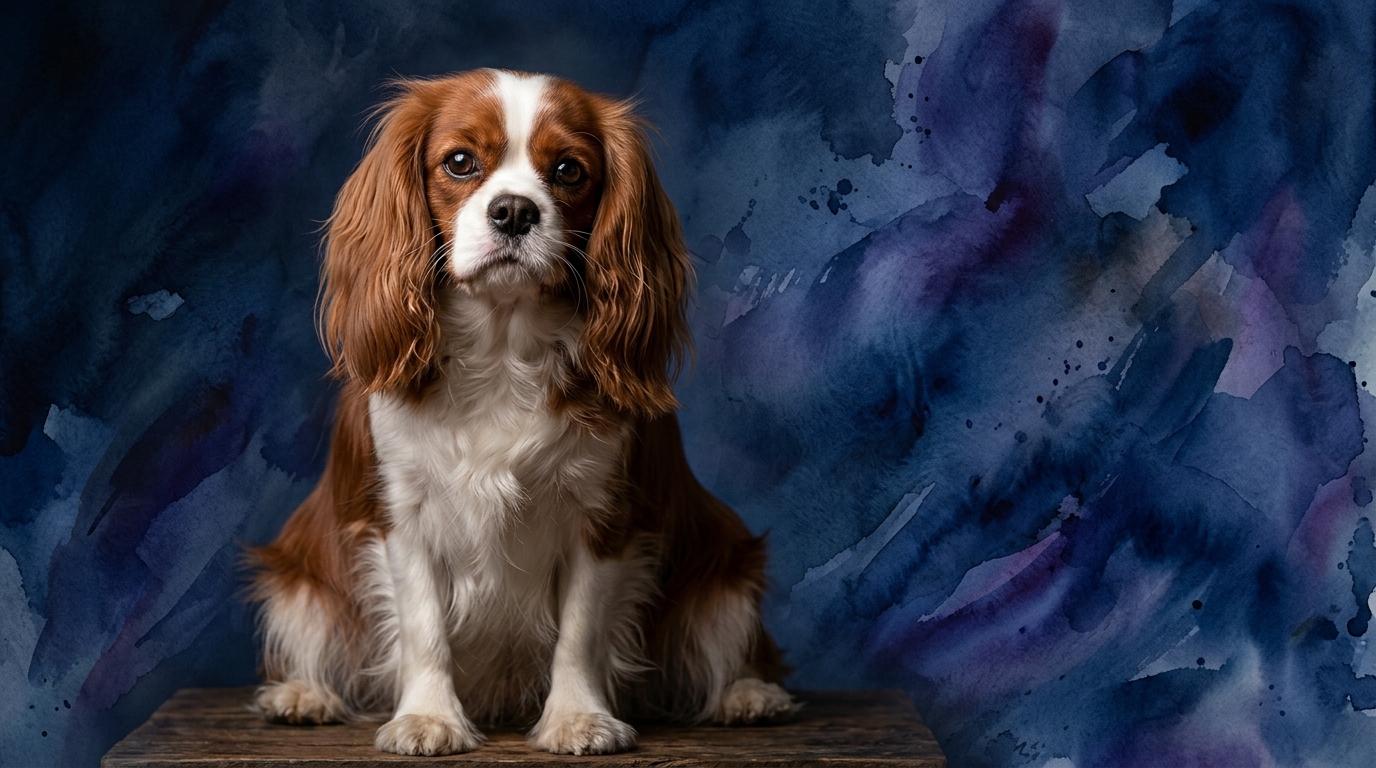
In contrast, the Cavalier King Charles Spaniel (CKCS) presents a different cognitive specialization, tailored for close human interaction: Problem Solving is 3/5, meaning they can navigate routine challenges but may require more guidance for complex or abstract tasks. Training Speed is 3/5, indicating they learn at a moderate pace, responding well to consistent, positive reinforcement, though perhaps not with the instantaneous uptake of a working breed. Their standout trait is Social Intelligence at 5/5, reflecting an extraordinary ability to read human emotions, intentions, and body language, making them profoundly empathetic and attuned companions. Instinctive Drive is 3/5, pointing to a moderate level of innate urges, primarily focused on companionship and comfort rather than intense physical work. Memory is 3/5, suggesting they retain information adequately for daily routines and basic commands, but might not recall intricate details with the same precision as breeds built for complex tasks.
Where the Australian Cattle Dog Excels Cognitively
The Australian Cattle Dog's cognitive strengths are profoundly rooted in their herding background. Their 5/5 Problem Solving isn't just about figuring out puzzles; it's about strategic thinking in dynamic environments. An ACD might independently decide the best route to move a group of sheep, anticipating their movements and reacting without direct human instruction, showcasing a high degree of operational autonomy. This cognitive capacity extends to complex tasks like scent work or agility courses, where they not only learn the sequence rapidly (Training Speed 5/5) but can also adapt if an obstacle is changed, demonstrating flexible thinking. Their 5/5 Instinctive Drive fuels this mental engagement, providing an intrinsic motivation to work and solve, making them relentless in their pursuits. The 5/5 Memory ensures that once they learn a task or a solution, it's stored for the long term, contributing to their reliability and consistency in demanding roles.
Where the Cavalier King Charles Spaniel Excels Cognitively
The Cavalier King Charles Spaniel's cognitive prowess shines brightest in the realm of social connection. Their 5/5 Social Intelligence means they are exceptionally adept at forming deep, intuitive bonds with humans. A CKCS will often notice subtle shifts in a person's mood or demeanor, offering comfort or seeking interaction without explicit commands. This isn't just about being friendly; it's a sophisticated understanding of social cues and emotional states, allowing them to integrate seamlessly into family life as highly sensitive companions. While their Problem Solving and Training Speed are moderate, their social acumen means they are often motivated by the desire to please and maintain harmony within their human pack. They learn what makes their people happy and will often adjust their behavior to align with those perceived desires, making them incredibly intuitive and responsive family members.
Training Dynamics: A Tale of Two Approaches
Training an Australian Cattle Dog is typically a fast-paced, intellectually stimulating endeavor due to their 5/5 Training Speed and 5/5 Problem Solving. They thrive on learning complex commands, multi-step sequences, and even abstract concepts, often grasping new ideas within a few repetitions. Their strong Instinctive Drive (5/5) means they are highly motivated by work and purpose, making them eager participants in training sessions, especially if it involves herding, agility, or advanced obedience. However, their lower Social Intelligence (3/5) means they might not be as inherently driven by the pure desire to please as some breeds; their motivation often stems from the challenge and the satisfaction of completing a task. Consistency and mental engagement are crucial to channeling their sharp minds and preventing boredom-induced behaviors.
The Cavalier King Charles Spaniel, with a 3/5 Training Speed, learns at a more moderate pace, requiring patient and positive reinforcement. They respond exceptionally well to praise, treats, and affection, leveraging their 5/5 Social Intelligence to connect with their trainer. While they may not pick up complex commands as quickly as an ACD, their eagerness to please and their sensitivity to human emotions make them highly cooperative. They excel in basic obedience and manners when training is framed as a shared, positive experience. Real behavioral differences include an ACD's tendency to anticipate the next step in a sequence, sometimes even before the cue is given, versus a CKCS's focus on maintaining a pleasant interaction, which can sometimes mean a slight delay in response while they process the request in a social context. For instance, an ACD might instinctively block a perceived escape route during a 'stay' command, while a CKCS might hold a 'stay' primarily because it garners positive attention.
Lifestyle Suitability: Active Minds vs. Affectionate Companions
The Australian Cattle Dog is unequivocally suited for active owners who can provide substantial mental and physical engagement. Their high Problem Solving, Instinctive Drive, and Memory mean they require a 'job' to feel fulfilled. This could manifest as rigorous daily exercise, advanced obedience training, agility, herding, or intricate puzzle toys that challenge their sharp minds. Owners who lead a relaxed, sedentary lifestyle will find an ACD quickly becomes bored, potentially leading to destructive behaviors or excessive barking as they attempt to create their own mental stimulation. Their cognitive makeup demands an outlet for their intelligence and energy, making them ideal for adventurers, trainers, or those with ample space and time for dedicated interaction.
Conversely, the Cavalier King Charles Spaniel is perfectly suited for relaxed owners seeking a devoted, affectionate companion. Their exceptional Social Intelligence means they thrive on close proximity, gentle interaction, and being an integral part of family life. While they do enjoy walks and playtime, their primary cognitive need is for companionship and emotional connection, not intense physical or mental challenges. They are content to curl up on the couch, follow their owner from room to room, and offer quiet comfort. Owners who appreciate a dog deeply attuned to their emotional state and who can provide consistent affection and a stable, loving environment will find the CKCS to be an unparalleled companion, requiring less structured 'work' and more shared, relaxed moments.
The Verdict
Choose an Australian Cattle Dog if you are an active, experienced owner seeking a highly trainable, intelligent partner for advanced activities and a stimulating lifestyle.
Choose a Cavalier King Charles Spaniel if you desire a gentle, empathetic companion dog, prioritizing social connection and comfort in a more relaxed home environment.
🧠 Find Your Pet's IQ Score
Our Pet IQ Lab assessment covers 25+ tests across 5 cognitive dimensions — personalized to your breed.
Take the Full IQ Test →Frequently Asked Questions
Do Australian Cattle Dogs need a lot of mental stimulation?
Yes, absolutely. With 5/5 Problem Solving and Memory, ACDs require significant mental engagement through training, puzzles, or tasks to prevent boredom and channel their cognitive energy constructively. Lack of stimulation can lead to behavioral issues.
Are Cavalier King Charles Spaniels good with children and other pets?
Their 5/5 Social Intelligence makes Cavalier King Charles Spaniels generally excellent with children and other pets, as they are naturally empathetic and seek harmonious interactions. Supervision is always recommended, but their gentle nature typically fosters positive relationships.
Which breed is better for a first-time dog owner?
A Cavalier King Charles Spaniel is generally more suitable for a first-time owner due to their adaptable nature and strong social intelligence, making them forgiving and eager to please. The Australian Cattle Dog's intense cognitive needs and drive can be challenging for inexperienced owners.