Side-by-Side Cognitive Profiles
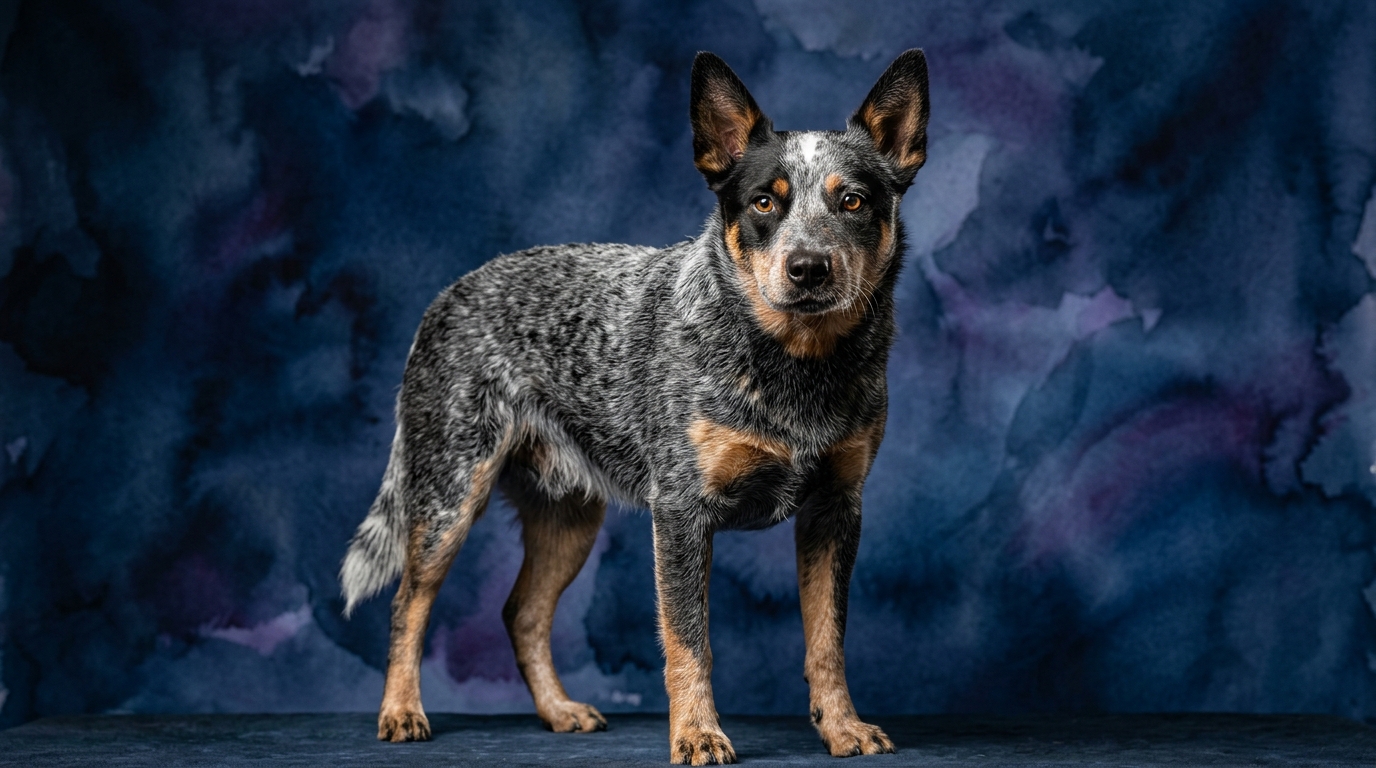
**Australian Cattle Dog (ACD):** This Herding breed, ranked #10 by Coren, presents a formidable cognitive profile shaped by its demanding work. Their **Problem Solving (5/5)** score reflects a need for strategic thinking to anticipate livestock movements, navigate complex terrains, and make independent decisions far from a handler, excelling at intricate puzzles and quick adaptation. **Training Speed (5/5)** highlights their remarkable rapidity in absorbing new commands and routines, driven by intense focus and a desire to work alongside their handler. **Social Intelligence (3/5)** indicates deep bonds with family but a reserved demeanor toward strangers, prioritizing trusted human partners over external social interactions. An undeniable **Instinctive Drive (5/5)** encompasses a powerful herding impulse, relentless work ethic, and high prey drive, fueling their need for consistent engagement. Finally, **Memory (5/5)** grants them an excellent capacity for recall, remembering complex sequences, territory layouts, and past experiences crucial for long-term training.
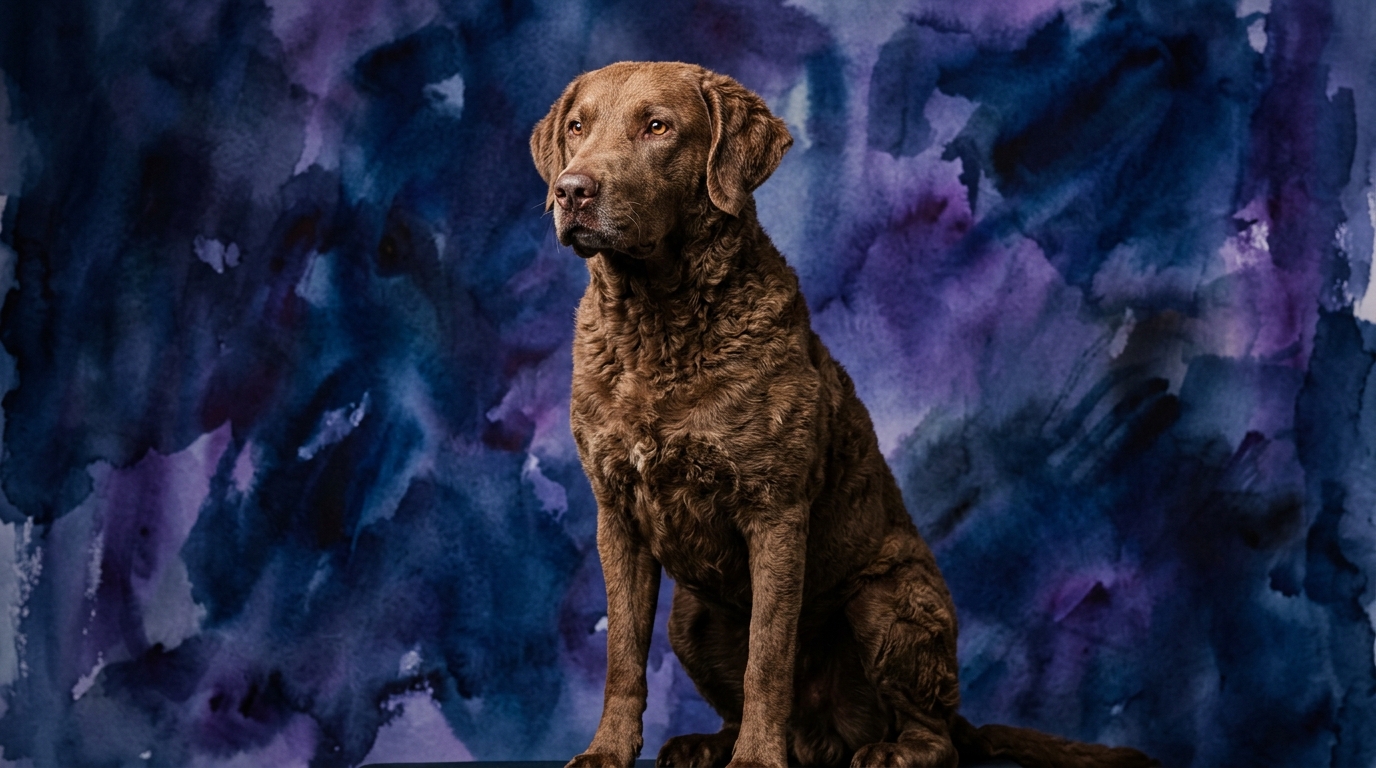
**Chesapeake Bay Retriever (CBR):** As a Sporting breed, ranked #27 by Coren, the CBR's intelligence is finely tuned for its specialized tasks. Their **Problem Solving (4/5)** ability shines in practical, task-oriented scenarios, adeptly navigating challenging environments like icy waters and dense cover to locate and retrieve game, requiring determination and resourcefulness. **Training Speed (4/5)** means they learn effectively and can master a wide range of commands, though their independent spirit requires patient, consistent methods rather than instantaneous uptake. Similar to the ACD, their **Social Intelligence (3/5)** means profound family bonds coexist with an aloofness toward unfamiliar individuals, prioritizing loyalty within their established human pack. The CBR's **Instinctive Drive (3/5)** is powerful but more singularly focused on retrieving compared to the ACD’s broader drives, manifesting as unwavering determination to complete a task regardless of conditions. Their **Memory (4/5)** is strong, essential for remembering game locations, scent trails, and learned commands, ensuring effective retention of training and routines.
Where the Australian Cattle Dog Wins Cognitively
The Australian Cattle Dog's cognitive profile, marked by perfect scores in problem-solving, training speed, instinctive drive, and memory, showcases a mind built for complex, dynamic work. Their 5/5 in problem-solving signifies more than just following instructions; they anticipate, innovate, and make split-second decisions to manage livestock or navigate agility courses with strategic foresight. This is not merely about quick learning, but about a deep cognitive flexibility that allows them to adapt their approach when faced with unforeseen obstacles. Their memory, also a 5/5, enables them to retain intricate patterns and sequences, critical for remembering complex herding routes or advanced obedience commands over long periods. This combination of rapid learning and strategic thinking makes them exceptional at tasks requiring a multi-faceted approach and constant mental engagement, often outmaneuvering other breeds in scenarios demanding continuous cognitive adjustment and independent thought.
Where the Chesapeake Bay Retriever Wins Cognitively
While the Chesapeake Bay Retriever's scores might appear slightly lower in some cognitive dimensions compared to the ACD, their particular strengths lie in a different kind of mental fortitude and focused resilience. The CBR's 4/5 in problem-solving demonstrates a robust, practical intelligence geared towards overcoming environmental challenges specific to retrieving. They excel at tenacious, independent work in demanding conditions, like breaking through ice or navigating dense reeds to retrieve game, showing incredible resilience and unwavering determination. Their slightly lower instinctive drive (3/5 compared to ACD's 5/5) translates not to less drive, but to a more concentrated, task-specific application of their energy. This focused drive allows them to maintain unwavering attention on a singular goal, such as a retrieve, without the broader environmental scanning or management instincts seen in a herding dog. This makes them less prone to distraction by peripheral stimuli, offering a steadfastness that is a distinct cognitive advantage in their specialized field.
Training Dynamics: Ease and Behavioral Differences
Assessing ease of training requires understanding both a breed's cognitive speed and its inherent temperament. The Australian Cattle Dog, with its 5/5 training speed, generally takes to new commands with impressive quickness. This is largely due to their intense focus on their handler and their innate desire to work and please within a defined structure. They are keen observers and eager participants, making them highly responsive to positive reinforcement and consistent guidance. However, their equally high instinctive drive (5/5) means this rapid learning must be channeled into productive outlets; an untrained ACD can quickly apply its problem-solving prowess to undesirable behaviors if bored or under-stimulated, potentially trying to 'herd' children or other pets. In contrast, the Chesapeake Bay Retriever, with a 4/5 training speed, learns effectively but often requires more patience and a greater understanding of their independent streak. Their strong will means they might question a command or take a moment to process if they don't immediately see the value or logic. While they are devoted, their social intelligence (3/5) means they might not be as outwardly eager to please every individual, reserving their full cooperation for their trusted handler. Training a CBR demands consistency, fairness, and the ability to make tasks engaging, often appealing to their strong retrieving drive, but they are less likely to initiate herding behaviors.
Matching Canine Minds to Lifestyles
Neither the Australian Cattle Dog nor the Chesapeake Bay Retriever is suited for a truly relaxed, sedentary owner; both demand significant engagement. The ACD, with its 5/5 instinctive drive and problem-solving, is a high-octane companion requiring constant mental and physical challenges. Owners must be prepared for rigorous daily exercise, including long runs, advanced obedience, agility, or actual herding work. Their minds are always active, requiring a dedicated owner who can provide structured activities to prevent boredom, which can lead to destructive behaviors. They thrive with owners who are committed to a working partnership, actively engaging their dog's formidable cognitive abilities and providing a consistent outlet for their herding instincts. The CBR, while also requiring an active lifestyle, often channels its energy into more focused activities like swimming, retrieving, and long hikes. Their 3/5 instinctive drive, while still robust, is more specifically geared towards their sporting purpose. They need consistent, vigorous exercise to be content, but perhaps less of the 'always-on' mental management required by an ACD. CBRs are excellent companions for outdoor enthusiasts who enjoy specific dog sports or water activities, offering a resilient and dedicated partner without the constant need for complex strategic mental work that defines the ACD.
The Verdict
When seeking a canine partner that thrives on intricate challenges and rapid cognitive processing, the Australian Cattle Dog is the ideal choice for owners dedicated to high-level dog sports, complex working roles, or an intensely engaged lifestyle.
If your preference leans towards a resilient, steadfast companion for demanding outdoor adventures, particularly those involving water and retrieving, the Chesapeake Bay Retriever offers a focused and devoted partnership built on tenacity.
🧠 Find Your Pet's IQ Score
Our Pet IQ Lab assessment covers 25+ tests across 5 cognitive dimensions — personalized to your breed.
Take the Full IQ Test →Frequently Asked Questions
Are Australian Cattle Dogs good family pets?
With proper socialization from a young age and consistent mental and physical exercise, Australian Cattle Dogs can be exceptionally loyal and protective family members. However, their strong herding instincts mean they require careful management around small children or other pets, often needing supervision to prevent nipping at heels.
Do Chesapeake Bay Retrievers need a lot of exercise?
Absolutely. Chesapeake Bay Retrievers are a working breed with substantial energy reserves, bred for enduring long hours in challenging conditions. They require vigorous daily exercise, including activities like swimming, retrieving games, and extended runs or hikes, to maintain their physical and mental well-being and prevent boredom.
Which breed is more independent?
While both breeds possess a degree of self-reliance, the Chesapeake Bay Retriever typically exhibits a more pronounced independent nature, particularly when performing its retrieving tasks. The Australian Cattle Dog, though independent in decision-making, often maintains a closer working bond and constant focus on its handler, making them less 'independent' in their general demeanor.