Side-by-Side Cognitive Profile
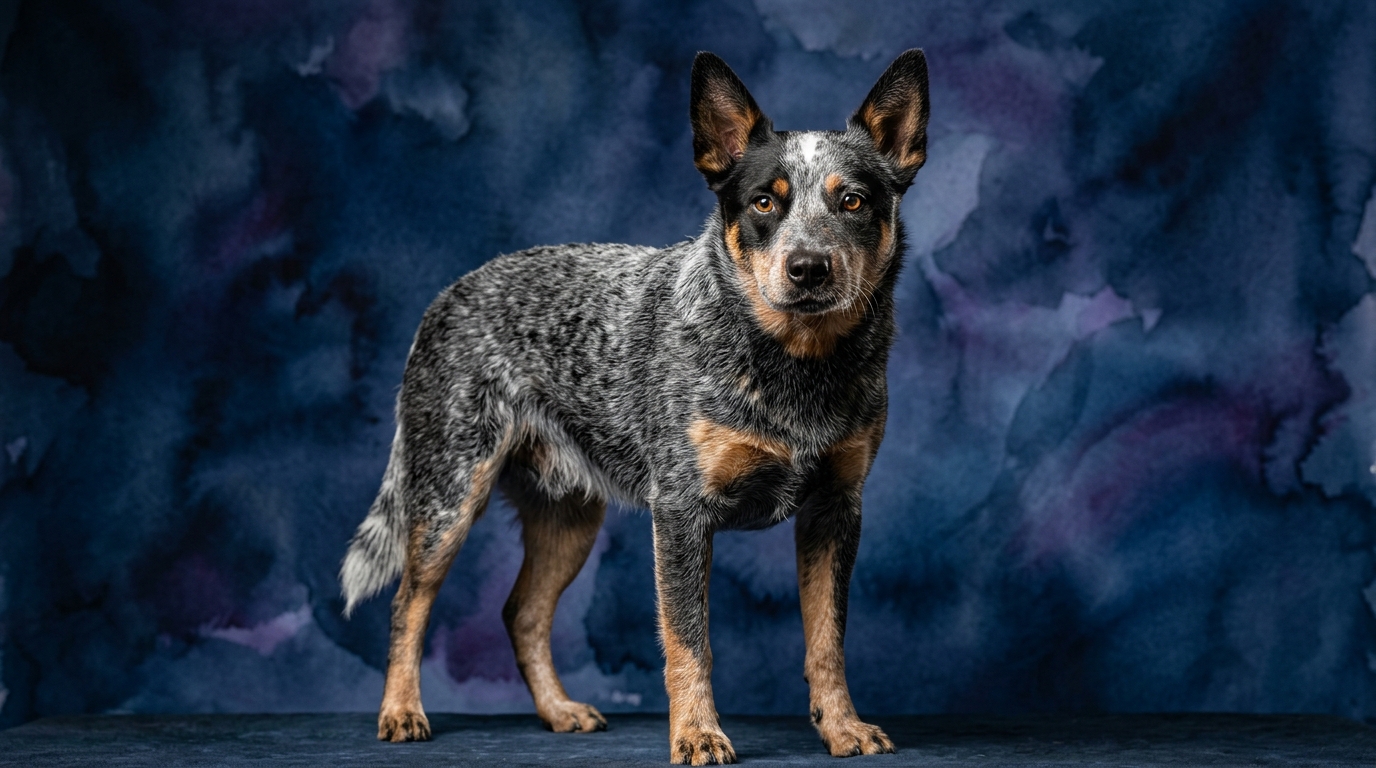
The Australian Cattle Dog, ranking at a remarkable #10 on Coren's scale, exhibits a cognitive profile tailored for demanding work. Their Problem Solving is rated 5/5, meaning they possess an exceptional capacity to independently figure out complex tasks and often devise novel solutions to obstacles, adapting brilliantly to changing environments. Their Training Speed is also 5/5, allowing them to grasp new commands and routines with remarkable rapidity, often solidifying concepts in very few repetitions. Social Intelligence, at 3/5, indicates they can be discerning in social interactions, often preferring a smaller, familiar circle rather than engaging broadly with strangers, with their focus frequently on task rather than extensive social bonding beyond their primary handler. An Instinctive Drive of 5/5 speaks to their formidable intrinsic motivation for work, particularly herding, requiring constant mental and physical engagement. Finally, their Memory, at 5/5, signifies superior recall for commands, routines, and past experiences, retaining learned behaviors over long periods.
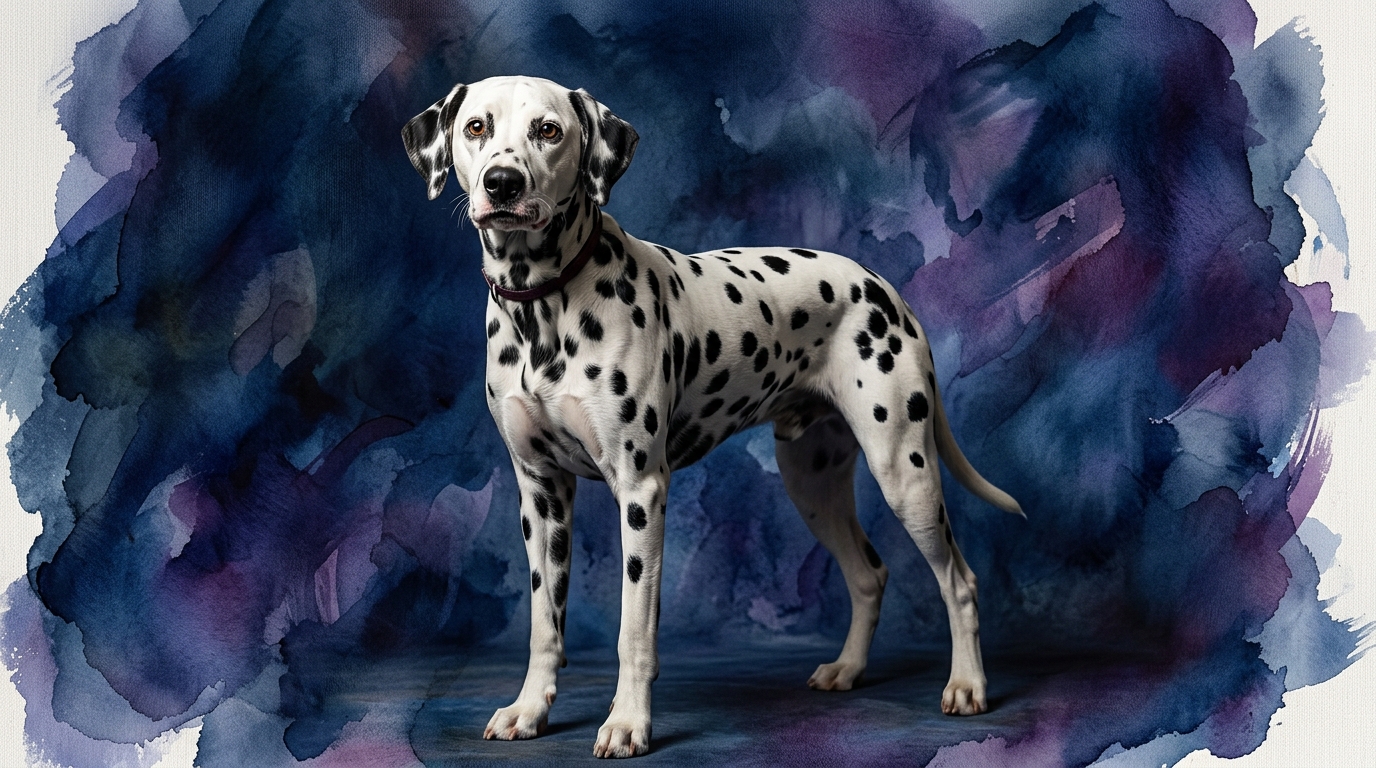
In contrast, the Dalmatian, listed at Coren's #39, presents a different yet equally compelling cognitive makeup. Their Problem Solving stands at 3/5, indicating they are capable of solving straightforward problems and understanding cause-and-effect, though they may be less inclined to innovate complex solutions without guidance. Training Speed is 3/5, meaning they learn at a moderate pace, requiring consistent, positive reinforcement and patience to solidify new behaviors effectively. Their Social Intelligence is a robust 4/5, as they generally enjoy social interaction and form strong bonds with family members, often displaying a friendly and outgoing demeanor with familiar people. An Instinctive Drive of 4/5 reflects a robust need for activity and companionship, historically linked to their coaching dog role, but less specialized and intense than a herding breed's intrinsic motivation. Their Memory, at 4/5, demonstrates good recall for learned commands and experiences, retaining information effectively with regular reinforcement.
Where the Australian Cattle Dog Wins Cognitively
The Australian Cattle Dog's cognitive strengths shine particularly bright in areas demanding independent thought and sustained mental effort. Their 5/5 Problem Solving isn't just about following instructions; it’s about understanding the underlying objective and finding creative ways to achieve it, whether it’s figuring out how to bypass a gate or strategizing to move livestock. This breed doesn't merely learn commands; they assimilate complex sequences and apply them flexibly. Coupled with a 5/5 Memory, an ACD can retain intricate instructions and recall them even after long periods, making them exceptional candidates for advanced obedience, agility, or herding trials where multi-step commands and precise execution are paramount. Their formidable 5/5 Instinctive Drive fuels this cognitive prowess, providing an intrinsic motivation to engage with challenges rather than waiting for external prompts. This deep-seated drive means they are often self-starters in problem-solving scenarios, continuously seeking mental engagement and purpose, a critical advantage in demanding working roles.
Where the Dalmatian Wins Cognitively
Where the Dalmatian truly distinguishes itself cognitively is in its Social Intelligence, rated 4/5. While Australian Cattle Dogs excel in task-oriented cognition, Dalmatians generally possess a more universally adaptable and engaging social demeanor. Their historical role as carriage dogs required them to be comfortable and composed in varied public settings, interacting with diverse people and animals without reservation. This background translates into a dog often displaying a more outgoing and less reserved temperament than an ACD, making them potentially more at ease in dynamic social situations like busy dog parks, family gatherings, or public outings. Dalmatians often pick up on subtle human emotional cues and can respond with a comforting presence, fostering strong, empathetic bonds with their human companions. Their social acumen makes them adept at navigating the nuances of human-dog interaction, often seeking out companionship and engaging readily with their family members.
Which is Easier to Train and Why
Comparing training ease reveals distinct approaches. The Australian Cattle Dog, with its 5/5 Training Speed and 5/5 Problem Solving, can grasp new concepts with astonishing rapidity. They often require fewer repetitions and can generalize learned behaviors to new situations quickly. However, their formidable 5/5 Instinctive Drive and independent nature mean training must be consistently engaging and channel their mental energy productively; an ACD without clear direction can become 'self-employed,' potentially in undesirable ways like herding family members or objects. They demand a handler who can match their mental intensity and provide structured, challenging tasks. In contrast, the Dalmatian, with a 3/5 Training Speed, requires more patience and consistency. While not as quick to pick up complex tasks, their 4/5 Social Intelligence means they often respond exceptionally well to positive reinforcement and bond-based training, thriving on praise and companionship. They can be sensitive to harsh methods, making gentle, consistent approaches most effective. While ACDs learn *fast*, Dalmatians learn *reliably* with the right motivation and environment, becoming well-mannered companions through steady effort.
Active Owners vs. Relaxed Owners
The choice between these breeds heavily depends on an owner's lifestyle. The Australian Cattle Dog is unequivocally suited for highly active owners. Their 5/5 Instinctive Drive and constant need for mental stimulation mean they absolutely require a 'job' – be it herding, advanced dog sports, or extensive daily training sessions. Owners must be prepared to provide substantial physical exercise, such as long runs or hikes, combined with rigorous mental engagement to prevent boredom, which can manifest as destructive behaviors or excessive nipping. A truly relaxed or sedentary owner will quickly find an ACD overwhelming and potentially challenging to manage. Conversely, the Dalmatian, while still an active breed with a 4/5 Instinctive Drive, is a better fit for moderately active owners. They thrive on regular exercise like daily runs, walks, or playful backyard sessions, and certainly enjoy companionship. While they need consistent activity to maintain their physique and temperament, they don't possess the relentless, specialized drive of an ACD. They are not for entirely relaxed lifestyles, but they offer a more balanced energy demand than their herding counterpart, fitting well with owners who enjoy daily outdoor activities without needing a constant working partner.
The Verdict
For owners seeking a highly engaged, challenging canine partner capable of advanced training and demanding mental work, who can commit to providing relentless stimulation and direction, the Australian Cattle Dog is an unparalleled choice.
Individuals or families desiring an active, social companion who thrives on consistent exercise and positive interaction, valuing companionship and a generally more adaptable social demeanor, will find a wonderful partner in the Dalmatian.
🧠 Find Your Pet's IQ Score
Our Pet IQ Lab assessment covers 25+ tests across 5 cognitive dimensions — personalized to your breed.
Take the Full IQ Test →Frequently Asked Questions
Do Australian Cattle Dogs make good family pets given their lower social intelligence score?
While their social intelligence score is 3/5, Australian Cattle Dogs form deep, loyal bonds with their primary family. Their discernment means they are often reserved with strangers but fiercely protective of their inner circle, making early, consistent socialization crucial to help them navigate various social situations calmly and appropriately.
Are Dalmatians difficult to train because their training speed is 3/5?
Dalmatians are not inherently difficult to train, but their moderate training speed means they require patience and consistency. They may take more repetitions to master commands compared to quicker learners, but their strong desire for companionship makes them highly responsive to positive, reward-based methods and consistent engagement.
How does the 'instinctive drive' score impact daily life with these breeds?
For the Australian Cattle Dog, a 5/5 instinctive drive translates to an inherent, powerful need for purposeful activity, often herding-related, meaning they require constant engagement and tasks to remain content and prevent boredom. For the Dalmatian, a 4/5 drive indicates a strong need for physical activity and companionship, but less of the intense, specialized 'job' focus seen in dedicated working breeds, making their daily activity needs slightly less demanding.