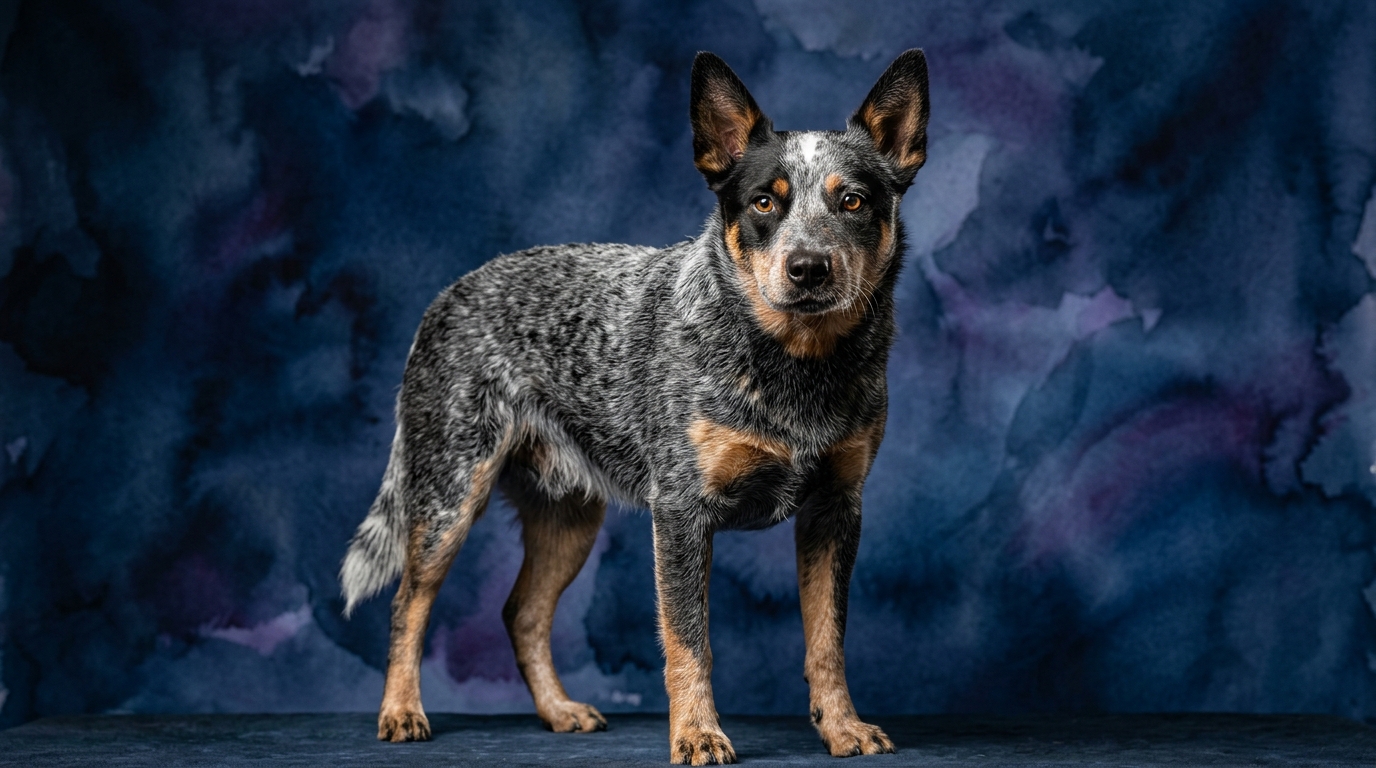
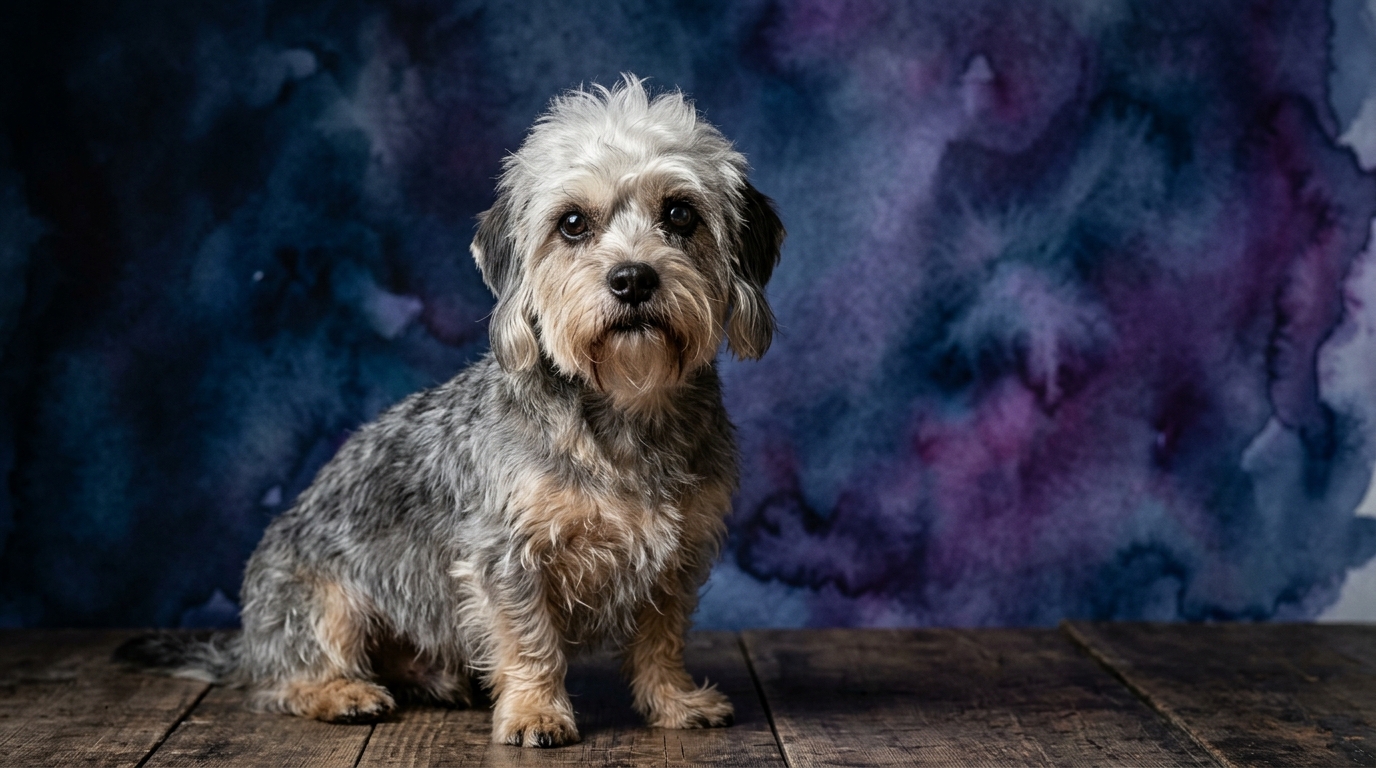
Side-by-Side IQ Profile: Herder vs. Terrier Minds
The Cosmic Pet Pet IQ Lab categorizes canine intelligence across five key dimensions, providing a nuanced view of how different breeds process information and interact with their world. For the Australian Cattle Dog, these dimensions paint a picture of a remarkably capable and driven working dog. Their Problem Solving is rated 5/5, indicating an exceptional capacity to navigate complex situations, understand multi-step commands, and devise strategies independently. Training Speed also scores 5/5, meaning they grasp new concepts and commands with impressive rapidity, often needing minimal repetition. Instinctive Drive, at 5/5, highlights their powerful, innate desire to perform tasks, whether herding livestock or engaging in demanding canine sports, demonstrating tireless focus and persistence. Their Memory is likewise 5/5, suggesting an extraordinary ability to recall learned behaviors, routes, and experiences over long periods. Social Intelligence, however, stands at 3/5, indicating they are capable of forming strong bonds and understanding social cues but may be more focused on their primary handler or task, potentially exhibiting less universal affability than some breeds.
In contrast, the Dandie Dinmont Terrier presents a cognitive profile characterized by a consistent, moderate aptitude across all dimensions. Their Problem Solving is rated 3/5, meaning they are capable of figuring out challenges and learning from experience, though they might require more time or trial-and-error than a higher-scoring breed. Training Speed also registers at 3/5, indicating they are certainly trainable but may need more patience, consistency, and positive reinforcement to master new commands. Instinctive Drive, at 3/5, reflects their terrier heritage, possessing a drive for scent work and digging, but perhaps not the relentless, collaborative task-focus of a herding dog. Memory, like the other dimensions, scores 3/5, suggesting they retain information adequately but may not possess the photographic recall observed in breeds with higher scores. Finally, their Social Intelligence is also 3/5, implying they form loving bonds with their families but might exhibit a more independent or selective social demeanor, characteristic of many terriers.
Where the Australian Cattle Dog Excels Cognitively
The Australian Cattle Dog's cognitive strengths are particularly pronounced in areas demanding intense mental engagement and a strong work ethic. Their 5/5 Problem Solving ability means they are adept at navigating novel situations, anticipating outcomes, and adapting their behavior on the fly. This isn't just about following commands; it's about understanding the 'why' behind a task and adjusting tactics when conditions change, a crucial trait for a dog tasked with managing livestock across varied terrains. They can quickly assess a situation, identify obstacles, and formulate a plan, often without direct human instruction.
Coupled with their 5/5 Training Speed, the Australian Cattle Dog learns complex sequences of commands and sophisticated behaviors with remarkable efficiency. They thrive on structured learning and mental challenges, absorbing new information like a sponge. This rapid acquisition of skills makes them exceptional candidates for advanced obedience, agility, flyball, and, of course, actual herding work. Their 5/5 Memory ensures that once a lesson is learned, it is rarely forgotten, contributing to their reliability and consistency in performance. Furthermore, their 5/5 Instinctive Drive provides the relentless motivation to apply these cognitive abilities, transforming learned skills into purposeful action. This drive isn't merely boundless energy; it's a focused determination to complete a task, providing an internal engine for their impressive cognitive output.
Where the Dandie Dinmont Terrier Demonstrates Unique Strengths
While the Dandie Dinmont Terrier's scores are consistently moderate, their cognitive profile represents a distinct set of strengths, particularly valuable for their original purpose and a specific type of companion lifestyle. Their 3/5 Problem Solving isn't about complex strategy for large-scale tasks, but rather a cleverness in navigating their immediate environment, often related to scent-tracking and investigating tight spaces. They display a resourceful intelligence in figuring out how to get to an interesting smell or to access a hidden toy, demonstrating a pragmatic, ground-level problem-solving approach.
The Dandie Dinmont's 3/5 Instinctive Drive, while not as overwhelming as a herder's, is perfectly suited to their terrier nature. This drive manifests as a persistent, independent pursuit of perceived 'prey' or interesting scents, often requiring self-reliance rather than collaborative effort. This tenacity, a hallmark of the terrier group, means they are not easily deterred once they set their minds on something, whether it's digging up a perceived rodent or exploring a new smell. Their moderate social intelligence and memory, while not top-tier, contribute to a charming, independent personality. They form deep, selective bonds and remember their routines and loved ones, but retain a self-possessed air that many owners find endearing. Their cognitive makeup creates a resilient, self-sufficient dog that doesn't constantly rely on human direction for their sense of purpose, a strength in itself for owners seeking a dog with a strong, individual character.
Training: Ease and Behavioral Differences
When it comes to ease of training, the Australian Cattle Dog holds a clear advantage due to their 5/5 Training Speed and 5/5 Memory. They are highly responsive, eager to learn, and possess an innate desire to work alongside their human. This translates into rapid acquisition of commands, excellent retention, and a strong propensity for obedience. Behavioral differences stem from their herding instincts; they may attempt to 'herd' children or other pets by nipping at heels, requiring early socialization and consistent guidance to redirect this natural drive into appropriate outlets. Their high energy and mental acuity mean they can become bored or destructive if not adequately challenged, often inventing their own 'jobs' if not given one.
The Dandie Dinmont Terrier, with a 3/5 Training Speed and 3/5 Memory, requires a more patient and nuanced approach. They are not untrainable, but their terrier independence means they may not always see the immediate benefit in complying with a command, especially if a more interesting scent or activity presents itself. Their training often benefits from short, engaging sessions, positive reinforcement, and making the learning process fun. Behavioral differences include a strong prey drive, leading them to chase small animals, and a propensity for digging. Their moderate instinctive drive means they can be persistent in these pursuits. Unlike the ACD's collaborative work ethic, the Dandie's cognitive makeup leans towards self-directed action, making them less 'biddable' but equally capable of learning with the right motivation and consistency.
Suitability for Active vs. Relaxed Owners
The Australian Cattle Dog is unequivocally suited for active owners. Their exceptional 5/5 Instinctive Drive, coupled with their high Problem Solving and Training Speed, necessitates significant daily physical and mental exercise. Owners must be prepared to provide engaging activities like advanced obedience, agility, herding trials, long hikes, or extensive play sessions that challenge both their bodies and minds. An ACD thrives when given a 'job' and can become restless, anxious, or destructive if under-stimulated. They require an owner who understands and can channel their intense working drive into productive outlets, fostering a deep partnership built on activity and shared purpose.
The Dandie Dinmont Terrier, while still needing regular exercise, is a better fit for moderately active owners or those who appreciate a dog with a distinct personality but less relentless energy demands. Their 3/5 Instinctive Drive means they enjoy daily walks, playtime in a secure yard, and mental enrichment through puzzle toys or scent games, but they are generally content with periods of relaxation indoors. They don't require the same intensity or duration of activity as an ACD. Their cognitive profile suits owners who seek a charming, independent companion that enjoys both engaging activities and quiet companionship, rather than a full-time working partner.
The Verdict: When to Choose Each Breed
The Verdict
Choose an Australian Cattle Dog if you are an active, experienced owner seeking a highly engaged, responsive working companion for complex tasks, consistent training, and an adventurous lifestyle. They thrive on mental and physical challenges and form incredibly strong, task-oriented bonds.
Opt for a Dandie Dinmont Terrier if you appreciate an independent, charming companion with moderate exercise needs and a unique, self-reliant character, willing to invest patience and creativity in training. They offer devoted companionship to their chosen family, suitable for a moderately active home.
🧠 Find Your Pet's IQ Score
Our Pet IQ Lab assessment covers 25+ tests across 5 cognitive dimensions — personalized to your breed.
Take the Full IQ Test →Frequently Asked Questions
Are Dandie Dinmont Terriers difficult to train?
Dandie Dinmont Terriers are certainly trainable, but their independent nature and moderate training speed (3/5) mean they require more patience and consistency than some other breeds. They respond best to positive reinforcement, short engaging sessions, and methods that tap into their terrier instincts, rather than force.
What kind of mental stimulation does an Australian Cattle Dog need?
Australian Cattle Dogs require extensive mental stimulation due to their high problem-solving (5/5) and instinctive drive (5/5). This includes advanced obedience, agility, herding, puzzle toys, scent work, or other challenging canine sports to satisfy their need for purposeful activity and prevent boredom.
How do their social intelligence ratings impact household dynamics?
Both breeds rate 3/5 in social intelligence, suggesting they form strong bonds with their families but may be more reserved or selective with strangers. ACDs might be more focused on their primary handler and task, while DDTs might be more selectively affectionate and independent, suitable for families understanding their distinct social preferences.