Side-by-Side IQ Profile: Herding Precision vs. Scent-Driven Pursuit
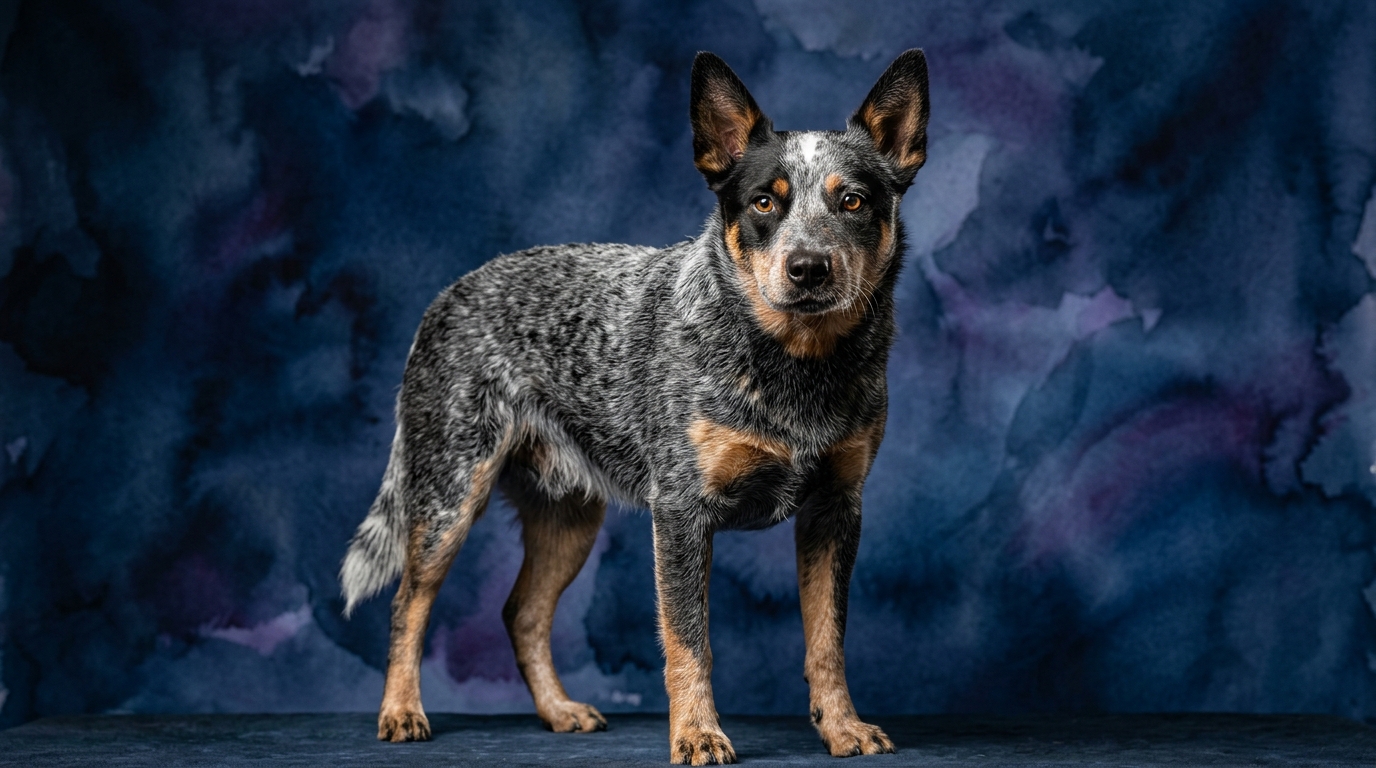
The Australian Cattle Dog, a breed forged for demanding livestock work in rugged terrain, presents an impressive cognitive blueprint. Their Problem Solving is rated a perfect 5/5, reflecting an exceptional capacity for strategic thinking and adapting to dynamic situations. Training Speed also scores 5/5, indicating a rapid grasp of new commands and complex routines. While their Social Intelligence sits at 3/5, often focused intently on their primary handler's cues, their Instinctive Drive is a powerful 5/5, channeling their herding energy with precision. Complementing these traits is a Memory score of 5/5, allowing them to retain vast amounts of information, from intricate commands to spatial layouts.
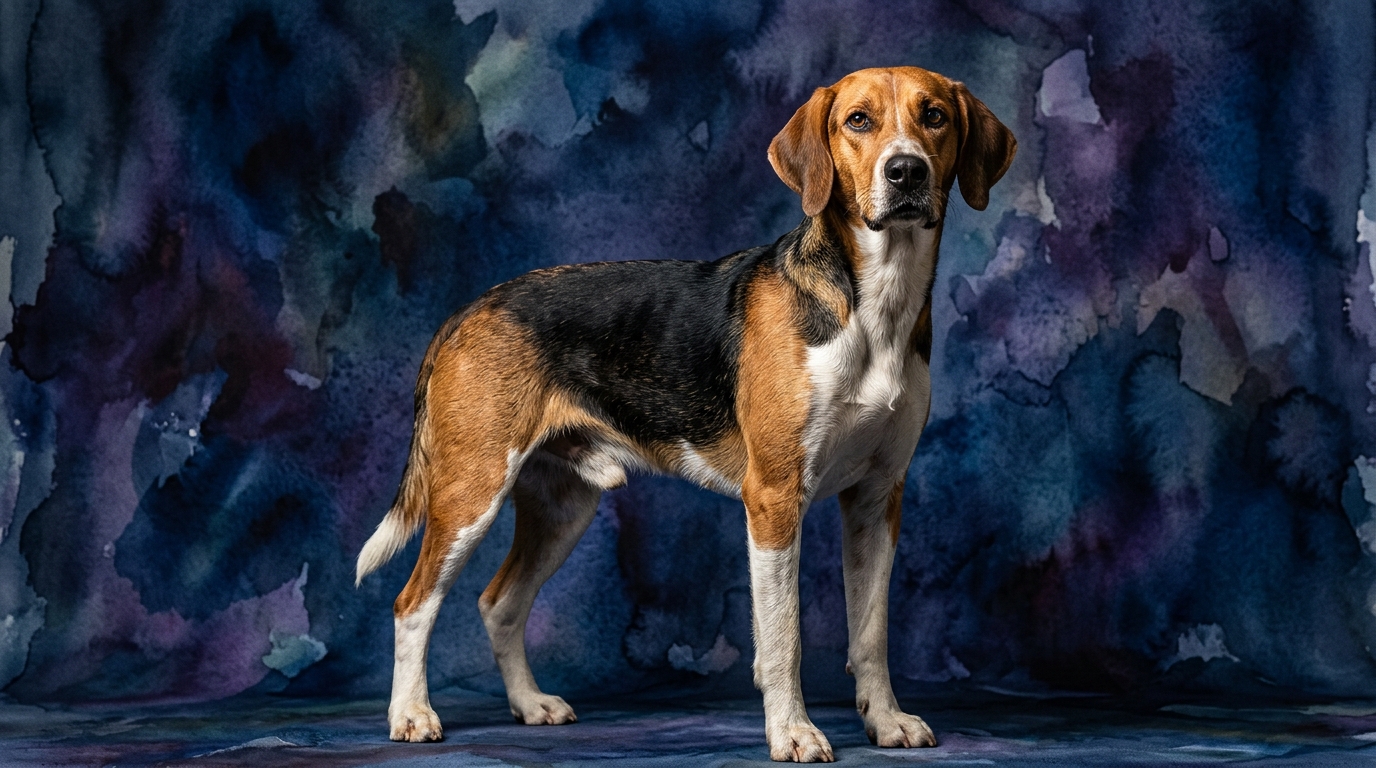
In contrast, the English Foxhound, a breed refined over centuries for endurance hunting, exhibits a different but equally specialized cognitive profile. Their Problem Solving is rated 3/5, primarily excelling in scent-related challenges rather than abstract puzzles. Training Speed also registers 3/5; while capable of learning, their attention can often be diverted by compelling scents. Social Intelligence is 3/5, typically geared towards pack cooperation and responding to hunt-specific signals rather than nuanced human interaction. Their Instinctive Drive, rated 3/5, is a relentless pursuit of scent, demonstrating incredible stamina. A Memory score of 3/5 suggests competence in remembering trails and hunt patterns, though perhaps not the same breadth of complex sequences as the ACD.
It's also worth noting the Australian Cattle Dog’s position at #10 in Stanley Coren’s ranking of dog intelligence, a testament to their working and obedience capabilities. The English Foxhound, like many specialized hounds, is not Coren-ranked, highlighting that their cognitive strengths lie outside the traditional obedience-focused metrics, instead residing in their extraordinary sensory processing and endurance for their specific task.
Where the Australian Cattle Dog Excels Cognitively
The Australian Cattle Dog's cognitive strengths are deeply rooted in their herding heritage, manifesting in an unparalleled ability to analyze and react to complex, changing scenarios. Their 5/5 Problem Solving isn't merely about following instructions; it's about anticipating livestock movements, strategizing routes to guide them, and independently making decisions under pressure. This translates into a dog that can figure out how to open gates, navigate intricate obstacle courses, or even solve puzzle toys with remarkable ingenuity.
Their 5/5 Training Speed is a direct reflection of their eagerness to learn and their capacity to quickly associate commands with actions, often requiring fewer repetitions than many other breeds. This rapid acquisition means they can master a wide repertoire of commands, tricks, and complex sequences, making them prime candidates for advanced obedience, agility, or working roles. This quick learning is often paired with a strong desire to engage and please their handler, further accelerating the training process.
The ACD’s 5/5 Instinctive Drive, while intense, is highly controllable and precise. It's a drive not just to chase, but to control, to gather, and to influence, which, when properly channeled, makes them incredibly focused on tasks. This drive, combined with their 5/5 Memory, allows them to retain vast amounts of learned information, from intricate multi-step commands to the layout of their environment, ensuring that once a lesson is learned, it is rarely forgotten.
Unpacking the English Foxhound's Unique Cognitive Strengths
While the English Foxhound's IQ scores may appear lower by generalized metrics, their cognitive profile reveals a profound specialization perfectly suited for their historical role. Their 3/5 Problem Solving shines in a very particular domain: the intricate world of scent. A Foxhound can follow a faint, cold trail over varied terrain, differentiating target scents from a myriad of others, and employing deduction to re-establish a lost trail. This isn't about abstract logic, but a highly sophisticated, sensory-driven form of problem-solving that few other breeds can match.
The 3/5 Training Speed and Memory, while not indicating rapid-fire command acquisition, are more than adequate for their purpose. Foxhounds are trained for endurance and cooperation within a pack, responding to specific calls, horn blasts, and the subtle cues of other hounds or the hunt master. Their memory excels in retaining scent patterns, terrain features related to a hunt, and the collective strategies of their pack. Their learning is often more about sustained effort and group coordination than individual obedience performance.
Their 3/5 Instinctive Drive is a testament to their singular focus and unwavering determination. Once a scent is engaged, their drive to pursue is relentless, covering vast distances and overcoming obstacles with incredible stamina. This sustained focus on an olfactory goal, often for hours on end, represents a unique cognitive strength – a powerful, unwavering attention span directed at a specific sensory input, demonstrating a specialized form of intelligence that drives them to perform their demanding task with exceptional endurance.
Training Dynamics: ACD's Eagerness vs. Foxhound's Focus
Training an Australian Cattle Dog is generally a rewarding experience for those prepared for their intensity. Their high training speed and desire to work mean they soak up commands quickly. They thrive on consistency, mental challenges, and clear boundaries, often becoming frustrated if they don't have a 'job' to do. Their strong herding drive, if not channeled into appropriate activities like herding, agility, or advanced obedience, can manifest as nipping at heels or attempting to 'herd' family members, requiring early and consistent redirection. They benefit immensely from positive reinforcement and diverse training routines that keep their keen minds engaged.
The English Foxhound presents a different set of training considerations. Their independence and overwhelming focus on scent mean that traditional obedience training can be a test of patience. While they are capable of learning, their attention is often held captive by the olfactory world, making it challenging to maintain focus on human-initiated tasks. Training them effectively often means leveraging their natural drives rather than trying to suppress them. Scent work, tracking, or long-line walks where they can explore smells can be highly motivating. Consistency is vital, but so is understanding that their primary motivation is often the thrill of the chase and the satisfaction of following a trail, rather than pleasing a handler for its own sake. Their pack mentality can also mean they respond better to a group dynamic or the cues of other dogs.
Lifestyle Compatibility: Active Companions vs. Dedicated Pursuers
For owners seeking an intensely engaged and highly active partner, the Australian Cattle Dog is an excellent match. They demand significant physical exercise daily, but more importantly, a substantial amount of mental stimulation. These dogs thrive when given a purpose, whether it's competitive dog sports, working a farm, or engaging in complex puzzle games. They are ideal companions for hiking, running, or cycling, always eager for the next adventure. However, their strong-willed nature and need for structure mean they require an owner who is confident, consistent, and prepared to invest time in their training and enrichment. An under-stimulated ACD can become destructive or develop undesirable behaviors.
The English Foxhound, while also requiring substantial physical activity, suits a different kind of active owner. Their endurance is formidable, making them perfect for long, sustained runs or exploratory walks where they can indulge their powerful scenting ability. They are not typically suited for apartment living or owners who prefer short, sedate strolls. They often thrive in multi-dog households, benefiting from the companionship of a 'pack.' Their independent nature means they are less likely to be a 'velcro dog' and are often content to explore their environment, nose to the ground. Owners must be prepared for their strong prey drive and ensure secure containment to prevent them from following a compelling scent over great distances.
The Verdict — When to Choose Each
The Verdict
For owners seeking a highly engaged, trainable partner for complex tasks, dog sports, or a working role, the Australian Cattle Dog's exceptional cognitive abilities and drive for purpose make them an ideal choice.
For those who value independence, a strong scent drive, and an endurance companion for long outdoor adventures, the English Foxhound offers a unique, less conventional, but deeply rewarding partnership.
🧠 Find Your Pet's IQ Score
Our Pet IQ Lab assessment covers 25+ tests across 5 cognitive dimensions — personalized to your breed.
Take the Full IQ Test →Frequently Asked Questions
Are Australian Cattle Dogs good family dogs?
Australian Cattle Dogs can be devoted family members, forming strong bonds with their primary owner. However, their intense herding instincts mean they might try to "herd" children or other pets, requiring careful supervision and early socialization to ensure harmonious living.
What kind of exercise does an English Foxhound need?
English Foxhounds require substantial daily exercise, ideally long, vigorous walks, runs, or opportunities for off-leash exploration in secure areas where they can indulge their scenting drive. Their stamina is remarkable, meaning short strolls are insufficient for their physical and mental well-being.
Can an English Foxhound be trained for purposes other than hunting?
While traditionally bred for hunting, English Foxhounds can be trained for other activities like scent work, tracking, or even some forms of obedience, though their independent nature and strong prey drive mean it requires patience and creative motivation. Focusing on tasks that leverage their powerful nose often yields the most success and engagement.