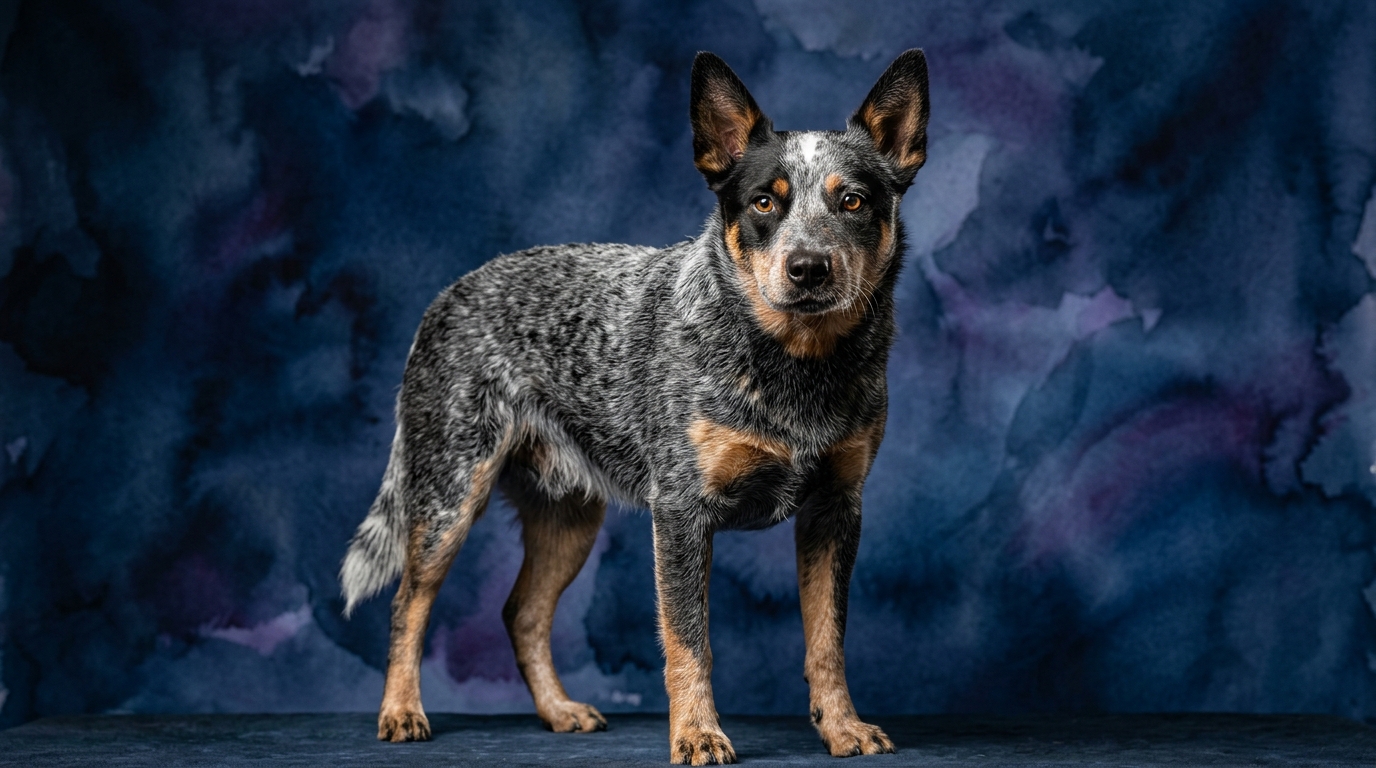
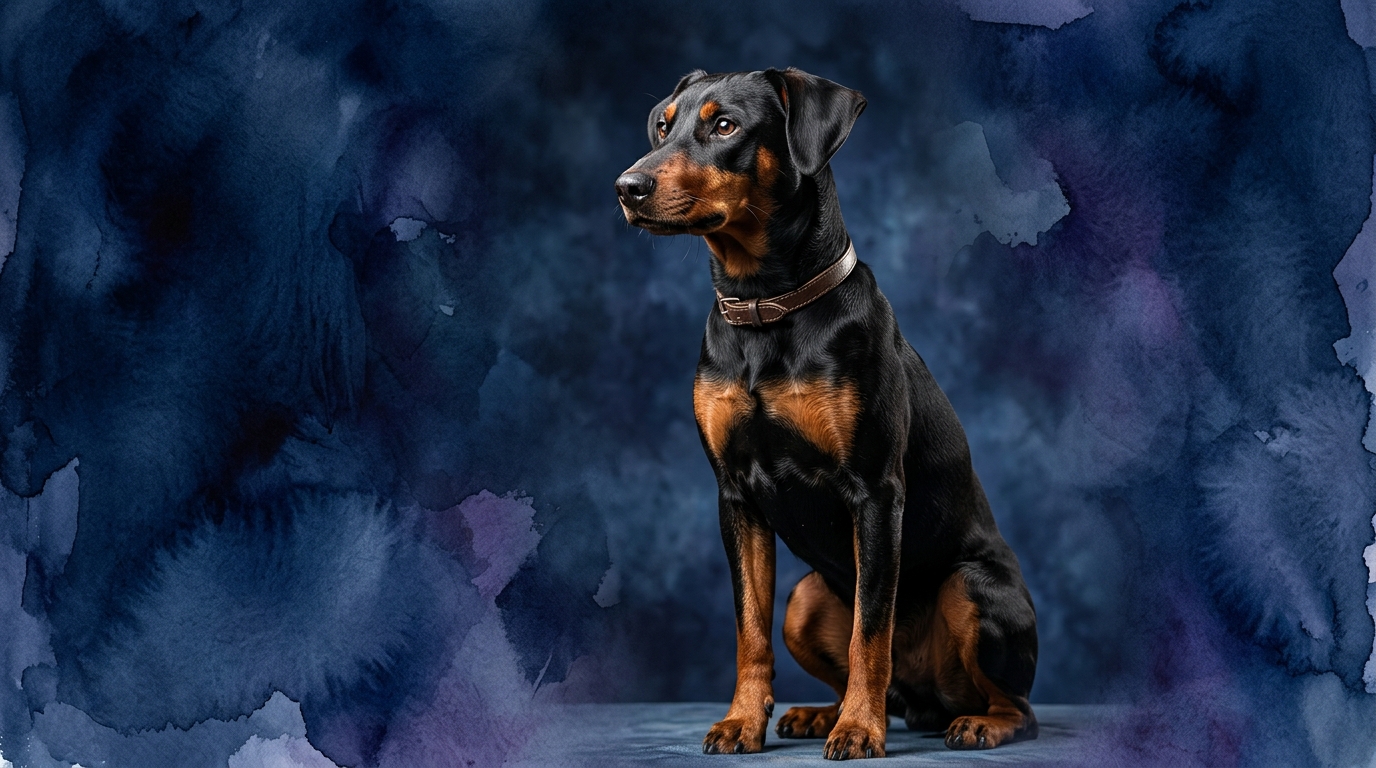
Side-by-Side IQ Profile
The Cosmic Pet Pet IQ Lab provides a detailed breakdown of cognitive abilities across five key dimensions for various breeds. For the Australian Cattle Dog (ACD) and German Pinscher (GP), these profiles illuminate their distinct mental aptitudes and potential.
**Australian Cattle Dog (ACD):** This herding breed, ranked #10 by Coren, demonstrates exceptional cognitive prowess. Their **Problem Solving (5/5)** is outstanding; they excel at analyzing novel situations and devising independent solutions, a trait crucial for managing livestock. **Training Speed (5/5)** is equally impressive, as they typically grasp commands and routines with minimal repetitions, progressing rapidly through complex tasks. Their **Social Intelligence (3/5)** suggests they form strong bonds but can be reserved with strangers, prioritizing their handler and task. An intense **Instinctive Drive (5/5)** means they possess a powerful desire for purpose and thrive on having a job, channeling high energy into focused activity. Finally, their **Memory (5/5)** is excellent, allowing them to retain learned information and complex sequences over long periods, bolstering their training efficiency.
**German Pinscher (GP):** This working breed, without a specific Coren rank, presents a balanced cognitive profile. Their **Problem Solving (3/5)** is moderate; they can navigate new challenges but may require more guidance than an ACD, approaching problems practically rather than through highly analytical thought. **Training Speed (3/5)** is also moderate; they are certainly trainable and responsive, but learning new commands typically takes a reasonable number of repetitions, requiring consistency. Similar to ACDs, their **Social Intelligence (3/5)** indicates loyalty to family but wariness of strangers, emphasizing the need for early socialization. A moderate **Instinctive Drive (3/5)** means they are active and alert, enjoying engagement without the intense, constant need for a specific "job" seen in some working breeds. Their **Memory (3/5)** functions at a moderate level, allowing them to retain commands and routines effectively, though periodic refreshers for less common tasks can be beneficial.
Where Australian Cattle Dog Wins Cognitively
The Australian Cattle Dog's cognitive profile showcases a clear advantage in areas demanding independent thought and rapid acquisition of skills. Their Problem Solving score of 5/5 highlights an exceptional capacity for figuring things out without constant human intervention, a trait honed by generations of managing livestock in vast, challenging environments. This means an ACD is more likely to assess a novel situation, such as a gate left ajar or a complex puzzle toy, and devise a solution rather than waiting for direction. Coupled with a Training Speed of 5/5, they absorb new commands and complex sequences with remarkable efficiency, often mastering tasks in a fraction of the time required by many other breeds. Their Memory, also a perfect 5/5, ensures these learned behaviors and solutions are retained long-term, building a robust cognitive library. This combination makes them particularly adept at advanced obedience, agility, or any activity requiring quick, precise responses and strategic thinking. For owners looking to push cognitive boundaries and engage in intricate training, the ACD offers unparalleled potential for cognitive partnership.
Where German Pinscher Wins Cognitively
While the German Pinscher's individual cognitive scores are generally moderate compared to the ACD, their balanced profile presents its own distinct advantages. With a consistent 3/5 across Problem Solving, Training Speed, Social Intelligence, Instinctive Drive, and Memory, the German Pinscher offers a more uniformly adaptable cognitive approach. This means they are less likely to become overly fixated on a single task or display the intense, independent drive that can sometimes challenge novice owners. Their moderate Instinctive Drive allows them to be engaged and active without the overwhelming need for a "job" that defines many working breeds, making them versatile companions for various activities. Their balanced Social Intelligence means they can be reserved but are not typically prone to the intense aloofness or over-excitement seen in some extremes, adapting well to a predictable family environment. The German Pinscher's cognitive strength lies in its practical, well-rounded nature, providing a cooperative and manageable intelligence that integrates smoothly into diverse household dynamics without requiring constant, high-level mental stimulation to prevent frustration.
Which is Easier to Train and Why
Based on their respective IQ profiles, the Australian Cattle Dog is demonstrably easier to train in terms of speed and complexity. Their 5/5 Training Speed means they absorb new commands and concepts with remarkable swiftness, often requiring only a few repetitions to solidify a behavior. This is further amplified by their 5/5 Problem Solving and Memory, allowing them to generalize learned skills and recall them reliably. For instance, teaching an ACD a multi-step retrieve or a complex agility sequence would likely progress at an accelerated pace, as they quickly grasp the underlying patterns and retain the instructions. Conversely, the German Pinscher, with a 3/5 Training Speed, will learn, but at a more deliberate pace. They require more consistent repetition and patience to master new behaviors. While capable of learning advanced tasks, the process will typically be longer and demand more consistent reinforcement from the handler. An ACD's strong herding drive also means they often seek direction and purpose, making them naturally inclined to engage in training as a fulfilling activity, whereas a GP might require more motivational variety to maintain focus over extended sessions.
Which Suits Active Owners vs Relaxed Owners
The Australian Cattle Dog is unequivocally suited for highly active owners who can meet their substantial physical and mental stimulation needs. Their 5/5 Instinctive Drive means they possess a relentless desire for activity and purpose. Owners who enjoy hiking, running, dog sports like agility or flyball, or who can provide a "job" such as herding or advanced obedience, will find the ACD a perfect match. A relaxed owner, unable to provide hours of engagement daily, would likely find an ACD becoming restless, potentially exhibiting undesirable behaviors born from boredom and unfulfilled drive. The German Pinscher, with its 3/5 Instinctive Drive, offers a more adaptable energy level. They are active dogs who enjoy regular exercise, walks, and playtime, but their needs are generally less intense and sustained than an ACD's. They can thrive with owners who enjoy daily walks, occasional runs, and interactive play sessions, without the requirement for constant, high-octane engagement. For owners seeking a companion that is energetic but also content to relax after a good outing, the German Pinscher presents a more balanced lifestyle fit.
The Verdict
Choose the Australian Cattle Dog if you are an experienced, highly active individual or family seeking a dedicated working partner for advanced training, dog sports, or a demanding "job," appreciating a sharp, independent mind.
Opt for the German Pinscher if you desire an alert, active companion with a balanced cognitive profile, suitable for a moderately active lifestyle and consistent, patient training in a family setting.
🧠 Find Your Pet's IQ Score
Our Pet IQ Lab assessment covers 25+ tests across 5 cognitive dimensions — personalized to your breed.
Take the Full IQ Test →Frequently Asked Questions
Do Australian Cattle Dogs require a lot of mental stimulation?
Absolutely. With a 5/5 in Problem Solving and Instinctive Drive, Australian Cattle Dogs thrive on mental challenges and purposeful activities. Without sufficient engagement, they can become bored and channel their energy into less desirable behaviors, so daily mental exercise is crucial.
Are German Pinschers good family dogs with children?
German Pinschers can be excellent family dogs, especially with proper socialization from a young age. Their moderate social intelligence means they are loyal to their family but can be reserved with strangers, so supervised interactions and teaching children how to interact respectfully are important for a harmonious home.
How do their social intelligence scores impact owner interaction?
Both breeds score 3/5 in social intelligence, suggesting they form strong bonds with their primary family but may not be overtly gregarious with outsiders. This means owners can expect a loyal, focused companion within their immediate circle, but should prioritize early and consistent socialization to ensure appropriate behavior in diverse social settings.