Side-by-Side IQ Profile: Herder vs. Guardian
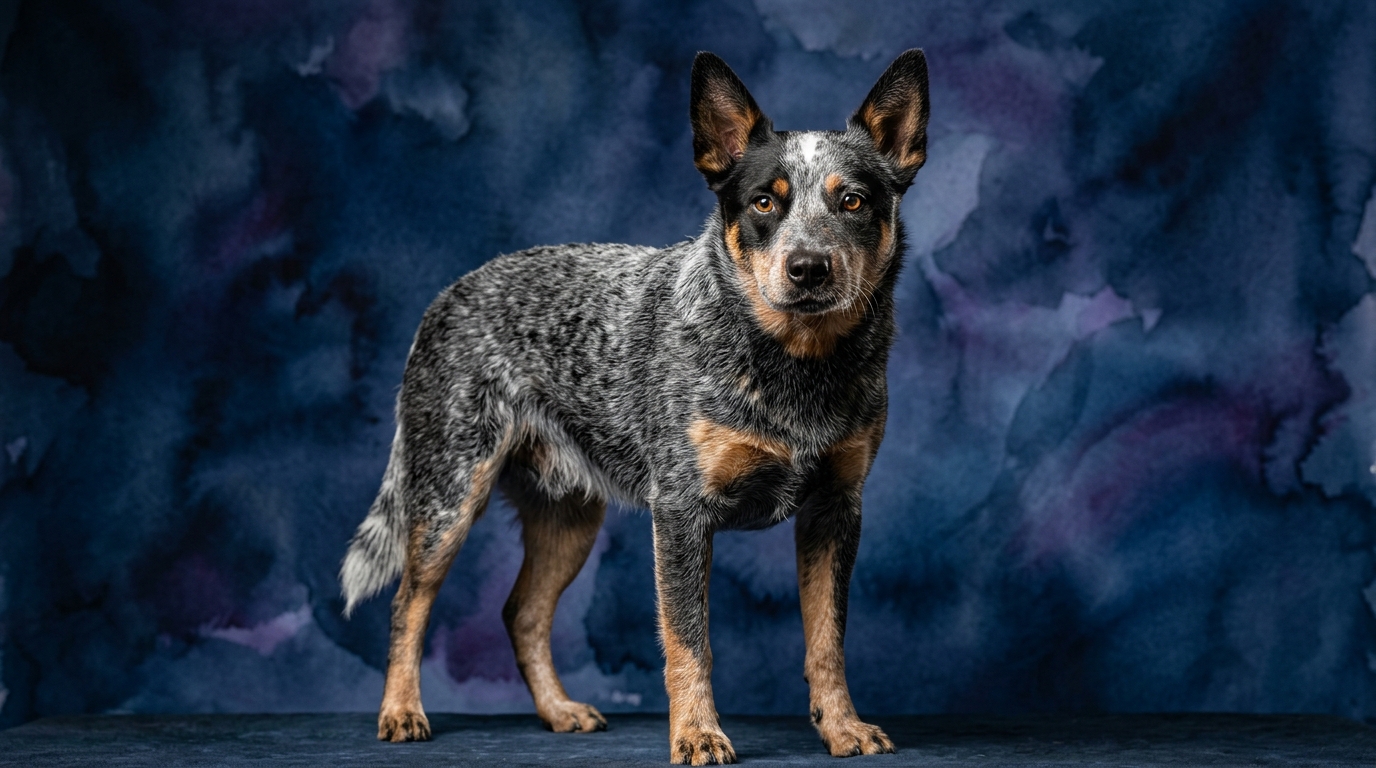
**Australian Cattle Dog (Coren Rank #10)**: This herding specialist demonstrates a formidable cognitive profile. Its Problem Solving at 5/5 signifies an exceptional capacity to independently assess complex situations, strategize, and adapt solutions, a trait honed by managing livestock across varied terrains without constant human direction. Training Speed, also 5/5, reflects an astonishing ability to grasp new commands and multi-step sequences with minimal repetition, making them highly receptive to advanced obedience and intricate tasks. Social Intelligence, rated 3/5, indicates they understand human cues and form deep bonds with their family, yet they often exhibit an independent streak, prioritizing the task at hand over overt people-pleasing. An Instinctive Drive of 5/5 reveals an intense, unwavering desire to work, chase, and control movement, a powerful internal motivation. Finally, their Memory, a perfect 5/5, ensures they retain commands, routines, and past experiences with remarkable precision, building a comprehensive understanding of their environment and expectations.
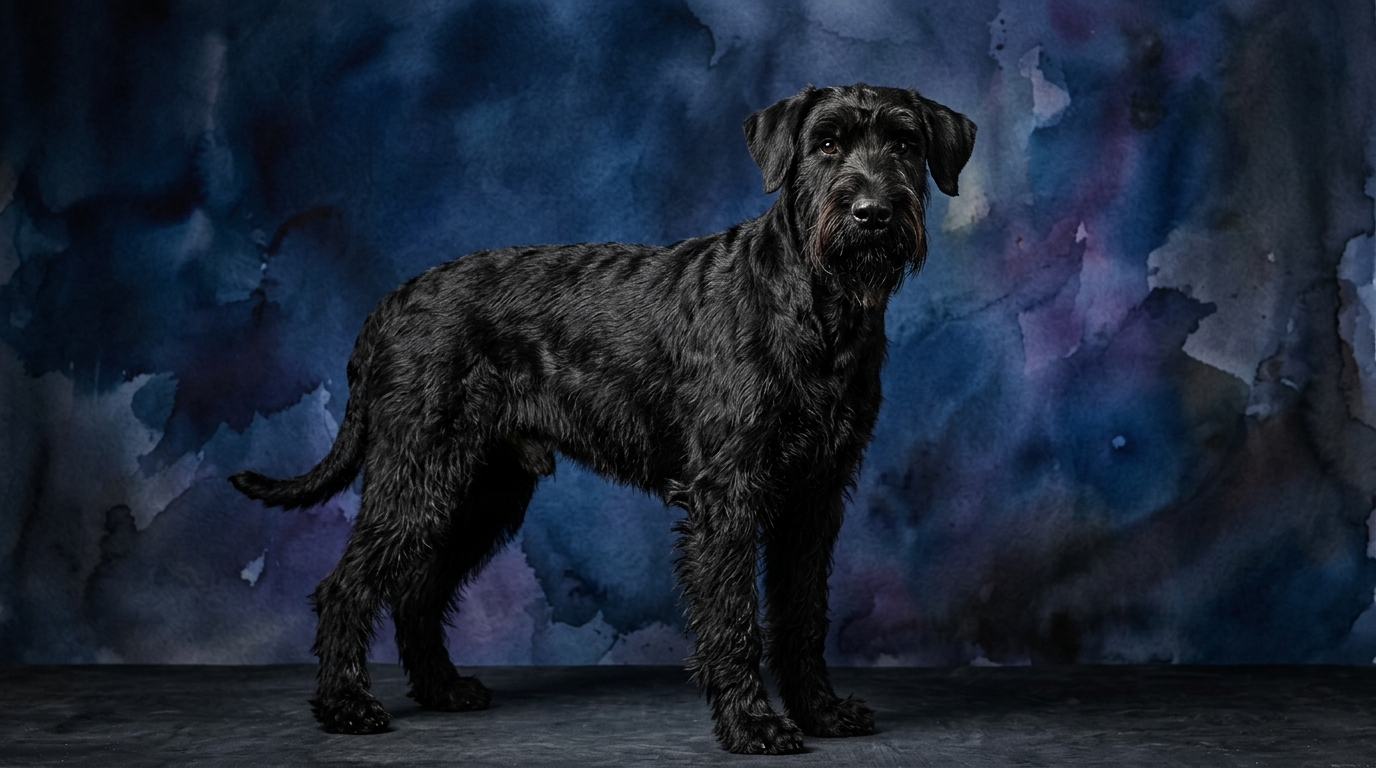
**Giant Schnauzer (Coren Rank #28)**: As a dedicated working breed, the Giant Schnauzer presents a robust and purposeful intelligence. Their Problem Solving capability, rated 4/5, indicates proficiency in navigating challenges and learning from experience, typically thriving with structured guidance to master new scenarios. Training Speed, also 4/5, means they learn efficiently and reliably, though they may benefit from consistent repetition to solidify new behaviors compared to the lightning-fast uptake of some breeds. Social Intelligence, matching the ACD at 3/5, highlights their perceptive nature towards their handlers and family, fostering strong, loyal attachments while maintaining a reserved demeanor towards strangers. An Instinctive Drive of 3/5 signifies a substantial working drive focused on tasks like guarding, protection, and companionship, rather than the intense herding impulses. Their Memory, at 4/5, ensures they reliably recall learned behaviors, commands, and past interactions, contributing to their dependable nature.
Where the Australian Cattle Dog Wins Cognitively
The Australian Cattle Dog's cognitive strengths are particularly evident in its almost unparalleled combination of problem-solving prowess and rapid learning. With a 5/5 in Problem Solving, this breed doesn't just follow instructions; it actively interprets, anticipates, and often improvises solutions in dynamic environments, a critical skill for managing a scattered flock or navigating unexpected obstacles. This isn't abstract intelligence; it's practical, on-the-hoof strategic thinking. Their 5/5 Training Speed is a testament to their neural efficiency, allowing them to absorb complex commands and intricate routines with startling ease, transforming novice handlers into seasoned competitors in dog sports in what seems like record time.
Furthermore, the ACD's 5/5 Instinctive Drive isn't merely high energy; it's a deeply ingrained purpose that fuels their cognitive engagement. This drive channels their mental faculties towards productive work, making them relentless in pursuing a task and highly motivated by challenge. Coupled with their 5/5 Memory, they not only learn quickly but retain vast amounts of information – from the layout of a trial course to the specific behaviors of individual livestock – building a rich mental database that informs their future actions and decisions. This comprehensive cognitive toolkit makes them exceptional at tasks requiring sustained mental effort, adaptability, and an unwavering commitment to a goal.
Where the Giant Schnauzer Wins Cognitively
While the Giant Schnauzer’s cognitive profile differs from the ACD’s, it demonstrates distinct strengths that make it an equally formidable and capable companion. Its 4/5 Problem Solving reflects a methodical, deliberate approach to challenges. This isn't the rapid, improvisational problem-solving of a herding dog, but rather a thoughtful process, where the Schnauzer often relies on learned patterns and careful observation to navigate new situations. This makes them excellent candidates for tasks requiring sustained focus and a clear understanding of boundaries and procedures, such as protection work or advanced obedience routines where precision is paramount.
The Giant Schnauzer's 3/5 Social Intelligence, on par with the ACD, manifests in a nuanced understanding of their human family, fostering profound loyalty and a protective instinct without being overly effusive. They are perceptive of their handler's moods and expectations, making them responsive partners once a strong bond is established. Their 3/5 Instinctive Drive, while not as intensely focused on herding, is a powerful force for guarding, protection, and companionship. This drive translates into a steadfast determination and a willingness to engage in purposeful activities, making them highly motivated for tasks that involve vigilance, strength, and a clear job to do. Their 4/5 Memory supports this, allowing them to consistently recall their training and duties, ensuring reliability in their assigned roles. The Giant Schnauzer excels in roles where resilience, loyalty, and a deliberate, focused work ethic are valued above lightning-fast, independent decision-making.
Which is Easier to Train and Why
Determining "easier" depends heavily on the handler's style and goals. The Australian Cattle Dog, with its 5/5 Training Speed, absorbs new commands at an astonishing pace, often seeming to anticipate what's expected. Their high instinctive drive (5/5) means they are inherently motivated to work and respond to direction, provided that direction satisfies their need for purpose. However, this same drive, combined with their 5/5 Problem Solving, can lead to a dog that, if not consistently challenged or given a clear role, will "self-employ," creating its own tasks – which might include herding children or furniture, or finding creative ways to open gates. This independence means training an ACD requires not just teaching commands, but also channeling their formidable intellect and drive into acceptable outlets, demanding a handler who is always a step ahead.
The Giant Schnauzer, with a 4/5 Training Speed, is still a very capable learner but might require more repetition to cement new behaviors. Their 4/5 Problem Solving means they can certainly figure things out, but they often benefit from more explicit guidance and structured practice, rather than being expected to improvise as readily as an ACD. Their 3/5 Instinctive Drive is strong enough to motivate them for work but less overwhelming, potentially making them more amenable to consistent, patient training without constantly trying to outthink the handler. For an owner who values a structured approach, consistency, and a dog that thrives on clear expectations, the Giant Schnauzer might feel "easier" because its learning curve, while slower, is often more predictable and less prone to independent deviations. Ultimately, both require dedicated training, but the ACD demands a handler who can match its mental agility, while the GS thrives with a handler who provides clear, consistent direction.
Which Suits Active Owners vs. Relaxed Owners
The Australian Cattle Dog is unequivocally a companion for the highly active owner. Its 5/5 Instinctive Drive and 5/5 Problem Solving demand a life filled with purpose and rigorous engagement. These dogs thrive when they have a "job," whether it's herding livestock, excelling in agility, participating in flyball, or accompanying their owner on long, strenuous hikes and runs. A relaxed owner who cannot provide consistent, high-intensity physical exercise and complex mental puzzles will find an ACD quickly becomes bored, restless, and potentially destructive, inventing its own entertainment which can include nipping at moving feet, excessive barking, or dismantling household items. Their need for stimulation is profound and non-negotiable.
The Giant Schnauzer also requires an active owner, but their activity needs manifest differently. While they need daily exercise to maintain their powerful physique and mental equilibrium, their 3/5 Instinctive Drive is less about constant motion and more about purposeful engagement and vigilance. They excel with owners who can provide structured training, protection work, long walks, or interactive play sessions that challenge their intellect and physical strength. They appreciate routine and thrive when given a clear role within the family unit. While not a couch potato, a Giant Schnauzer might tolerate an occasional less active day better than an ACD, provided their overall needs for consistent activity, mental engagement, and a sense of purpose are met. They are not suited for truly relaxed, sedentary owners, but their activity requirements are often more focused and less frenetic than the relentless drive of an Australian Cattle Dog.
The Verdict
Choose the Australian Cattle Dog if you are an experienced, highly active owner eager for a canine partner that thrives on complex problem-solving, rapid learning, and intense work, capable of excelling in demanding dog sports or working roles.
Opt for the Giant Schnauzer if you seek a steadfast, protective companion with a robust work ethic, valuing deliberate training, strong family bonds, and a commitment to structured activities that engage both mind and body.
🧠 Find Your Pet's IQ Score
Our Pet IQ Lab assessment covers 25+ tests across 5 cognitive dimensions — personalized to your breed.
Take the Full IQ Test →Frequently Asked Questions
Is the Australian Cattle Dog too clever for a first-time owner?
While exceptionally quick to learn, the Australian Cattle Dog's intense drive and independent problem-solving require consistent, experienced guidance to channel their abilities constructively. A first-time owner would need to be highly dedicated to training and providing ample mental and physical stimulation to manage this breed effectively.
How do their social intelligences impact family life?
Both breeds score 3/5 in social intelligence, meaning they understand human cues but aren't overtly people-pleasers. The Australian Cattle Dog forms strong bonds with its core family but can be reserved with strangers, while the Giant Schnauzer is devoted to its family and protective, often taking time to warm up to outsiders but fiercely loyal.
Which breed requires more daily mental stimulation?
The Australian Cattle Dog, with its 5/5 problem-solving and instinctive drive, generally requires more intense and varied daily mental stimulation to prevent boredom and destructive behaviors. The Giant Schnauzer also needs mental engagement, but its needs are often met through structured training and purposeful activities rather than constant, high-intensity, self-directed problem-solving.