Side-by-Side IQ Profile: Herding Acumen vs. Olfactory Prowess
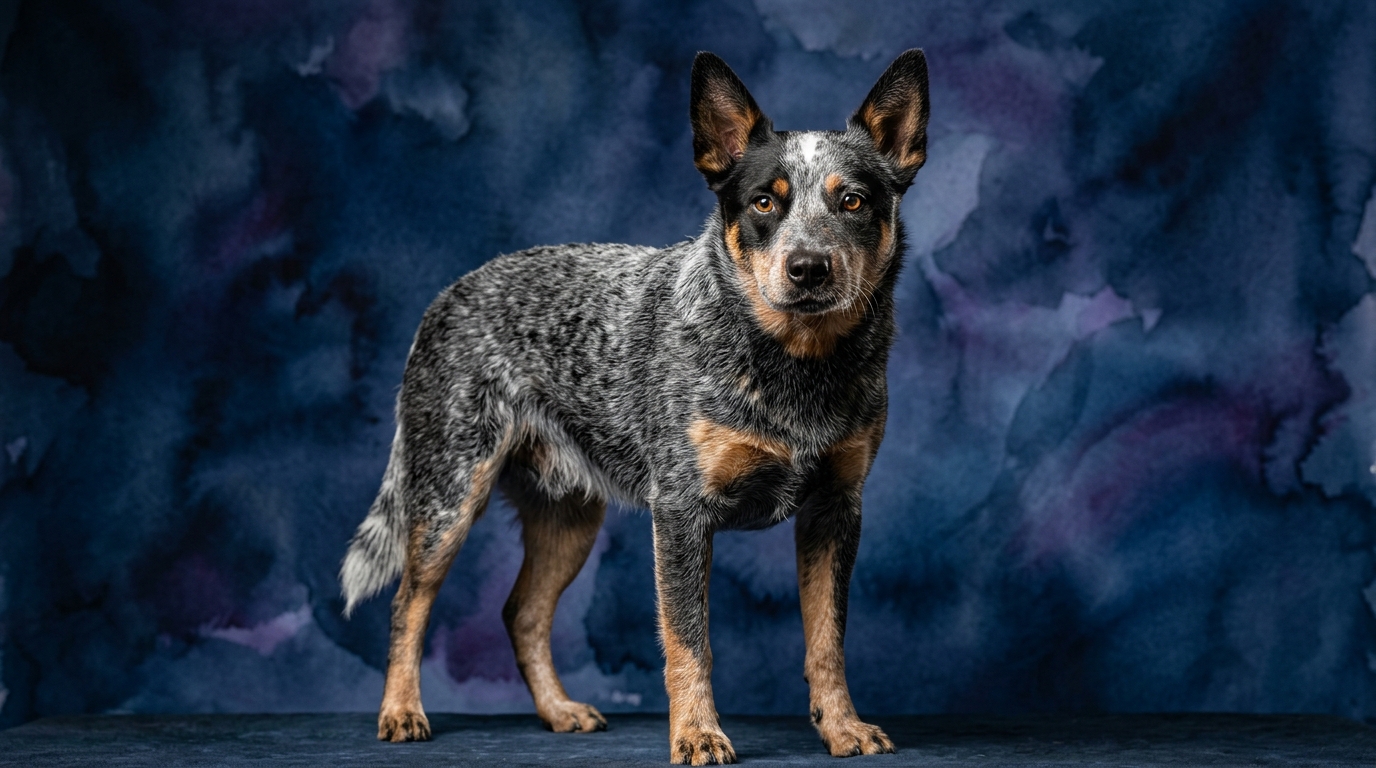
The Cosmic Pet Pet IQ Lab provides a unique lens through which to understand the cognitive strengths of these two distinct breeds. The Australian Cattle Dog, a Herding Group member, boasts a Coren rank of #10, placing it among the top echelons for working and obedience intelligence. Its profile highlights a remarkable capacity for Problem Solving (5/5), indicating an aptitude for independent thought and strategic action, crucial for managing livestock. This breed's Training Speed (5/5) is equally impressive, reflecting its ability to quickly grasp and execute complex commands, eager to engage with its handler. While its Social Intelligence registers at a moderate 3/5, this doesn't imply a lack of understanding, but rather a focused allegiance, often reserved for its primary human companions rather than a general gregariousness. The Instinctive Drive (5/5) is exceptionally strong, manifesting as an intense need for a purpose and an outlet for its herding tendencies. Finally, its Memory (5/5) is outstanding, allowing it to retain intricate routines, learned behaviors, and past experiences with precision.
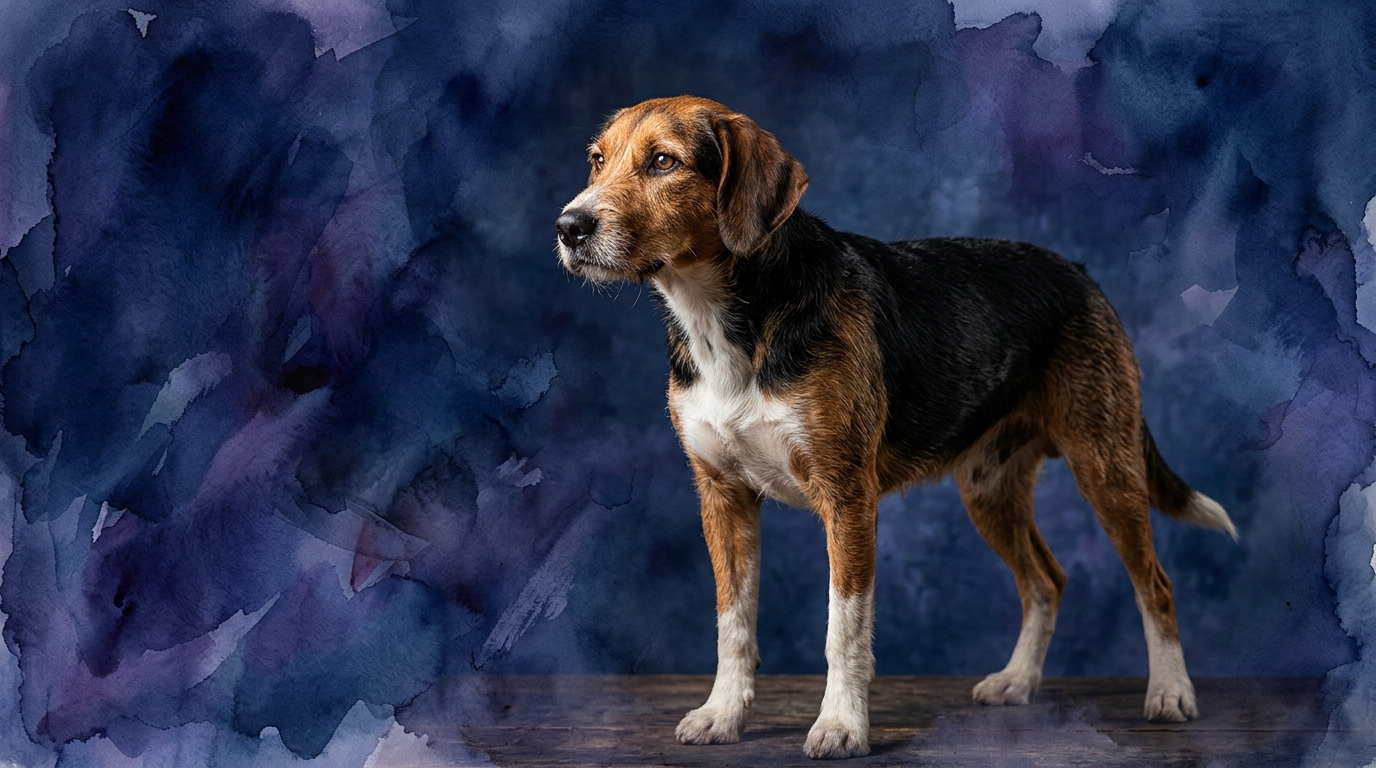
In contrast, the Harrier, a member of the Hound Group, does not appear on Coren's ranking, suggesting a different, perhaps less generalized, form of cognitive engagement. Its IQ profile shows a more balanced, moderate score across the board: Problem Solving (3/5), Training Speed (3/5), Social Intelligence (3/5), Instinctive Drive (3/5), and Memory (3/5). For the Harrier, Problem Solving at 3/5 typically revolves around navigating complex terrain or deciphering intricate scent trails rather than abstract human-devised puzzles. Its Training Speed at 3/5 means it learns at a respectable pace, though perhaps not with the same lightning-quick absorption or consistent focus as its herding counterpart, often swayed by environmental stimuli. Social Intelligence at 3/5 reflects its pack-oriented nature, capable of cooperative behavior within a group but potentially less inclined towards nuanced human-centric social engagement beyond its immediate family. The Instinctive Drive at 3/5 is strongly tied to its primary function: tracking by scent, a powerful, unwavering motivation that can overshadow other directives. Its Memory at 3/5 is perfectly adequate for recalling scent patterns and familiar routes, but may not extend to the vast repertoire of sequential commands an ACD can master.
Where the Australian Cattle Dog Wins Cognitively
The Australian Cattle Dog's cognitive architecture is a testament to its demanding role as a herding dog, granting it several distinct advantages. Foremost is its exceptional capacity for abstract problem-solving and strategic thinking. Unlike the Harrier, whose problem-solving is largely tied to sensory input (scent), the ACD excels at figuring out novel situations, adapting plans, and even anticipating outcomes. This isn't just about following commands; it's about making independent decisions to achieve a goal, like anticipating livestock movement or finding an alternative path when an obstacle arises. Their superior Training Speed (5/5) means they internalize new concepts and commands with remarkable efficiency, often requiring fewer repetitions than many other breeds. This rapid acquisition of skills, coupled with their robust Memory (5/5), allows them to build a vast and intricate behavioral repertoire. They can execute complex, multi-step sequences, demonstrating a deep understanding of cause and effect in human-directed tasks. Their high instinctive drive (5/5) fuels a persistent focus on tasks, translating into an impressive work ethic and a sustained mental engagement with their environment and handler, making them formidable partners in any activity requiring precision and quick thinking.
Where the Harrier Wins Cognitively
While the Australian Cattle Dog's strengths lie in general working intelligence, the Harrier's cognitive prowess is deeply specialized, shining brightest in its ancestral role. Its primary cognitive victory lies in its unparalleled olfactory intelligence and the associated mental stamina. The Harrier’s problem-solving (3/5) might not manifest in opening child-proof gates, but it excels at deciphering complex scent puzzles across varied terrains and conditions. This involves a sophisticated cognitive process of distinguishing individual scents, tracking faint trails, and mentally mapping a path purely by olfactory cues, often over long distances and extended periods. This specialized form of problem-solving is a testament to an intricate sensory processing system. Furthermore, their instinctive drive (3/5), while numerically lower than the ACD's generalized drive, represents an unwavering, almost meditative, focus on a scent trail once engaged. This persistence, often for hours, demonstrates a unique form of cognitive endurance. Their social intelligence (3/5) also highlights a different kind of strength: the ability to operate effectively within a pack, understanding subtle cues from fellow hounds and cooperating in a shared pursuit. This collective intelligence, though distinct from human-centric social cognition, is a vital part of their successful hunting strategy, allowing them to function as a cohesive unit.
Which is Easier to Train and Why
When it comes to ease of training, the Australian Cattle Dog generally presents a more straightforward and rewarding experience for most owners. This breed's 5/5 Training Speed means it absorbs new commands with impressive rapidity, often understanding what is expected after only a few repetitions. Their high Problem Solving (5/5) allows them to generalize learned behaviors to new contexts and even anticipate the next step in a sequence, making advanced training feel intuitive. They possess an innate desire to work and please their handler, driven by their powerful Instinctive Drive (5/5) which seeks purpose and structure. Behavioral differences are stark: an ACD will typically offer intense eye contact, respond quickly to cues, and show eagerness to engage in structured learning activities. Their memory (5/5) ensures commands, once learned, are retained effectively.
The Harrier, by contrast, presents a greater training challenge, primarily due to its lower Problem Solving (3/5) and Training Speed (3/5) scores, coupled with its specialized Instinctive Drive (3/5). While capable of learning, Harriers often require more patience, consistency, and repetition. Their world is dominated by scent, and once their nose is engaged, human commands can become secondary. This isn't a lack of intelligence, but a prioritization of their powerful olfactory senses. Behavioral differences include a tendency to be more independent, less focused on the handler when a compelling scent is present, and a willingness to follow a trail rather than a verbal cue. Training a Harrier often involves competing with the environment and finding ways to make human-directed tasks as intrinsically rewarding as following a scent. They can be trained effectively, but it demands a different approach, often requiring more creative motivation and a deeper understanding of hound psychology, where immediate obedience might be overridden by an ancient, compelling drive.
Which Suits Active Owners vs. Relaxed Owners
Neither the Australian Cattle Dog nor the Harrier is truly suited for a "relaxed" owner in the traditional sense, as both breeds possess significant energy and specific needs that demand an active lifestyle. However, the nature of that activity differs considerably.
The Australian Cattle Dog is unequivocally for the highly active owner who thrives on engagement and structure. Their 5/5 Instinctive Drive for work and 5/5 Problem Solving capability mean they require not just physical exercise, but intense mental stimulation daily. An owner for an ACD must be prepared to provide a "job," whether it's advanced obedience, agility, herding trials, or complex puzzle toys and training sessions that challenge their intellect. They excel with owners who enjoy dog sports, long hikes with a purpose, or even just consistent, varied training sessions that prevent boredom. A lack of appropriate mental and physical outlets for an ACD can quickly lead to destructive behaviors, anxiety, or excessive nipping, as their powerful cognitive engine needs a constant outlet.
The Harrier also demands an active owner, but their activity is often more about expansive exploration and scent work. Their 3/5 Instinctive Drive is specialized for tracking, meaning they need ample opportunities for long walks, runs, or off-leash time in secure, expansive areas where they can indulge their nose. While they are not as driven by complex, human-directed mental puzzles as an ACD, their physical stamina and desire to follow a trail mean they need an owner who can facilitate this natural behavior. A Harrier owner should be prepared for a dog that will want to roam, investigate every scent, and may be less interested in structured retrieves or intricate agility courses. They need an owner who appreciates a dog's independent spirit and can provide secure boundaries for their adventurous nature. A truly relaxed owner would struggle with the Harrier's need for miles of exploration and its potential to become single-minded when on a scent.
The Verdict
For owners who desire a highly engaged, intellectually driven partner capable of mastering complex tasks and thriving on consistent mental challenges, and who enjoy structured training and providing a clear purpose, the Australian Cattle Dog's exceptional problem-solving, training speed, and memory make it an unparalleled choice.
For owners who appreciate a dog with a robust independent spirit, a deep connection to its olfactory world, and a love for expansive, scent-driven exploration, and who are patient with training a hound whose primary motivation often lies in following a compelling scent, the Harrier offers a unique and rewarding companionship.
🧠 Find Your Pet's IQ Score
Our Pet IQ Lab assessment covers 25+ tests across 5 cognitive dimensions — personalized to your breed.
Take the Full IQ Test →Frequently Asked Questions
Can a Harrier be as obedient as an Australian Cattle Dog?
While a Harrier can certainly be trained, achieving the same level of consistent, rapid obedience as an Australian Cattle Dog is generally more challenging due to their strong independent, scent-driven nature. Harriers require more patience and consistency to overcome their natural inclination to follow a trail.
Do Australian Cattle Dogs make good family pets despite their herding drive?
Yes, Australian Cattle Dogs can make excellent family pets for active families who understand their need for physical and mental stimulation. Their social intelligence (3/5) means they bond closely with their immediate family, but their herding drive might manifest as nipping at heels, requiring early training and appropriate outlets.
Is a Harrier suitable for apartment living if exercised sufficiently?
While a Harrier requires significant exercise, its strong scent drive and need for expansive exploration make apartment living less ideal. They thrive in environments with secure yards or access to large, safe areas where they can indulge their natural tracking instincts, which can be difficult to replicate in an urban apartment setting.