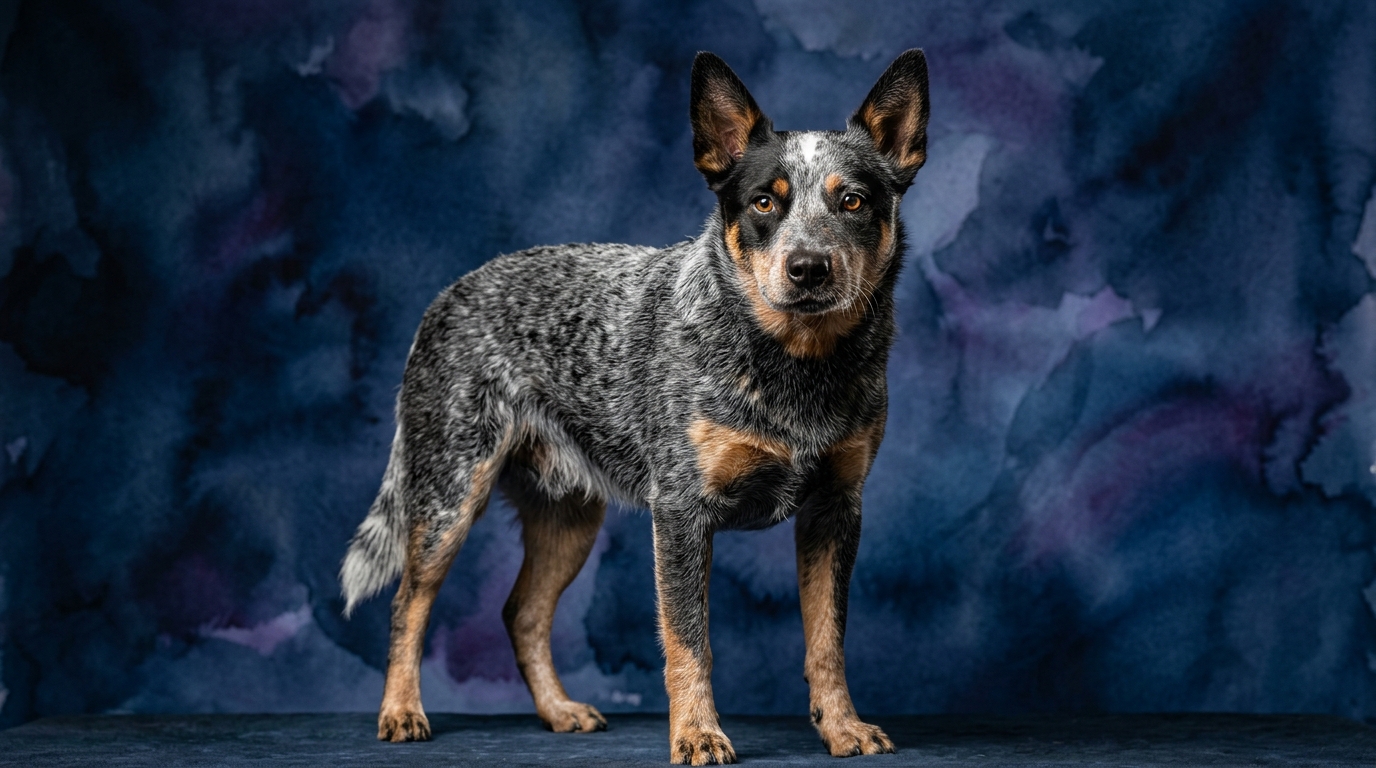
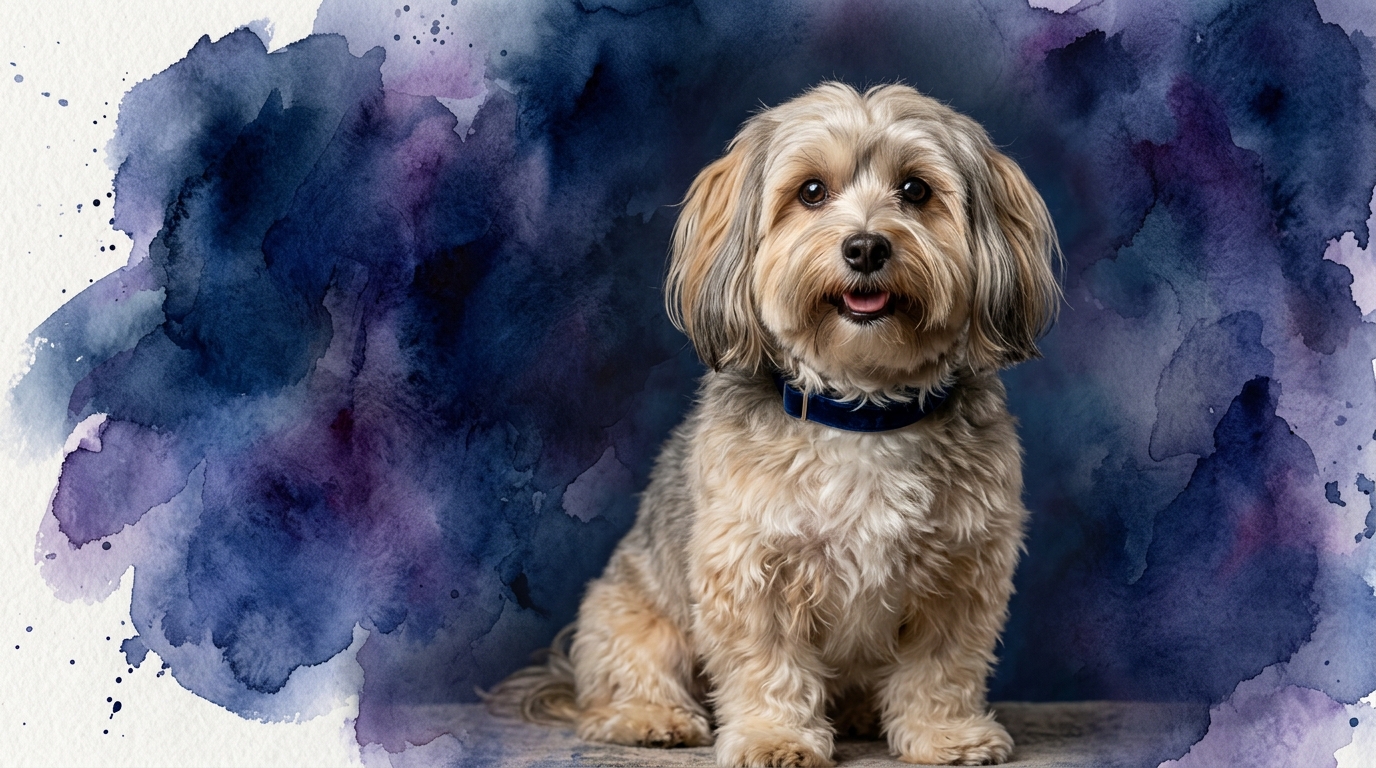
Side-by-Side IQ Profile: Australian Cattle Dog vs Havanese
The Australian Cattle Dog (ACD), with its formidable Coren rank of #10 among working breeds, embodies a cognitive profile built for rigorous tasks and independent thought. Their Problem Solving score of 5/5 reflects an exceptional capacity to navigate complex situations, strategize movement of livestock, and independently overcome environmental challenges, often without direct human instruction. This breed's Training Speed is also a perfect 5/5, indicating an uncanny ability to grasp and retain new commands and routines with minimal repetition, driven by an inherent desire to work and please their handler. Social Intelligence, rated at 3/5, suggests that while deeply loyal to their primary human, ACDs can be reserved or even aloof with strangers and other animals, focusing more on their immediate task or family unit rather than broad social engagement. Their Instinctive Drive, a commanding 5/5, highlights a powerful predisposition for herding, guarding, and sustained physical activity, underpinning their need for a “job.” Finally, their Memory, scoring 5/5, ensures they retain intricate sequences, learned behaviors, and past experiences, making them highly reliable in repetitive or multi-stage tasks.
In stark contrast, the Havanese, a breed cherished for its companion qualities and not typically featured in Coren's working intelligence rankings, presents a cognitive makeup designed for connection and adaptability within a family setting. Their Problem Solving ability, rated 3/5, indicates they can learn to solve common household puzzles and adapt to routines, but they may not exhibit the same level of independent strategic thinking as a working breed, often looking to their humans for guidance. Training Speed, also at 3/5, means they are certainly trainable, capable of learning a wide array of commands, but they might require more patience and positive reinforcement, taking a moderate amount of repetition to solidify new behaviors. The Havanese truly shines in Social Intelligence, earning a 5/5; they possess an extraordinary capacity to read human emotions, connect deeply with family members, and generally welcome interaction with new people and pets, making them adaptable social butterflies. Their Instinctive Drive, a modest 2/5, reflects a low inclination for independent work or strong predatory behaviors; their primary drive is rooted in companionship and playful interaction. Memory, rated 3/5, allows them to competently retain commands and routines relevant to their daily lives as beloved family members, though perhaps not the vast, complex sequences expected of a working dog.
Where the Australian Cattle Dog Wins Cognitively
The Australian Cattle Dog's cognitive strengths are undeniably rooted in their functional history as a working partner. Their superior problem-solving acumen shines brightest when faced with tangible, goal-oriented tasks. For instance, an ACD will instinctively assess a situation like moving a group of geese through an obstacle course, strategizing angles and pressure points, demonstrating an independent thought process far beyond simple obedience. This contrasts sharply with a Havanese, who might look to their owner for cues rather than formulating their own approach. Furthermore, the ACD's rapid training speed means they absorb complex command chains and intricate routines almost effortlessly. They can master a multi-stage agility sequence or learn a new trick involving several steps in significantly fewer repetitions than many other breeds, often driven by their intense desire to complete a task. This quick cognitive uptake allows for advanced training and participation in canine sports where precision and speed of learning are paramount.
Beyond pure learning speed, the ACD's high instinctive drive provides an enduring motivation that few breeds can match. This isn't merely a desire to please, but an intrinsic urge to perform a function, to channel their energy into purposeful activity. This drive fuels their relentless focus during long training sessions or demanding work, enabling them to maintain concentration on a task for extended periods. Their exceptional memory complements this, allowing them to recall detailed instructions and past experiences, building a robust internal database of effective strategies. An ACD remembers specific commands taught months ago and can apply them to novel situations, showcasing a profound retention of learned behaviors that underpins their reliability in working roles.
Where the Havanese Wins Cognitively
While the Australian Cattle Dog excels in task-oriented intellect, the Havanese demonstrates a different, yet equally valuable, set of cognitive strengths, primarily centered around social and emotional intelligence. Their perfect 5/5 in social intelligence is a hallmark of the breed; Havanese possess an uncanny ability to read and respond to subtle human emotional cues. They can sense when their owner is feeling down, offering gentle nudges or snuggles, or detect excitement, mirroring that energy with playful antics. This nuanced understanding of human affect allows them to integrate seamlessly into family dynamics, providing comfort and companionship in a way that a more task-focused breed might not prioritize. They are adept at adapting their behavior to different social situations, making them excellent companions for varied households, including those with children or other pets.
The Havanese also exhibits a cognitive advantage in their adaptability to diverse social environments. Their inherent friendliness and openness mean they typically welcome new people and experiences with curiosity rather than caution, which is a stark contrast to the often-reserved nature of an ACD with strangers. This high social adaptability minimizes stress in novel situations like travel, vet visits, or meeting new guests, as their cognitive framework is geared towards positive social engagement. Their desire for companionship often translates into a keen awareness of their family's whereabouts and activities, making them highly responsive to calls and invitations for interaction. This constant, gentle monitoring of their social environment is a cognitive strength that ensures they are always tuned into their human family's needs for connection and affection.
Which is Easier to Train and Why
Determining which breed is “easier” to train depends entirely on the type of training and the trainer's experience level. For owners seeking a partner for complex, high-level obedience, canine sports, or actual working tasks, the Australian Cattle Dog often presents as “easier” due to their exceptional training speed (5/5), problem-solving ability (5/5), and intense instinctive drive (5/5). An ACD doesn't just learn a command; they understand the underlying purpose and are intrinsically motivated to execute it flawlessly. Their desire for a job means they actively seek instruction and thrive on mental challenges, making them incredibly receptive to advanced training techniques. However, this ease comes with a caveat: their profound drive and cognitive capacity demand consistent, stimulating engagement. An untrained or under-stimulated ACD can channel their intelligence into destructive behaviors, such as herding children, nipping at heels, or dismantling furniture, making them challenging for a novice handler unprepared for their specific needs.
Conversely, for a relaxed owner primarily focused on basic house manners, potty training, and general good behavior in a family setting, the Havanese might feel “easier” to train, particularly due to their superior social intelligence (5/5) and strong desire to be close to their people. While their training speed (3/5) and problem-solving (3/5) are moderate, their eagerness to please and bond with their family makes them responsive to positive reinforcement and consistent routines. They are generally less prone to independent “scheming” or high-energy destructive outlets if their social needs are met. However, their lower instinctive drive means they might lack the intense focus for repetitive, high-precision tasks, potentially requiring more patience and varied approaches to keep them engaged during training sessions. A Havanese might be charmingly stubborn or easily distracted if the training isn't fun or doesn't involve their human, contrasting with an ACD's intrinsic motivation to perform.
Suitability for Active vs. Relaxed Owners
The Australian Cattle Dog is unequivocally suited for highly active owners who are prepared to integrate their dog into a demanding, stimulating lifestyle. These are not dogs content with a short daily walk and backyard play; their 5/5 instinctive drive and problem-solving intelligence necessitate vigorous physical exercise, like long runs, hikes, or swimming, coupled with extensive mental stimulation. Owners should be prepared for daily training sessions, puzzle toys, and potentially canine sports such as agility, flyball, or actual herding. Without sufficient outlets for their considerable energy and sharp minds, ACDs can become bored, anxious, and destructive, manifesting in behaviors like excessive barking, digging, or property damage. They thrive with owners who enjoy an active outdoor life and view their dog as a dedicated partner in these pursuits, someone who understands the profound commitment required by a working breed.
The Havanese, on the other hand, is an ideal fit for more relaxed owners who prioritize companionship and indoor comfort, while still providing moderate daily activity. Their lower instinctive drive (2/5) means they are generally content with daily walks, indoor playtime, and ample social interaction with their family. While they enjoy exploring and can certainly participate in dog sports at a casual level, their cognitive and physical needs are not as intense or demanding as an ACD's. Their high social intelligence (5/5) means their primary form of “work” is being a devoted companion, thriving on cuddles, lap time, and being involved in household activities. They are adaptable to apartment living, provided they receive their regular walks and mental engagement through play and gentle training. Owners who seek a charming, affectionate dog that is happy to be by their side, without the need for extreme physical or mental exertion, will find the Havanese a perfect match.
The Verdict
Choose an Australian Cattle Dog if you are an experienced dog owner with a highly active lifestyle, prepared to dedicate significant time daily to rigorous exercise, advanced training, and providing a challenging "job" for your dog.
Opt for a Havanese if you are seeking a devoted, socially adept companion dog, happy with moderate daily activity, who thrives on close family interaction and can adapt gracefully to various social settings.
🧠 Find Your Pet's IQ Score
Our Pet IQ Lab assessment covers 25+ tests across 5 cognitive dimensions — personalized to your breed.
Take the Full IQ Test →Frequently Asked Questions
Are Australian Cattle Dogs suitable for first-time dog owners?
Generally, no. Their intense drive, high energy, and need for consistent, experienced guidance make them challenging for those new to dog ownership, as they require a dedicated handler to channel their cognitive and physical needs productively.
Do Havanese bark excessively?
Havanese can be prone to barking, especially if not properly socialized or if left alone for extended periods, as their strong social intelligence makes them very attuned to their surroundings and prone to separation anxiety. Consistent training and addressing boredom can help manage this behavior.
Which breed is better with young children?
The Havanese generally excels with children due to their high social intelligence and gentle nature, making them patient and adaptable family companions. Australian Cattle Dogs, while loyal, can sometimes exhibit herding behaviors like nipping at heels, which might not be ideal for very young, fast-moving children without careful supervision and training.