Side-by-Side IQ Profile: Australian Cattle Dog vs. Irish Terrier
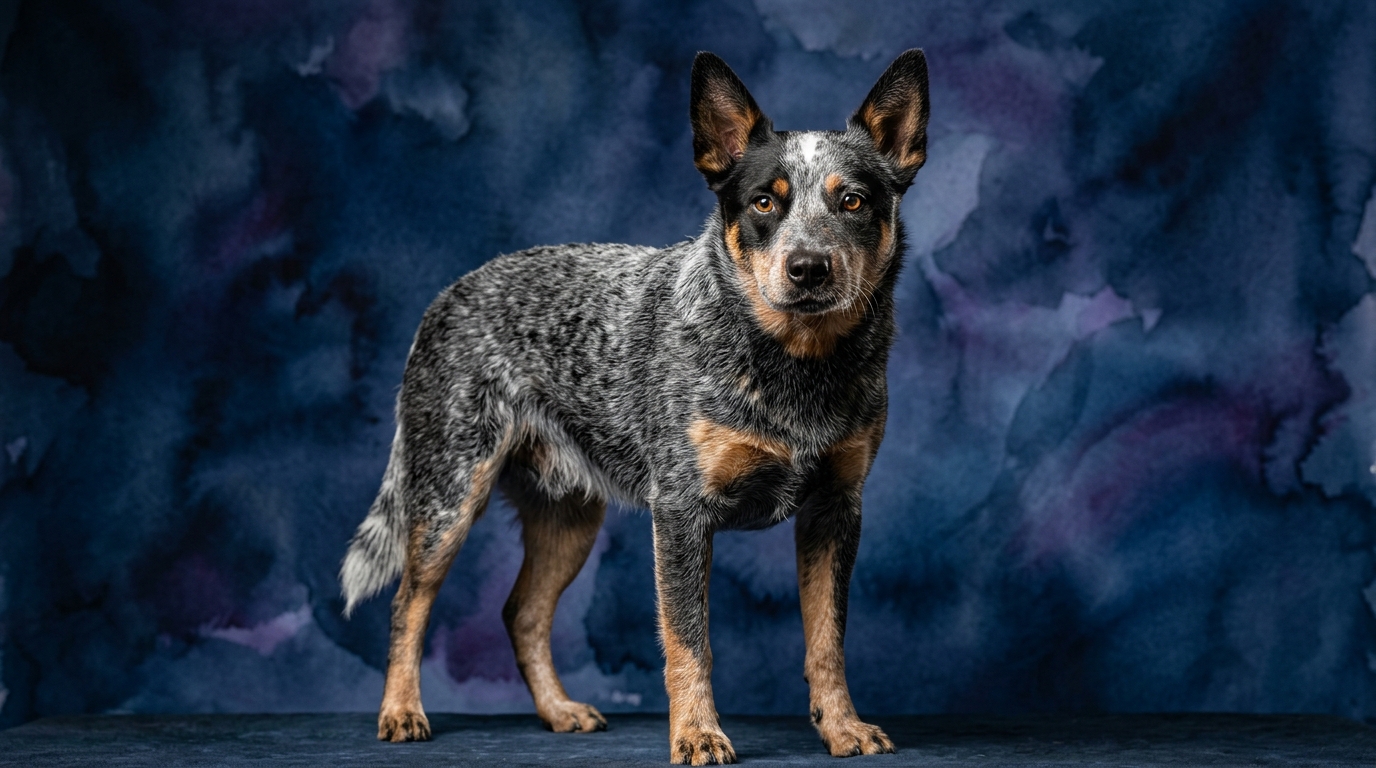
At The Cosmic Pet Pet IQ Lab, we evaluate canine intelligence across five key dimensions. For the Australian Cattle Dog, a Herding group member ranked #10 by Coren, its profile reflects its demanding working origins:
**Australian Cattle Dog:**
**Problem Solving (5/5):** These dogs excel at complex tasks, quickly figuring out intricate puzzles or novel situations. Their herding background demands rapid, independent decisions, like maneuvering a stubborn animal or navigating challenging terrain, requiring dynamic anticipation and adaptation.
**Training Speed (5/5):** The Australian Cattle Dog absorbs new commands and routines with astonishing rapidity. Their eagerness to engage and strong desire to work means they often pick up behaviors in very few repetitions, making them highly responsive learners.
**Social Intelligence (3/5):** While forming deep bonds, their social intelligence is geared more towards working dynamics. They can be reserved with strangers and might prefer a smaller, familiar social circle, dedicating intense loyalty to primary caregivers.
**Instinctive Drive (5/5):** Their profound herding drive manifests as an innate desire to organize and direct movement. This powerful instinct translates into intense focus on tasks, whether managing livestock or engaging in high-level dog sports.
**Memory (5/5):** ACDs possess outstanding memory, recalling training cues, routines, and environmental details with precision. This allows them to build complex behavioral repertoires and retain them over long periods, making them incredibly reliable partners.
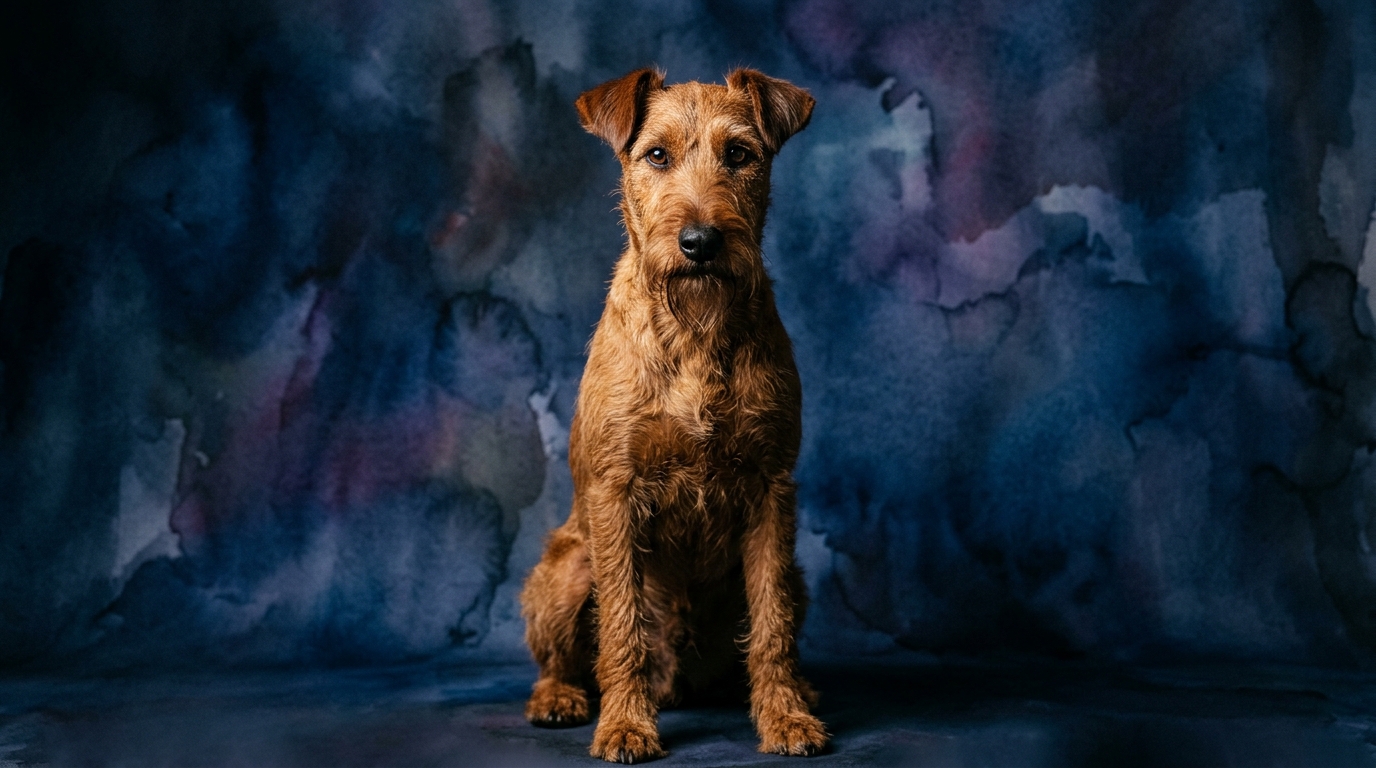
The Irish Terrier, a Terrier group member not Coren-ranked, presents a distinct cognitive makeup, reflecting its historical role as a bold, independent hunter:
**Irish Terrier:**
**Problem Solving (3/5):** The Irish Terrier approaches problems with resilient independence. Their problem-solving often involves tenacity and a 'never-give-up' attitude, particularly when pursuing a scent or navigating obstacles, persisting until a resolution is found.
**Training Speed (3/5):** These terriers learn effectively, but their independent streak means they may not always prioritize rapid compliance. They require consistent, positive reinforcement, as their learning is often mediated by their own assessment of a task's value.
**Social Intelligence (3/5):** Irish Terriers are amiable with their chosen people but can be selective in social interactions. Their social intelligence fosters strong, loyal bonds within their family unit, often displaying confident self-reliance rather than broad social pleasing.
**Instinctive Drive (3/5):** Their terrier drive to hunt, explore, and investigate manifests as a keen interest in surroundings, a propensity for digging, and enduring focus when tracking. This provides robust curiosity and tenacity.
**Memory (3/5):** Irish Terriers have a functional memory for commands and routines, especially those consistently reinforced. They recall experiences and learned behaviors, contributing to their adaptability.
Where the Australian Cattle Dog Wins Cognitively
The Australian Cattle Dog's cognitive strengths are profoundly shaped by its herding legacy, positioning it as a standout in specific intellectual domains. Its problem-solving ability, rated 5/5, isn't merely about 'being smart'; it's about dynamic, real-time decision-making. Imagine a lone ACD facing a scattered herd across challenging terrain; it must assess the environment, anticipate animal movements, and devise a strategy to gather them efficiently, often without direct human instruction. This involves spatial reasoning, predictive thinking.
Their 5/5 training speed is a direct consequence of this cognitive agility, coupled with an intense desire to collaborate. They don't just learn commands; they internalize the intent behind them, allowing for rapid generalization of skills to new contexts. Their 5/5 instinctive drive is a finely tuned focus allowing sustained concentration on complex tasks, filtering distractions. This drive, combined with their 5/5 memory, means they build vast repertoires of learned behaviors and operational procedures, recalling intricate sequences and adapting them as needed, making them exceptional partners in structured, demanding work.
Where the Irish Terrier Wins Cognitively
While the Irish Terrier's scores might appear modest compared to the ACD's, its cognitive profile represents a different kind of operational intelligence, one perfectly suited to its terrier role. Their problem-solving (3/5) is characterized by an enduring tenacity and independence. Rather than seeking the most elegant solution, an Irish Terrier excels at brute-force persistence, applying relentless effort and inventive techniques until objectives are met. This signifies unwavering determination and a practical, hands-on approach to challenges.
Their 3/5 social intelligence, while not geared towards broad social pleasing, fosters a deep, singular loyalty and a robust self-confidence, allowing them to navigate new situations with an unshakeable inner compass. They are less prone to anxiety about social hierarchies and more focused on their immediate, trusted circle. Their instinctive drive (3/5) is a powerful engine of exploration and investigation, making them incredibly aware of surroundings and adept at scent work—a practical intelligence often overlooked. This breed's 'wins' lie in its spirited resilience, its independent thought, and its unwavering pursuit of its goals, even if those goals differ from a herding dog's.
Which is Easier to Train and Why
The Australian Cattle Dog (ACD) is considerably easier to train conventionally, due to its unparalleled training speed (5/5) and profound instinctive drive (5/5). An ACD approaches training as a partnership, eager to engage, understand, and execute tasks. Their herding background instills a deep desire for structure and purpose, making them receptive to commands and quick to generalize learned behaviors. They thrive on mental challenges and view training as an opportunity to work and bond, absorbing new cues in very few repetitions.
Conversely, the Irish Terrier, with its 3/5 training speed, presents a different training dynamic. While capable of learning, their terrier independence means they aren't inherently driven to please in the same way. An Irish Terrier might understand a command perfectly but weigh its personal relevance or current interest before complying. This isn't a lack of intelligence, but a strong sense of self-will. Training an Irish Terrier requires immense patience, consistency, and a highly motivating, positive reinforcement approach to convince them that cooperation is the most rewarding path. Their occasional stubbornness, a manifestation of independent problem-solving and self-reliance, makes them more challenging for first-time trainers seeking rapid obedience.
Which Suits Active Owners vs. Relaxed Owners
The choice between these two breeds hinges significantly on an owner's lifestyle and energy levels, though neither is suited for truly relaxed, sedentary living. The Australian Cattle Dog is unequivocally for highly active owners. Its 5/5 instinctive drive and high cognitive demands mean it requires not just physical exercise, but constant mental stimulation through structured work, advanced training, or demanding dog sports like agility, herding, or flyball. A bored ACD can quickly become a destructive or overly vigilant one, channeling its intense energy and problem-solving into undesirable behaviors. They thrive with owners who can commit to daily, rigorous engagement.
The Irish Terrier, while also active, suits owners who are consistently active but perhaps less focused on structured, high-intensity 'work'. Their 3/5 instinctive drive manifests as a love for exploration, long walks, vigorous play, and engaging in scent-driven activities. They need regular exercise and mental engagement to prevent boredom, but their needs are often met with varied outdoor adventures and interactive play rather than continuous high-level training. They appreciate a lively household and an owner who understands their independent, spirited nature, offering companionship and fun without necessarily demanding the same level of disciplined partnership as an ACD.
The Verdict
Choose the Australian Cattle Dog if you are a highly experienced, active owner seeking a driven, intensely trainable partner for demanding dog sports, complex tasks, or a working role, thriving on a structured, mentally stimulating lifestyle.
Opt for the Irish Terrier if you appreciate a spirited, independent, and tenacious companion for varied outdoor adventures, value robust loyalty, and are prepared for consistent, patient training with a dog that thinks for itself.
🧠 Find Your Pet's IQ Score
Our Pet IQ Lab assessment covers 25+ tests across 5 cognitive dimensions — personalized to your breed.
Take the Full IQ Test →Frequently Asked Questions
Are Australian Cattle Dogs good family pets despite their lower social intelligence score?
Yes, absolutely. While their social intelligence (3/5) means they might be reserved with strangers and prefer a smaller social circle, they form incredibly strong, loyal bonds with their immediate family, often being very protective and affectionate towards their chosen people.
Does the Irish Terrier's independent nature make them difficult to live with?
Their independence requires an owner who appreciates a dog with a strong personality and is prepared for consistent training. While they might not always be instantly compliant, their loyalty and spirited nature make them engaging companions for those who understand and respect their self-reliant character.
What specific activities best harness the instinctive drive of each breed?
For the Australian Cattle Dog, activities like herding trials, agility, flyball, or advanced obedience harness their 5/5 drive for structured work and problem-solving. The Irish Terrier's 3/5 instinctive drive is best channeled through earthdog trials, scent work, long hikes, and vigorous interactive play that allows for exploration and investigation.