Side-by-Side Cognitive Profile
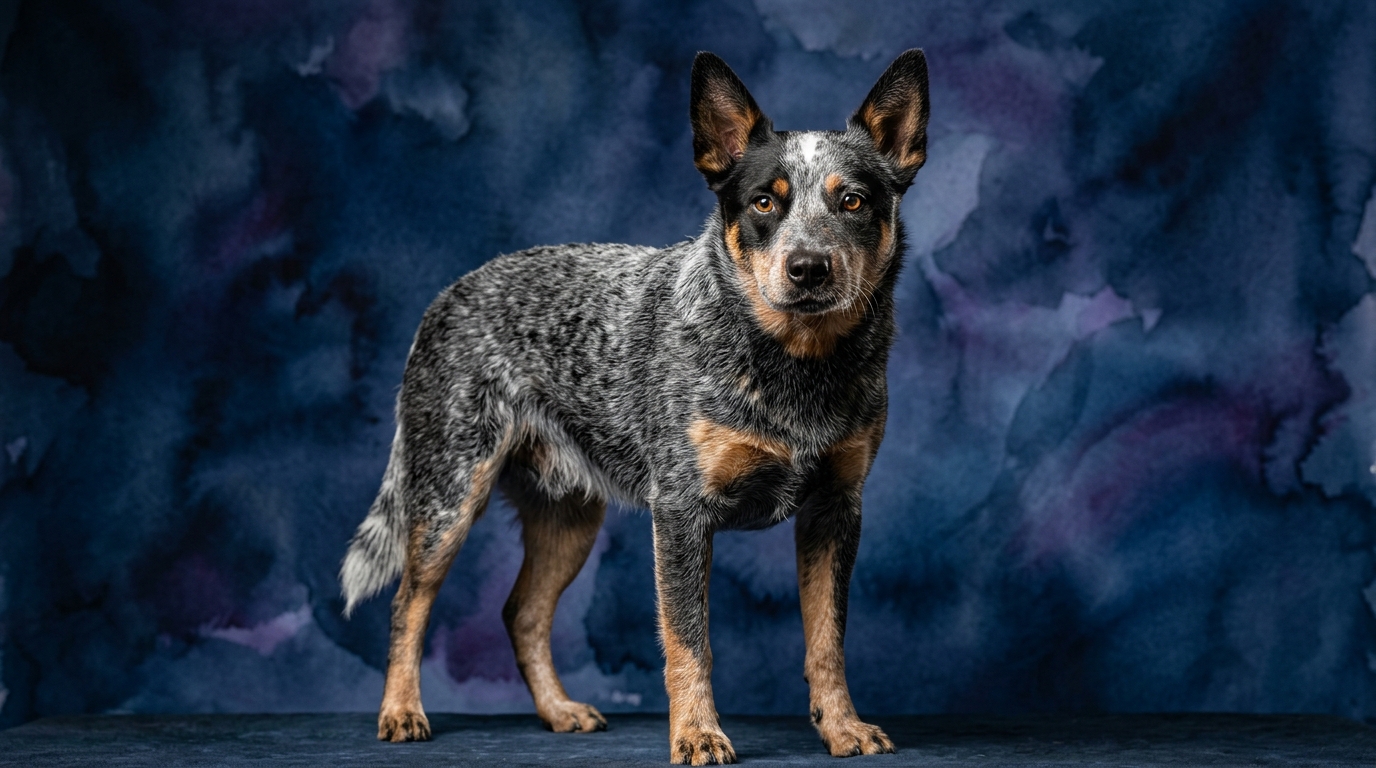
The Australian Cattle Dog (ACD), a Herding group member, boasts a Coren rank of #10, placing it among breeds that consistently demonstrate rapid learning and obedience in working contexts. Its cognitive profile is marked by exceptional scores across several dimensions: problem Solving at 5/5, training Speed at 5/5, instinctive Drive at 5/5, and memory at 5/5. Social Intelligence for the ACD registers at 3/5. These scores paint a picture of a dog built for complex, sustained work, capable of understanding and executing intricate commands with remarkable precision and retention. Their high problem-solving ability means they don't just follow orders; they can adapt strategies to achieve a goal, often thinking several steps ahead.
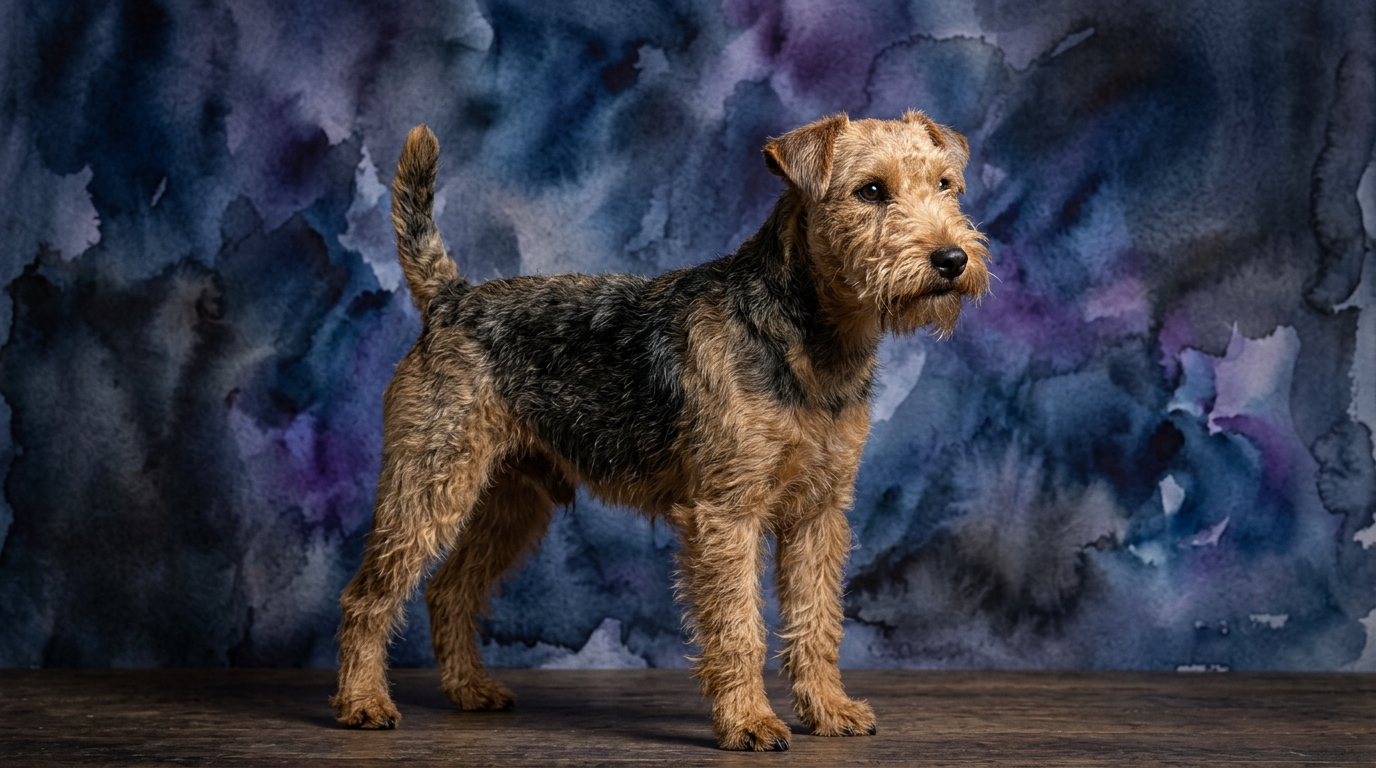
The Lakeland Terrier, a Terrier group member, does not appear on Coren's ranking, which often focuses on breeds with established working roles in obedience trials. Its cognitive scores are consistently moderate across the board: problem Solving at 3/5, training Speed at 3/5, social Intelligence at 3/5, instinctive Drive at 3/5, and memory at 3/5. This profile suggests a capable, adaptable dog with a balanced set of intellectual tools. While not exhibiting the same rapid-fire learning or intricate problem-solving as the ACD, the Lakeland Terrier possesses enough cognitive capacity to navigate its environment, learn necessary commands, and engage with its human companions effectively. Their instinctive drive, while not as singularly focused as a herding dog's, reflects their terrier heritage of independent hunting and exploration.
Where the Australian Cattle Dog Excels Cognitively
The Australian Cattle Dog's cognitive strengths are undeniably rooted in its history as a working partner, specifically in problem Solving (5/5) and training Speed (5/5). These dogs exhibit a profound capacity for analytical thought, quickly assessing situations and devising effective solutions to obstacles, whether it's navigating a complex agility course or figuring out how to open a child-proof gate. Their ability to rapidly acquire and internalize new information is exceptional; they can grasp complex command sequences and abstract concepts far quicker than many other breeds. This isn't just about repetition; it's about understanding the underlying principles of a task, allowing them to generalize learned behaviors to novel situations.
Furthermore, the ACD's perfect score in memory (5/5) means they retain these learned behaviors and command sets over extended periods, requiring less refreshing than breeds with lower memory scores. This strong recall, combined with their potent instinctive Drive (5/5) for work and purpose, makes them extraordinarily reliable in performing tasks, even under distracting conditions. Their instinctive drive isn't just about herding; it's a deep-seated need to have a job, to apply their intellect and physical prowess to a meaningful activity. This internal motivation fuels their focus and persistence, allowing them to maintain concentration on a task until it's completed, a cognitive trait that sets them apart significantly.
Where the Lakeland Terrier's Cognition Shines
While the Lakeland Terrier's cognitive scores are more moderate, their strengths lie in a different kind of operational intelligence. Their problem Solving at 3/5, combined with their instinctive Drive at 3/5, equips them with a practical, tenacious approach to challenges. Unlike the ACD's strategic planning, the Lakeland often excels through persistent trial-and-error and a robust, independent spirit. When faced with a puzzle, they might not immediately deduce the most efficient path, but they will explore various options with an unwavering determination characteristic of their terrier lineage. This makes them resourceful in navigating their surroundings and handling unexpected situations without constant human direction, a valuable trait for a dog originally bred for independent hunting.
The Lakeland Terrier's social Intelligence, also at 3/5, suggests a balanced interaction style. They are generally affectionate and engaged with their immediate family, capable of forming strong bonds and understanding household routines. However, this 3/5 score also points to a certain independence; they aren't typically driven by an overwhelming desire to please or to constantly seek human approval. This allows them to make their own decisions in certain contexts, exhibiting a self-reliance that some owners find charming and practical. Their moderate memory (3/5) means they will remember commands and routines, but perhaps not with the same intricate detail or long-term retention as an ACD, requiring consistent, positive reinforcement to solidify learning.
Ease of Training: A Tale of Two Temperaments
When it comes to training, the cognitive profiles of these two breeds lead to distinctly different experiences. The Australian Cattle Dog, with its 5/5 training Speed and 5/5 memory, is generally considered far easier to train for complex tasks and obedience. They pick up new commands with remarkable speed, often understanding the intent after just a few repetitions. Their high instinctive Drive means they genuinely desire to work and engage in structured activities, making them highly motivated students. An ACD thrives on consistency, clear communication, and the mental challenge of learning intricate sequences, such as those found in herding, agility, or advanced obedience. Their tendency to 'think' about a task means they can often anticipate the next step, making them proactive partners in training.
In contrast, the Lakeland Terrier, with its 3/5 training Speed and 3/5 memory, requires a more patient and nuanced approach. While perfectly capable of learning, they may not grasp concepts as quickly as an ACD, and their independent terrier spirit means they might not always see the immediate value in complying. Training sessions for a Lakeland should be kept short, engaging, and highly rewarding to maintain their interest. They respond best to positive reinforcement, consistency, and a trainer who understands their innate drive to explore and make their own choices. Real behavioral differences include the ACD's intense focus and willingness to defer to their handler for direction, versus the Lakeland's occasional stubbornness and inclination to follow their nose or instincts over a command if not properly motivated. While the ACD seeks a job to do with you, the Lakeland often seeks a problem to solve on its own terms.
Matching Breeds to Lifestyles: Active vs. Relaxed Owners
The cognitive demands and instinctive drives of these breeds dictate very different ideal living situations. The Australian Cattle Dog is an ideal companion for active owners who are prepared to provide significant mental and physical exercise daily. Their 5/5 instinctive Drive means they require a 'job' to feel fulfilled, whether that's participating in dog sports like agility, flyball, herding, or engaging in extensive hiking and problem-solving games. Owners who enjoy training and want a true working partner will find an ACD a rewarding companion. They thrive in environments where their sharp intellect and boundless energy can be channeled productively, otherwise, their problem-solving skills might be applied to less desirable activities like destructive chewing or incessant 'herding' of family members.
The Lakeland Terrier, with its more moderate scores, can suit active owners who appreciate a spirited, independent companion, but perhaps without the intense, constant demand for structured work that an ACD presents. While they certainly need regular exercise and mental stimulation to prevent boredom, their 3/5 instinctive Drive means they might be content with varied daily walks, interactive play, and puzzle toys rather than demanding highly specialized training or intense working tasks. They can adapt well to families who enjoy outdoor activities but also appreciate a dog that can relax and entertain itself. Owners who understand and respect a terrier's independent streak, and are prepared for occasional bursts of characteristic terrier tenacity, will find a delightful companion in the Lakeland Terrier.
The Verdict
Choose an Australian Cattle Dog if you are an experienced, active owner seeking a highly trainable, driven, and intellectually demanding partner for sports, work, or extensive outdoor adventures. Be prepared to provide consistent mental and physical challenges to satisfy their profound need for purpose.
Choose a Lakeland Terrier if you appreciate an independent, spirited, and resourceful companion who enjoys active play but doesn't require constant, structured 'work.' They are a great fit for owners who can provide consistent, positive training and enjoy a dog with a charmingly self-reliant personality.
🧠 Find Your Pet's IQ Score
Our Pet IQ Lab assessment covers 25+ tests across 5 cognitive dimensions — personalized to your breed.
Take the Full IQ Test →Frequently Asked Questions
Is an Australian Cattle Dog a good choice for a first-time dog owner?
An Australian Cattle Dog is generally not recommended for first-time dog owners due to their intense cognitive needs, high energy levels, and strong herding instincts. They require consistent, experienced training and significant mental stimulation to prevent behavioral issues, which can be challenging for someone new to dog ownership.
Do Lakeland Terriers shed a lot?
Lakeland Terriers have a wiry, double coat that sheds minimally. They require regular grooming, including hand-stripping or clipping every few months, to maintain coat health and keep shedding to a minimum. This makes them a relatively low-shedding option compared to many other breeds.
Can Australian Cattle Dogs live in apartments?
While an Australian Cattle Dog can technically live in an apartment, it's not ideal unless the owner is extremely dedicated to providing extensive daily exercise and mental stimulation outside the home. Their high energy and need for a job mean they require far more than just a quick walk; a large yard or frequent access to open spaces is generally preferred for their well-being.