Side-by-Side Cognitive Profiles: Herder vs. Sentinel
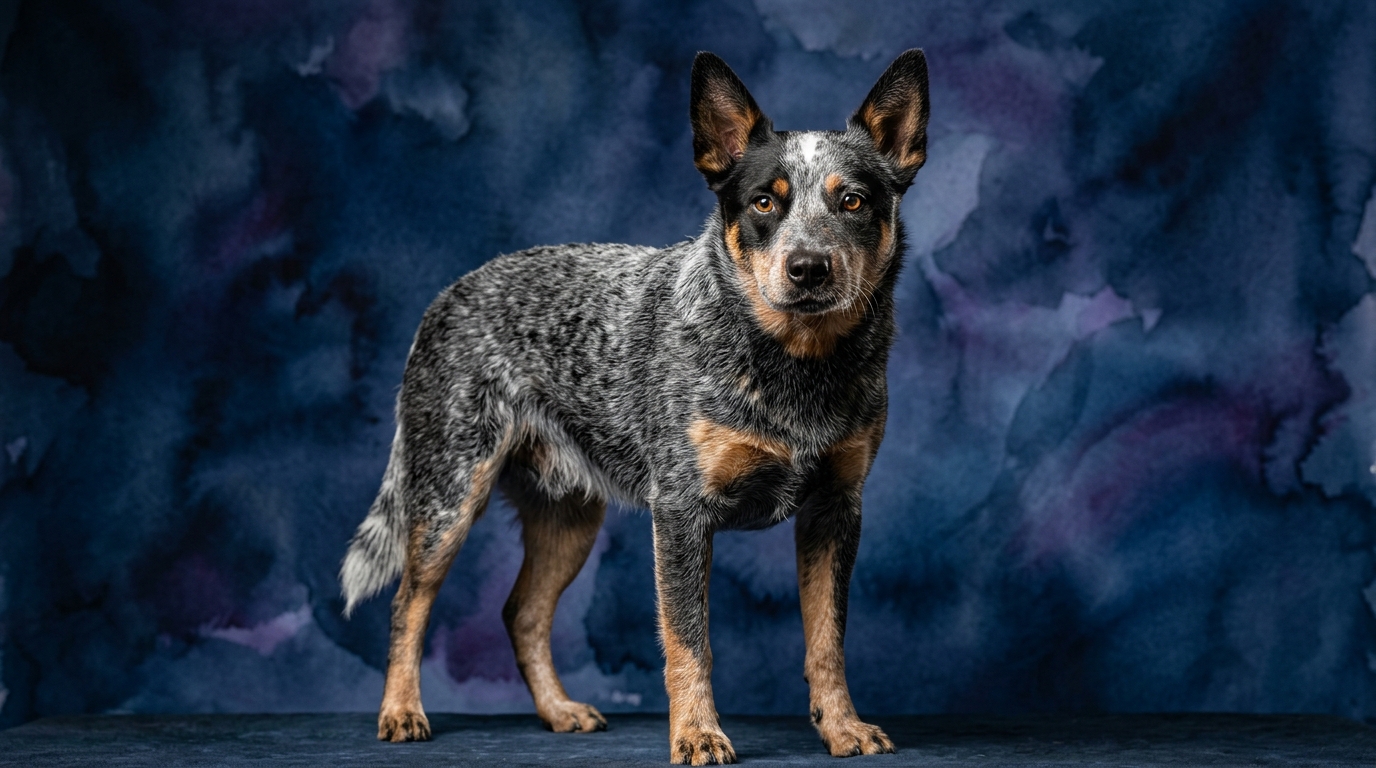
The Australian Cattle Dog, a Herding group member ranking #10 in Coren's assessment, exhibits a cognitive makeup optimized for demanding work. Their Problem Solving is rated 5/5, reflecting an exceptional capacity for independent strategizing and navigating complex, dynamic environments, essential for managing livestock. Training Speed is also 5/5, indicating an ability to rapidly grasp and execute new commands, often with minimal repetition. Social Intelligence stands at 3/5; while loyal to their inner circle, they can be reserved or even aloof with strangers, prioritizing task over broad social engagement. Instinctive Drive is a powerful 5/5, manifesting as an unyielding need to herd, chase, and control. Finally, their Memory is 5/5, allowing them to retain vast amounts of information, from complex routines to spatial layouts, over extended periods.
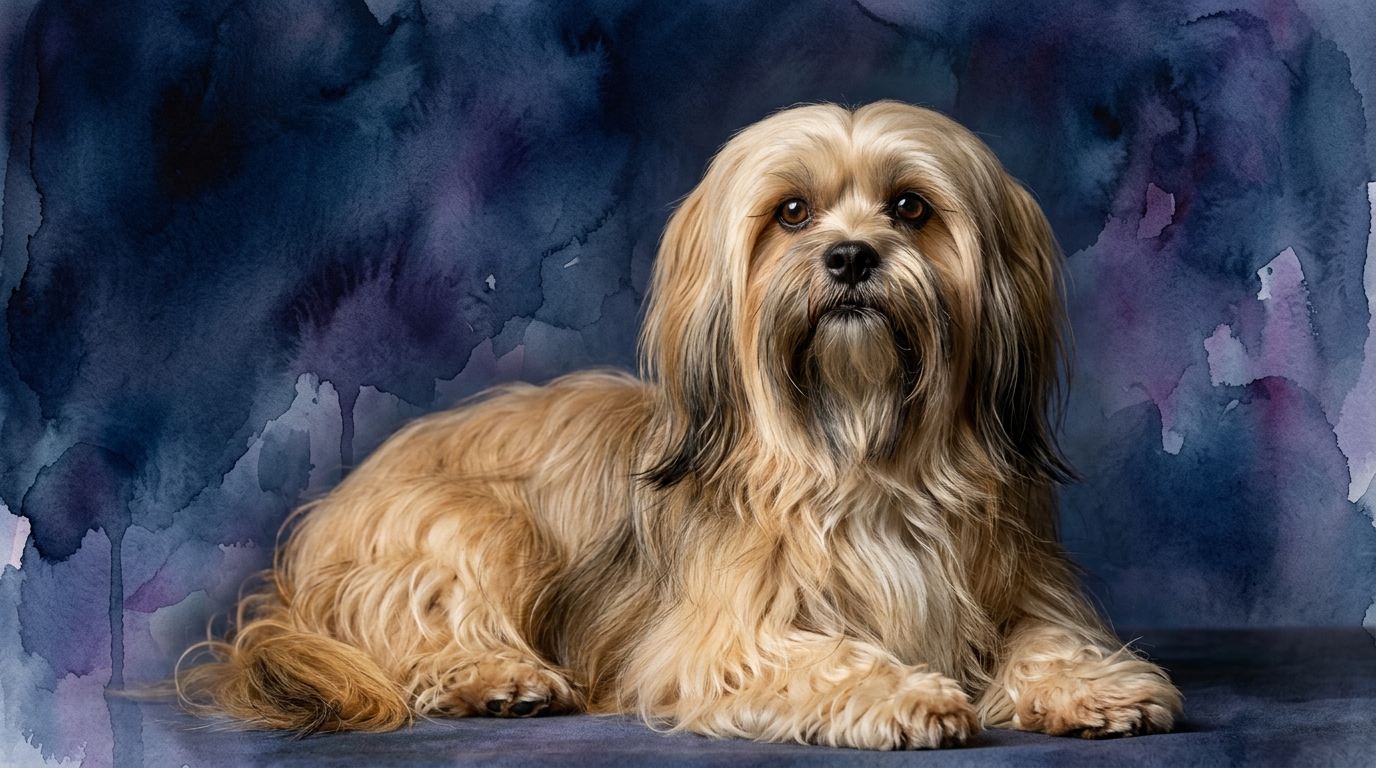
In contrast, the Lhasa Apso, a Non-Sporting breed with a Coren rank of #68, possesses a cognitive profile tailored for watchful companionship. Their Problem Solving ability is 3/5, meaning they are capable of navigating their immediate surroundings and solving challenges related to comfort or personal gain, though less inclined towards abstract or complex tasks. Training Speed is 3/5, requiring patience and consistent positive reinforcement, as they learn at a moderate pace and can be selective. Social Intelligence is 3/5; they are discerning, often reserved with strangers but deeply attuned to their family's emotions and needs, forming strong, selective bonds. Instinctive Drive is 3/5, primarily manifesting as a strong territorial instinct and a desire to alert their household to perceived threats. Their Memory is also 3/5, sufficient for remembering routines, familiar people, and established boundaries, contributing to their consistent and predictable companionship.
Australian Cattle Dog's Cognitive Edge: The Master Strategist
The Australian Cattle Dog's cognitive strengths make them unparalleled in specific domains. Their 5/5 Problem Solving isn't merely about following directions; it's about anticipating challenges and devising solutions independently. This manifests in their ability to outmaneuver livestock, navigate complex agility courses with minimal handler input, or figure out intricate puzzle toys designed for advanced canine minds. They don't just learn a task; they understand its underlying purpose and can adapt their approach.
Their 5/5 Training Speed allows them to absorb complex multi-step commands and sequences with remarkable efficiency. This translates into rapid mastery of advanced obedience, competitive dog sports like flyball or dock diving, and even intricate service dog tasks. They thrive on the mental exercise of constant learning, quickly progressing through levels that might take other breeds significantly longer. Coupled with their 5/5 Memory, they can recall vast repertoires of commands and experiences, allowing them to perform intricate routines flawlessly and adapt learned behaviors to new contexts. Their profound Instinctive Drive (5/5) means they apply this cognitive power with relentless focus and persistence, making them formidable partners in any task-oriented activity, be it herding, search and rescue, or competitive trials.
Lhasa Apso's Cognitive Nuances: The Perceptive Companion
While the Lhasa Apso's cognitive scores are numerically lower than the Cattle Dog's, their specific strengths are perfectly suited to their role. Their 3/5 Problem Solving is often directed towards their personal comfort and preferences. They excel at figuring out the warmest sunbeam spot, the comfiest cushion, or how to subtly solicit attention from their favorite human. This isn't about herding; it's about optimizing their immediate environment for their well-being, showcasing a pragmatic, self-serving form of intelligence.
The Lhasa Apso's 3/5 Social Intelligence, while not broadly outgoing, is highly refined within their family unit. They are adept at reading subtle shifts in human mood and body language, often responding with comforting nudges or playful invitations at just the right moment. This discerning social acumen allows them to form deep, intuitive bonds with their chosen people. Their 3/5 Instinctive Drive manifests as a keen awareness of their surroundings and a strong protective streak. They are vigilant sentinels, quick to alert their household to any perceived anomaly with a characteristic bark, demonstrating a valuable, if vocal, form of cognitive contribution to home security. Their 3/5 Memory ensures they recall household routines, preferred people, and established boundaries, providing a consistent and comforting presence in daily life.
Training Dynamics: Effort vs. Engagement
When it comes to training, the Australian Cattle Dog's 5/5 training speed means they grasp concepts quickly. The primary challenge lies in *managing* their intense 5/5 instinctive drive and ensuring they receive sufficient mental stimulation. Without consistent, engaging training and a 'job' to do, their problem-solving acumen can be redirected towards undesirable behaviors, like destructive chewing or attempting to herd children by nipping at heels. They require a handler who can provide structure, clear expectations, and a continuous stream of novel challenges, thriving on positive reinforcement that taps into their desire to work and learn. For example, an Australian Cattle Dog might learn 'stay' in a single session, but if not given a subsequent task, they could independently decide to 'herd' the vacuum cleaner.
The Lhasa Apso, with a 3/5 training speed, requires a more patient and nuanced approach. They are not inherently eager to please in the same working dog sense; training must be made enjoyable and highly rewarding from their perspective. Their independent streak can be perceived as stubbornness, meaning they often weigh the value of performing a command against their own desires at that moment. Consistent positive reinforcement, short engaging sessions, and avoiding harsh corrections are crucial. For instance, a Lhasa Apso might understand 'sit' perfectly, but if a more interesting scent or a comfortable lap is available, they might choose not to perform the command without a compelling incentive, demanding more motivational finesse from their owner.
Lifestyle Suitability: Energy vs. Serenity
The Australian Cattle Dog is best suited for active, experienced owners who can provide a lifestyle rich in vigorous physical activity and extensive mental engagement. This includes daily long runs, hiking, participation in dog sports like agility or flyball, and consistent advanced training. They thrive in households where they have a clear purpose or 'job,' whether it's competitive work, farm tasks, or simply a complex routine of puzzle solving and command execution. They are not dogs content to be couch potatoes; their high energy and profound drive demand an outlet, making them ideal for individuals or families committed to an active, structured life.
Conversely, the Lhasa Apso is an excellent match for owners seeking a devoted, watchful companion who appreciates a more relaxed indoor lifestyle. While they still benefit from moderate daily walks and regular playtime, their needs are less about intense physical exertion and more about consistent companionship and a predictable routine. They are content to be lap warmers and vigilant guardians of their home, fitting well into apartments or smaller homes. Owners who enjoy a steady, affectionate presence, and are prepared for a dog with a discerning social nature and a protective bark, will find a harmonious partner in the Lhasa Apso. They offer a blend of independence and deep affection, flourishing with patient, consistent care.
The Verdict
Choose an Australian Cattle Dog if you are an experienced, active owner dedicated to providing intense daily physical activity, advanced mental challenges, and a consistent working outlet for their profound drive. They thrive with a clear purpose and a partner who understands their need for constant engagement and strategic tasks.
Opt for a Lhasa Apso if you desire a discerning, protective, and affectionate companion content with a more relaxed indoor lifestyle, moderate exercise, and consistent routines. They suit owners who appreciate a dog's independent spirit and are prepared to offer patient, positive training and abundant companionship.
🧠 Find Your Pet's IQ Score
Our Pet IQ Lab assessment covers 25+ tests across 5 cognitive dimensions — personalized to your breed.
Take the Full IQ Test →Frequently Asked Questions
Are Australian Cattle Dogs good family pets?
Australian Cattle Dogs can be loyal family members, especially with older, respectful children who understand their herding instincts. However, their strong drive and need for a 'job' mean they require experienced owners who can manage their energy and provide consistent training to prevent nipping or herding behaviors.
Do Lhasa Apsos bark a lot?
Yes, Lhasa Apsos are known for their vigilant nature and can be vocal barkers, fulfilling their historical role as alarm dogs. Consistent training from a young age can help manage excessive barking, but owners should expect a dog prone to alerting them to unfamiliar sounds and visitors.
Which breed is better for apartment living?
The Lhasa Apso is generally better suited for apartment living due to their smaller size and lower exercise requirements, provided they receive daily walks and mental engagement. Australian Cattle Dogs, with their intense energy and strong working drive, typically require more space and a very active lifestyle that can be challenging to meet in an apartment setting.