Side-by-Side IQ Profile: Australian Cattle Dog vs. Maltese
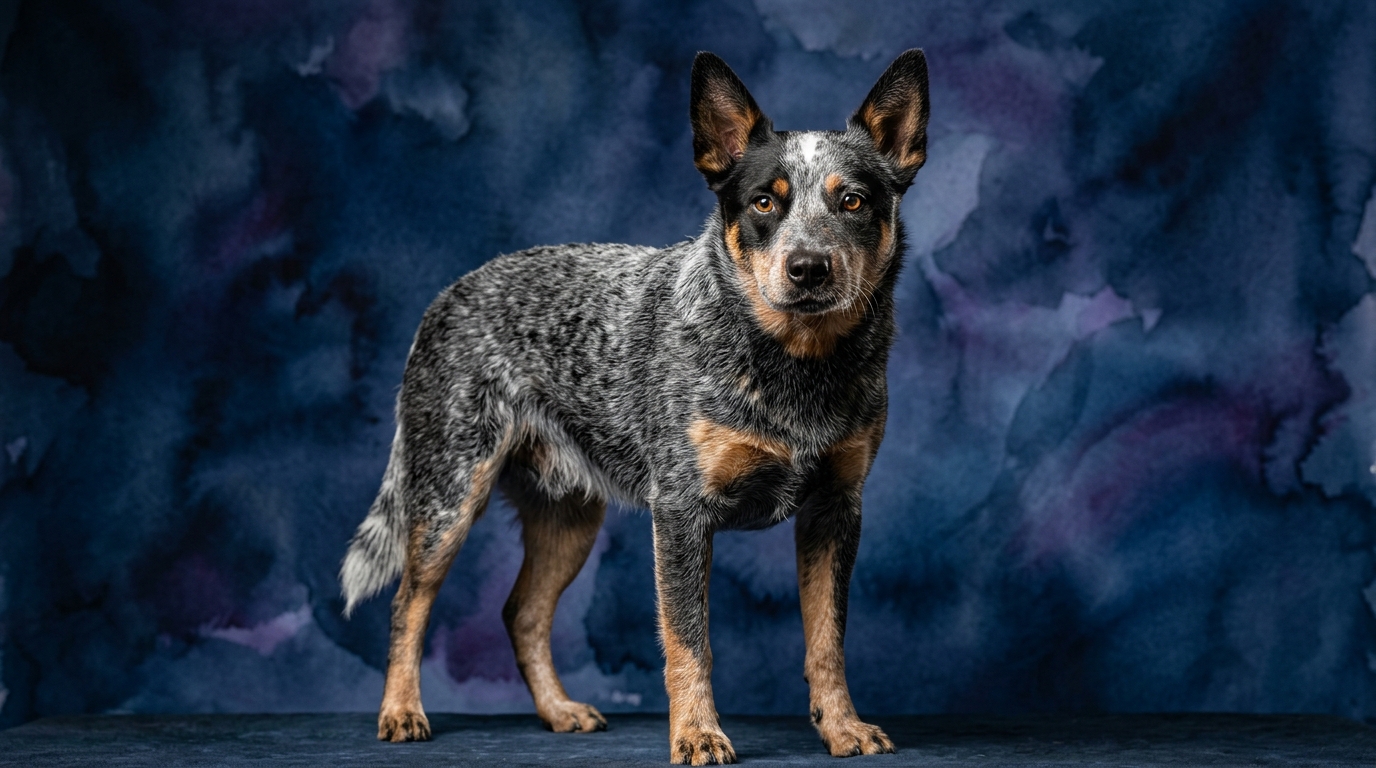
The Australian Cattle Dog, ranking #10 in canine cognition, presents a robust intellectual profile geared towards demanding tasks. Their Problem Solving is rated an exceptional 5/5, indicating an outstanding ability to independently analyze situations, formulate strategies, and execute solutions, often without direct human intervention. This cognitive strength allows them to navigate complex environments and overcome obstacles with remarkable ingenuity. Their Training Speed also scores a perfect 5/5, meaning they grasp new commands and multi-step routines with impressive quickness, often requiring minimal repetitions to achieve mastery. This rapid absorption is fueled by an innate eagerness to engage and a profound work ethic. Social Intelligence for the Australian Cattle Dog stands at 3/5; while capable of forming deep, loyal bonds, their primary cognitive focus isn't always on nuanced human emotional interpretation or appeasement in the same way a dedicated companion breed might exhibit. They are partners in a task, understanding their human's role rather than solely reading their moods. Their Instinctive Drive is a powerful 5/5, reflecting an intense, inherent urge to herd, chase, and work, demonstrating profound focus and endurance in these activities. This drive is a fundamental aspect of their cognitive makeup, directing much of their behavior. Finally, their Memory is also a strong 5/5, ensuring they retain learned information, complex sequences, and environmental details for extended periods, making them highly reliable in intricate training and familiar routines.
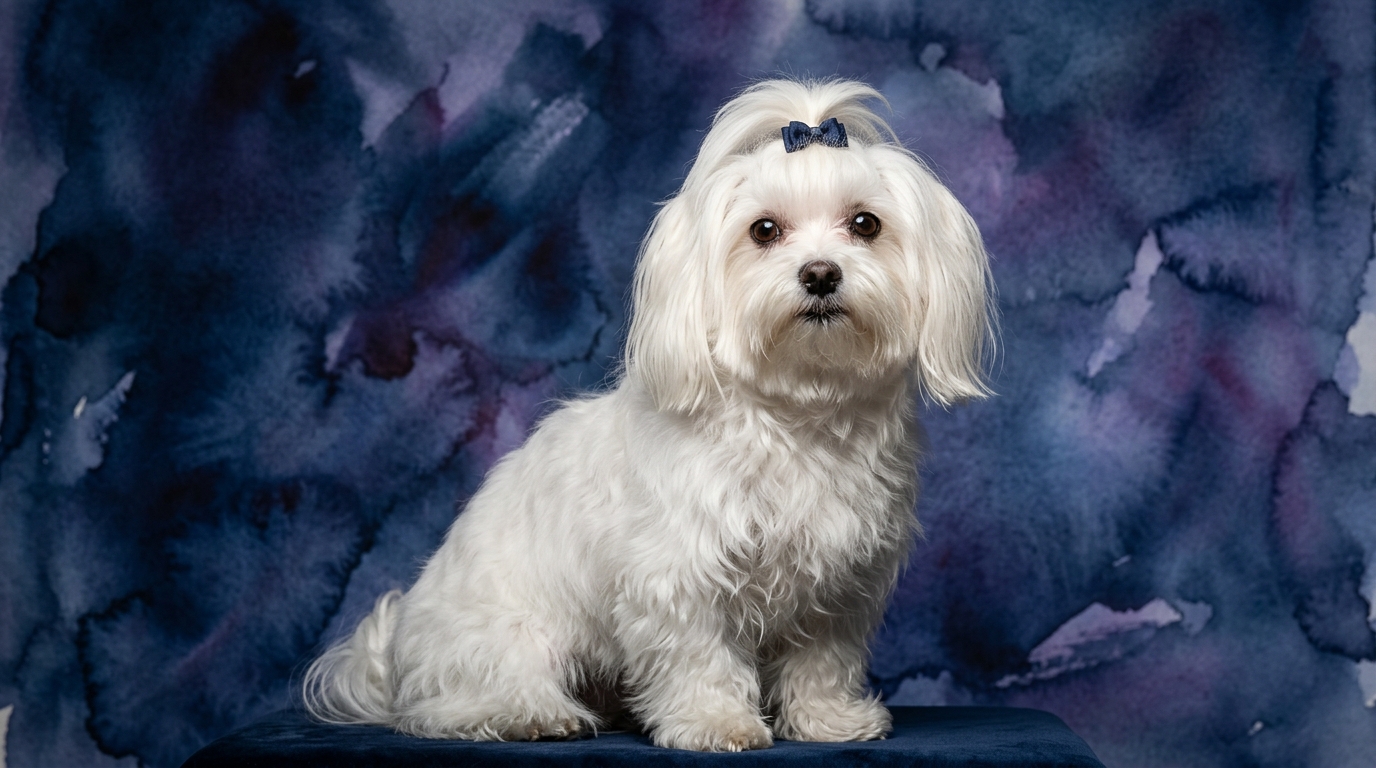
In contrast, the Maltese, with a Coren ranking of #59, showcases a different, yet equally valuable, set of cognitive strengths. Their Problem Solving is rated 3/5, indicating a moderate ability to tackle novel challenges or adapt to complex situations independently. While they learn effectively, their approach might lean more towards trial-and-error or seeking human guidance rather than immediate, insightful solutions. Their Training Speed is also 3/5, meaning they learn commands at a moderate pace, typically requiring more repetitions than breeds bred for demanding work. Their motivation for learning often stems from social reward and positive reinforcement, rather than an inherent drive to perform a task for its own sake. The Maltese truly excels in Social Intelligence, scoring a perfect 5/5. These dogs possess an exceptional aptitude for understanding human emotions, subtle cues, and social dynamics. They are incredibly attuned to their owners' moods and intentions, often adapting their behavior to seek attention, offer comfort, or initiate play, making them profoundly empathetic companions. Their Instinctive Drive is a low 2/5; they have minimal inherent urges for traditional working tasks like herding or hunting. Their primary 'instinct' is often focused on companionship and social bonding, rather than a strong compulsion to perform specific, task-oriented behaviors. Their Memory is rated 3/5, indicating they retain information and routines reasonably well, but perhaps not with the same depth or duration as breeds bred for complex, long-term working roles. They remember familiar faces and places but might need more refreshers for less frequently practiced commands.
Where the Australian Cattle Dog Wins Cognitively
The Australian Cattle Dog’s cognitive strengths lie profoundly in its capacity for practical application and independent thought. Its 5/5 score in Problem Solving means these dogs don't just follow instructions; they can assess a situation, devise a solution, and execute it, whether that's figuring out how to open a gate or navigating a complex agility course with precision. This cognitive agility is paired with a 5/5 Training Speed, allowing them to absorb new information and commands with remarkable efficiency. They process and internalize instruction quickly, making multi-step tasks achievable in fewer repetitions. Furthermore, their 5/5 Instinctive Drive isn't just about physical energy; it's a cognitive engine that fuels intense focus and determination, enabling them to persist at challenging tasks. This drive, combined with a 5/5 Memory, means they reliably recall complex patterns and sequences, essential for sustained work and advanced training, demonstrating a superior capacity for long-term retention of learned behaviors and environmental cues.
Where the Maltese Wins Cognitively
Conversely, the Maltese shines with a distinct cognitive brilliance rooted in social connection. Its stellar 5/5 Social Intelligence indicates an exceptional aptitude for understanding and responding to human emotional states and subtle cues. These dogs are adept at reading their owners, often anticipating needs for comfort or play, making them profoundly empathetic companions. This isn't merely affection; it's a sophisticated cognitive ability to interpret non-verbal communication and adapt their behavior accordingly, fostering incredibly strong human-animal bonds. While their Problem Solving and Training Speed scores are moderate (3/5), their social acumen allows them to learn effectively within a positive, interactive framework. They leverage their social understanding to build strong bonds, often learning through observation of human behavior and seeking to please within a social context, rather than through an inherent drive for task completion, making them highly responsive to social rewards.
Which is Easier to Train and Why
Determining 'easier to train' depends heavily on the owner's goals and preferred training style. An Australian Cattle Dog, with its 5/5 Training Speed and 5/5 Problem Solving, absorbs complex commands and multi-step tasks with impressive rapidity. They possess an inherent desire to work and a drive to understand their role, often finding mental stimulation in the training process itself. This means they are highly receptive to structure and thrive on consistent, challenging instruction. Their strong 5/5 Instinctive Drive requires an owner who can channel this energy productively, as an untrained ACD might apply its problem-solving skills to undesirable behaviors like herding children or furniture, requiring proactive management and consistent mental engagement. In contrast, the Maltese, with its 3/5 Training Speed, requires more patience and repetition for command acquisition. Their motivation is primarily social; they respond best to positive reinforcement, praise, and the desire to please their beloved human. While they may not master intricate sequences as quickly, their 5/5 Social Intelligence makes them eager to engage and cooperate for the sake of companionship. They are less likely to pose behavioral challenges rooted in intense working drives, but their training requires consistency and a focus on building a positive relationship, rather than relying on an innate drive for task mastery.
Which Suits Active Owners vs. Relaxed Owners
The cognitive profiles of these two breeds clearly delineate their suitability for different lifestyles. The Australian Cattle Dog, with its intense 5/5 Instinctive Drive, 5/5 Problem Solving, and 5/5 Memory, is tailor-made for active owners who can provide consistent mental and physical challenges. They thrive on activities like herding, agility, flyball, or extensive hiking, requiring environments where their sharp minds can be engaged in purposeful work or complex problem-solving. Owners who cannot meet this demand risk seeing their ACD apply its cognitive prowess to less desirable outlets, such as creating its own 'jobs' around the house or exhibiting destructive behaviors born from boredom. Conversely, the Maltese, with its preeminent 5/5 Social Intelligence and lower Instinctive Drive (2/5), is an ideal fit for more relaxed owners seeking a devoted companion. Their cognitive strengths lie in forming deep emotional bonds and enjoying close human interaction. While they appreciate walks and playtime, their primary requirement is companionship and being an integral part of family life, making them well-suited for apartment living or less physically demanding routines, provided they receive ample social engagement and affection.
The Verdict
Choose an Australian Cattle Dog if you are an experienced, active owner seeking a highly capable working partner for demanding sports, complex training, or an adventurous lifestyle, and are prepared to channel their intense cognitive drive.
Opt for a Maltese if you desire a devoted, socially intuitive companion who thrives on close human interaction, offers profound emotional connection, and fits a more relaxed, companion-focused home environment.
🧠 Find Your Pet's IQ Score
Our Pet IQ Lab assessment covers 25+ tests across 5 cognitive dimensions — personalized to your breed.
Take the Full IQ Test →Frequently Asked Questions
Can a Maltese be trained for complex tasks like an Australian Cattle Dog?
While a Maltese can certainly learn many commands and tricks, their 3/5 Problem Solving and Training Speed mean they won't typically master complex, multi-step tasks with the same speed or independent application as an Australian Cattle Dog. Their strength lies more in social learning and companionship.
Does the Australian Cattle Dog's lower social intelligence mean it's not affectionate?
Not at all. A 3/5 Social Intelligence rating for an Australian Cattle Dog indicates their cognitive priorities are often task-oriented rather than solely focused on nuanced human emotional interpretation. They form deep, loyal bonds but might express affection differently, often through shared activity and partnership rather than constant seeking of physical closeness.
How does the Instinctive Drive difference impact daily life for these breeds?
The Australian Cattle Dog's 5/5 Instinctive Drive translates to a constant need for mental and physical engagement, often expressed as a strong urge to herd, chase, or work, requiring structured outlets. The Maltese's 2/5 Instinctive Drive means their daily life is less dictated by inherent working urges, focusing instead on social interaction and companionship, making them more adaptable to quieter routines.