Side-by-Side IQ Profile
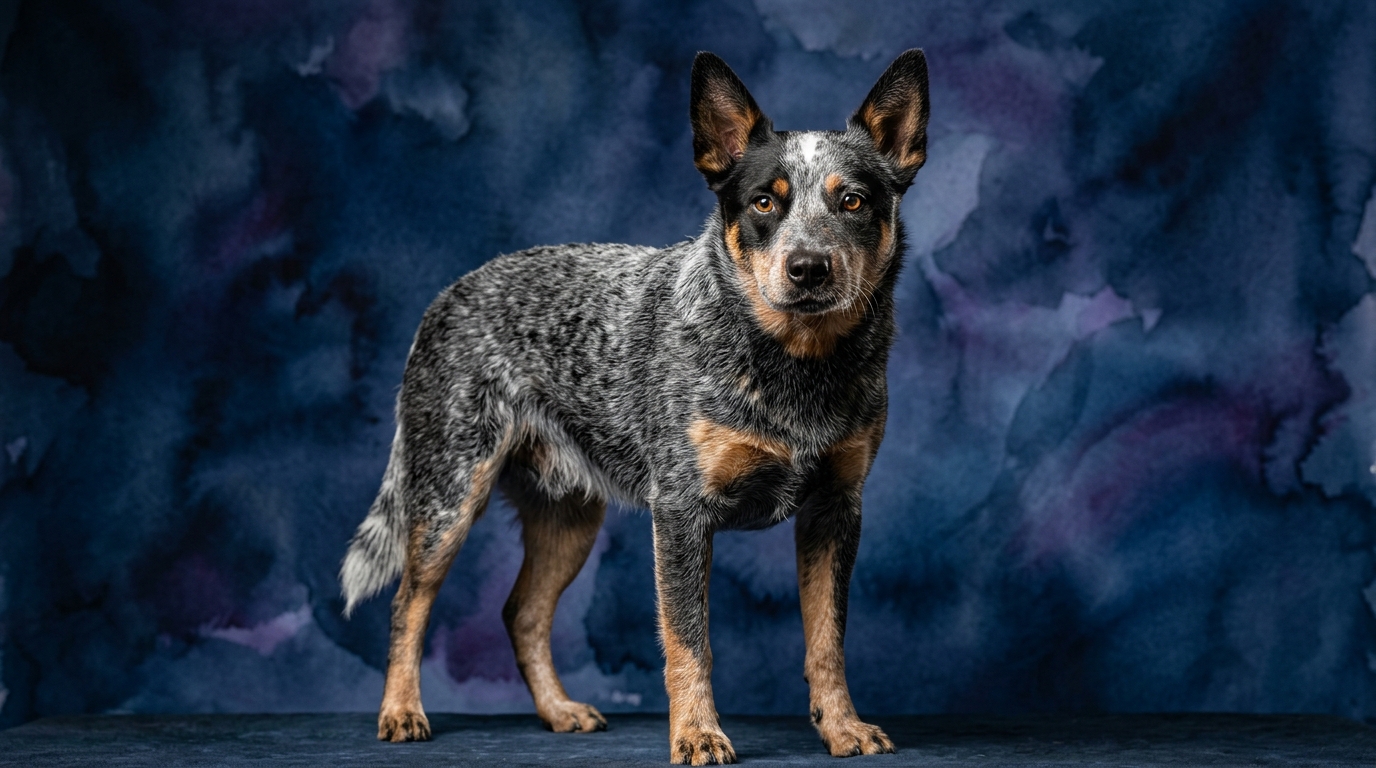
The Australian Cattle Dog (ACD), with a Coren rank of #10, presents a cognitive profile geared for intense work and independent action. Their Problem Solving score of 5/5 means they excel at independent thought, often devising novel solutions to obstacles or tasks, constantly seeking challenges. A Training Speed of 5/5 indicates ACDs grasp new commands and routines with remarkable swiftness, absorbing information rapidly during sessions. Their Social Intelligence of 3/5 suggests that while capable of deep bonds, ACDs tend to be reserved with strangers, focusing on their primary handler and immediate family. An Instinctive Drive of 5/5 highlights their profoundly ingrained herding instincts, manifesting as an intense desire to control movement, a powerful motivator. Finally, their Memory of 5/5 means ACDs possess exceptional long-term recall, remembering commands, routines, and experiences with outstanding accuracy.
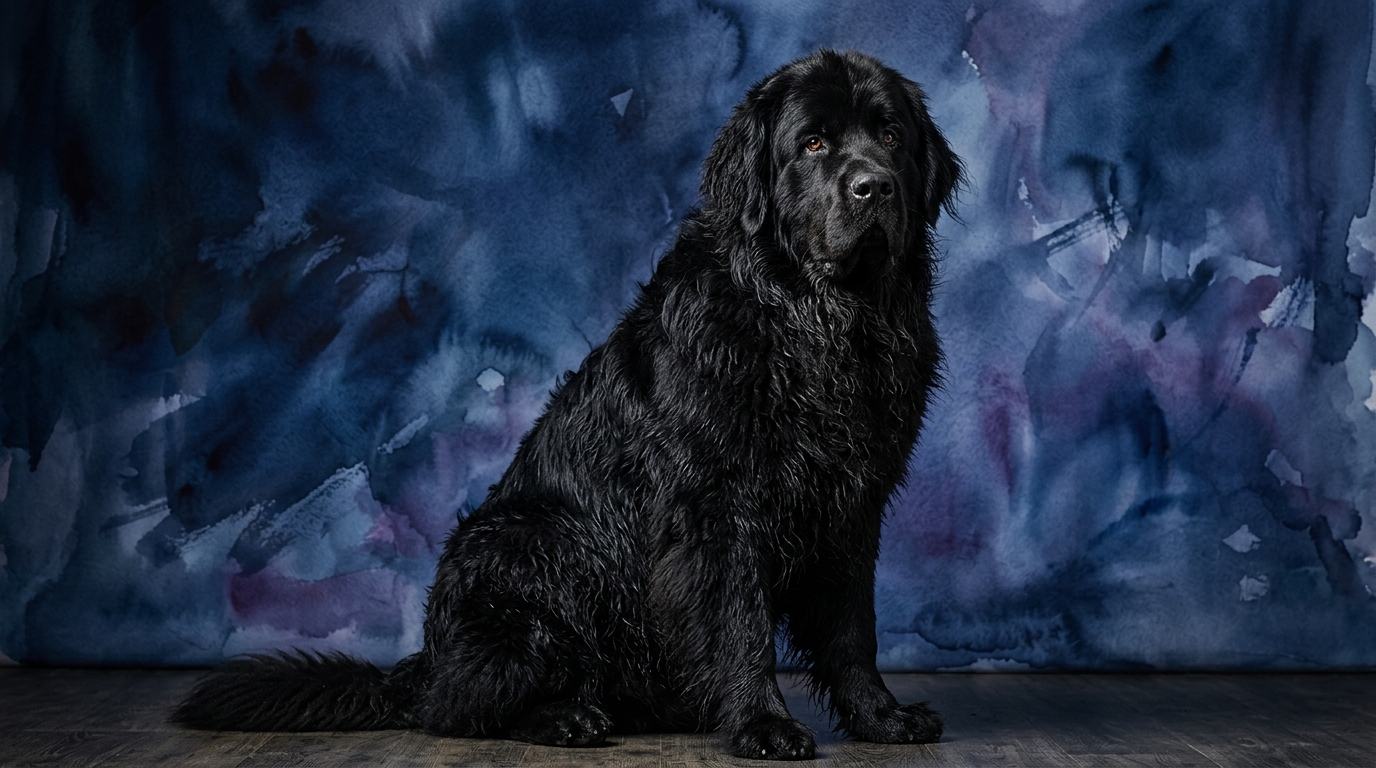
Conversely, the Newfoundland (Newf), holding a Coren rank of #34, showcases a different but equally compelling cognitive makeup. Their Problem Solving score of 3/5 indicates Newfoundlands demonstrate moderate independent problem-solving, preferring to follow known procedures or seek human guidance. A Training Speed of 4/5 means these dogs learn new tasks efficiently and consistently, showing solid ability to absorb and retain information. Their Social Intelligence of 5/5 is a standout trait, as Newfoundlands are renowned for exceptional social acumen, displaying empathy, patience, and a natural inclination towards nurturing interactions. An Instinctive Drive of 5/5, rooted in water rescue and draft work, manifests as a strong desire to assist, protect, and be involved in family activities. Their Memory of 4/5 shows Newfoundlands exhibit good recall for commands and experiences, retaining learned behaviors over time.
Where Australian Cattle Dog Wins Cognitively
Australian Cattle Dogs demonstrate a pronounced cognitive advantage in areas demanding independent thought and rapid acquisition. Their Problem Solving score of 5/5 means they are constantly analyzing their environment, often anticipating situations or devising strategies to achieve a goal, like opening a tricky gate or figuring out a complex puzzle toy. This capacity for ingenious solutions makes them exceptionally resourceful. Coupled with a Training Speed of 5/5, they absorb new commands or intricate sequences with astonishing quickness, making them adept at advanced obedience, agility, or competitive herding. Their perfect Memory score of 5/5 ensures that once a lesson is learned, it is deeply ingrained, allowing for consistent, reliable performance over the long term. This combination of mental agility, rapid learning, and robust recall positions them as prime candidates for roles requiring quick wit and sustained mental engagement.
Where Newfoundland Wins Cognitively
Newfoundlands shine brightest in the realm of social and emotional cognition. Their Social Intelligence score of 5/5 signifies an extraordinary ability to read and respond to human emotions, fostering deep, empathetic connections. This allows them to act as intuitive companions, offering comfort or gentle reassurance without explicit instruction. While their Problem Solving is 3/5, their Instinctive Drive of 5/5 is channeled into roles requiring cooperation and a desire to help, historically in water rescue, where sensing distress and acting decisively but gently is paramount. Their Training Speed of 4/5 and Memory of 4/5, while not the highest, are consistently strong, allowing them to learn and retain complex tasks, particularly those involving cooperation and service. This blend of empathy, cooperative drive, and solid learning makes them exceptionally reliable and understanding partners in family life and service roles.
Which is Easier to Train and Why
Assessing which breed is 'easier' to train requires considering both Training Speed and Social Intelligence. The Australian Cattle Dog, with its 5/5 Training Speed, undeniably picks up new commands at an accelerated pace, often needing fewer repetitions. However, their Social Intelligence of 3/5 means they can be independent thinkers, sometimes prioritizing their own perceived logic or instinctive drives over immediate compliance, especially if a task doesn't align with their internal motivations. This independence demands consistency, clear boundaries, and a handler who can channel their intense focus and problem-solving abilities into desired behaviors.
Conversely, the Newfoundland, with a Training Speed of 4/5, learns new tasks at a strong, steady rate. While not as lightning-fast as the ACD, their true advantage in 'ease' of training comes from their 5/5 Social Intelligence. Newfoundlands possess a profound desire to please their human companions and are highly attuned to social cues and emotional states. This makes them remarkably cooperative and eager to participate in training, often requiring less intrinsic motivation beyond the joy of interaction. Therefore, while an ACD might learn a trick faster, a Newfoundland might be perceived as 'easier' to train for many owners due to their inherent cooperativeness and willingness to please, making the training process a more harmonious, less confrontational experience.
Which Suits Active Owners vs Relaxed Owners
The cognitive profiles of these two breeds clearly delineate their suitability for different lifestyles. The Australian Cattle Dog, with its 5/5 Problem Solving, 5/5 Instinctive Drive, and 5/5 Memory, is a canine dynamo demanding consistent mental and physical engagement. Their intense herding drive means they need a 'job' to do, whether it's competitive dog sports like agility, herding trials, or complex puzzle-solving activities. Owners who thrive on outdoor adventures, structured training, and providing intricate mental challenges will find an ACD a supremely rewarding partner. A relaxed owner, unable to meet this breed's profound need for purpose and activity, risks encountering a bored, potentially destructive, or overly 'creative' dog.
The Newfoundland, on the other hand, with its 5/5 Social Intelligence and a powerful but gentler Instinctive Drive, is an excellent fit for owners seeking a companion that values connection and moderate activity. While they still require regular exercise to maintain their large physique, their activities often revolve around family involvement, gentle walks, or water play rather than high-intensity, constant mental work. Their empathetic nature makes them ideal for families who appreciate a calm, patient presence and enjoy shared, less strenuous activities. A relaxed owner who cherishes companionship, provides steady, positive reinforcement, and enjoys a dog that is content to be a loving presence will find the Newfoundland a perfect match, as they thrive on consistent presence and gentle interaction.
The Verdict
Choose the Australian Cattle Dog if you are an experienced, active owner dedicated to providing rigorous mental stimulation and physical challenges, thriving on a partner with unparalleled problem-solving skills and a relentless drive for purpose.
Choose the Newfoundland if you seek a deeply empathetic, patient, and cooperative companion, valuing harmonious social interaction and a gentle presence over intense mental games, ready to provide consistent affection and moderate activity.
🧠 Find Your Pet's IQ Score
Our Pet IQ Lab assessment covers 25+ tests across 5 cognitive dimensions — personalized to your breed.
Take the Full IQ Test →Frequently Asked Questions
Does the Australian Cattle Dog's lower social intelligence mean they can't be good family pets?
Not at all. A 3/5 Social Intelligence suggests they are often more reserved with strangers and intensely bonded to their immediate family. With proper socialization from a young age, they can be loyal, protective, and affectionate companions, though they may not be the type to greet every visitor enthusiastically.
How does the Newfoundland's high instinctive drive manifest compared to the Australian Cattle Dog's?
Both breeds have a 5/5 instinctive drive, but its expression differs significantly. The Australian Cattle Dog's drive is primarily for herding, controlling movement and often expressed with intensity. The Newfoundland's drive is rooted in water rescue and service, manifesting as a strong desire to help, protect, and be a gentle, cooperative presence, rather than controlling.
Given their different IQ profiles, which breed is better for a first-time dog owner?
For a first-time owner, the Newfoundland's higher social intelligence and cooperative nature often make the training and bonding process more forgiving and harmonious. The Australian Cattle Dog's intense problem-solving and drive require a more experienced handler who can consistently channel their significant mental and physical energy.