Side-by-Side IQ Profile: Australian Cattle Dog vs. Skye Terrier
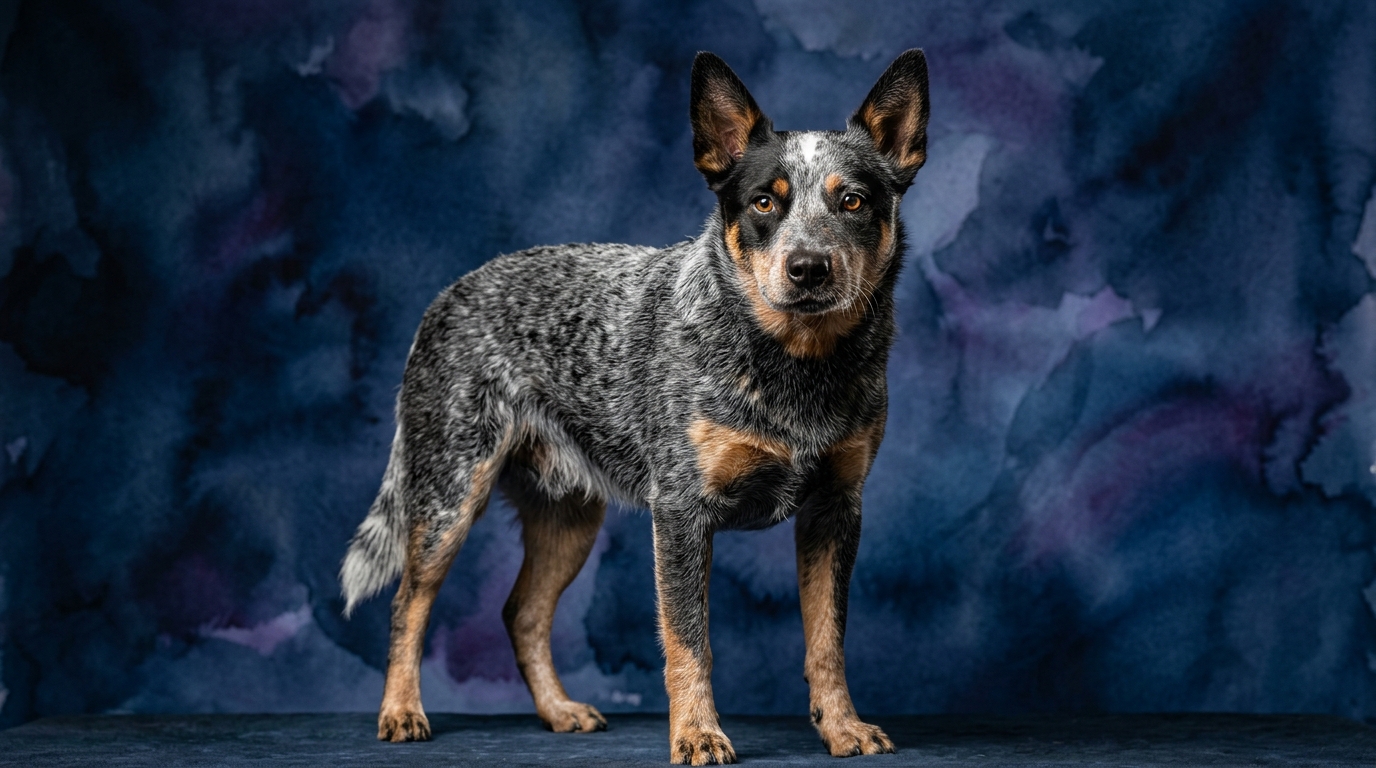
Our Cosmic Pet Pet IQ Lab provides a unique lens through which to examine the cognitive architectures of different breeds. The Australian Cattle Dog (ACD), a Herding group member, boasts a Coren rank of #10, placing it among breeds that consistently demonstrate a remarkable capacity for working and obedience. Its profile reveals exceptional Problem Solving (5/5), rapid Training Speed (5/5), a robust Instinctive Drive (5/5), and an impressive Memory (5/5). Social Intelligence is rated at 3/5, indicating a balanced understanding of pack dynamics and human cues, though often expressed with a reserved demeanor.
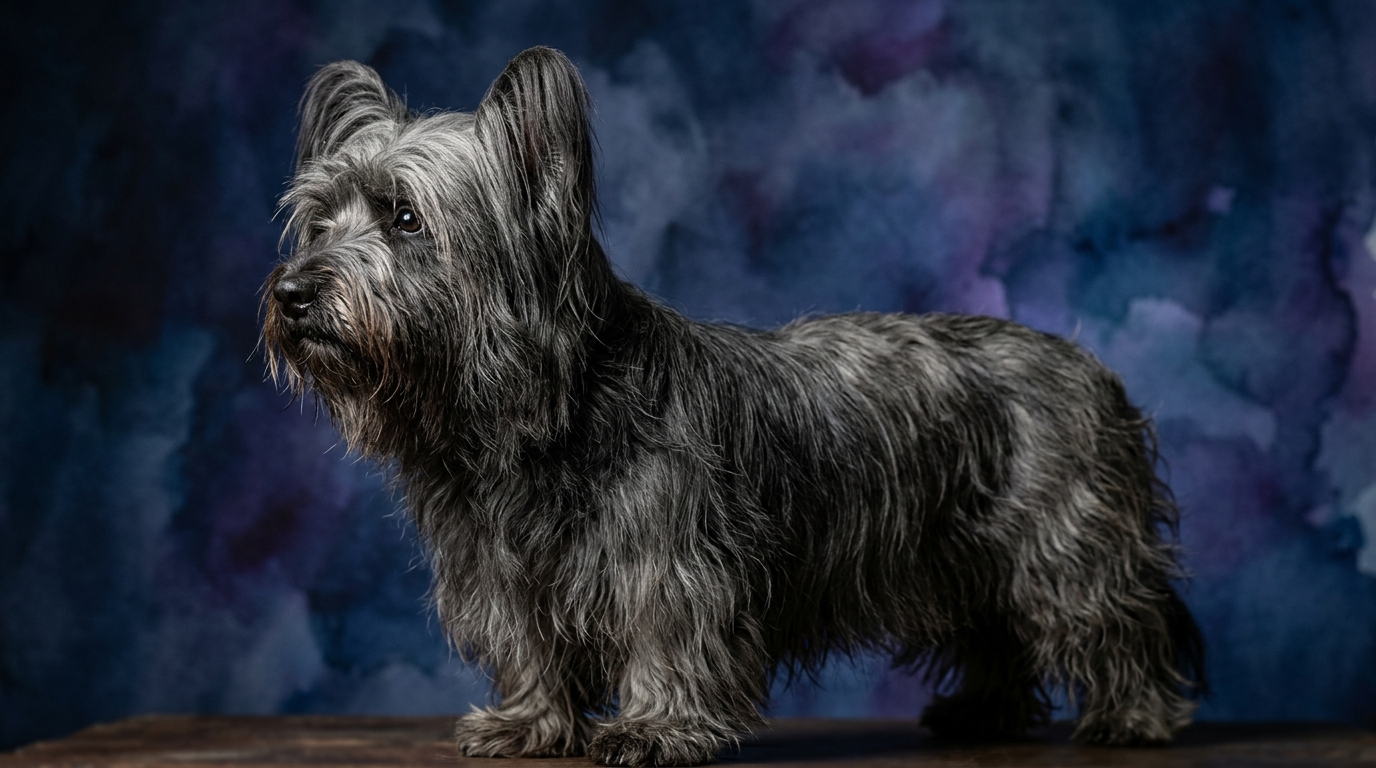
In contrast, the Skye Terrier, a Terrier group member, is not Coren-ranked, which often signifies that their cognitive strengths are expressed differently, perhaps outside the parameters of traditional obedience. Its IQ profile shows moderate Problem Solving (3/5), Training Speed (3/5), Social Intelligence (3/5), Instinctive Drive (3/5), and Memory (3/5). These scores suggest a capable but more independent cognitive approach, less geared towards collaborative, high-speed task execution and more towards self-reliant action.
Where the Australian Cattle Dog Wins Cognitively
The Australian Cattle Dog's cognitive strengths are particularly evident in its synergy of Problem Solving and Training Speed. Their 5/5 ratings in both areas mean they not only grasp new commands with remarkable speed but also possess an innate capacity to apply learned concepts to novel situations. This allows them to excel at complex, multi-step tasks, such as navigating intricate agility courses or performing sophisticated herding patterns, often anticipating the next cue rather than simply reacting to it. They don't just memorize actions; they internalize the underlying logic.
Furthermore, the ACD's potent 5/5 Instinctive Drive, channeled primarily towards herding, translates into an unwavering desire for purpose and structure, making them incredibly driven to perform tasks. This drive, combined with their 5/5 Memory, ensures they reliably recall vast repertoires of commands and sequences over extended periods, crucial for advanced work and consistent performance in demanding environments. This cognitive blend allows for a high degree of precision and reliability that is less typical in breeds with a lower overall drive for collaborative work.
Where the Skye Terrier Wins Cognitively
While the ACD excels in cooperative problem-solving, the Skye Terrier demonstrates a distinct cognitive edge in independent, self-directed tasks, particularly those linked to its ancestral role. Their 3/5 Problem Solving, though lower than the ACD's, is characterized by a tenacious and singular focus when pursuing a scent or attempting to 'earth' prey. This isn't about complex, strategic planning in collaboration with a human, but rather a relentless, determined application of their faculties to achieve a self-motivated goal, often requiring minimal human direction for these specific challenges.
The Skye Terrier's 3/5 Social Intelligence, while not geared towards intense collaboration, allows them to navigate family life with a dignified self-possession. Their comparatively lower Instinctive Drive (3/5) for constant 'work' means they can be more content in a home environment without a specific job, provided their independent nature is respected. They form deep, loyal bonds within their immediate family, often exhibiting a quiet understanding of household dynamics without the intense need for constant engagement or a 'job' that a herding dog might display.
Training Dynamics: Which is Easier and Why?
When it comes to formal obedience and complex task learning, the Australian Cattle Dog is significantly easier to train. Their 5/5 Training Speed and Problem Solving, coupled with a powerful instinctive drive to work with their handler, means they absorb commands rapidly, often requiring very few repetitions. They thrive on structure, consistency, and a clear purpose, readily anticipating and responding to cues because they are motivated by the satisfaction of performing a job alongside their human partner. This breeds a responsive, eager student.
The Skye Terrier, with its 3/5 Training Speed and independent terrier temperament, presents a more challenging training experience for traditional obedience. While capable of learning, their motivation is often self-directed, meaning they may choose when to comply, especially if a more interesting scent or distraction competes for their attention. Training a Skye Terrier demands immense patience, consistent positive reinforcement, and creative methods to make learning more rewarding than their natural inclination for independent exploration. They are less driven by handler approval and more by what benefits them personally in the moment.
Matching Breeds to Lifestyles: Active vs. Relaxed Owners
The Australian Cattle Dog is unequivocally suited for active owners. Their 5/5 Instinctive Drive and high energy levels demand constant mental and physical engagement. These dogs thrive in environments where they have a 'job' to do, excelling in dog sports like agility, obedience, flyball, and herding trials. A relaxed or sedentary owner would likely find an ACD becoming destructive, anxious, or exhibiting undesirable behaviors due to unmet needs for purpose and vigorous exercise. They require an owner who can commit to daily, structured activity and mental stimulation.
The Skye Terrier, on the other hand, is generally better suited for moderately active to relaxed owners, provided their need for independent exploration and scent-work walks is met. While they enjoy walks and playtime, they do not possess the relentless stamina or the intense need for structured work characteristic of an ACD. They are content with a comfortable home and their family's company, often preferring to observe or engage in short bursts of activity rather than constant high-intensity work. They need mental stimulation, but it can be less formalized and more about exploring their environment.
The Verdict: When to Choose Each Breed
The Verdict
If you're an experienced, active owner seeking a highly trainable, driven partner for dog sports, complex tasks, or a working role, and can provide consistent mental and physical challenges, the Australian Cattle Dog is an unparalleled choice.
Opt for a Skye Terrier if you appreciate a dignified, independent companion, are prepared for patient and creative training, and seek a dog that thrives on strong family bonds without requiring constant high-intensity work or a 'job'.
🧠 Find Your Pet's IQ Score
Our Pet IQ Lab assessment covers 25+ tests across 5 cognitive dimensions — personalized to your breed.
Take the Full IQ Test →Frequently Asked Questions
How does the 'instinctive drive' differ between these breeds?
The ACD's 5/5 instinctive drive is primarily for herding, manifesting as a strong desire to control movement and work collaboratively. The Skye Terrier's 3/5 drive is geared towards independent hunting of small prey, involving digging, chasing, and a more self-directed focus on individual pursuit.
Can a Skye Terrier learn complex tricks like an Australian Cattle Dog?
While a Skye Terrier can certainly learn tricks, their 3/5 problem-solving and training speed mean they'll likely take longer and require more repetition than an ACD's 5/5 capacity. Their independent nature also means they might be less consistently motivated to perform intricate sequences on command.
Is social intelligence the same for both breeds?
Both breeds score 3/5 in social intelligence, but express it differently. ACDs understand pack dynamics and human cues for work, often being reserved with strangers. Skye Terriers form deep bonds with their family and understand household dynamics, but can be quite aloof or wary of outsiders, preferring their inner circle.