Side-by-Side Cognitive Profiles
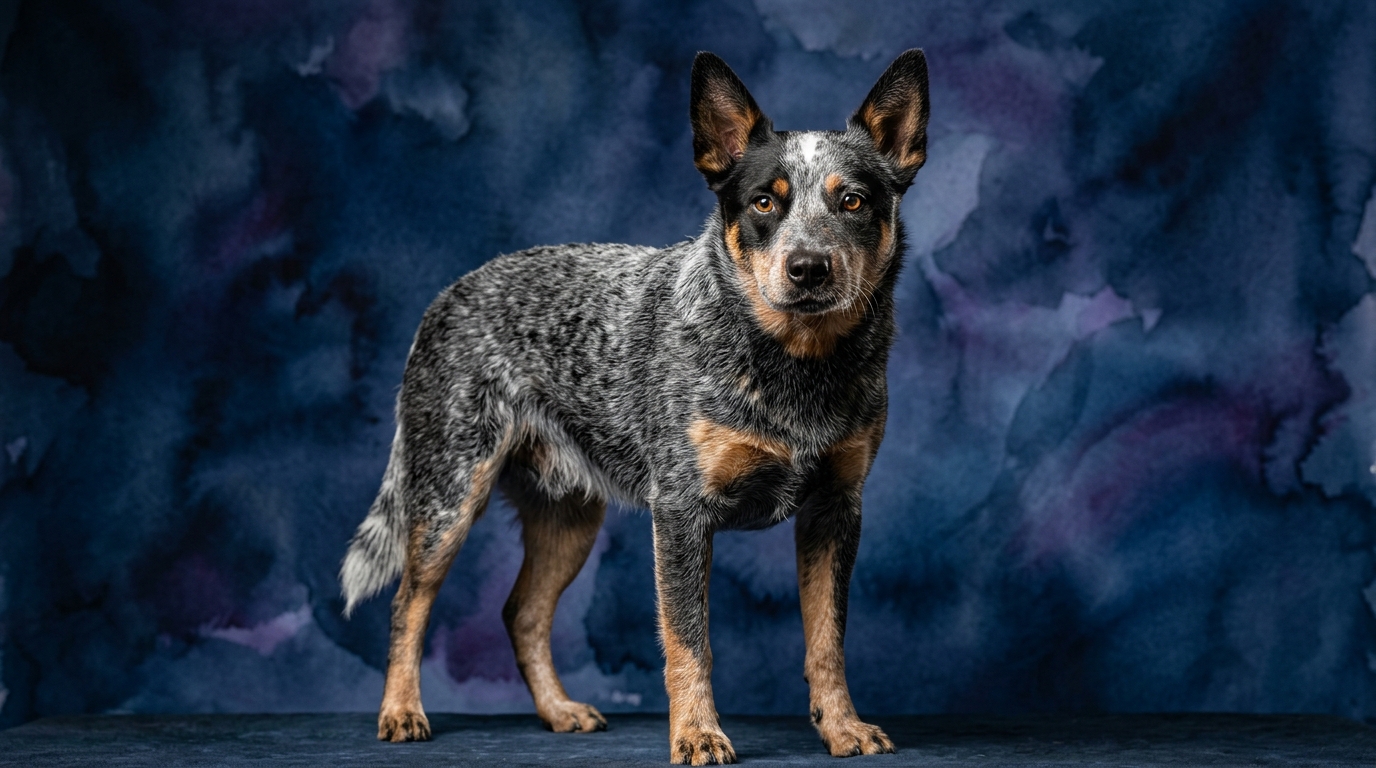
To truly appreciate the distinct mental landscapes of the Australian Cattle Dog (ACD) and the Soft Coated Wheaten Terrier (SCWT), we examine their cognitive abilities across five key dimensions. The Australian Cattle Dog, a breed forged for demanding livestock management, exhibits a cognitive architecture designed for complex, independent work, ranking impressively at #10 on the Coren intelligence scale.
The ACD's Problem Solving ability stands at an exceptional 5/5. These dogs are adept at navigating intricate scenarios, devising multi-step solutions, and thinking strategically under pressure, whether it’s outsmarting a stubborn steer or figuring out a complex puzzle toy. Their Training Speed is equally remarkable at 5/5; they acquire new commands and behaviors with astonishing rapidity, often requiring only a few repetitions to grasp a concept fully. Social Intelligence for the ACD is rated 3/5, indicating a tendency to form deep, often singular bonds with their primary handler while remaining more reserved or aloof with strangers. Their Instinctive Drive is a powerful 5/5, reflecting their intense herding impulses, protective nature, and a strong prey drive that fuels their relentless work ethic. Finally, their Memory is also a stellar 5/5, allowing them to retain a vast repertoire of commands, routines, and experiences over long periods, making them incredibly reliable partners.
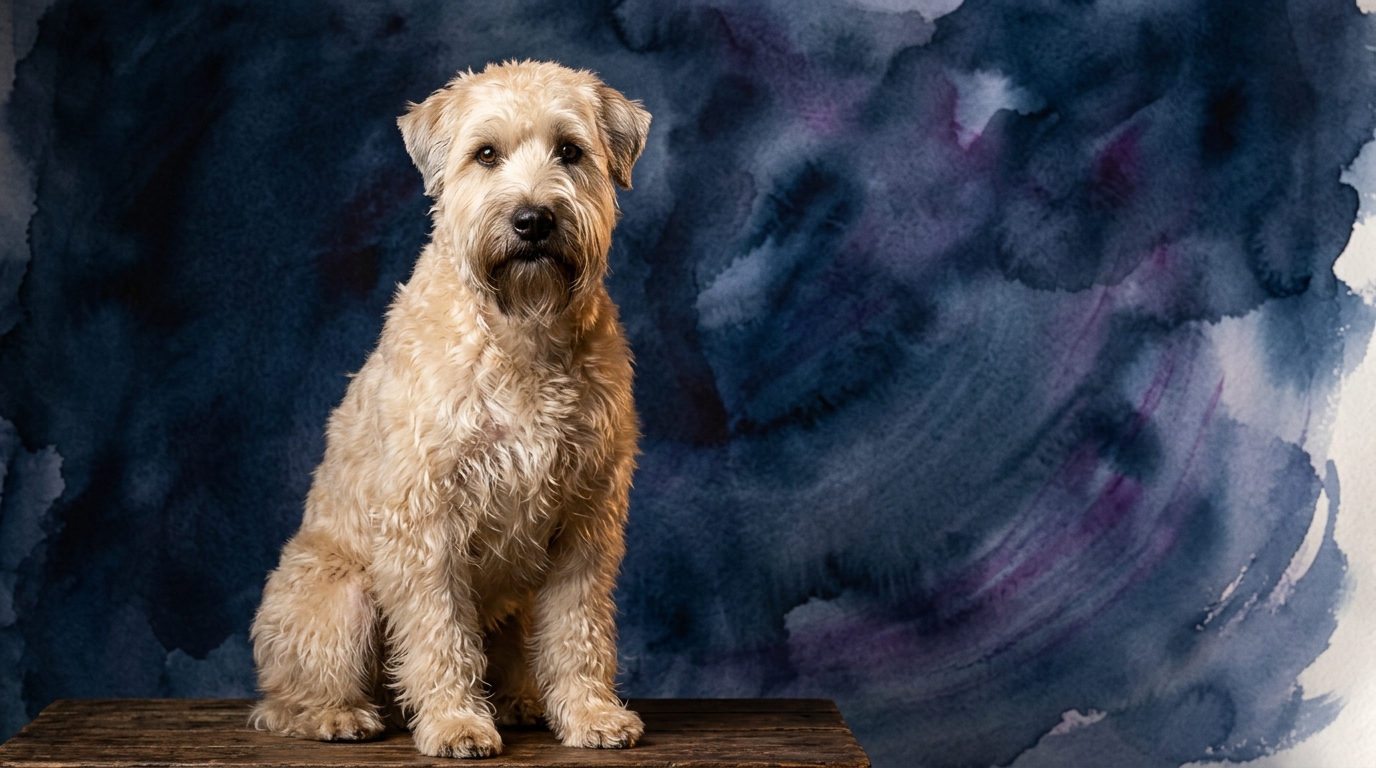
In contrast, the Soft Coated Wheaten Terrier, a charming and effervescent terrier, approaches the world with a different cognitive blueprint; it does not feature on the Coren intelligence ranking, which primarily assesses obedience-based intelligence. The SCWT's Problem Solving capability is rated 3/5. While not strategists on the ACD's level, Wheatens are resourceful and persistent, often employing trial-and-error with characteristic terrier tenacity to achieve their goals. Their Training Speed is also 3/5; they are capable learners, but they typically require more repetitions and consistent motivation to master new skills compared to the ACD. Social Intelligence for the SCWT mirrors the ACD at 3/5, but its expression differs; while friendly and generally amiable, they can also be boisterous and express their affection widely, rather than forming the ACD's more exclusive bond. Their Instinctive Drive is rated 3/5, encompassing the typical terrier's zest for life, digging, and chasing, but generally without the overwhelming intensity of a dedicated herding breed. Their Memory is a solid 3/5, sufficient for daily commands and routines, though perhaps not for the extensive, complex sequences an ACD can recall.
Where the Australian Cattle Dog Excels Cognitively
The cognitive prowess of the Australian Cattle Dog is evident in its capacity for sophisticated, independent thought, a direct result of its selective breeding for demanding herding tasks. Their 5/5 rating in Problem Solving means they don't just react; they anticipate and plan. For example, an ACD can strategically block an escape route for livestock or figure out how to open a complex latch, demonstrating abstract reasoning beyond simple learned behaviors. This translates into an animal that can be taught intricate multi-step commands and sequences, performing them reliably even when conditions change.
Coupled with their 5/5 Training Speed and 5/5 Memory, ACDs are exceptional at retaining vast amounts of information and applying it flexibly. They remember specific commands, the location of objects, and the routines of their household with remarkable accuracy. This cognitive strength allows them to excel in advanced obedience, agility, and protection work, where precision, speed, and long-term recall are paramount. Their intense 5/5 Instinctive Drive further fuels this cognitive engine, providing a relentless focus and determination to complete tasks, making them formidable partners for any owner willing to channel that drive into productive outlets.
Cognitive Strengths of the Soft Coated Wheaten Terrier
While the Soft Coated Wheaten Terrier may not match the ACD's specialized working intelligence, its cognitive profile presents its own set of advantages, particularly for a companion animal. The SCWT's 3/5 Problem Solving ability, while moderate, speaks to a practical, adaptable intelligence. They are often clever at finding unconventional solutions to everyday puzzles, like figuring out how to get a toy from under furniture or manipulating their owners for attention, using a charming persistence rather than strategic depth. This makes them engaging and often amusing companions.
Their 3/5 Social Intelligence, while numerically similar to the ACD, manifests as a more generally outgoing and affectionate disposition. Wheatens often greet everyone with enthusiasm, forming friendly connections with a wider circle of people and other animals. This broader social adaptability can be a distinct advantage in a family setting or for owners who frequently entertain. The SCWT's 3/5 Instinctive Drive, while still present with typical terrier zest, is generally less intense and all-consuming than the ACD's powerful herding instincts, potentially making their natural urges easier to manage in a non-working pet home. Their balanced 3/5 Memory is perfectly adequate for remembering household rules, routines, and a good range of commands, without the potential for boredom or destructive behavior that can arise from an under-challenged, exceptionally high-memory breed.
Training: Which Breed is More Amenable?
When it comes to ease of training, the Australian Cattle Dog generally presents a more straightforward path for experienced handlers. Their 5/5 Training Speed means they absorb commands quickly, often after just a handful of repetitions. This rapid learning, combined with their 5/5 Memory and powerful 5/5 Instinctive Drive, means they thrive on structured training, complex tasks, and consistent expectations. ACDs are eager to work and please their chosen person, finding immense satisfaction in mastering new skills and having a 'job' to do. However, their lower 3/5 Social Intelligence can mean they are less tolerant of inconsistent handlers or strangers attempting to give commands, preferring to defer to their primary bond.
The Soft Coated Wheaten Terrier, with its 3/5 Training Speed and 3/5 Memory, requires a different approach. Wheatens are intelligent and capable of learning, but their terrier independence means they are less inclined to simply 'obey' without understanding the benefit or finding the process engaging. They respond best to positive reinforcement, patience, and creative training methods that keep them interested. Repetitive drill-like training might quickly bore a Wheaten, leading to 'selective hearing' or playful defiance. Their moderate instinctive drive needs to be managed with consistent boundaries, as they might follow their nose or chase small critters if not properly trained for recall. While both breeds need early socialization, the ACD's reserved nature requires careful, consistent exposure to prevent wariness, while the Wheaten's exuberance needs guidance to prevent overly boisterous greetings.
Matching Breeds to Lifestyles: Active vs. Relaxed Owners
The choice between an Australian Cattle Dog and a Soft Coated Wheaten Terrier largely hinges on an owner's lifestyle and their capacity to meet a dog's specific cognitive and physical needs. The Australian Cattle Dog is unequivocally suited for highly active owners who can provide consistent mental stimulation and physical exertion. These are not 'relaxed' dogs; their high Problem Solving, Instinctive Drive, and Memory mean they require a purpose. Owners who enjoy dog sports like agility, herding, flyball, or long, challenging hikes will find an ACD an unparalleled partner. They need a structured routine and a job to do, otherwise, their powerful intellect and drive can manifest as boredom, destructive behaviors, or excessive herding of children and other pets.
The Soft Coated Wheaten Terrier, while also an active breed, offers a slightly more adaptable energy profile. They require regular exercise and mental engagement, but perhaps not with the same intensity or structured 'job' focus as an ACD. Active owners who enjoy daily walks, playful romps in the park, and interactive games will find a Wheaten a delightful companion. They thrive on being part of family activities and appreciate consistent training that engages their playful spirit. While not suited for truly 'relaxed' or sedentary owners who prefer minimal interaction, the Wheaten's cognitive profile and drives make them a more flexible choice for active families seeking a spirited, engaging pet that doesn't demand the relentless mental challenge an ACD requires.
The Verdict
Choose the Australian Cattle Dog if you are an experienced, active owner seeking a dedicated, highly trainable partner for advanced dog sports, demanding work, or intense outdoor adventures, and you are prepared to channel their formidable intellect and drive daily.
Opt for the Soft Coated Wheaten Terrier if you are an active individual or family who enjoys a lively, affectionate, and engaging companion, willing to invest patient, positive training to manage their independent spirit and provide consistent, stimulating play without the need for a formal 'job'.
🧠 Find Your Pet's IQ Score
Our Pet IQ Lab assessment covers 25+ tests across 5 cognitive dimensions — personalized to your breed.
Take the Full IQ Test →Frequently Asked Questions
Is the Australian Cattle Dog too intelligent for a first-time dog owner?
The Australian Cattle Dog's exceptional problem-solving and instinctive drive can be challenging for inexperienced owners. Their need for consistent mental and physical engagement, combined with their reserved social intelligence, often requires a confident and knowledgeable handler to guide them effectively.
Do Soft Coated Wheaten Terriers require a lot of grooming due to their coat?
Yes, Soft Coated Wheaten Terriers do require consistent grooming. Their distinctive soft, silky coat is prone to matting and needs regular brushing several times a week, along with professional grooming every 4-6 weeks, to maintain its health and appearance.
Which breed is better with children, based on their social intelligence?
Both breeds are rated 3/5 in social intelligence, but express it differently. The ACD's strong herding drive can sometimes lead to nipping at heels, requiring careful supervision and training around children, while the SCWT is generally more boisterous and playful, needing guidance to prevent accidental knocking over of small children.