Side-by-Side IQ Profile: Australian Cattle Dog vs. Standard Schnauzer
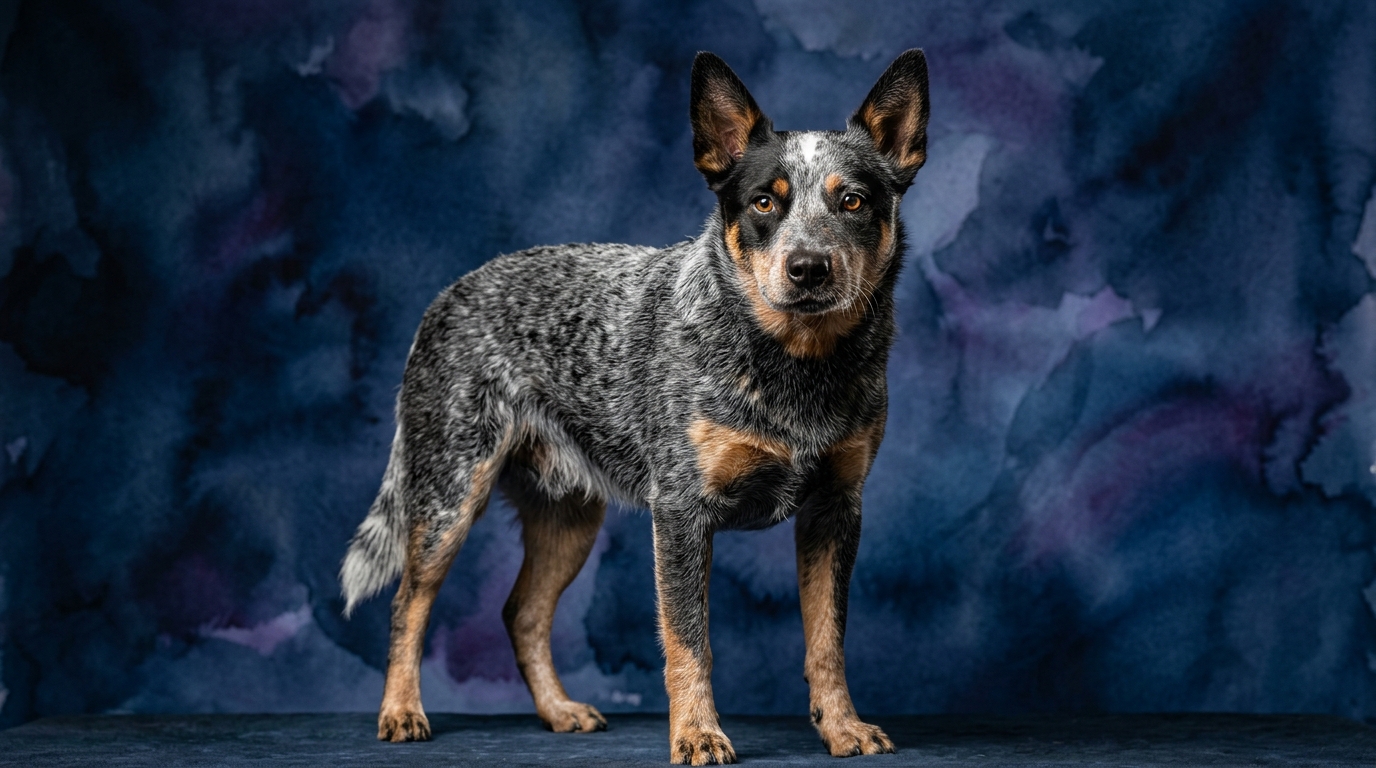
At The Cosmic Pet Pet IQ Lab, we evaluate canine cognition across five key dimensions. The Australian Cattle Dog, a Herding breed, ranks #10 on Coren's scale, indicating exceptional working intelligence. Its profile boasts a 5/5 in Problem Solving, meaning these dogs are adept at navigating complex scenarios and devising innovative solutions. Their Training Speed is also a perfect 5/5, allowing for rapid command acquisition and skill mastery. Social Intelligence stands at 3/5, suggesting a focus on their primary handler and task rather than broad social engagement. An overwhelming 5/5 Instinctive Drive underscores their deep-seated urge to herd and control movement, while their Memory is an impressive 5/5, ensuring excellent recall of learned experiences and commands.
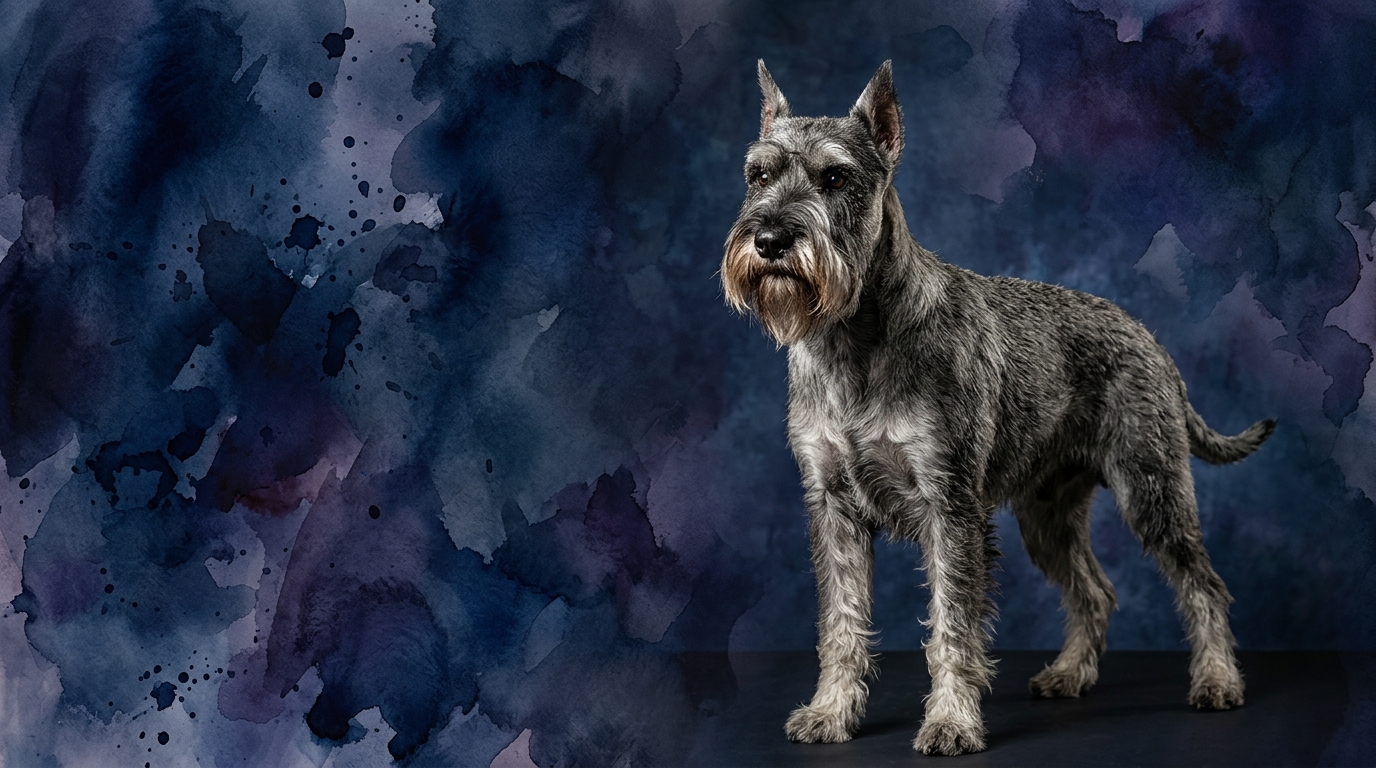
The Standard Schnauzer, a Working breed, holds a respectable #22 on Coren's scale, showcasing a strong capacity for obedience and adaptive intelligence. Their Problem Solving is rated 4/5, indicating a solid ability to figure out puzzles and adapt to new situations, though perhaps with less spontaneous improvisation than an ACD. Training Speed is 4/5, meaning they learn quickly and respond well to consistent instruction. Similar to the ACD, their Social Intelligence is 3/5, as they tend to be devoted to their family but reserved with strangers. Their Instinctive Drive is 3/5, rooted in guarding and vermin control, a strong but generally more manageable impulse than the ACD's herding drive. Lastly, their Memory is 4/5, allowing them to retain training and routines effectively.
Where the Australian Cattle Dog Excels Cognitively
The Australian Cattle Dog's cognitive strengths lie in their unparalleled combination of problem-solving, training speed, and memory. Their 5/5 Problem Solving isn't just about following a path; it's about evaluating obstacles and devising novel solutions. For instance, if a gate is latched differently than usual, an ACD might not just wait; they could experiment with pushing, pulling, or even digging to bypass it, demonstrating a profound capacity for practical reasoning and improvisation.
Coupled with their 5/5 Training Speed, ACDs absorb complex multi-step commands and intricate routines with astonishing swiftness. This makes them exceptional candidates for advanced obedience, specialized working roles, or dog sports requiring intricate sequences. The synergy of their high problem-solving and perfect memory (5/5) means they don't just learn; they remember past successes and failures, strategically applying these learned experiences to new, similar scenarios. An ACD’s memory extends beyond commands to remembering specific routes, livestock patterns, or even where a favorite toy was hidden weeks ago, showcasing a depth of practical intelligence that is truly remarkable.
Where the Standard Schnauzer Shows Unique Cognitive Strengths
While the Australian Cattle Dog might score higher in raw cognitive dimensions, the Standard Schnauzer possesses a blend of traits that offers distinct practical advantages, particularly for certain lifestyles. Their 3/5 instinctive drive, focused on guarding and companionship, is generally more adaptable to a broader range of domestic environments than the ACD’s intense herding impulse. This translates to a strong sense of purpose without the relentless, all-consuming need for a specific outlet that an ACD requires, making their inherent drives more easily integrated into a family setting.
The Standard Schnauzer's 4/5 Problem Solving, combined with their specific working heritage, makes them particularly adept at tasks requiring vigilance and discernment. They excel at identifying unusual sounds or movements, making them excellent watchdogs whose cognitive efforts are directed towards assessing potential threats rather than solely manipulating their environment. Furthermore, their slightly less intense training speed (4/5) compared to the ACD might lead to a more deliberate, deeply ingrained understanding of commands. While an ACD might grasp a concept faster, a Standard Schnauzer often internalizes it with a reliability that is less prone to being 'overthought' or reinterpreted by the dog's own independent problem-solving attempts, leading to consistent and dependable behavior once learned.
Training Dynamics: Which Breed is Easier to Train?
Assessing 'easier to train' requires nuance, as both breeds are capable learners but present different challenges. The Australian Cattle Dog, with a 5/5 Training Speed, will acquire new commands and skills at a staggering pace. However, their 5/5 Instinctive Drive and 5/5 Problem Solving mean that 'training' an ACD is less about teaching commands and more about expertly channeling their immense mental and physical energy. They might learn 'stay' quickly, but their strong instincts could lead them to decide that chasing a squirrel is a more pressing task, or they might devise a novel way to bypass a boundary. Training an ACD demands consistent mental engagement, a firm yet fair handler, and a proactive approach to anticipating their strategic thinking.
The Standard Schnauzer, by contrast, is generally easier to train for the average owner due to their more moderate 3/5 Instinctive Drive and slightly less intense 4/5 Problem Solving. While still requiring consistency and mental stimulation, their drives are more focused on guarding and companionship, making them less likely to invent new problems or override commands with an overwhelming internal agenda. Their 4/5 Training Speed ensures they are still quick learners, but their learning style is often more straightforward, less prone to the 'what if I try this instead?' mentality that an ACD can exhibit. Standard Schnauzers are eager to please their family and respond very well to positive reinforcement, making the training process a rewarding partnership.
Matching Cognitive Profiles to Owner Lifestyles
The Australian Cattle Dog is unequivocally suited for the highly active, experienced, and dedicated owner. Their relentless 5/5 Instinctive Drive and 5/5 Problem Solving demand constant physical and mental stimulation. These dogs thrive in environments where they have a discernible 'job' – whether it's actual herding, advanced agility, flyball, or long, challenging hikes that engage both their bodies and minds. A relaxed or inexperienced owner would quickly find an ACD creating their own (often destructive or disruptive) entertainment due to unmet needs for activity and complex mental engagement. Their tireless energy and strategic minds demand an owner who can consistently match their pace and provide challenging tasks to fulfill their cognitive and physical requirements.
The Standard Schnauzer, while certainly an active breed, offers a more adaptable energy level, making them a better fit for owners who are active but perhaps not intensely so every single day. Their 3/5 Instinctive Drive means they genuinely enjoy regular walks, interactive playtime, and mental puzzles, but they don't possess the same relentless, all-consuming need for a 'job' as an ACD. They are highly adaptable and can enjoy quiet time with their family after their exercise needs are met. A moderately active owner who enjoys daily walks, some interactive games, and values a vigilant companion would find a Standard Schnauzer a profoundly rewarding partner. Their guarding instincts also make them content to be a watchful presence around the home, fulfilling a sense of purpose without demanding extreme daily exertion.
The Verdict
Select an Australian Cattle Dog if you are an experienced, highly active owner eager to channel prodigious mental and physical energy into advanced training, dog sports, or a working role; their exceptional problem-solving and memory demand an equally engaged handler.
Opt for a Standard Schnauzer if you seek a vigilant, loyal companion with substantial cognitive abilities and a manageable drive, suitable for a moderately active household that appreciates a clever dog without the ACD's relentless working demands.
🧠 Find Your Pet's IQ Score
Our Pet IQ Lab assessment covers 25+ tests across 5 cognitive dimensions — personalized to your breed.
Take the Full IQ Test →Frequently Asked Questions
Do Australian Cattle Dogs and Standard Schnauzers get along with other pets?
Both breeds can coexist with other pets, especially if socialized extensively from a young age. ACDs, with their strong herding drive, might attempt to 'herd' other animals, which requires careful management to prevent stress or injury to smaller pets. Standard Schnauzers, having a historical role in vermin control, might possess a higher prey drive towards smaller, non-canine pets, necessitating supervised introductions and ongoing training.
Are these breeds good with children?
Both breeds can be good companions for respectful, well-behaved children within their own family, particularly if raised together and properly socialized. ACDs, due to their herding instincts, might attempt to 'herd' children by nipping at heels, requiring careful management and training. Standard Schnauzers are loyal family guardians but can be reserved or protective with unfamiliar children, making supervision crucial in new social settings.
How much grooming do Australian Cattle Dogs and Standard Schnauzers require?
Australian Cattle Dogs have a short, dense double coat that requires minimal grooming, typically weekly brushing to manage shedding and maintain coat health. Standard Schnauzers have a harsh, wiry coat that requires more intensive grooming, including regular stripping or clipping every few months, along with daily brushing to prevent matting and keep their distinctive appearance.