A Side-by-Side Cognitive Profile
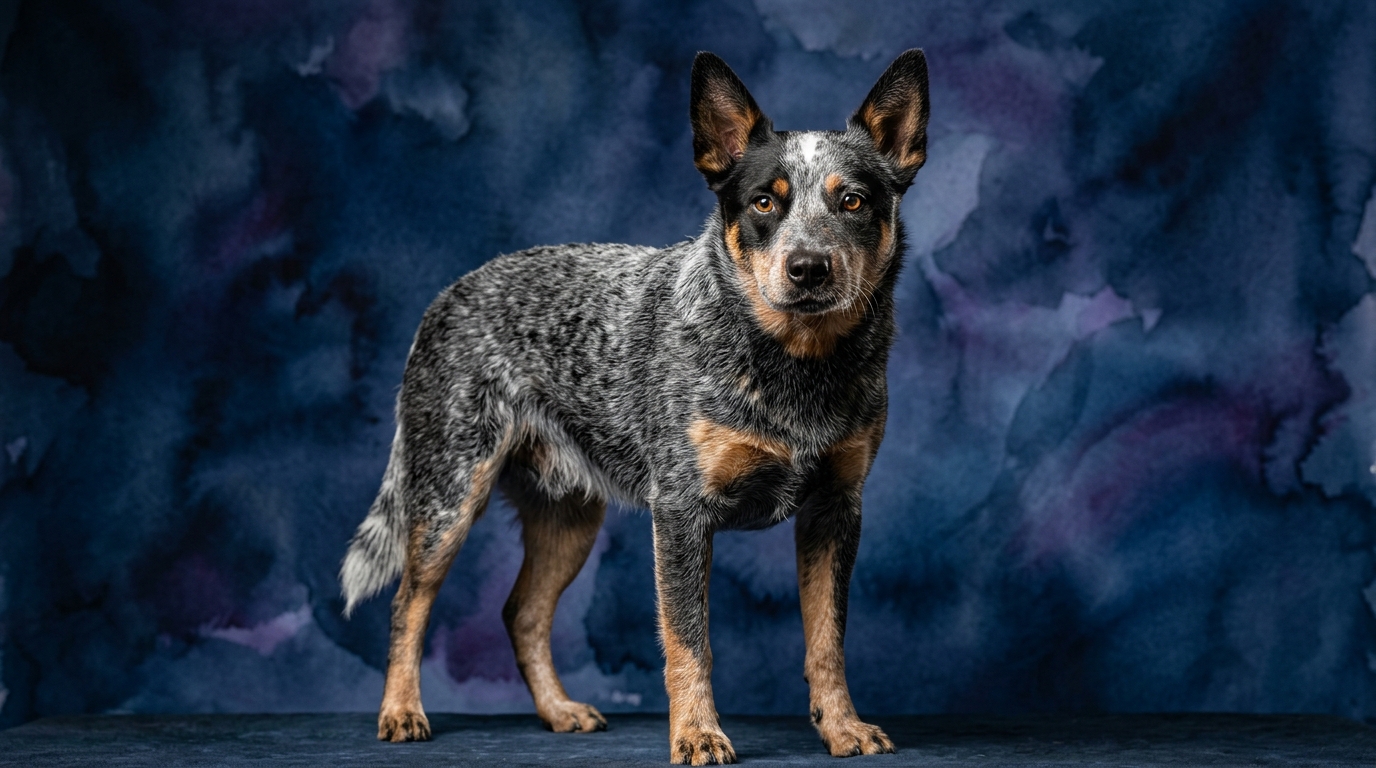
The Cosmic Pet Pet IQ Lab ranks the Australian Cattle Dog (ACD) at Coren #10, reflecting a formidable cognitive toolkit developed for complex herding tasks. Their Problem Solving is rated 5/5, indicating an exceptional capacity to navigate intricate scenarios and devise solutions independently. Training Speed also scores 5/5, meaning they grasp new commands and routines with remarkable rapidity. Their Social Intelligence is 3/5, suggesting they understand human cues but are often driven by their task. An Instinctive Drive of 5/5 underscores their profound innate desire to work, while their Memory, also 5/5, ensures long-term retention of learned behaviors and spatial information.
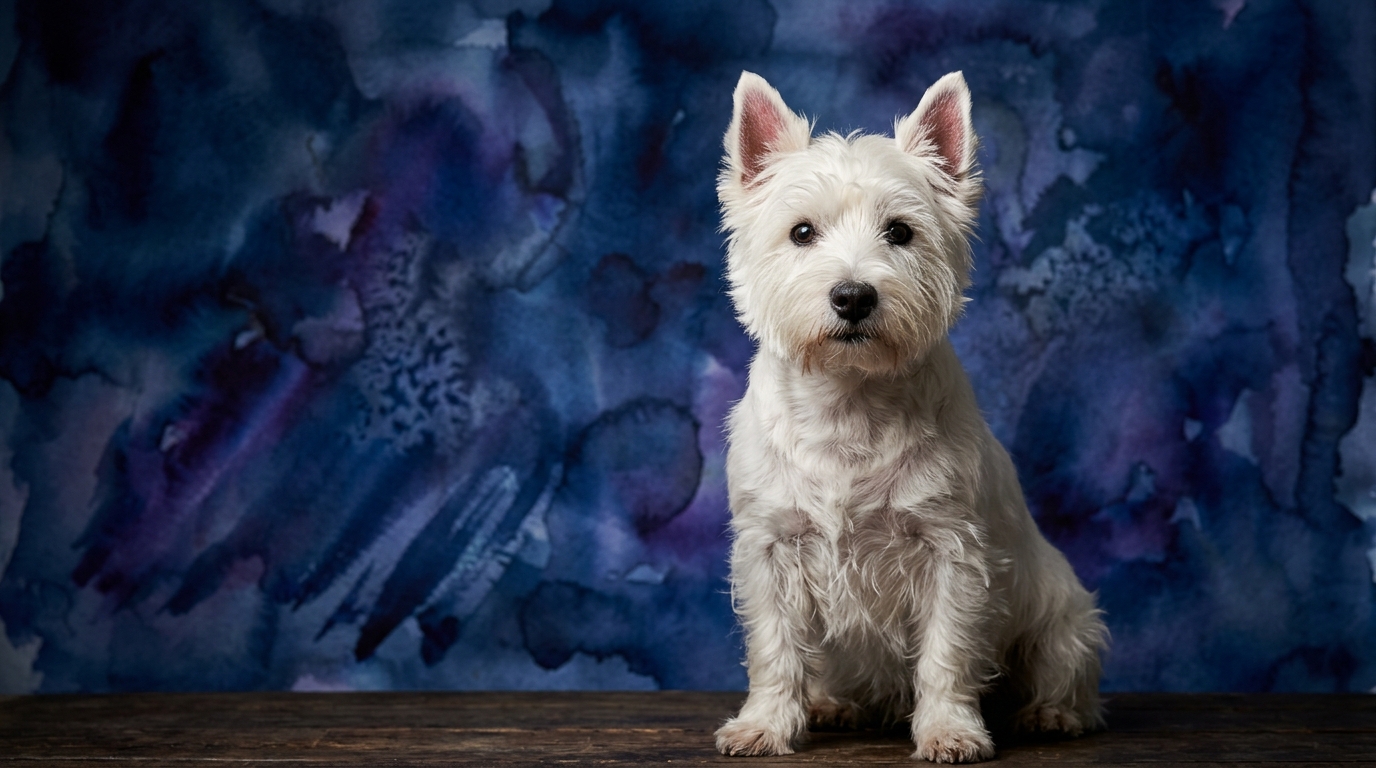
In contrast, the West Highland White Terrier (WHWT), ranked Coren #47, presents a cognitive profile tailored for independent hunting and tenacity. Their Problem Solving is rated 3/5, indicating a practical, often persistent approach to challenges, typically focused on immediate goals like finding prey. Training Speed is 3/5, meaning they learn at a moderate pace, often requiring consistent, engaging methods to overcome their independent streak. Social Intelligence is 3/5, similar to the ACD, but reflecting a self-reliant nature rather than a task-oriented one. Their Instinctive Drive is 3/5, channeling their energy into digging and pursuit. Finally, their Memory scores a respectable 4/5, allowing them to recall locations, scent trails, and learned household routines.
Where the Australian Cattle Dog Excels Cognitively
The Australian Cattle Dog's cognitive strengths are profoundly rooted in their herding heritage, demanding a blend of foresight, adaptability, and precise execution. Their 5/5 Problem Solving isn't just about figuring things out; it's about anticipating livestock movement, adjusting strategies on the fly, and understanding complex sequences of commands. This translates to an innate ability to excel in advanced obedience, agility, and even search and rescue, where they must interpret ambiguous situations and make independent decisions under pressure.
Furthermore, the ACD's perfect 5/5 scores in Training Speed and Memory grant them an unparalleled capacity for acquiring and retaining vast repertoires of behaviors. They don't just learn commands; they internalize them, often connecting them to specific contexts and performing them reliably over extended periods. Their high Instinctive Drive (5/5) means they are intrinsically motivated to engage in challenging mental and physical work, making them highly receptive to continuous learning and engagement, always eager for a purpose.
Where the West Highland White Terrier Demonstrates Unique Cognitive Strengths
While not possessing the same broad cognitive scores as the ACD, the West Highland White Terrier's intelligence shines in areas critical to its purpose as a tenacious hunter of small vermin. Their 3/5 Problem Solving, though lower, is highly effective for their specific tasks; it manifests as persistent resourcefulness in figuring out how to access tight spaces, locate hidden prey, or outwit a burrowing animal. This isn't about complex sequential logic, but rather an unwavering determination to achieve a singular, often physical, objective.
The Westie's 4/5 Memory score is a significant asset, allowing them to effectively recall scent trails, the layout of their territory, or the location of previously buried treasures. This strong spatial and olfactory memory is crucial for independent hunting. Their 3/5 Instinctive Drive, while not as all-encompassing as a herder's, is intensely focused, driving them with remarkable single-mindedness when pursuing a scent or engaging in their natural digging behaviors. This focused drive, combined with their moderate social intelligence, enables them to work independently without constant human direction, a necessary trait for a terrier going to ground.
Trainability: A Tale of Two Temperaments
Training an Australian Cattle Dog is generally a rewarding experience for an engaged owner due to their 5/5 Training Speed and eager-to-please disposition. They thrive on structure, consistency, and mentally stimulating tasks, picking up new commands often in just a few repetitions. Their high memory and problem-solving abilities mean they can quickly generalize learned behaviors to new environments and situations, making them excellent candidates for advanced training disciplines and dog sports. However, their high drive means training must be continuous and varied to prevent boredom and redirected energy.
Training a West Highland White Terrier, with their 3/5 Training Speed, requires a different approach, characterized by patience, positive reinforcement, and a deep understanding of their terrier independent spirit. Westies are not deliberately disobedient, but they were bred to make their own decisions underground, often out of sight from a handler. This translates into a charming stubbornness, where they might weigh the immediate reward of a command against their own desires. Success hinges on making training highly engaging, fun, and consistently demonstrating that cooperation yields better outcomes than independent action.
Matching Canine Cognition to Lifestyle: Active vs. Engaged Owners
The Australian Cattle Dog is unequivocally suited for highly active owners who can provide not just physical exercise but also extensive mental stimulation. Their 5/5 instinctive drive demands a job, whether it's herding, competitive dog sports, or complex daily puzzle challenges. Owners who enjoy long hikes, running, and dedicating significant time to training and interactive play will find a loyal and engaged partner. A relaxed or sedentary owner will quickly find an ACD becoming bored, potentially leading to destructive behaviors or excessive barking, as their powerful mind seeks an outlet.
The West Highland White Terrier, while energetic, fits a different niche of owner. They are well-suited for engaged owners who appreciate a spirited companion but might not be seeking a full-time working partner. Westies enjoy moderate daily walks, playtime, and opportunities to explore and sniff. Their independent nature means they can be content with slightly less constant human direction than an ACD, but they still require consistent mental engagement through interactive toys, short training sessions, and opportunities to satisfy their digging and chasing instincts in appropriate ways. They are not a completely relaxed lapdog, but their energy is more manageable for a moderately active household.
The Verdict: Choosing Your Canine Companion
The Verdict
Choose an Australian Cattle Dog if you are an experienced, highly active individual or family seeking a dedicated, intelligent working partner for complex tasks, dog sports, or extensive outdoor adventures. You must be prepared to provide consistent mental and physical challenges to satisfy their profound drive.
Opt for a West Highland White Terrier if you appreciate an independent, spirited, and charmingly stubborn companion who thrives on moderate activity, engaging play, and consistent, positive training. You should be prepared for their tenacious terrier personality and enjoy their self-sufficient nature.
🧠 Find Your Pet's IQ Score
Our Pet IQ Lab assessment covers 25+ tests across 5 cognitive dimensions — personalized to your breed.
Take the Full IQ Test →Frequently Asked Questions
Are Australian Cattle Dogs good for first-time dog owners?
Australian Cattle Dogs are generally not recommended for first-time dog owners due to their intense energy levels, powerful working drive, and need for consistent, experienced guidance. Their high intelligence requires an owner who understands how to channel their cognitive abilities constructively.
Do West Highland White Terriers shed a lot?
West Highland White Terriers have a double coat that does shed, but typically less than many other breeds. Regular brushing, at least a few times a week, and professional grooming or hand-stripping helps manage shedding and maintain coat health.
Which breed is better with children?
Both breeds can be good with children when properly socialized and raised. However, an Australian Cattle Dog's herding instinct might lead them to 'nip' at running children, requiring careful supervision. Westies are generally robust but may prefer older, respectful children due to their independent streak.