Side-by-Side IQ Profile
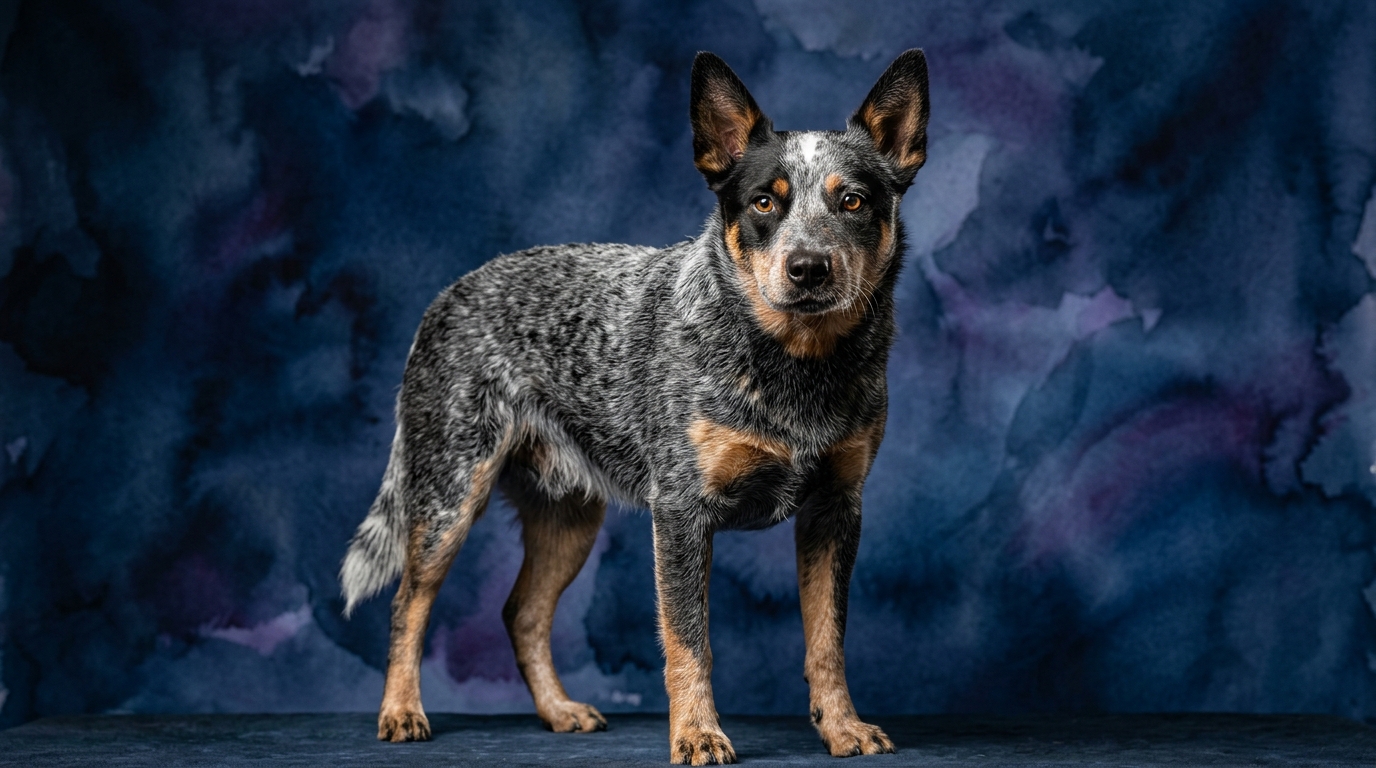
The Australian Cattle Dog (ACD) presents a cognitive profile built for demanding tasks. Their Problem Solving ability is rated at 5/5, indicating an exceptional capacity to analyze situations and independently devise solutions. Training Speed also sits at 5/5, meaning they grasp new commands and routines with remarkable swiftness, often requiring minimal repetition. Social Intelligence is rated 3/5, suggesting they understand human cues but may prioritize tasks over social niceties, sometimes appearing reserved. An Instinctive Drive of 5/5 highlights a profound innate motivation for work, herding, or pursuit, making them highly driven individuals. Finally, their Memory is 5/5, signifying an exceptional ability to recall learned behaviors, commands, and environmental details over extended periods.
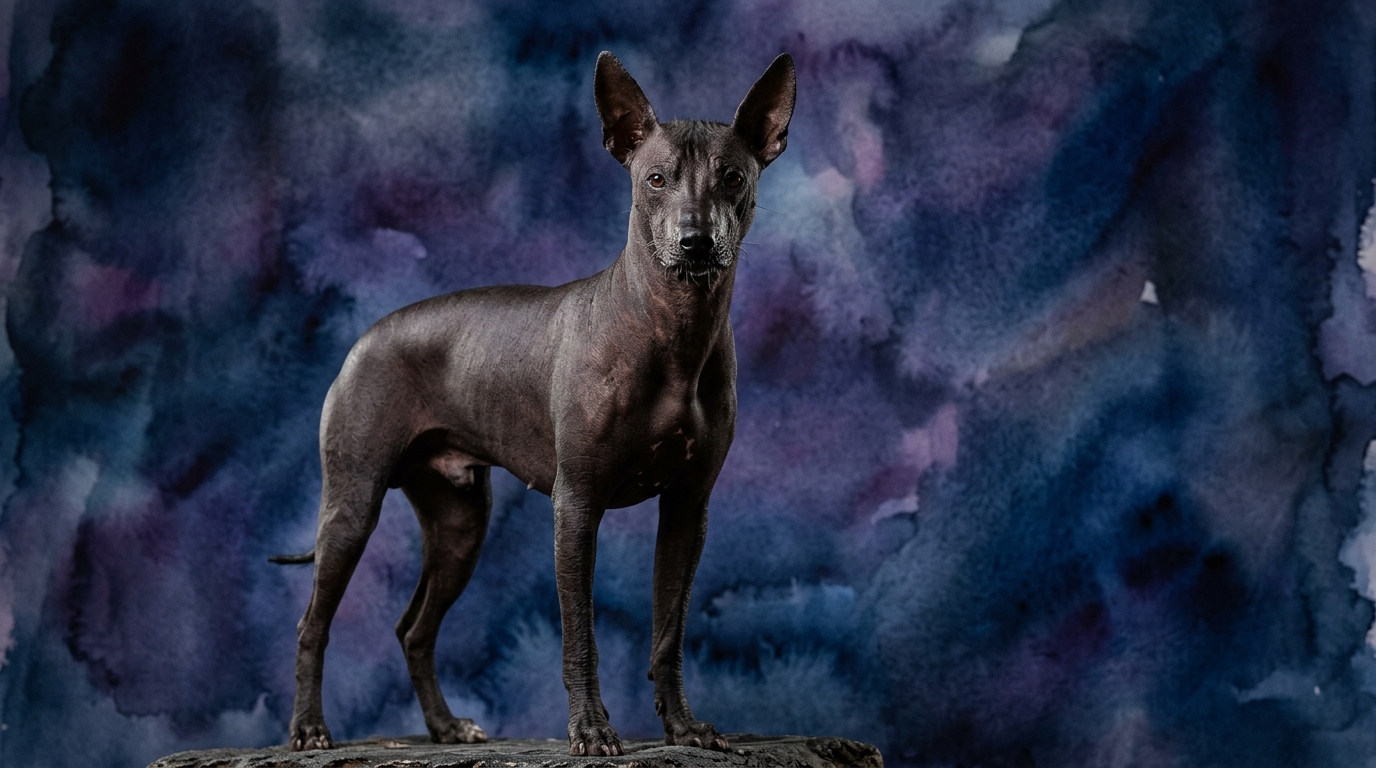
In contrast, the Xoloitzcuintli offers a more balanced cognitive landscape. Their Problem Solving ability is 3/5, meaning they can tackle moderately complex challenges but might require more guidance or trial-and-error compared to highly analytical breeds. Training Speed is 3/5, suggesting they learn at a steady, average pace, requiring consistent and patient instruction. Social Intelligence also registers 3/5, indicating a capacity to form bonds and understand human intentions, similar to the ACD, though expressed through different social behaviors. An Instinctive Drive of 3/5 points to a moderate level of innate motivation, present but not overwhelming, allowing for a broader range of activities beyond intense work. Their Memory is 3/5, implying a solid ability to retain information and learned behaviors, consistent with an average learner.
Where Australian Cattle Dog Wins Cognitively
The Australian Cattle Dog's cognitive strengths are undeniably rooted in their heritage as working dogs. Their 5/5 Problem Solving ability means they aren't just following commands; they are actively assessing situations, making decisions, and adjusting their approach to achieve a goal. For instance, an ACD might instinctively figure out how to navigate a complex obstacle course to gather scattered “sheep” (or toys), demonstrating true ingenuity rather than rote memorization. This capacity for independent thought and strategic planning is a hallmark of their intellect.
Their 5/5 Training Speed is directly linked to this problem-solving prowess and their innate drive. They process information rapidly, connecting cause and effect quickly. A single demonstration or a few repetitions might be all it takes for an ACD to understand a new trick or a complex sequence of commands. This rapid assimilation of knowledge, coupled with their 5/5 Memory, means that once a behavior is learned, it is deeply ingrained. They recall commands reliably, even after long periods without practice, making them exceptionally consistent performers in structured environments like obedience or agility trials. Their 5/5 Instinctive Drive further fuels this, providing the motivation to engage with and excel in demanding cognitive tasks, often thriving on challenges that would overwhelm less driven breeds.
Where Xoloitzcuintli Wins Cognitively
While the Xoloitzcuintli's cognitive profile sits at a balanced 3/5 across the board, this moderation offers distinct advantages, particularly in adaptability and suitability for certain lifestyles. Their 3/5 Instinctive Drive, in contrast to the ACD's intense 5/5, means they are less compelled by an overwhelming urge to work or herd. This translates into a dog that is generally more relaxed in a home environment, less prone to creating their own “jobs” if not given structured tasks, and often content with less intense mental stimulation than an ACD demands.
The Xolo's 3/5 Problem Solving and Training Speed, while not top-tier, signify a capable learner who is often more amenable to a less rigorous training schedule. They can certainly learn complex commands and routines, but their process is typically more deliberate, less frantic, and perhaps more patient. This can be a significant “win” for owners who appreciate a dog that learns steadily without the constant need for novel challenges or highly stimulating activities. Their 3/5 Social Intelligence, matching the ACD, suggests an adequate capacity for understanding human cues, but without the ACD's potential for single-minded task focus overriding social nuances. This often results in a dog that is present and engaged, but not necessarily pushing boundaries with their intellect.
Which is Easier to Train and Why
Assessing “easier” depends heavily on the owner's experience and expectations. The Australian Cattle Dog, with its 5/5 Training Speed and 5/5 Memory, learns new commands and complex sequences with astonishing rapidity. They are quick to understand and retain information, making them seem effortless to train for experienced handlers who can match their mental intensity. However, their 5/5 Instinctive Drive and 5/5 Problem Solving mean they require consistent, engaging, and challenging training to prevent boredom, which can manifest as destructive behaviors or self-employment. An ACD isn't just easy to teach; they are driven to learn and need to be taught, often pushing the limits of what's presented to them. Their tendency to “out-think” their environment can be perceived as stubbornness by novice trainers.
The Xoloitzcuintli, with its 3/5 in Training Speed and Memory, learns at a more moderate pace, requiring more repetition and patience. They are not as inherently driven to work for work's sake, which means motivation often relies more on positive reinforcement and building a strong bond. While they might take longer to grasp a new command, their moderate Instinctive Drive means they are less likely to invent their own activities if training isn't constant. This can make them “easier” for a relaxed owner who prefers a steady, unpressured training approach and isn't looking for a canine prodigy. The Xolo's typical independence means they might not always be instantly compliant, requiring a nuanced understanding of their motivation, but they generally don't possess the same level of intellectual intensity that an ACD will bring to every training session.
Which Suits Active Owners vs. Relaxed Owners
The Australian Cattle Dog is unequivocally suited for active owners who are prepared to engage deeply with their dog's formidable cognitive and physical needs. Their 5/5 Instinctive Drive, coupled with 5/5 Problem Solving and Memory, translates into a dog that thrives on purpose and mental stimulation. Owners who enjoy dog sports like agility, obedience, herding, or flyball will find an ACD an eager and capable partner. They require daily, vigorous exercise that goes beyond a simple walk, often involving complex problem-solving games, puzzle toys, and structured training sessions to keep their minds occupied. A relaxed owner who cannot provide this level of engagement may find an ACD channeling its considerable intellect and drive into less desirable activities, such as incessant barking, destructive chewing, or attempting to “herd” family members.
The Xoloitzcuintli, with its balanced 3/5 ratings across all cognitive dimensions, is a better fit for owners seeking a companion with a moderate activity level and a less intense demand for constant mental work. While Xolos do require regular exercise and mental engagement, their instinctive drive is not as overwhelming as an ACD's. They are often content with daily walks, playtime in the yard, and interactive toys, without the same pressure for structured “jobs” or high-stakes problem-solving. A relaxed owner who appreciates a calm presence but still enjoys regular, but not extreme, engagement would find a Xolo more compatible. They are often described as thoughtful and observant, enjoying quiet companionship as much as a good play session, making them adaptable to varying household dynamics without the constant need for an outlet for their intellect.
The Verdict
Choose an Australian Cattle Dog if you are an experienced, active owner ready to commit to rigorous daily mental and physical challenges, seeking a highly driven partner for dog sports or complex tasks.
Opt for a Xoloitzcuintli if you prefer a moderate companion who learns steadily, requires less intense daily mental stimulation, and offers a calm, independent presence in a home.
🧠 Find Your Pet's IQ Score
Our Pet IQ Lab assessment covers 25+ tests across 5 cognitive dimensions — personalized to your breed.
Take the Full IQ Test →Frequently Asked Questions
Do Australian Cattle Dogs get bored easily?
Yes, Australian Cattle Dogs, with their 5/5 Problem Solving and Instinctive Drive, become bored very easily without consistent mental and physical challenges. This can lead to them creating their own entertainment, which often manifests as unwanted behaviors like excessive barking or destructive chewing.
Are Xoloitzcuintli difficult to train because they aren't Coren-ranked?
The Xoloitzcuintli is not difficult to train; their 3/5 Training Speed indicates they learn at an average pace, requiring consistency and patience rather than extraordinary effort. Their lack of Coren ranking simply means they don't feature in the top tier of working obedience intelligence, not that they are incapable learners.
Which breed is better for first-time dog owners?
The Xoloitzcuintli is generally more suitable for first-time dog owners due to its moderate cognitive demands and instinctive drive, offering a more forgiving training curve. An Australian Cattle Dog's intense cognitive needs and high drive typically require an experienced handler to manage effectively.