Side-by-Side IQ Profile: Australian Shepherd vs. Boykin Spaniel
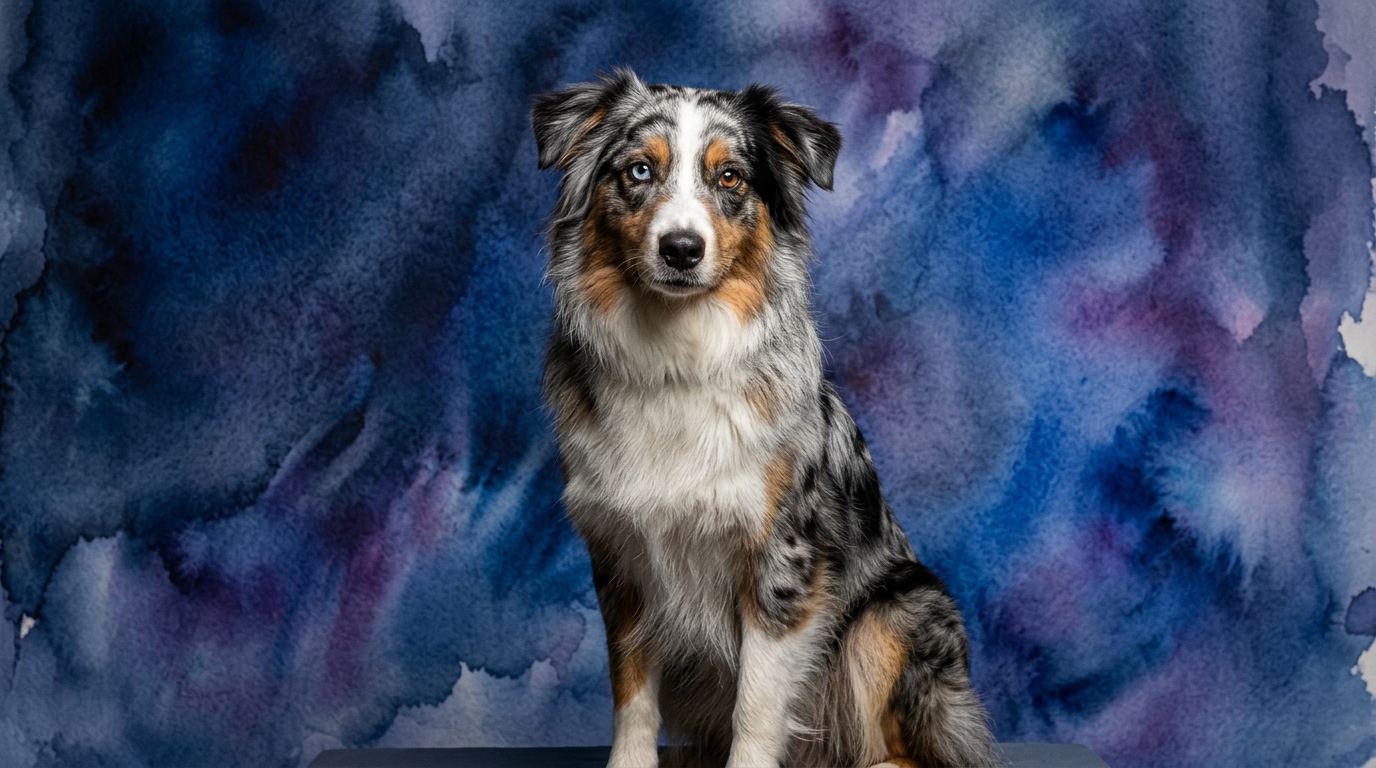
The Australian Shepherd, a breed forged for demanding herding tasks, consistently demonstrates a profound cognitive capacity. Their Problem Solving is rated a perfect 5/5, reflecting a remarkable ability to analyze complex situations, devise strategies to outmaneuver livestock, or solve intricate puzzle toys. Training Speed also scores 5/5, indicating an exceptional aptitude for rapid learning and retaining new commands and behaviors, often picking up new concepts in very few repetitions. Social Intelligence, at 4/5, shows they are adept at reading human cues and intentions, fostering strong partnerships, though their drive for work might sometimes overshadow purely social interactions. Their Instinctive Drive is a powerful 5/5, channeling their inherent herding impulses into focused, persistent work. Finally, their Memory, a stellar 5/5, underpins their ability to recall intricate sequences of commands, locations, and learned experiences over long periods, making them incredibly reliable partners.
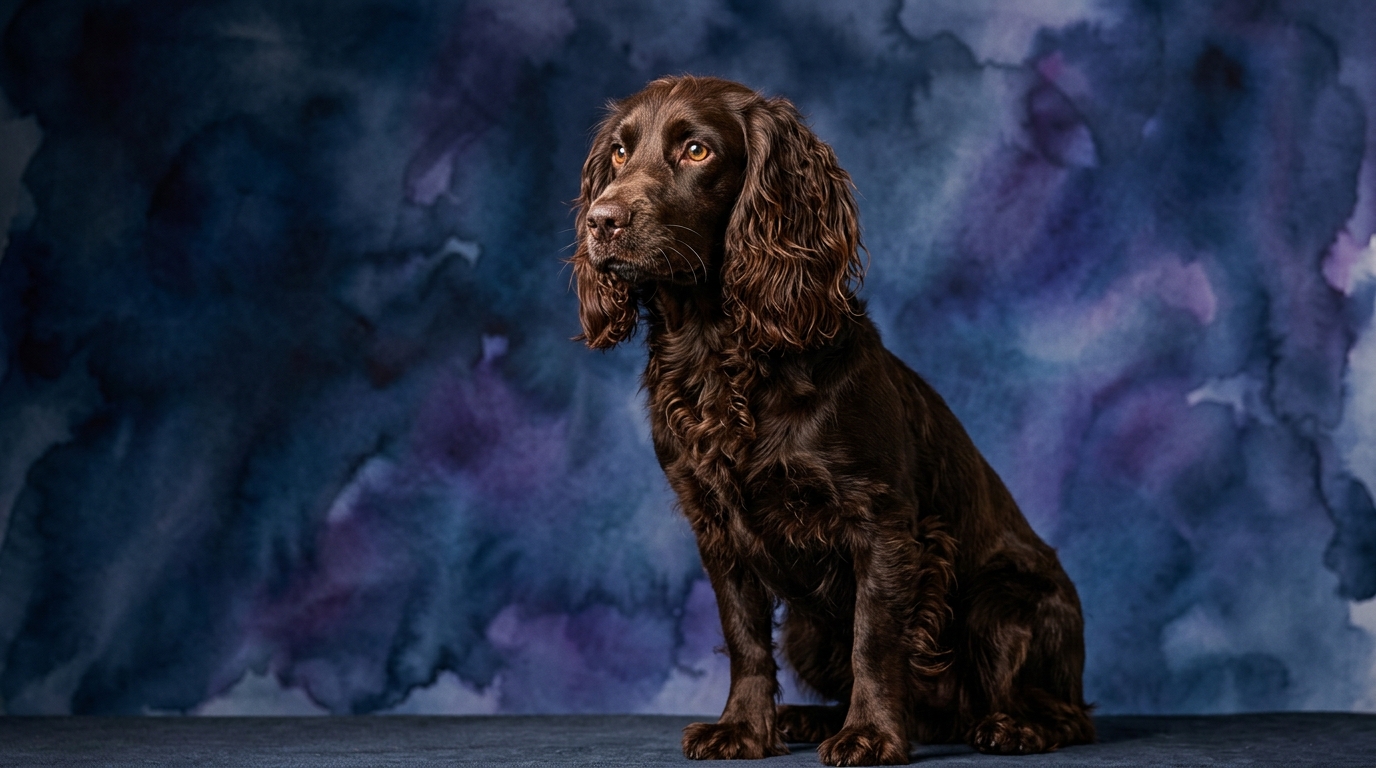
In contrast, the Boykin Spaniel, a cherished hunting companion from South Carolina, presents a different yet equally valuable cognitive blueprint. Their Problem Solving is rated 3/5, suggesting a practical intelligence geared towards specific tasks rather than broad, abstract challenges; they excel at practical, task-specific problem-solving, such as systematically quartering a field to locate game or navigating dense cover to retrieve a bird. Training Speed, at 3/5, indicates they are capable learners, though they may require more consistent repetition and patience to master new skills compared to breeds with higher scores. Social Intelligence, also 3/5, points to a generally agreeable and cooperative nature, happy to work alongside their human companions, though perhaps less prone to intricate communication or subtle manipulation. Their Instinctive Drive, rated 3/5, is specifically tuned for flushing and retrieving, providing a focused, manageable work ethic without the incessant drive seen in some other working breeds. Memory, at 3/5, is sufficient for their tasks, allowing them to remember commands and retrieve locations, but perhaps not with the same depth or longevity as breeds scoring higher.
Where the Australian Shepherd Wins Cognitively
The Australian Shepherd’s cognitive profile shines brightly in areas demanding multifaceted mental engagement and rapid adaptation, a direct result of their demanding herding heritage. Their perfect 5/5 Problem Solving and 5/5 Training Speed synergize to create a canine mind that not only quickly grasps new concepts but actively seeks to understand and manipulate its environment. This manifests in their remarkable ability to excel in complex dog sports like agility, obedience, and flyball, where they must interpret varied commands, navigate intricate obstacle courses, and make split-second decisions often without direct handler input. Their powerful 5/5 Instinctive Drive fuels a relentless pursuit of purpose, whether it's managing livestock with sophisticated flanking movements or mastering intricate freestyle routines, making them highly self-motivated learners. This breed demonstrates an exceptional capacity for generalization, applying learned principles to entirely new scenarios rather than merely repeating rote behaviors. Their stellar 5/5 Memory ensures that lessons learned are deeply ingrained, allowing for consistent, reliable performance and recall even after long breaks or in distracting environments. Furthermore, their 4/5 Social Intelligence means they are keenly attuned to their handler's moods, subtle body language, and intentions, fostering a highly responsive and predictive working partnership built on mutual understanding.
Where the Boykin Spaniel Wins Cognitively
While the Boykin Spaniel’s cognitive strengths manifest differently, they are no less valuable, particularly for owners seeking a focused and agreeable companion for specific activities. Their 3/5 Instinctive Drive, specifically tailored for flushing and retrieving, means they are purpose-driven without being overwhelmingly intense. This translates to a dog that is eager to work when asked but can also settle contentedly when off-duty, a balance that can be incredibly appealing to many households. Their 3/5 Problem Solving, while not geared for abstract puzzles, makes them exceptionally good at what they are bred to do: methodically searching for game and executing retrieves with unwavering focus. They are less likely to 'overthink' a situation or become bored and destructive due to a lack of constant, novel mental stimulation, often finding satisfaction in consistent, familiar tasks. The Boykin's 3/5 Social Intelligence fosters a straightforward, cooperative relationship; they are typically eager to please and respond well to clear, consistent guidance, without the potential for complex social dynamics that might arise with more socially nuanced breeds. This makes them wonderfully predictable and less prone to testing boundaries through subtle social cues. Their moderate cognitive profile often leads to a dog that is easier to satisfy mentally with consistent, task-oriented engagement rather than requiring a constant barrage of new, complex challenges, leading to a more relaxed home environment once their basic needs are met.
Which is Easier to Train and Why
When considering ease of training, the Australian Shepherd generally presents a more straightforward path for handlers willing to invest significant time and mental energy. Their 5/5 Training Speed means they absorb new commands and behaviors with remarkable alacrity, often requiring only a few repetitions to solidify a concept. Their high Problem Solving and Memory scores mean they not only learn quickly but also retain information exceptionally well and can apply it flexibly across various contexts. However, this cognitive prowess comes with a significant caveat: their strong instinctive drive and vast mental capacity demand consistent, engaging work. If not adequately stimulated, an Aussie can quickly channel their cognitive energy into undesirable behaviors, such as herding children or furniture, or devising their own 'entertainment' through destructive chewing, digging, or excessive vocalization. Their intelligence requires an active, guiding hand.
In contrast, the Boykin Spaniel, with a 3/5 Training Speed, requires a more patient and consistent approach. They will learn, but typically at a slower pace, needing more repetitions and clearer instructions to master new skills. Their more moderate Instinctive Drive means they are less likely to invent their own complex activities if under-stimulated, often contenting themselves with moderate physical exercise and familiar routines, rather than creating mischief. While they may not pick up advanced tricks as quickly as an Aussie, their agreeable nature and lower propensity for 'thinking outside the box' can make them less challenging for owners who prefer a more predictable and less demanding training partner, as long as consistency is maintained. Their focus on specific tasks, like retrieving, makes them highly biddable within their specialized domain, requiring less generalization across varied commands.
Which Suits Active Owners vs. Relaxed Owners
The choice between an Australian Shepherd and a Boykin Spaniel largely hinges on an owner's lifestyle and their capacity for providing mental and physical engagement. An Australian Shepherd, with its 5/5 Instinctive Drive and 5/5 Problem Solving, thrives with active owners who can provide daily mental challenges alongside vigorous physical exercise. These dogs need a 'job' – whether it's herding, competing in dog sports, engaging in complex trick training, or extensive hiking – to remain balanced and content. Owners who enjoy long runs, extensive training sessions, or dedicating significant time to advanced canine activities will find an Aussie an unparalleled companion, capable of keeping pace both physically and mentally. Their cognitive makeup demands an owner who is equally engaged.
Conversely, a Boykin Spaniel is better suited for owners who appreciate a more moderate pace. Their 3/5 Instinctive Drive means they enjoy regular exercise, especially retrieving, swimming, or brisk walks, but do not possess the same relentless need for constant, high-intensity mental stimulation as an Aussie. While still an active sporting dog, a Boykin can often be satisfied with daily walks, playtime, and occasional field work, making them a good fit for owners who lead active but not intensely demanding lives, or those who prefer a dog that can transition more easily between activity and calm relaxation. They are well-suited for families who enjoy outdoor activities on weekends but appreciate a calmer presence during weekdays.
The Verdict
Choose an Australian Shepherd if you are an experienced, active owner eager for a highly trainable, cognitively agile partner for dog sports, complex tasks, or a demanding working role. They thrive on constant mental engagement and consistent physical activity.
Opt for a Boykin Spaniel if you seek a cheerful, biddable companion for hunting or moderate outdoor activities, valuing a dog that is cooperative and less prone to 'outsmarting' its owner. They prefer consistent routines and focused, specific tasks over broad cognitive challenges.
🧠 Find Your Pet's IQ Score
Our Pet IQ Lab assessment covers 25+ tests across 5 cognitive dimensions — personalized to your breed.
Take the Full IQ Test →Frequently Asked Questions
Is the Australian Shepherd always a better choice due to higher IQ scores?
Not necessarily. While Australian Shepherds excel in broad cognitive measures, a Boykin Spaniel's more moderate profile can be advantageous for owners seeking a dog with focused drives and a less demanding need for constant, complex mental stimulation. The 'better' choice depends entirely on lifestyle fit and what an owner seeks in a canine companion.
Can a Boykin Spaniel learn complex tasks?
Yes, a Boykin Spaniel is capable of learning complex tasks, especially those related to their sporting heritage like intricate retrieving patterns or scent work. Their 3/5 training speed means they may require more patient and consistent repetition than an Australian Shepherd, but their agreeable nature makes them willing and dedicated learners.
How do their social intelligence scores impact their family life?
An Australian Shepherd's 4/5 social intelligence means they are highly perceptive and can adapt well to family dynamics, often forming deep, responsive bonds and anticipating needs. A Boykin Spaniel's 3/5 social intelligence suggests a more straightforward, agreeable disposition, making them generally pleasant family members who enjoy clear communication and consistent interaction without complex social maneuvering or subtle demands.