Side-by-Side IQ Profile
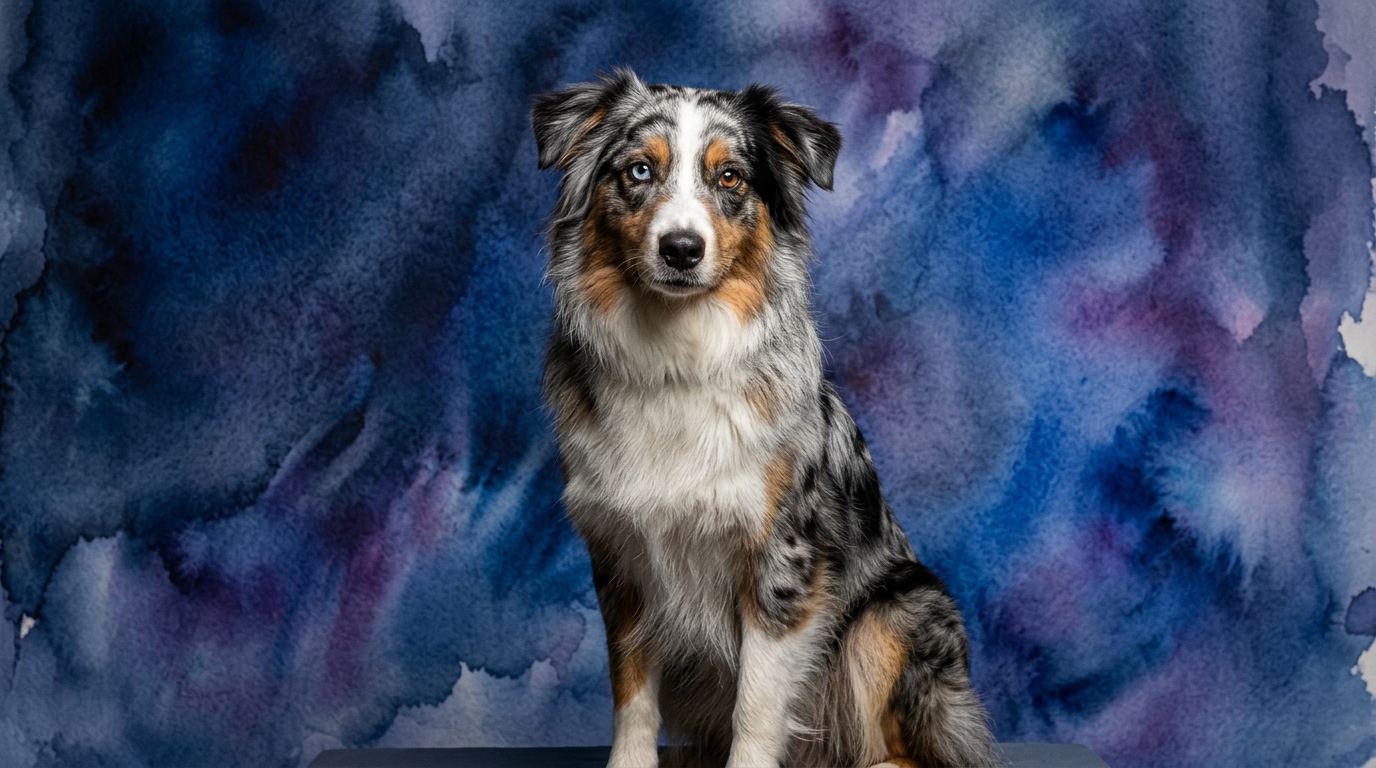
The Cosmic Pet Pet IQ Lab offers a nuanced perspective on canine cognition, moving beyond simple obedience ranks to explore five critical dimensions. For the Australian Shepherd, a breed not ranked by Coren but celebrated for its working acumen, its profile reveals a remarkable cognitive toolkit. Problem Solving scores a perfect 5/5, indicating an exceptional capacity to analyze and devise solutions to complex, novel situations. Its Training Speed also achieves a 5/5, reflecting an eagerness and swiftness in learning new commands and behaviors, often requiring minimal repetition. Social Intelligence stands at 4/5, meaning these dogs are adept at reading human cues and adapting their behavior accordingly. Instinctive Drive is a commanding 5/5, channeling their inherent herding instincts into focused work ethic and engagement. Finally, Memory is a stellar 5/5, allowing them to recall vast repertoires of commands, routines, and experiences with precision.
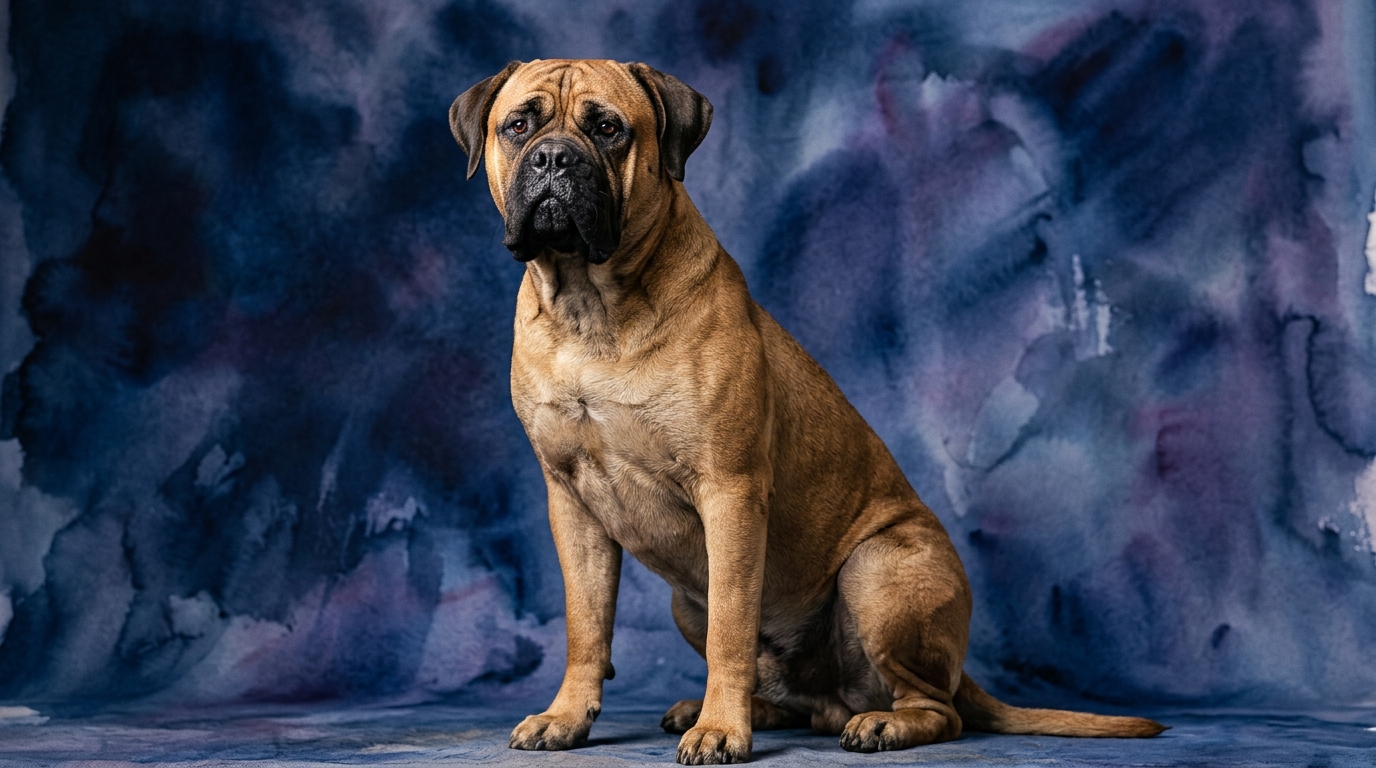
In stark contrast, the Bullmastiff, a working breed holding the 69th rank in Coren's intelligence scale, presents a different cognitive blueprint. Its Problem Solving ability is rated 3/5, suggesting a more deliberate, less spontaneous approach to new challenges, often preferring familiar solutions or requiring more guidance. Training Speed also registers at 3/5, indicating that while capable of learning, they typically require more consistent repetition and patience to master new skills compared to faster learners. Social Intelligence is 3/5, implying they can understand basic human intentions but might not pick up on subtle emotional nuances as readily. Instinctive Drive, at 3/5, is channeled primarily into their guardian role, manifesting as protective vigilance rather than a need for complex tasks. Memory, too, is 3/5, meaning they will remember commands and routines but may not retain extensive sequences or details with the same clarity as breeds with higher scores.
Where Australian Shepherd Wins Cognitively
The Australian Shepherd’s cognitive advantages are evident across its entire IQ profile. Its superior Problem Solving (5/5) means it excels at tasks requiring abstract thought, such as navigating intricate puzzle toys, mastering complex agility courses, or even opening latches and gates. This breed doesn't just follow commands; it understands the underlying goal and can adapt its approach. Coupled with a 5/5 in Training Speed, the Australian Shepherd can string together multiple commands into seamless routines, learning new sports like frisbee or flyball at an astonishing pace, often anticipating the next instruction. Their 5/5 Memory allows them to retain these elaborate sequences and a broad vocabulary of commands over long periods, making advanced training highly rewarding and efficient. Furthermore, their 4/5 Social Intelligence makes them highly attuned to their handler's mood and intentions, often adjusting their performance to maintain engagement and cooperation.
Where Bullmastiff Wins Cognitively
While the Bullmastiff's cognitive scores are generally lower, their intelligence is uniquely suited to their purpose, offering distinct advantages. Their 3/5 in Instinctive Drive, rather than being a deficit, manifests as a focused, unwavering protective instinct. This isn't about solving complex puzzles, but about consistently assessing their environment for potential threats and acting as a steadfast guardian, a cognitive strength rooted in their breed history. Their Social Intelligence (3/5) translates into a deep, consistent loyalty to their immediate family, allowing them to discern who belongs and who might be an intruder with a calm, deliberate assessment rather than rapid, fleeting judgments. They might not quickly pick up on every subtle human emotion, but they form profound, enduring bonds. Their Problem Solving (3/5) encourages a methodical approach; once they understand a routine or a boundary, they are incredibly consistent and reliable, preferring established patterns over constant novelty. This steadfastness, rather than quick adaptability, is a cognitive win for owners seeking predictability and a stable presence.
Which is Easier to Train and Why
Without question, the Australian Shepherd is the easier breed to train, a direct reflection of its exceptional IQ profile. Their 5/5 Training Speed means they absorb new information rapidly, often understanding a command after only a few repetitions. This quick comprehension, combined with their 5/5 Memory, allows them to build an extensive vocabulary of cues and behaviors. Real behavioral differences include their intense focus during training sessions, their eagerness to please, and their inherent drive to work alongside their handler, often making training feel like a collaborative sport. They thrive on mental stimulation and positive reinforcement, quickly associating actions with rewards and rarely forgetting what they’ve learned.
The Bullmastiff, with its 3/5 in Training Speed and Memory, requires a different approach. Training them demands significant patience, consistency, and a deep understanding of their motivations. They will learn, but it will take more repetitions and a slower pace. Their Problem Solving (3/5) indicates they might not generalize commands to new environments as quickly, necessitating training in varied contexts. Behavioral differences include a tendency towards independent thought; they are not inherently driven to please in the same intense way an Aussie is. Owners often find success by making training fun, using high-value rewards, and keeping sessions short to maintain their attention. While they can achieve a high level of obedience, it's typically through consistent, calm reinforcement rather than rapid-fire learning.
Which Suits Active Owners vs Relaxed Owners
The Australian Shepherd is unequivocally suited for active owners who can provide ample physical exercise and, crucially, consistent mental stimulation. Their 5/5 Instinctive Drive fuels a relentless need for engagement, whether through herding sports, agility, obedience trials, or long hikes. Owners who thrive on outdoor adventures, enjoy intricate training, or seek a canine partner for demanding activities will find the Aussie an unparalleled companion. A relaxed owner who cannot meet their cognitive and physical demands will likely encounter behavioral challenges rooted in boredom and unfulfilled drives.
Conversely, the Bullmastiff is a much better fit for relaxed owners, though this does not mean they are entirely sedentary. While they appreciate a good daily walk or a short play session, their 3/5 Instinctive Drive translates into a lower overall energy requirement compared to the Aussie. They are generally content to be near their family, often preferring to lounge indoors. Their cognitive needs are also less demanding in terms of complex problem-solving or continuous task work. Owners who appreciate a calm, steadfast presence, enjoy a more moderate exercise routine, and are prepared for consistent, patient training will find the Bullmastiff a devoted, albeit sometimes stubbornly independent, companion. They are protectors, not perpetual motion machines.
The Verdict
Opt for an Australian Shepherd if you are an active, dedicated owner seeking a highly trainable, mentally agile companion for sports, advanced obedience, or a working role, and are prepared to meet their intense needs for physical and cognitive engagement.
Select a Bullmastiff if you desire a loyal, steadfast guardian with a calm demeanor, appreciate a more relaxed lifestyle, and are committed to patient, consistent training to channel their protective instincts effectively.
🧠 Find Your Pet's IQ Score
Our Pet IQ Lab assessment covers 25+ tests across 5 cognitive dimensions — personalized to your breed.
Take the Full IQ Test →Frequently Asked Questions
Do Australian Shepherds need constant mental challenges?
Yes, with a Problem Solving and Memory score of 5/5, Australian Shepherds thrive on continuous mental stimulation. Without it, they can become bored and develop undesirable behaviors, making puzzle toys, training, and interactive games essential.
Are Bullmastiffs difficult to train because of their lower IQ scores?
Bullmastiffs are not difficult, but they require more patience and consistency due to their 3/5 Training Speed and Memory. They learn best with positive reinforcement, shorter sessions, and clear, repetitive commands, making progress slower but achievable.
Which breed is better for a first-time dog owner?
Neither breed is typically recommended for an inexperienced owner without dedicated research and commitment. However, the Australian Shepherd's intense needs for mental and physical stimulation can be overwhelming, while the Bullmastiff's size and independent nature require a firm, consistent leader.