Side-by-Side Cognitive Profiles
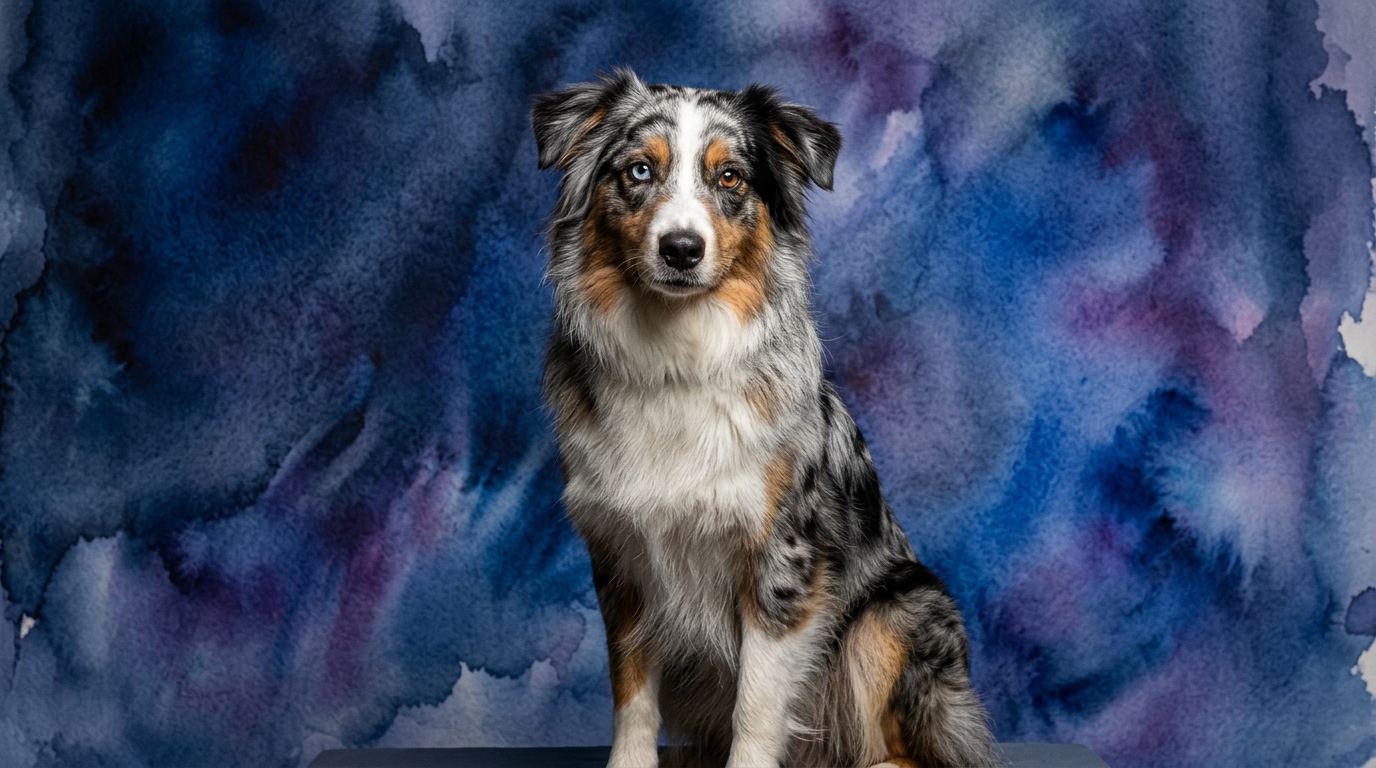
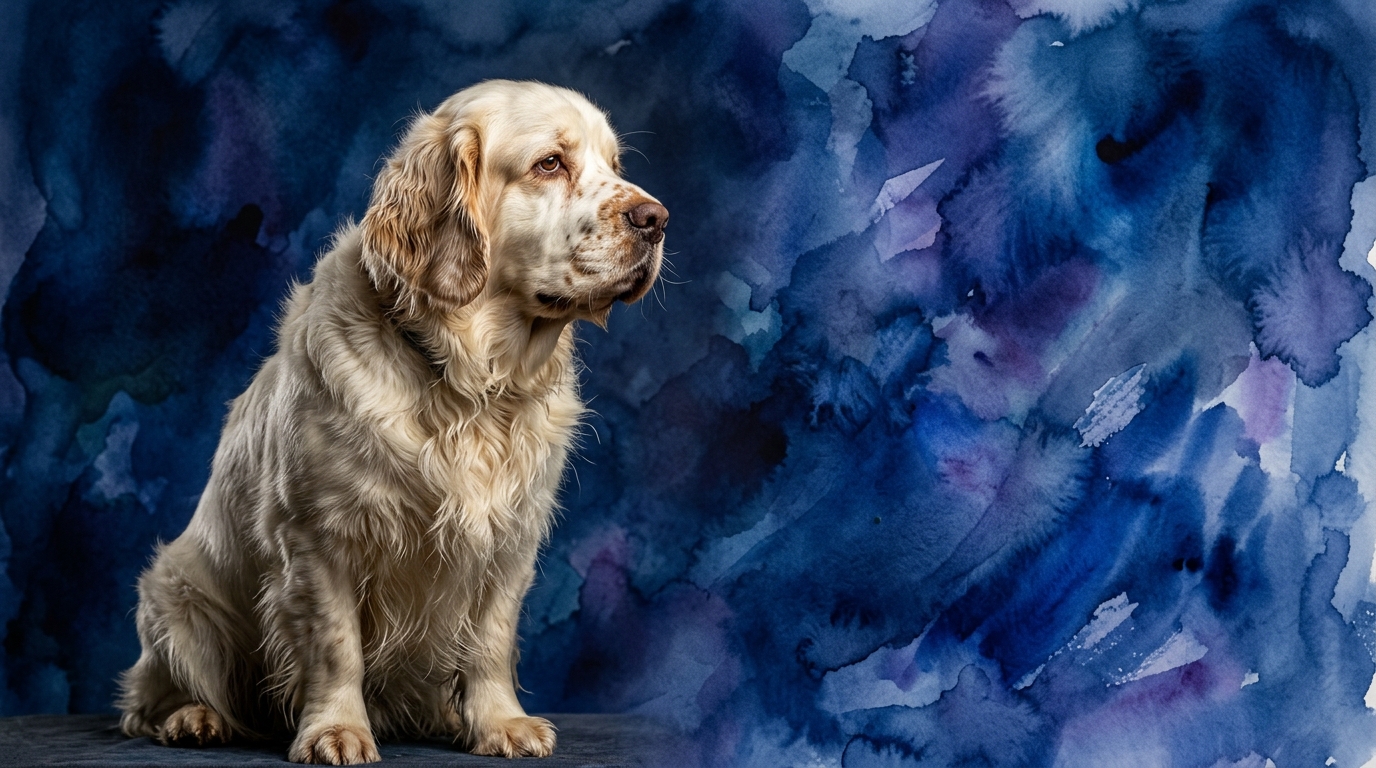
The Cosmic Pet IQ Lab assesses canine intelligence across five key dimensions, providing a nuanced view of how breeds process and interact with their environment. For the Australian Shepherd, their scores reflect a highly active and responsive mind, while the Clumber Spaniel's profile indicates a more deliberate and independent cognitive style.
For the Australian Shepherd:
Problem Solving (5/5): This breed excels at navigating complex environments and figuring out novel solutions to challenges, often demonstrating ingenuity in manipulating objects or situations to achieve a goal.
Training Speed (5/5): Australian Shepherds absorb new commands and routines with remarkable rapidity, often grasping concepts after only a few repetitions and eager to learn more.
Social Intelligence (4/5): They possess a keen awareness of human cues and emotional states, allowing them to adapt their behavior effectively in various social contexts, though their focus can sometimes be more task-oriented than purely social.
Instinctive Drive (5/5): Their strong herding instincts translate into an innate desire to work, organize, and manage, providing them with a clear purpose and motivation for activity.
Memory (5/5): Australian Shepherds retain vast amounts of information, remembering intricate sequences, learned behaviors, and even specific locations or routes over long periods.
For the Clumber Spaniel:
Problem Solving (3/5): Clumber Spaniels approach new problems with a more deliberate pace, often relying on learned patterns or persistence rather than immediate, creative solutions, preferring clear guidance.
Training Speed (3/5): While capable of learning, they require more consistent repetition and patience during training sessions, processing new information at a moderate rate.
Social Intelligence (3/5): They are generally affable and observant but may not consistently pick up on subtle human emotional shifts or social dynamics as quickly, often maintaining a more independent demeanor.
Instinctive Drive (3/5): Their historical role as quiet, persistent hunters means their drive is focused and methodical rather than intensely high-octane, expressing itself as a steady, enduring interest in scent work rather than constant activity.
Memory (3/5): Clumber Spaniels remember important routines and commands with consistency, but may take longer to solidify complex chains of events or multi-step tasks compared to breeds with higher memory scores.
Where the Australian Shepherd Excels Cognitively
Australian Shepherds demonstrate a clear cognitive edge in areas demanding rapid processing and proactive engagement. Their 5/5 Problem Solving means they are adept at navigating complex obstacles, such as quickly learning how to open child-proof gates or devising strategies to retrieve a toy stuck under furniture. This isn't just about brute force; it's about evaluating the situation and applying a novel solution.
The 5/5 Training Speed highlights their exceptional ability to pick up new commands and multi-step routines, making them ideal candidates for advanced obedience, agility, or even complex service dog tasks. They thrive on the mental exercise of learning, often anticipating the next cue. Their 5/5 Instinctive Drive fuels a relentless desire for purpose, channeling their energy into productive activities rather than undirected restlessness.
This drive, combined with a 5/5 Memory, allows them to recall intricate sequences, remember specific scent trails, or perform long, complex patterns in dog sports with precision and enthusiasm. For an owner seeking a canine partner for demanding activities, the Australian Shepherd's cognitive profile makes them an exceptionally responsive and capable companion.
Where the Clumber Spaniel Excels Cognitively
While the Clumber Spaniel's cognitive profile might appear less dynamic on paper, their strengths lie in a different realm of canine intelligence, one that prioritizes steadiness and focused dedication over rapid-fire problem-solving. Their 3/5 Instinctive Drive, specifically tailored for methodical scent work and flushing game, means they possess a calmer, more enduring persistence.
This translates into a dog less prone to the high-strung anxiety or constant need for a 'job' that higher-drive breeds can exhibit, making them a more tranquil presence in the home. The Clumber's 3/5 Social Intelligence can be a cognitive 'win' for owners who appreciate a dog with a degree of independence. They are affectionate without being overly demanding of constant attention, offering a quiet companionship. This allows them to settle contentedly in a corner while their owner works, rather than constantly seeking interaction.
Furthermore, their 3/5 Problem Solving and Memory, while indicating a slower uptake for complex tasks, also means they are less likely to 'outthink' their owners in mischievous ways, such as devising elaborate escape plans or opening cupboards. Their cognitive pace fosters a more predictable and often less challenging home environment for those who prefer a dog with a more straightforward approach to daily life.
Training Dynamics: Swift Learners vs. Patient Progressors
Training an Australian Shepherd is generally a swift and rewarding process due to their 5/5 Training Speed and 5/5 Problem Solving. They are eager to please, absorb new concepts quickly, and often anticipate what is expected of them. Their high instinctive drive means they respond well to tasks that give them a sense of purpose, such as herding games or retrieving. However, this also means they require consistent mental engagement; without it, their ingenuity might be directed towards less desirable behaviors, like self-directed 'herding' of family members or finding creative ways to alleviate boredom. Owners must be prepared to offer varied, stimulating training sessions to harness their cognitive prowess.
In contrast, training a Clumber Spaniel requires a more patient and consistent approach, reflecting their 3/5 Training Speed and Problem Solving. They learn effectively but at a more measured pace, benefiting from shorter, positive reinforcement-based sessions that avoid repetition to the point of boredom. Their 3/5 Instinctive Drive means they are not constantly seeking a 'job' in the same high-energy way as an Aussie, but they will methodically engage with tasks, especially those involving scent.
Owners should focus on clear, consistent commands and celebrate small successes, understanding that the Clumber might take more repetitions to master a new skill but will retain it reliably once learned. Their independence (3/5 Social Intelligence) means they might not always be driven by an overwhelming desire to please, requiring owners to find what truly motivates them, often food or a favorite toy.
Matching Canine Cognition to Owner Lifestyles
The Australian Shepherd is an ideal companion for active owners who relish a highly engaged and mentally stimulating partnership with their dog. Their high scores across the board — 5/5 in Problem Solving, Training Speed, Instinctive Drive, and Memory, coupled with 4/5 Social Intelligence — mean they thrive when given a consistent 'job' or participate in demanding canine sports like agility, flyball, or advanced obedience. Owners who enjoy long hikes, puzzle toys, and committing time to daily training will find an Australian Shepherd to be an incredibly responsive and fulfilling partner. They require an owner who understands their need for mental and physical exertion to prevent boredom-induced behaviors.
The Clumber Spaniel, with its more moderate cognitive profile (all 3/5 scores), is better suited for relaxed owners seeking a devoted, calm, and relatively independent companion. These dogs are content with a steady routine, moderate daily exercise, and consistent, gentle training. They don't demand constant mental gymnastics or high-octane physical challenges, making them an excellent fit for individuals or families who prefer a quiet presence and a dog that is less likely to constantly push boundaries or invent its own entertainment. Owners who appreciate a dog with a steadfast, affectionate nature, and who are willing to offer patient, low-pressure training will find immense joy in a Clumber Spaniel.
The Verdict
Choose an Australian Shepherd if you are an active, engaged owner seeking a highly trainable, problem-solving partner for canine sports, complex tasks, or extensive outdoor adventures.
Opt for a Clumber Spaniel if you prefer a calmer, more independent companion for a relaxed household, valuing steady affection and a dog less inclined to demand constant mental or physical challenges.
🧠 Find Your Pet's IQ Score
Our Pet IQ Lab assessment covers 25+ tests across 5 cognitive dimensions — personalized to your breed.
Take the Full IQ Test →Frequently Asked Questions
Is a Clumber Spaniel difficult to train compared to an Australian Shepherd?
Clumber Spaniels are not difficult to train, but they require more patience and consistency than an Australian Shepherd. Their moderate training speed means they learn at a slower pace, benefiting from positive reinforcement and shorter, engaging sessions rather than intense, prolonged drills.
Do Australian Shepherds need a 'job' to be happy?
Yes, Australian Shepherds possess a strong instinctive drive and high problem-solving ability that makes them happiest when given a purpose. This 'job' can range from herding or dog sports to complex obedience or even puzzle-solving games, keeping their sharp minds and bodies engaged.
Which breed is better for first-time dog owners?
For first-time owners, the Clumber Spaniel might be a more manageable choice due to their calmer demeanor and lower demands for intense mental and physical stimulation. Australian Shepherds, while highly trainable, require a significant commitment to training and activity that can be overwhelming for those new to dog ownership.