Side-by-Side: Decoding Their IQ Profiles
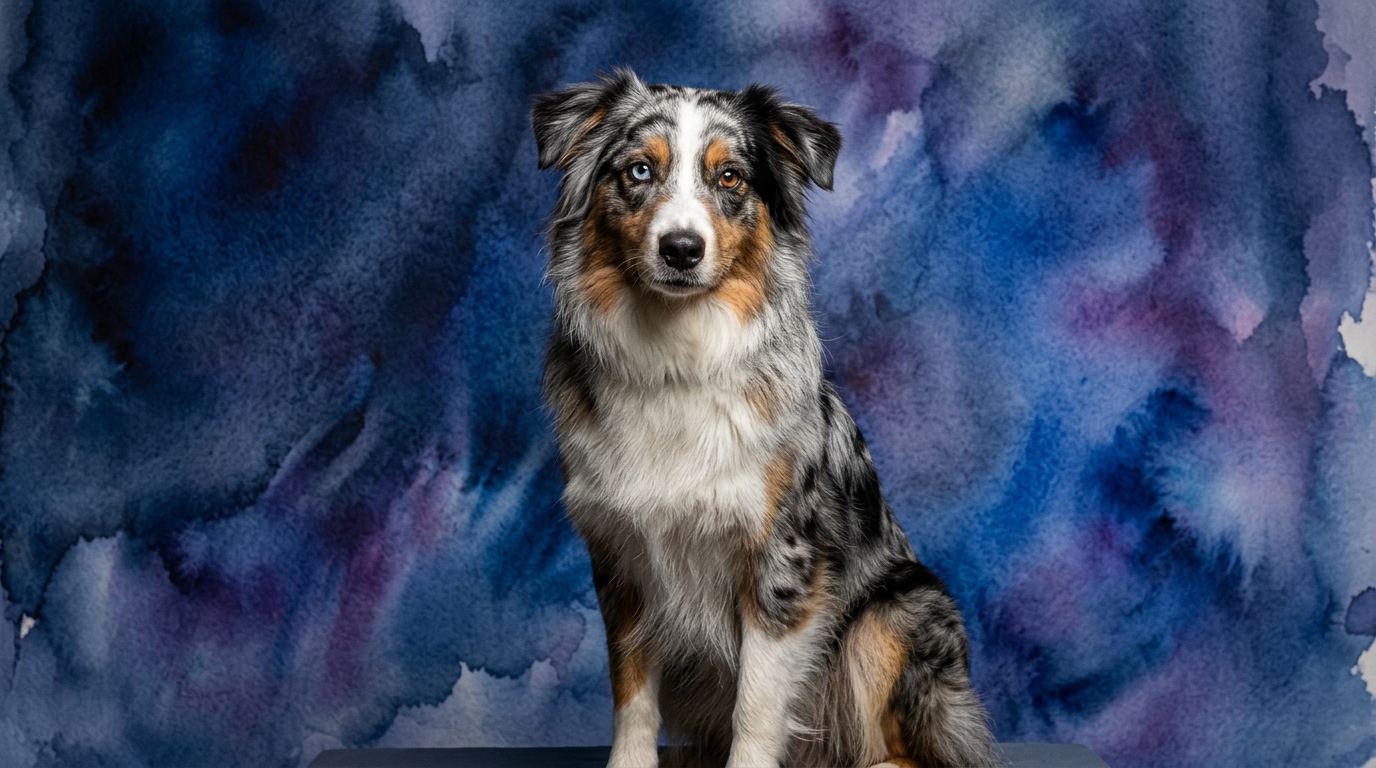
The Pet IQ Lab assesses canine intelligence across five key dimensions, providing a comprehensive look at how breeds process information and interact with their environment. For the Australian Shepherd, a breed renowned for its working capacity, these scores paint a picture of sharp, adaptive cognition. Their Problem Solving is rated 5/5, indicating an exceptional ability to navigate new challenges and devise solutions, often without direct human instruction. Training Speed also stands at a perfect 5/5, reflecting their rapid grasp of new commands and complex sequences. Social Intelligence is a robust 4/5, showing strong awareness of human cues and emotional states, though not to the point of being overly dependent. Instinctive Drive, critical for their herding origins, is 5/5, signifying a powerful intrinsic motivation for purposeful work. Finally, their Memory is 5/5, allowing them to retain vast amounts of information, from routines to complex tasks.
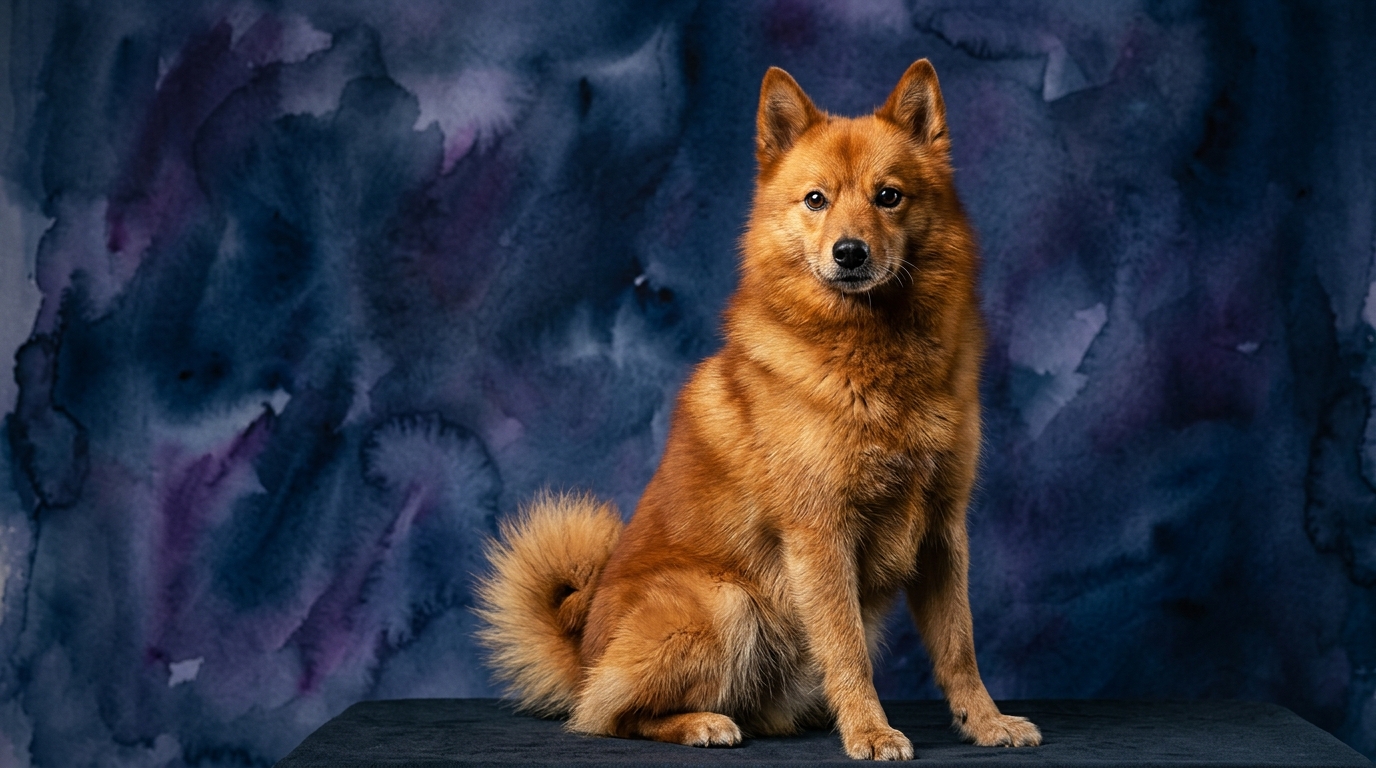
The Finnish Spitz, a breed with a history rooted in independent hunting, presents a different cognitive profile. Their Problem Solving is rated 3/5, suggesting a moderate ability to tackle novel situations, often preferring to rely on instinct or learned patterns rather than innovative solutions. Training Speed is 3/5, meaning they learn at a steady pace but may require more repetition and motivation compared to faster learners. Social Intelligence is also 3/5, indicating a balanced awareness of their human companions, appreciative of interaction but not constantly seeking it. Instinctive Drive, while present for their hunting heritage, is 3/5, manifesting as a less overwhelming internal push for constant activity compared to high-drive working breeds. Their Memory is 3/5, reflecting a solid capacity for recall but perhaps less for intricate, multi-step sequences over long periods.
Where the Australian Shepherd's Mind Shines
The Australian Shepherd's cognitive strengths are evident in their remarkable capacity for complex, multi-faceted tasks. Their 5/5 Problem Solving means they can quickly assess a situation, like navigating an agility course or figuring out how to open a child-proof gate, and formulate an effective approach. This isn't just about following commands; it's about genuine cognitive flexibility and strategic thinking. Coupled with their 5/5 Training Speed, an Australian Shepherd can learn entire routines, sequences of tricks, or advanced obedience commands with surprising rapidity, often anticipating the next step before it's given. This makes them exceptional candidates for competitive dog sports where intricate movements and quick decisions are paramount.
Furthermore, their 5/5 Memory allows them to retain these complex learned behaviors over long periods, making retraining or refreshing skills a straightforward process. An Australian Shepherd remembers specific commands, the meaning of various hand signals, and even the nuances of different environments. Their 5/5 Instinctive Drive fuels this learning and problem-solving, providing an intrinsic motivation to engage with their environment and human partners in meaningful, purposeful activities. This drive, channeled correctly, transforms into a powerful desire to work collaboratively, making them incredibly fulfilling partners for those who appreciate a dog with a strong internal compass for engagement.
The Unique Strengths of the Finnish Spitz Cognition
While the Finnish Spitz's scores are more moderate, their cognitive profile offers distinct advantages for specific lifestyles. Their 3/5 Social Intelligence, for instance, translates into a balanced independence. Unlike breeds that might demand constant interaction, a Finnish Spitz appreciates companionship but is often content to observe and engage on their own terms, making them suitable for owners who value a dog with a self-contained demeanor. This doesn't mean they are aloof, but rather possess a quiet confidence in their own company, a trait that can be a 'win' for busy households or those seeking a less clingy companion.
The Finnish Spitz's 3/5 Instinctive Drive, while lower than the Australian Shepherd's, means their natural urges, primarily barking and hunting, are present but generally more manageable in intensity for a pet owner. Their problem-solving (3/5) is often geared towards their independent hunting heritage, manifesting as a cleverness in navigating their immediate environment or finding creative ways to achieve their own objectives, such as locating a dropped treat. This independent streak, while challenging in training, means they are not constantly seeking direction, offering a different kind of cognitive partnership where the dog contributes its own unique perspective to daily life without constant human oversight. Their moderate memory also means they might be less prone to holding onto past negative experiences, potentially fostering a more forgiving temperament in certain social dynamics.
Training Dynamics: A Study in Contrasts
When it comes to training, the differences between these two breeds are pronounced. The Australian Shepherd, with its 5/5 Training Speed and 5/5 Problem Solving, is generally a dream for experienced trainers. They grasp new concepts quickly, are eager to please, and thrive on structure and mental stimulation. Their strong instinctive drive means they are highly motivated to engage in purposeful activities, making positive reinforcement incredibly effective. They excel in obedience, agility, and even complex trick training because they not only learn the commands but understand the underlying tasks.
The Finnish Spitz, on the other hand, presents a more nuanced training experience due to its 3/5 Training Speed and a more independent problem-solving approach. They learn, but often at a slower, steadier pace, requiring patience, consistency, and highly motivating rewards. Their independent nature, a hallmark of their original purpose, means they are not inherently driven to constantly seek human direction. This can manifest as selective hearing or a preference for their own agenda, especially when a task seems repetitive or uninteresting to them. Owners often need to employ creative training methods and maintain a sense of humor, as a Finnish Spitz might choose to 'negotiate' rather than simply comply. Their natural vocalizations, a key part of their hunting strategy, also require dedicated training to manage in a domestic setting.
Matching Canine Cognition to Lifestyle
The cognitive profiles of these breeds directly influence their suitability for different owner lifestyles. The Australian Shepherd is an ideal companion for active, engaged owners who seek a true canine partner for sports, work, or extensive outdoor activities. Their high problem-solving, training speed, and instinctive drive mean they require substantial mental and physical stimulation to prevent boredom and destructive behaviors. They thrive in environments where they have a 'job' to do, whether it's herding, competing in agility, or participating in long, challenging hikes. An owner who can dedicate significant time to training, exercise, and intellectual engagement will find an Australian Shepherd incredibly rewarding.
The Finnish Spitz, conversely, suits owners who appreciate a more independent yet affectionate companion, comfortable with their vocal nature and willing to engage in moderate, consistent activity. Their moderate instinctive drive means they don't demand the same intensity of engagement as an Aussie, but still benefit from regular walks and opportunities for sniffing and exploration. Owners who value a dog that is not constantly underfoot, yet still forms strong bonds, will find the Finnish Spitz's balanced social intelligence appealing. They are well-suited for families who can provide a stable environment and appreciate a dog with a distinct personality and a charming, albeit sometimes stubborn, independence.
The Verdict
Choose an Australian Shepherd if you are an active individual or family seeking a highly trainable, driven, and intellectually engaged canine partner for sports, work, or extensive outdoor adventures.
Opt for a Finnish Spitz if you desire an independent, moderately active, and vocal companion who will bond deeply but also appreciates their own space, suitable for owners who enjoy unique personalities and a more balanced engagement.
🧠 Find Your Pet's IQ Score
Our Pet IQ Lab assessment covers 25+ tests across 5 cognitive dimensions — personalized to your breed.
Take the Full IQ Test →Frequently Asked Questions
Is an Australian Shepherd good for first-time dog owners?
An Australian Shepherd can be challenging for first-time owners due to their high energy, intense drive, and need for consistent mental stimulation and training. They require significant commitment to prevent behavioral issues, making them better suited for owners with some dog experience or a strong dedication to training.
Do Finnish Spitz dogs bark a lot?
Yes, Finnish Spitz dogs are known for their distinctive and frequent barking, often called 'yodeling,' which was historically used to alert hunters to game. While charming to some, this vocal nature requires early training and management to ensure it doesn't become excessive in a domestic setting.
Which breed is better with children?
Both breeds can be good with children with proper socialization and training. Australian Shepherds are generally very tolerant and playful, but their herding instincts might lead them to 'herd' small children. Finnish Spitz dogs are often affectionate but can be more independent and might prefer older, respectful children who understand their need for personal space.