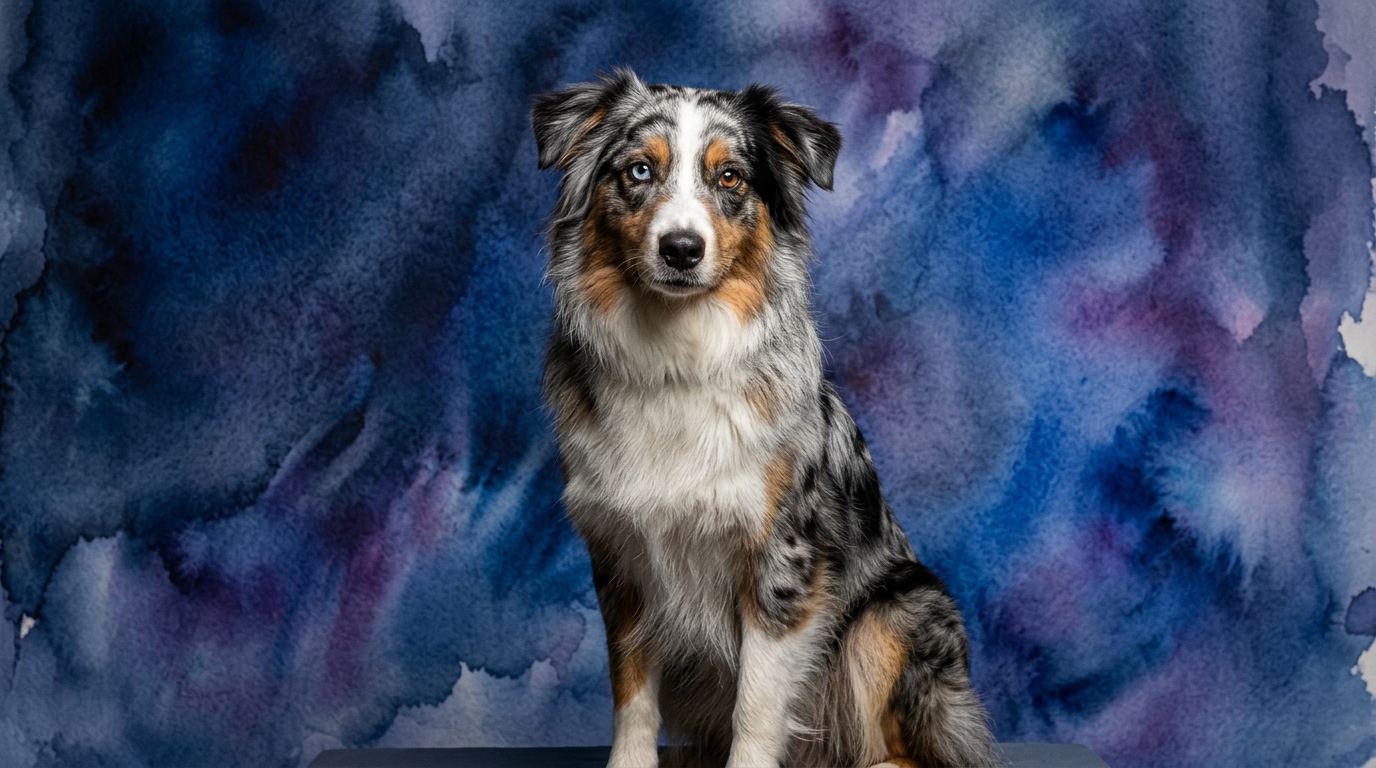
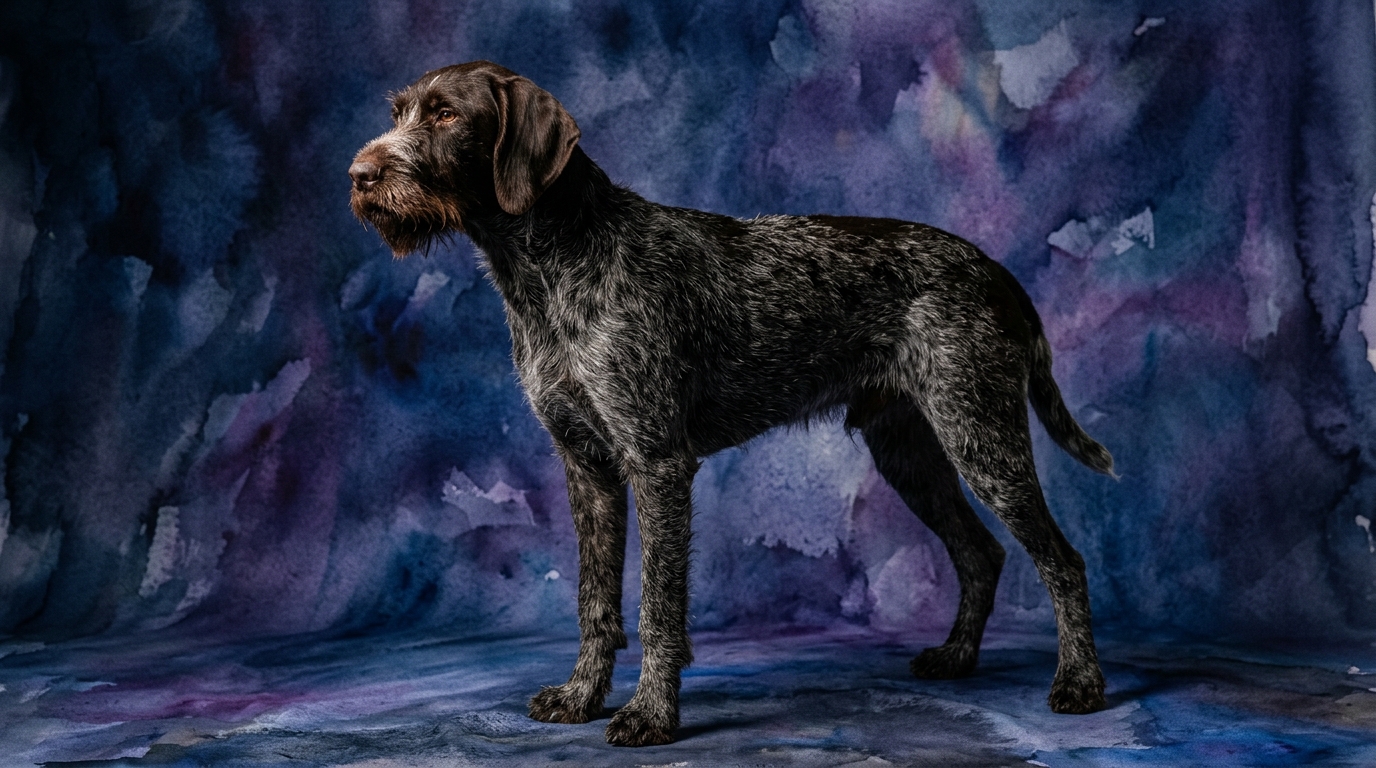
Side-by-Side IQ Profile: Herding Acuity vs. Sporting Tenacity
At The Cosmic Pet Pet IQ Lab, we evaluate canine intelligence across five key dimensions to provide a nuanced understanding of each breed's cognitive strengths. For the Australian Shepherd, a breed renowned for its herding prowess, these dimensions paint a picture of profound mental agility and a strong desire for engagement. They score an exceptional 5/5 in Problem Solving, indicating a superior ability to figure out complex tasks and adapt strategies independently. Their Training Speed is also a perfect 5/5, meaning they absorb new commands and routines with remarkable quickness, often anticipating cues. Social Intelligence stands at 4/5, showing they read human emotions and intentions well, forming strong bonds, though they can be reserved with strangers. An intense Instinctive Drive of 5/5 signifies a deep desire to work, herd, and engage in purposeful activity, channeling energy into tasks. Finally, their Memory is a robust 5/5, ensuring they retain learned information, commands, and experiences over long periods, leading to consistent performance.
The German Wirehaired Pointer, a dedicated sporting breed, showcases a different, highly specialized cognitive blueprint. Their Problem Solving rates at 4/5, demonstrating capability in practical challenges, especially those related to hunting and tracking, often relying on learned patterns. Training Speed is 4/5, indicating efficient learning, particularly when motivation is high and training is engaging, though they may require more repetition than an Aussie. Social Intelligence is 3/5; they form deep connections with family but can be more independent or task-focused, sometimes less attuned to subtle human social nuances. Their Instinctive Drive is 3/5, representing a strong prey drive and desire to hunt and retrieve, with their work ethic often tied directly to these specific instincts rather than general task engagement. Their Memory is a solid 4/5, crucial for retaining hunting routes, scent profiles, and learned commands for consistent field performance.
Where the Australian Shepherd Wins Cognitively
The Australian Shepherd's standout cognitive strengths lie in its superior problem-solving and training speed, both rated at 5/5. They often grasp new concepts with astonishing rapidity, sometimes after only a few repetitions, making them highly adaptable to varied tasks beyond their herding origins. Their strong memory (5/5) ensures these lessons stick, allowing for complex, multi-step routines to be mastered and recalled years later. Furthermore, their instinctive drive (5/5) isn't just about herding; it's a profound desire for purposeful engagement, making them receptive to intricate obedience, agility, and even service work. This generalized drive, coupled with their cognitive agility, allows them to excel in roles requiring abstract thinking and independent decision-making in novel situations, such as advanced trick training or complex scent work, where they must interpret subtle environmental cues and formulate solutions. Their higher social intelligence (4/5) also means they are often more attuned to their handler's emotional state and subtle body language, which can aid in nuanced communication during training and daily life.
Where the German Wirehaired Pointer Wins Cognitively
While the Aussie excels in generalized cognitive flexibility, the German Wirehaired Pointer's cognitive profile is finely tuned for its primary purpose: hunting. Their problem-solving (4/5) is highly effective when applied to real-world scenarios in the field, such as tracking a scent through varied terrain or locating downed game, demonstrating a practical intelligence that prioritizes results. Their instinctive drive (3/5), though rated lower for general applicability, is incredibly potent and focused within its domain, manifesting as unwavering determination and endurance during a hunt. This specific drive translates into remarkable perseverance in tasks related to their sporting heritage, like retrieving from water or methodically quartering a field. Their solid memory (4/5) is crucial for recalling specific hunting grounds, scent patterns, and learned commands vital for effective field work. The GWP's cognitive strengths are less about abstract reasoning and more about applied intelligence, utilizing their senses and physical prowess to achieve a specific, tangible goal with great efficiency and tenacity. They possess a robust, unflappable focus when engaged in their driven activities, less prone to distraction by extraneous stimuli that might divert a more socially aware breed.
Which is Easier to Train and Why
Based on The Cosmic Pet Pet IQ Lab's metrics, the Australian Shepherd generally presents as the easier breed to train, primarily due to their perfect 5/5 scores in both training speed and memory, coupled with a 5/5 in instinctive drive that translates into a strong desire to engage with tasks. Aussies absorb new commands and routines with impressive rapidity, often requiring fewer repetitions to solidify a behavior. Their high social intelligence (4/5) further facilitates training, as they are often keenly observant of their handler's cues and emotional state, allowing for precise communication. They thrive on mental stimulation and purpose, which means they actively seek to learn and perform.
The German Wirehaired Pointer, with its 4/5 scores in training speed and memory, is certainly trainable but typically requires more patience and consistent reinforcement. Their instinctive drive (3/5) is powerful but often channeled towards hunting and scent work, meaning training needs to be highly engaging and often leverage their natural prey drive to maintain focus. A GWP might be more prone to becoming distracted by an interesting scent or movement than an Aussie, whose generalized drive seeks interaction and tasks from their human. While both breeds learn, the Aussie's inherent desire for partnership and mental engagement across diverse activities makes the training process often feel more fluid and less like a battle against instinctual diversions, particularly for tasks outside their primary breed function.
Which Suits Active Owners vs. Relaxed Owners
Both the Australian Shepherd and the German Wirehaired Pointer are decidedly suited for active owners, though their energy manifests in different ways. The Australian Shepherd, with its 5/5 instinctive drive and high problem-solving capacity, demands significant mental and physical engagement. They thrive on structured activities like agility, obedience, herding trials, or even complex trick training, needing daily opportunities to expend energy and exercise their keen minds. An Aussie without sufficient mental stimulation can become bored, potentially leading to undesirable behaviors as they invent their own "jobs." They are ideal for owners who enjoy dedicating time to dog sports, long hikes, or intricate training sessions.
The German Wirehaired Pointer, while also requiring considerable exercise, often prefers activities that align with its strong hunting instincts. Daily runs, extensive off-leash exploration in scent-rich environments, or field work are paramount for a GWP. Their physical stamina is impressive, built for covering miles in pursuit of game. While they can enjoy some structured training, their primary need is for robust physical exertion that allows them to utilize their senses and athleticism. Neither breed is suitable for a truly "relaxed" owner who prefers minimal daily activity for their dog. Both require consistent, dedicated engagement, but the Aussie leans more into mental puzzles and structured work, while the GWP prioritizes physical freedom and scent-driven exploration.
The Verdict
Opt for an Australian Shepherd if you are an owner seeking a highly adaptable partner for complex training, dog sports, or a variety of "jobs" that require independent problem-solving and a strong desire to work collaboratively.
Select a German Wirehaired Pointer if you are an active individual or family who can provide extensive opportunities for outdoor exploration, scent work, or hunting, valuing a tenacious, focused companion with robust physical stamina.
🧠 Find Your Pet's IQ Score
Our Pet IQ Lab assessment covers 25+ tests across 5 cognitive dimensions — personalized to your breed.
Take the Full IQ Test →Frequently Asked Questions
Do Australian Shepherds need to herd to be happy?
While their instinctive drive for herding is strong, Australian Shepherds don't strictly need to herd livestock. Their innate desire for purpose can be fulfilled through various activities like agility, obedience, flyball, or advanced trick training, as long as these provide ample mental and physical challenges.
Are German Wirehaired Pointers good family dogs?
German Wirehaired Pointers can be devoted family dogs, forming strong bonds with their immediate household. However, their high energy levels and strong prey drive mean they require consistent training, socialization, and ample exercise to be well-adjusted companions, especially around smaller pets or very young children.
How do their social intelligence ratings impact their behavior with strangers?
The Australian Shepherd's 4/5 social intelligence means they are often perceptive but can be reserved or wary of strangers, needing proper introductions. The German Wirehaired Pointer's 3/5 social intelligence suggests they might be more independent or less overtly concerned with strangers, often prioritizing their environment or task over social pleasantries, though still capable of forming bonds.