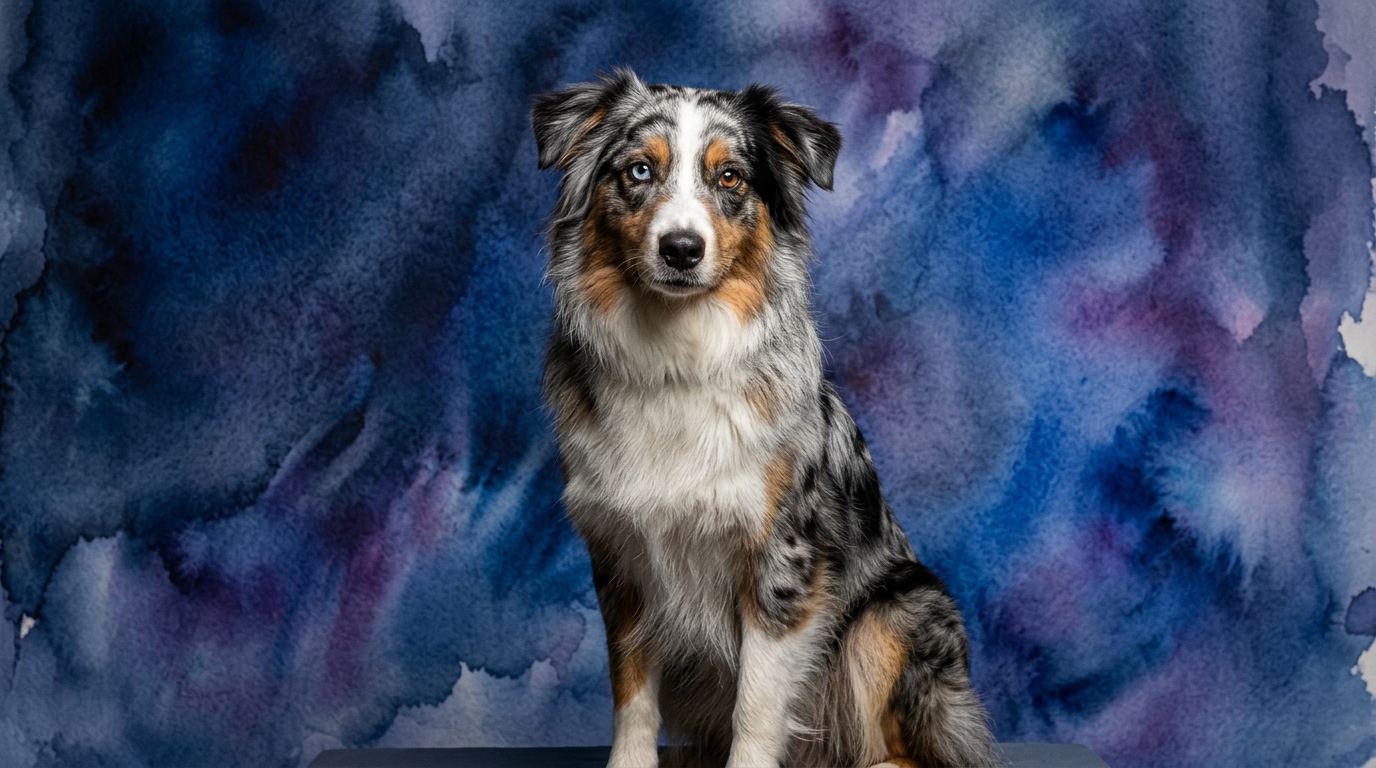
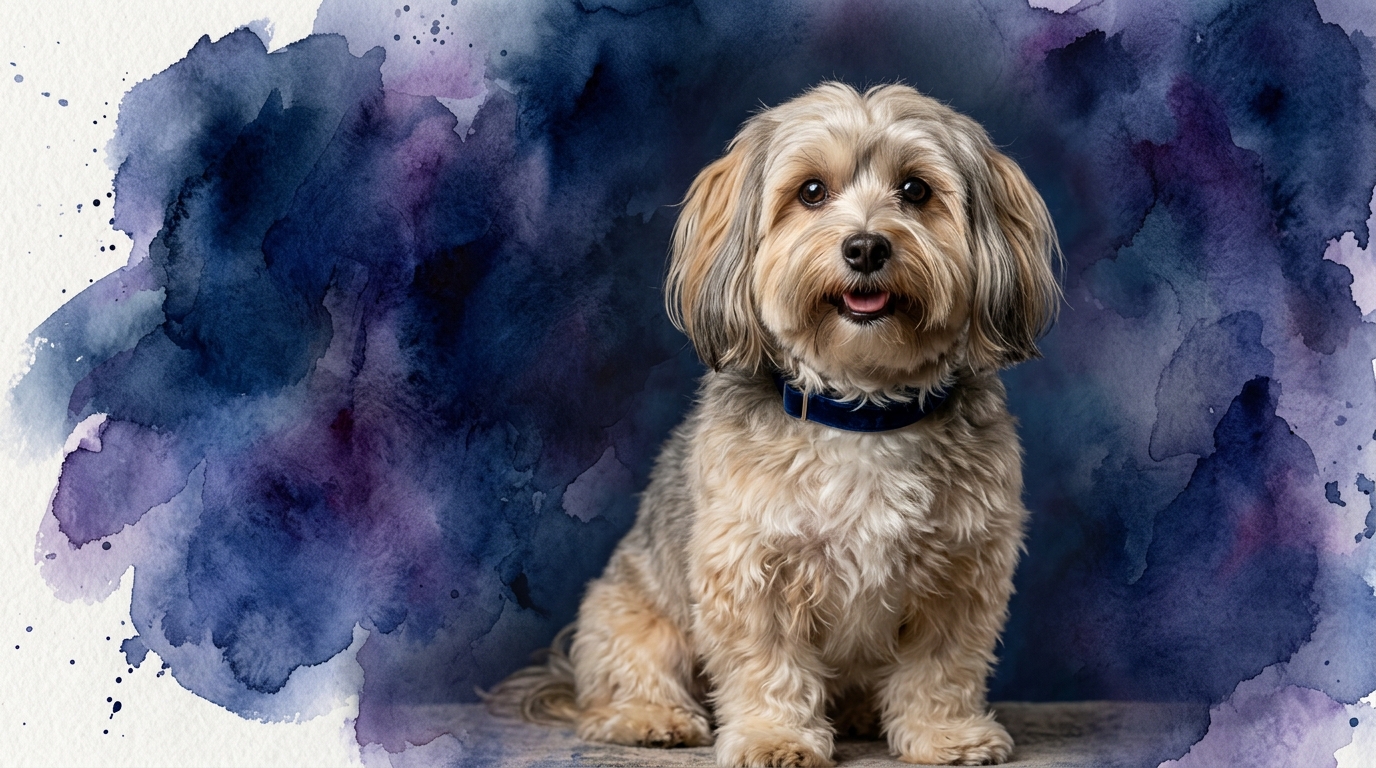
Side-by-Side Cognitive Profiles: Aussie vs. Havanese
The Australian Shepherd, a breed forged in the demands of herding, exhibits a cognitive profile tailored for dynamic work and independent thought. Their Problem Solving score of 5/5 indicates an exceptional capacity to analyze novel situations and devise effective strategies, often without direct human instruction. This breed's Training Speed, also at 5/5, means they grasp new commands and complex sequences with remarkable rapidity, requiring minimal repetition to solidify learning.
Their Social Intelligence, rated 4/5, suggests a strong ability to interpret human cues and intentions, allowing for effective collaboration in working environments, though perhaps with a primary focus on the task at hand. The Australian Shepherd’s Instinctive Drive, a perfect 5/5, underscores their deep-seated motivation for purposeful activity, whether it’s herding livestock or engaging in competitive dog sports. Finally, their Memory, scoring 5/5, ensures they retain vast amounts of learned information and past experiences, critical for complex, multi-stage tasks and long-term behavioral consistency.
In contrast, the Havanese, a beloved companion breed with roots in Cuban aristocracy, presents a cognitive makeup optimized for close human interaction and adaptability within a social setting. Their Problem Solving ability, rated 3/5, suggests they can navigate moderate challenges but may not independently seek out intricate puzzles or consistently formulate complex solutions without guidance. Their Training Speed, also 3/5, means they learn at a steady, consistent pace, responding well to patient, positive reinforcement but perhaps requiring more repetitions than their herding counterparts.
The Havanese truly shines in Social Intelligence, earning a 5/5. This indicates an extraordinary aptitude for perceiving and responding to human emotions, subtle social cues, and the dynamics of their family unit, making them exceptionally empathetic and attuned companions. Their Instinctive Drive, at 2/5, reflects a lower inherent motivation for specific work-oriented tasks, with their primary drive being social connection and interaction. Their Memory, scoring 3/5, signifies adequate retention of information, though less frequently practiced commands might require occasional refreshers compared to breeds with higher memory scores.
Where the Australian Shepherd Excels Cognitively
The Australian Shepherd's cognitive strengths are profoundly rooted in their working heritage, allowing them to excel in areas demanding independent thought and rapid skill acquisition. Their 5/5 Problem Solving capacity means they are adept at figuring out how to open childproof gates, navigating complex obstacle courses, or even learning intricate sequences of commands for performance sports. This isn't about rote memorization; it's about understanding the mechanics of a situation and adapting their approach.
Coupled with their 5/5 Training Speed, Aussies can master advanced obedience routines, agility courses, or complex trick training far quicker than many other breeds. An Australian Shepherd might learn to differentiate between a dozen toys by name or follow a multi-step fetch command after just a few sessions, demonstrating their capacity to absorb and apply new information efficiently. Their high Instinctive Drive further fuels this, providing an inherent motivation to engage with tasks and learn, transforming training into a purposeful activity they actively seek out.
This breed's robust memory ensures that once a skill is learned, it tends to stick. An Australian Shepherd can recall commands or routines even after long breaks, making them reliable partners for ongoing training and activities. This comprehensive cognitive package makes them unparalleled for roles requiring quick thinking, consistent performance, and a strong work ethic, such as service dog work, search and rescue, or competitive dog sports.
Where the Havanese Shines Cognitively
While the Australian Shepherd's cognitive profile leans towards task mastery, the Havanese excels in the nuanced realm of social and emotional intelligence. Their perfect 5/5 Social Intelligence is their crowning cognitive achievement, allowing them to read human moods and intentions with remarkable accuracy. A Havanese might notice a subtle shift in your posture or tone of voice and respond by offering a comforting nudge or seeking gentle reassurance, demonstrating a profound understanding of social cues.
This exceptional social acumen makes them extraordinarily empathetic companions. They are often highly attuned to their family's emotional landscape, capable of providing comfort during distress or mirroring joyful excitement. This isn't just about being affectionate; it's a deep cognitive processing of human emotional states and an ability to adapt their behavior to maintain harmony and connection within their social group. They can often anticipate their owner's needs or desires simply by observing their routine and body language.
Their cognitive strength in social intelligence also means they are highly motivated by positive social interaction and approval. While their training speed might be moderate, their desire to please and connect with their human companions makes them responsive to training methods that emphasize partnership and reward-based encouragement. This makes them adept at learning social graces and adapting to various household routines, thriving on the communication exchange with their people.
Which is Easier to Train and Why?
When evaluating ease of training, the distinction between these two breeds becomes clear, largely due to their differing scores in Training Speed and Instinctive Drive. The Australian Shepherd, with its 5/5 Training Speed and 5/5 Instinctive Drive, generally proves easier to train for complex tasks and commands. Their inherent drive to work and solve problems means they are often eager participants in training sessions, quickly grasping new concepts and performing them with enthusiasm. They thrive on mental challenges and learn rapidly from both success and correction, making multi-step commands or intricate agility sequences relatively straightforward to teach.
However, this ease of training comes with a caveat: the Aussie's high drive and problem-solving skills mean they require consistent mental engagement. If not adequately challenged, they might apply their cognitive prowess to 'solving' household rules in ways you didn't intend, such as figuring out how to open cupboards or escape yards. Their strong memory ensures that both desired and undesired behaviors are retained effectively, necessitating clear, consistent boundaries from the outset.
The Havanese, with a 3/5 Training Speed and 2/5 Instinctive Drive, may take more repetitions to master new commands, particularly those without an immediate social reward. They are not inherently driven by complex tasks or a 'job.' However, their 5/5 Social Intelligence makes them highly responsive to their owner's emotional state and praise. While they might learn slower, they are often more attuned to the social dynamics of training, responding well to gentle encouragement and positive reinforcement that strengthens their bond with their trainer.
Their lower instinctive drive means they are less likely to invent their own 'work' or become destructive out of boredom, but their strong desire for companionship means they can be adept at charming their way out of strict demands. Training a Havanese often requires more patience and a focus on making learning a fun, bonding experience, rather than a rigorous task. They respond best when training feels like an interactive game with their beloved human, rather than a demanding intellectual exercise.
Suitability for Active vs. Relaxed Owners
The Australian Shepherd's cognitive and physical attributes make them an ideal match for active owners who seek a partner for adventure and mental stimulation. Owners who enjoy long hikes, running, competitive dog sports like agility or flyball, or who can provide a 'job' through advanced obedience or trick training will find an Aussie thrives in their care. Their high instinctive drive and problem-solving abilities mean they require daily outlets for their energy and intellect; without sufficient engagement, they can become restless or channel their mental acuity into less desirable behaviors.
This breed suits individuals or families committed to incorporating their dog into a dynamic lifestyle, where mental challenges are as important as physical exercise. An Aussie needs an owner who understands their need for purpose and is willing to invest time in training, enrichment games, and outdoor activities. They are not content to be mere couch potatoes; their minds and bodies crave engagement and collaboration.
Conversely, the Havanese is better suited for more relaxed owners who prioritize companionship and emotional connection over strenuous physical activity or complex working tasks. While they still require daily walks and playtime, their lower instinctive drive means they are generally content with moderate exercise and thrive on being an integral part of family life indoors. Their exceptional social intelligence makes them superb companions for individuals or families who are home frequently and enjoy a dog that is deeply attuned to their emotional state.
Havanese dogs flourish in environments where they receive ample affection, gentle interaction, and consistent social engagement. They are excellent choices for apartment dwellers or those with less active lifestyles, provided they receive consistent attention and opportunities for social interaction and short, engaging play sessions. Their cognitive strengths lie in their ability to integrate seamlessly into a family's social fabric, offering comfort and companionship without demanding a high-octane schedule.
The Verdict
Choose an Australian Shepherd if you are an active individual or family seeking a highly trainable, cognitively engaged partner for sports, work, or extensive outdoor adventures, and are prepared to provide consistent mental and physical challenges.
Opt for a Havanese if you desire an emotionally attuned, affectionate companion who excels in social interaction and thrives in a more relaxed, companionship-focused home environment, offering comfort and charm.
🧠 Find Your Pet's IQ Score
Our Pet IQ Lab assessment covers 25+ tests across 5 cognitive dimensions — personalized to your breed.
Take the Full IQ Test →Frequently Asked Questions
Do Australian Shepherds get bored easily?
Yes, Australian Shepherds, with their 5/5 Problem Solving and Instinctive Drive, require significant mental and physical engagement. Without sufficient stimulation, they can become bored and may invent their own activities, which can sometimes be destructive or challenging to manage.
Are Havanese good for first-time dog owners?
Havanese can be excellent for first-time dog owners due to their high Social Intelligence and adaptable nature. While their training speed is moderate, their desire for connection makes them responsive to patient, positive training methods, provided owners understand their need for consistent companionship and gentle handling.
Can a Havanese participate in dog sports?
Yes, a Havanese can certainly participate in dog sports, especially those that emphasize handler-dog teamwork and fun, such as novice agility, obedience, or rally. While their instinctive drive is lower than some breeds, their high social intelligence means they enjoy engaging in activities with their owners.