Side-by-Side IQ Profile: Australian Shepherd vs. Icelandic Sheepdog
The Cosmic Pet Pet IQ Lab assesses canine intelligence across five key dimensions, providing a nuanced understanding of each breed's cognitive strengths. For the Australian Shepherd and Icelandic Sheepdog, these scores illuminate their distinct mental architectures.
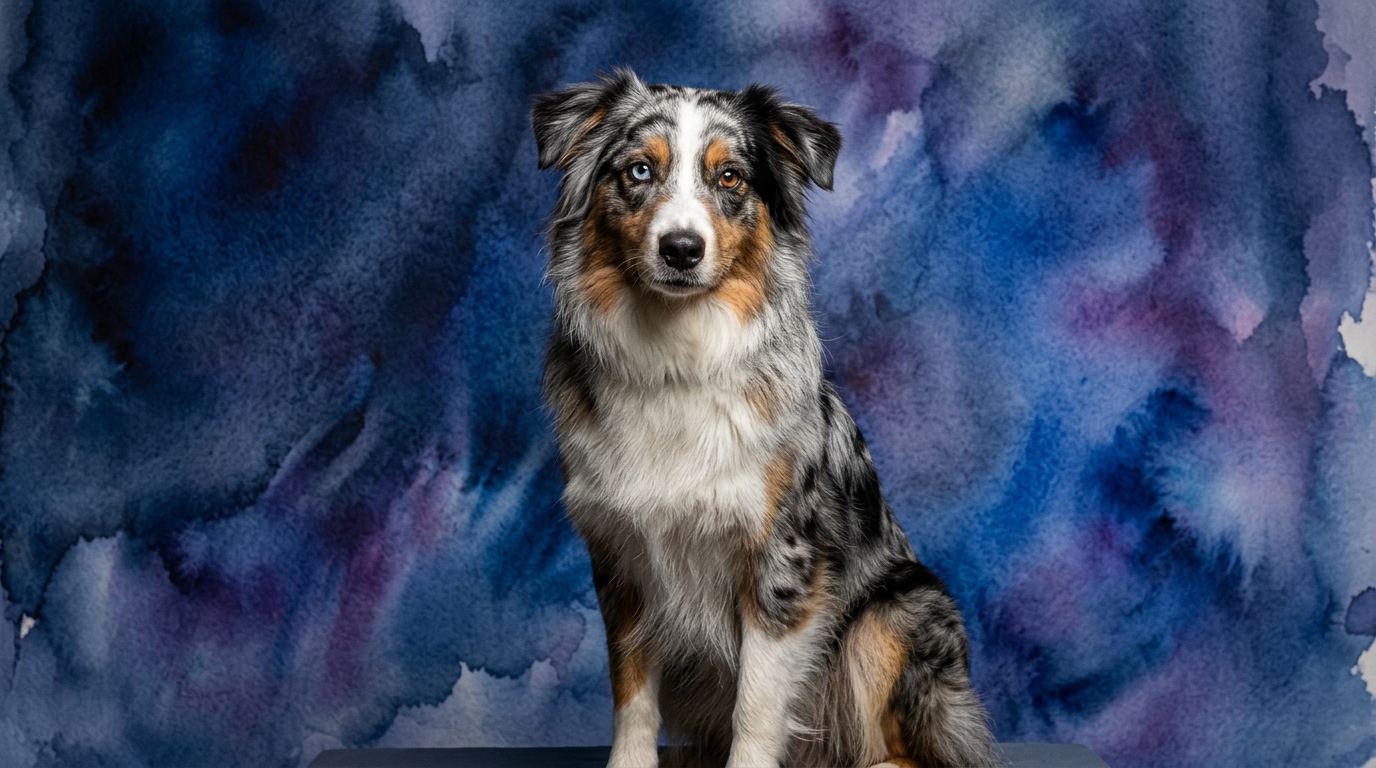
**Australian Shepherd (Aussie)**: This herding breed consistently demonstrates exceptional aptitude. Their Problem Solving is rated 5/5, indicating a remarkable capacity to navigate complex environments and devise novel solutions independently. Training Speed also scores 5/5, reflecting their rapid assimilation of commands and eagerness to learn. Social Intelligence is a robust 4/5, showing a keen ability to read human intentions and adapt their behavior, though they can be reserved with strangers. Instinctive Drive is a profound 5/5, manifesting as a powerful urge to gather and direct. Memory is an outstanding 5/5, allowing for long-term retention of complex information.
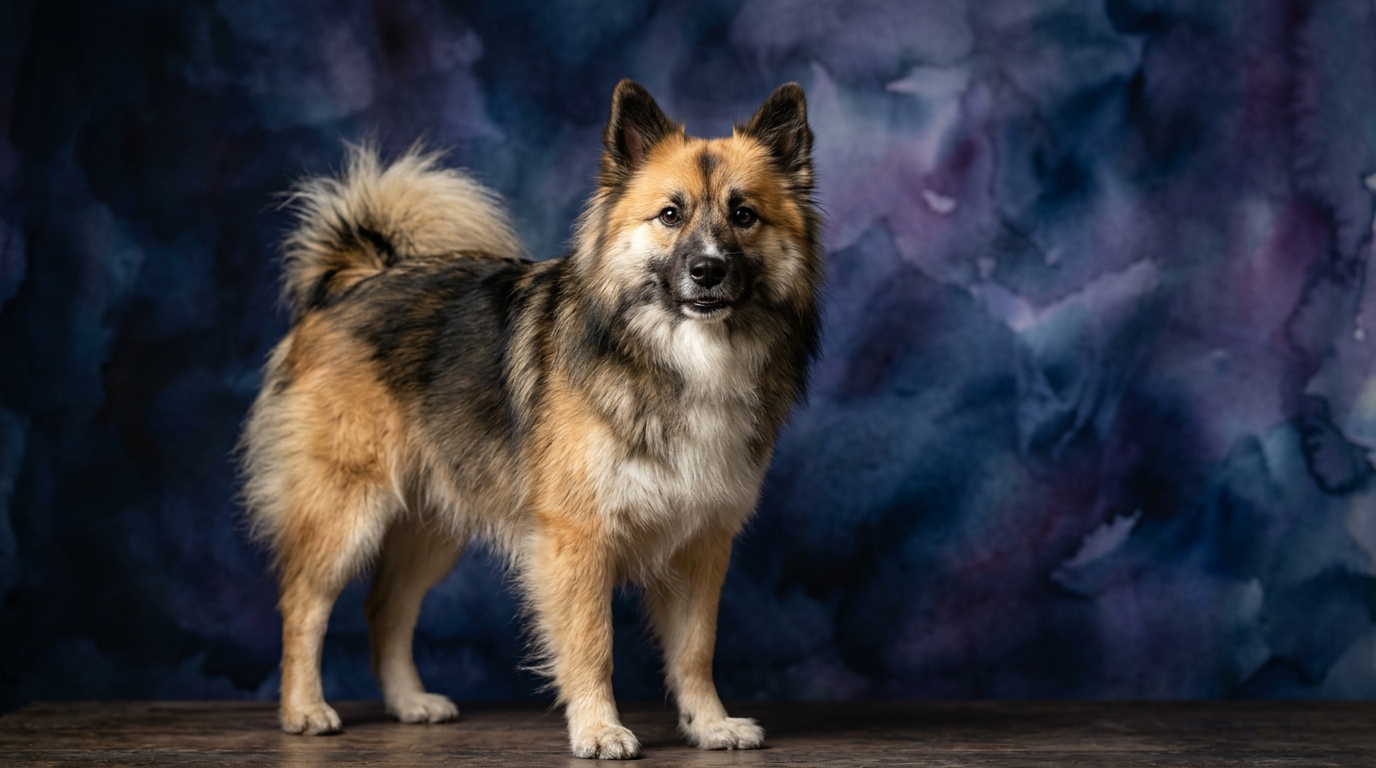
**Icelandic Sheepdog (ISD)**: This ancient herding breed presents a different cognitive blueprint. Their Problem Solving is rated 3/5, suggesting a more straightforward approach to challenges rather than intricate, independent strategizing. Training Speed is 3/5, meaning they are willing learners but typically require more repetition and patience. Social Intelligence stands at 3/5, reflecting an inherently friendly and adaptable nature, though perhaps less nuanced in interpreting subtle human cues. Instinctive Drive is 3/5, present but often expressed with less intensity than more forceful herding breeds, often using their voice. Memory is 3/5, indicating adequate retention, especially with consistent reinforcement, but potentially requiring occasional refreshers.
Where the Australian Shepherd Wins Cognitively
The Australian Shepherd consistently demonstrates a superior cognitive edge in several key areas. Their problem-solving acumen is particularly striking; an Aussie often approaches novel situations with an almost analytical curiosity, quickly assessing variables and formulating effective strategies. For instance, an Aussie might independently figure out how to open a complex gate or retrieve a toy from an intricate obstacle course, showcasing a remarkable capacity for cause-and-effect reasoning and spatial awareness. This isn't just about brute force; it's about thoughtful, iterative attempts until a solution is found. Complementing this is their exceptional training speed. An Aussie's mind seems to absorb new commands and routines almost instantly, often understanding a new cue with just a handful of repetitions. This rapid assimilation means they can progress through advanced training protocols, mastering intricate sequences and chaining behaviors together with impressive efficiency. Their profound instinctive drive is another cognitive advantage, guiding their focus and persistence. While herding sheep, they display an innate understanding of flock dynamics, often anticipating movements and positioning themselves strategically. This drive translates into intense focus during tasks, making them formidable competitors in dog sports that require precision and sustained effort. Finally, their memory is truly outstanding, allowing them to retain vast repertoires of commands, routines, and even specific environmental details over extended periods. An Aussie can recall a complex agility course layout after a single walkthrough or remember a specific scent trail for tracking months later, indicating a robust and durable cognitive map.
Where the Icelandic Sheepdog Wins Cognitively
While the Icelandic Sheepdog's cognitive profile might appear less intense in raw scores, their strengths lie in a different, equally valuable dimension of canine intelligence: their approachable and adaptable nature. Their social intelligence, rated 3/5, manifests as an inherently friendly and outgoing disposition. Unlike some intensely focused working breeds, the ISD typically greets strangers and new dogs with an open, non-confrontational attitude. This broad social ease means they are less prone to the guardedness or intensity that can accompany higher scores in other breeds, making them exceptional companions in varied social settings. Their instinctive drive, also at 3/5, is a 'win' for owners seeking a less demanding herding partner. Their herding style is often characterized by barking and gathering rather than forceful driving, which is less intimidating and more manageable for novice handlers or in pet homes. This lower intensity means their instinctual needs are more easily satisfied with less rigorous work, reducing the potential for frustration or misdirected energy. Furthermore, their problem-solving approach, while not as complex as an Aussie's, is often practical and direct. They tend to find straightforward solutions rather than overthinking a situation, which can be an advantage in everyday life where simplicity is often best. This directness, combined with their generally cheerful demeanor, results in a dog that is less prone to neurotic behaviors stemming from over-analysis or unfulfilled intense drives. They excel in environments where their amiable presence and moderate activity needs are prioritized over intricate mental challenges.
Ease of Training: Behavioral Differences in Action
When considering ease of training, the distinction between these two breeds becomes quite clear, stemming from their core behavioral differences. The Australian Shepherd is generally considered easier to train in terms of raw speed and the ability to master complex commands. Their 5/5 scores in both `training Speed` and `memory` mean they absorb new information with astonishing rapidity, often requiring only a few repetitions to grasp a new concept. Their intense `instinctive Drive` (5/5) translates into a powerful desire to work and please their handler, making them highly motivated students. However, this ease comes with a caveat: their profound intelligence and drive mean they require an experienced, consistent trainer who can channel their mental energy productively. Without clear direction and sufficient mental engagement, an Aussie can quickly become bored, leading to self-employment in undesirable ways, such as herding children or furniture, or developing destructive habits. Conversely, the Icelandic Sheepdog, with 3/5 scores in `training Speed` and `memory`, typically requires more patience and repetition during training sessions. They are willing learners, but they process information at a more moderate pace. Their `instinctive Drive` (3/5) is present but less forceful, meaning they might not possess the same intense 'work ethic' as an Aussie, and can be more easily distracted. However, this can make them more forgiving for novice trainers. Their generally amiable and less intense disposition means they are less likely to develop complex behavioral issues from minor training inconsistencies. While they may take longer to learn a new trick, their cheerful eagerness to participate and lower propensity for high-strung behaviors can make the training journey feel less demanding for owners seeking a more relaxed pace.
Matching Canine Companions to Lifestyles
The choice between an Australian Shepherd and an Icelandic Sheepdog largely hinges on an owner's lifestyle and their capacity for providing stimulation. The Australian Shepherd is unequivocally suited for highly active owners who are prepared to integrate their dog into a demanding, structured routine. This breed thrives when given a 'job,' whether it's competitive dog sports like agility, flyball, or obedience, or even farm work. Their 5/5 `instinctive Drive` and `problem Solving` capabilities mean they require extensive daily physical exercise – often several hours of vigorous activity – coupled with substantial mental engagement to prevent boredom and destructive behaviors. An Aussie left to their own devices without adequate outlets for their energy and intellect will quickly find their own (often undesirable) forms of entertainment. They are ideal for individuals or families who embrace an outdoor, active lifestyle and are committed to consistent training and mental challenges. In contrast, the Icelandic Sheepdog is a better fit for owners who are moderately active and seek a companion rather than a high-performance athlete. While they enjoy walks, playtime, and outdoor adventures, their `instinctive Drive` (3/5) and `problem Solving` (3/5) scores indicate they don't require the same level of intense, high-stakes mental and physical stimulation as an Aussie. They are content with regular walks, yard play, and engaging in family activities. Their amiable `social Intelligence` (3/5) makes them adaptable to various household dynamics, and they are generally happy to relax with their family after a good romp. They are suitable for owners who appreciate a cheerful, inquisitive companion but aren't necessarily looking for a dog to compete at the highest levels of canine sports.
The Verdict
Choose an Australian Shepherd if you are an experienced dog owner with an active lifestyle, eager to provide consistent, high-level physical and mental challenges, and potentially pursue dog sports.
Choose an Icelandic Sheepdog if you desire a cheerful, moderately active family companion with a less intense drive, suitable for a more relaxed yet still engaged home environment.
🧠 Find Your Pet's IQ Score
Our Pet IQ Lab assessment covers 25+ tests across 5 cognitive dimensions — personalized to your breed.
Take the Full IQ Test →Frequently Asked Questions
Are Australian Shepherds good for first-time owners?
Australian Shepherds are generally not recommended for first-time dog owners due to their intense energy levels, profound intelligence, and strong herding instincts. They require consistent, experienced handling and significant mental and physical stimulation to prevent behavioral issues. A novice owner might find their needs overwhelming.
Do Icelandic Sheepdogs bark a lot?
Yes, Icelandic Sheepdogs are known for being quite vocal, a trait stemming from their historical role in alerting shepherds to livestock and predators. They use their voice to communicate excitement, alert to new arrivals, or express their general contentment. While training can help manage excessive barking, owners should expect a talkative companion.
Which breed is better with children?
Both breeds can be good with children, but their approaches differ. The Icelandic Sheepdog's amiable and gentle nature often makes them naturally tolerant and playful companions for children, though supervision is always essential. Australian Shepherds, while loyal, may attempt to 'herd' children due to their strong instincts, requiring careful management and training to redirect this behavior appropriately. Their intensity might also be overwhelming for very young or timid children.