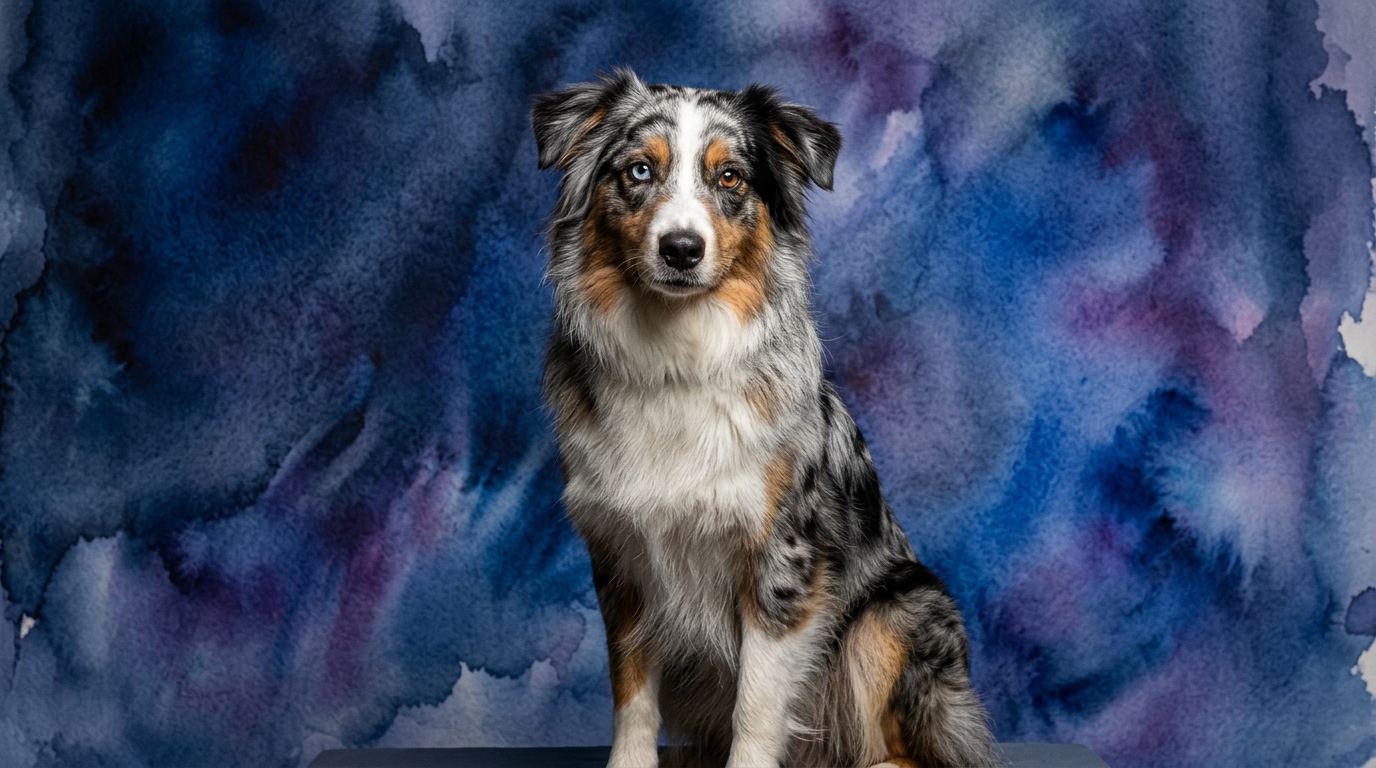
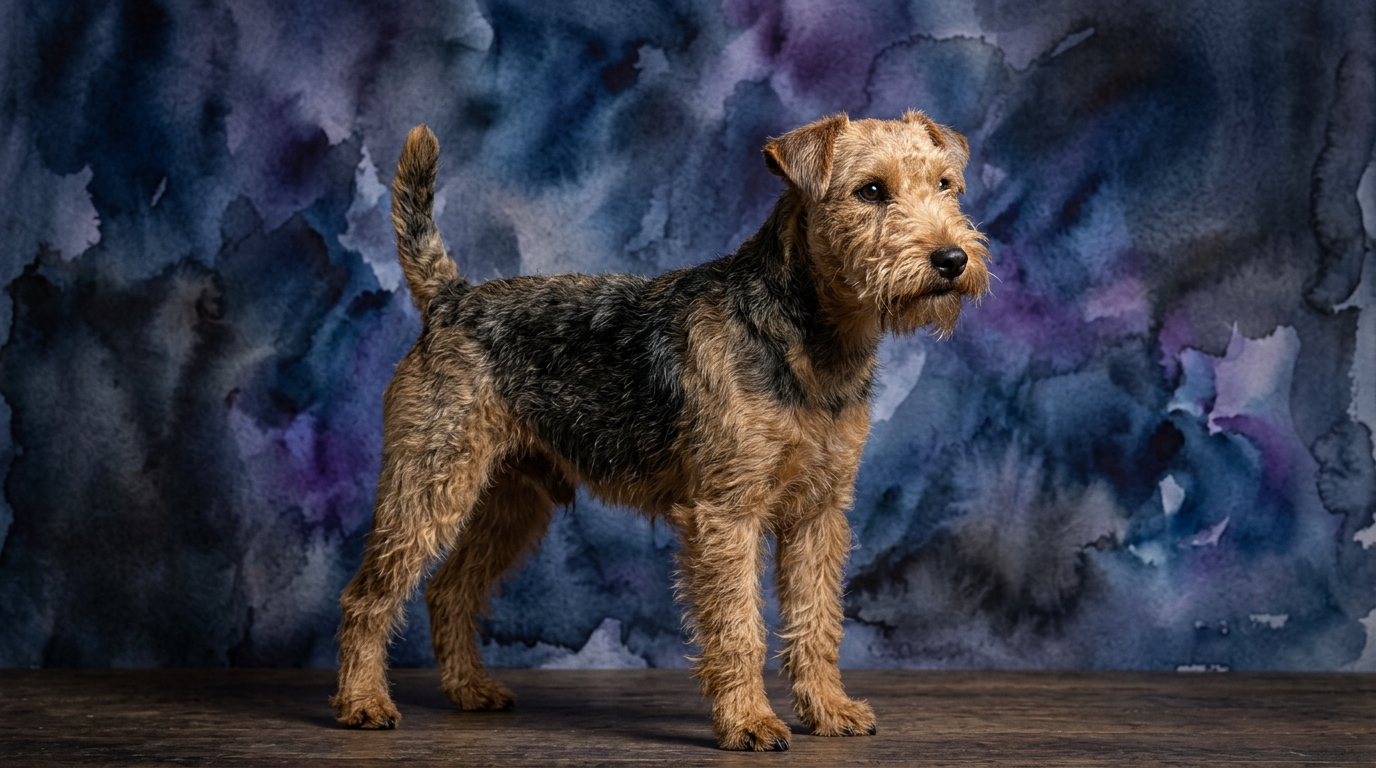
Side-by-Side Cognitive Profiles: Aussie vs. Lakeland
The Cosmic Pet Pet IQ Lab employs a five-dimensional framework to dissect canine intelligence, offering a granular view of how different breeds approach the world. For the Australian Shepherd, we observe a consistently elevated cognitive profile, reflecting their heritage as adaptable, problem-solving herders. Their Problem Solving is rated 5/5, indicating an exceptional capacity to analyze novel situations, devise multi-step solutions, and learn through observation. Training Speed also scores 5/5, signifying a quick uptake of new commands and complex sequences, often requiring minimal repetition. Social Intelligence, at 4/5, points to a nuanced understanding of human cues and pack dynamics, allowing them to anticipate intentions and respond appropriately. Their Instinctive Drive, a robust 5/5, fuels their inherent desire to work, categorize, and control movement, particularly with livestock. Finally, their Memory is a perfect 5/5, allowing them to retain vast amounts of information, from complex routes to intricate command sets, over long periods.
In contrast, the Lakeland Terrier presents a different cognitive blueprint, tailored for independent, persistent vermin control. Their Problem Solving is rated 3/5, suggesting they can navigate challenges but may rely more on learned patterns or trial-and-error rather than complex, abstract reasoning. Training Speed, also 3/5, indicates a moderate pace for acquiring new skills, often requiring consistent, patient repetition to solidify behaviors. Social Intelligence, at 3/5, implies a functional understanding of social cues, but perhaps with a more independent streak compared to highly cooperative breeds. Their Instinctive Drive, rated 3/5, is specifically channeled towards hunting and digging, manifesting as a focused determination rather than the broad organizational drive of a herder. Their Memory, at 3/5, is adequate for their tasks, allowing them to recall key commands and familiar environments, though perhaps not with the same expansive recall as an Australian Shepherd.
Where the Australian Shepherd Excels Cognitively
The Australian Shepherd's cognitive architecture shines brightest in areas demanding flexibility, rapid learning, and sophisticated social interaction. Their 5/5 Problem Solving isn't just about mastering tricks; it's about genuine cognitive agility. They can, for instance, figure out how to open child-proof gates, manipulate latches, or strategize how to move a group of sheep from one paddock to another without direct human instruction, demonstrating true independent thought. This capacity allows them to adapt quickly to changing environments or novel tasks, often anticipating outcomes before they occur. The 5/5 Training Speed complements this, as they absorb new information with remarkable efficiency, often generalizing concepts rather than just memorizing discrete commands, meaning they can apply a learned behavior in a slightly different context without re-training.
Furthermore, their 4/5 Social Intelligence gives them an edge in collaborative tasks. They are adept at reading subtle human body language, vocal inflections, and emotional states, allowing for seamless communication during complex activities like agility or competitive obedience. This translates into a dog that not only understands what you want but often seems to intuit it. Their potent 5/5 Instinctive Drive isn't just about energy; it's a cognitive engine for purpose-driven activity, making them highly motivated to engage in tasks that provide mental stimulation and a sense of accomplishment. Paired with a 5/5 Memory, an Australian Shepherd can perform intricate, multi-step routines, recall specific commands from months ago, and remember the layout of complex environments, making them exceptional partners for performance sports or intricate work.
Cognitive Strengths of the Lakeland Terrier
While the Australian Shepherd excels in broad cognitive flexibility, the Lakeland Terrier's cognitive strengths are deeply rooted in their original purpose: persistent, independent pursuit. Their 3/5 Instinctive Drive, though numerically lower than the Aussie's, is intensely focused and unwavering when on a scent or pursuing small prey. This isn't about herding or broad problem-solving; it's about a singular, tenacious determination to complete a specific, instinct-driven task. This focused cognitive energy allows them to ignore distractions that might deter other breeds, demonstrating a specific kind of mental fortitude crucial for their historical role. Their 3/5 Problem Solving, while not as broadly adaptable, manifests as practical, hands-on determination in confined spaces or when faced with physical obstacles, often involving digging or squeezing through tight spots to reach a goal.
The Lakeland's 3/5 Training Speed and Memory, while not as rapid or expansive as a herding breed, are perfectly adequate for solidifying essential commands and behavioral patterns relevant to their independent nature. They are capable of learning and retaining what is necessary for household integration and basic obedience, often benefiting from consistent, clear instruction. Their 3/5 Social Intelligence, while perhaps making them less overtly people-pleasing than some breeds, contributes to their confident, self-reliant demeanor. They are not necessarily looking for constant human direction but rather operate with a clear sense of their own objectives, a cognitive trait that makes them resilient and self-sufficient in situations where other dogs might falter without guidance.
Ease of Training: Behavioral Differences
When it comes to ease of training, the Australian Shepherd generally presents a more straightforward experience due to their superior cognitive scores. Their 5/5 Training Speed means they grasp concepts quickly, often requiring only a few repetitions to understand a new command. This is coupled with their 4/5 Social Intelligence, which makes them highly attuned to their handler's desires, eager to please, and responsive to subtle cues. Their 5/5 Instinctive Drive further supports training, as they naturally seek purpose and structure, often viewing training sessions as engaging work rather than mere demands. This combination results in a dog that not only learns fast but also actively participates in the learning process, often offering behaviors or anticipating the next step.
The Lakeland Terrier, with 3/5 in Training Speed, Social Intelligence, and Memory, typically requires more consistent effort and patience. Their independent nature, a hallmark of their terrier heritage, means they might be less inherently inclined to defer to human direction, especially if their own instincts are pulling them elsewhere. While capable of learning, their attention span might be shorter for repetitive tasks, and they may require more creative, engaging methods to maintain interest. Their instinctive drive, while strong, is often focused on independent pursuits like digging or chasing, which can sometimes compete with a handler's training agenda. Training a Lakeland often means finding ways to channel their tenacious energy into desired behaviors, rather than relying on a strong inherent desire to please.
Suitability for Active vs. Relaxed Owners
The Australian Shepherd's cognitive profile and energetic disposition make them an ideal match for active owners who can provide consistent mental and physical stimulation. Their 5/5 Problem Solving and Instinctive Drive mean they thrive on structured activities that engage both their body and their brain, such as agility, flyball, competitive obedience, or even complex trick training. Owners who enjoy long hikes, trail running, or have a passion for dog sports will find the Aussie a willing and capable partner. A relaxed owner, or one unable to meet their significant cognitive and physical needs, might inadvertently create an environment where the Aussie's unused mental energy manifests as undesirable behaviors, like excessive chewing, barking, or attempting to 'herd' family members.
The Lakeland Terrier, while possessing energy, is often more suited for owners who are active but appreciate a dog with a more independent streak and potentially less demand for constant, complex mental engagement. They enjoy walks, playtime, and exploring, but their cognitive needs might be satisfied with consistent training, puzzle toys, and opportunities to engage in their natural digging or sniffing behaviors, rather than requiring the intense, structured 'work' an Aussie craves. A relaxed owner might find a Lakeland's independent nature more manageable, provided they can still offer daily exercise and mental stimulation to prevent boredom. However, their tenacity and instinctive drive mean they are not a 'couch potato' breed; they require engagement, just perhaps of a different cognitive flavor.
The Verdict
Choose an Australian Shepherd if you seek a highly cooperative, intellectually agile partner eager for complex tasks and consistent mental engagement.
Opt for a Lakeland Terrier if you appreciate an independent, tenacious companion with focused drive, and you're prepared for patient, consistent training.
🧠 Find Your Pet's IQ Score
Our Pet IQ Lab assessment covers 25+ tests across 5 cognitive dimensions — personalized to your breed.
Take the Full IQ Test →Frequently Asked Questions
Do Australian Shepherds get bored easily?
Yes, Australian Shepherds, with their 5/5 problem-solving and instinctive drive, require significant mental and physical stimulation. Without engaging tasks, they can become bored quickly, potentially leading to destructive behaviors or excessive vocalization.
Are Lakeland Terriers difficult to train?
Lakeland Terriers are not inherently difficult but require patience and consistency due to their 3/5 training speed and independent nature. Their strong instinctive drive means training needs to be engaging and often involves channeling their natural terrier behaviors.
Which breed is better for first-time dog owners?
Neither breed is typically recommended for first-time owners without a strong commitment to training and understanding breed-specific needs. However, the Australian Shepherd's high cognitive demands can be overwhelming, making the Lakeland Terrier potentially more manageable for a novice willing to invest in consistent, positive reinforcement.