The Cognitive Canvas: Side-by-Side IQ Profiles
At The Cosmic Pet Pet IQ Lab, we evaluate canine intelligence across five key dimensions, offering a nuanced understanding beyond simple obedience. This framework allows us to dissect the mental makeup of breeds like the Australian Shepherd and the Lhasa Apso, highlighting their inherent strengths and operational styles.
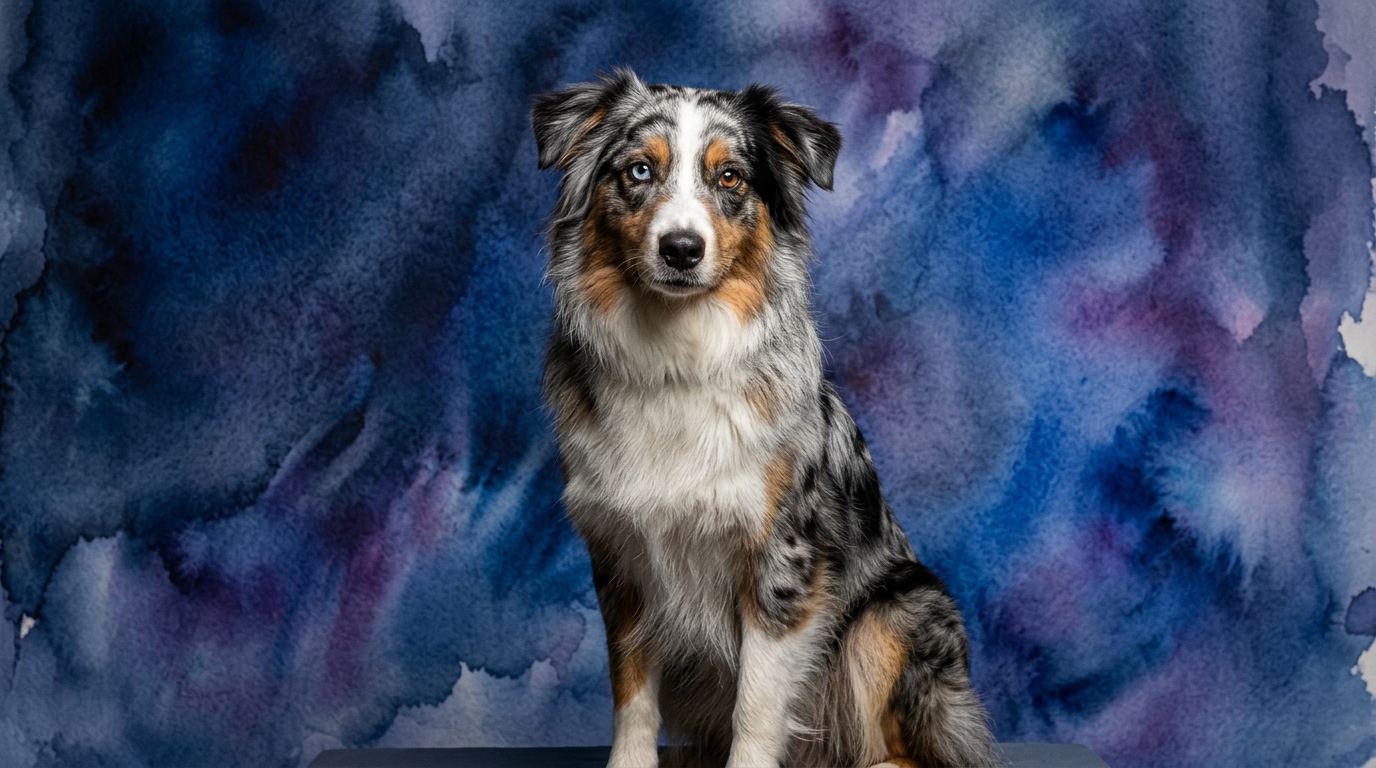
The Australian Shepherd, a robust herding breed, presents an impressive cognitive profile: Problem Solving 5/5, Training Speed 5/5, Social Intelligence 4/5, Instinctive Drive 5/5, and Memory 5/5. These scores reflect a dog bred for complex, dynamic tasks, requiring quick thinking, adaptability, and a strong partnership with humans. Their lack of a Coren ranking isn't a slight, but rather a reflection of their practical, task-oriented origins that prioritize working intelligence over traditional obedience metrics.
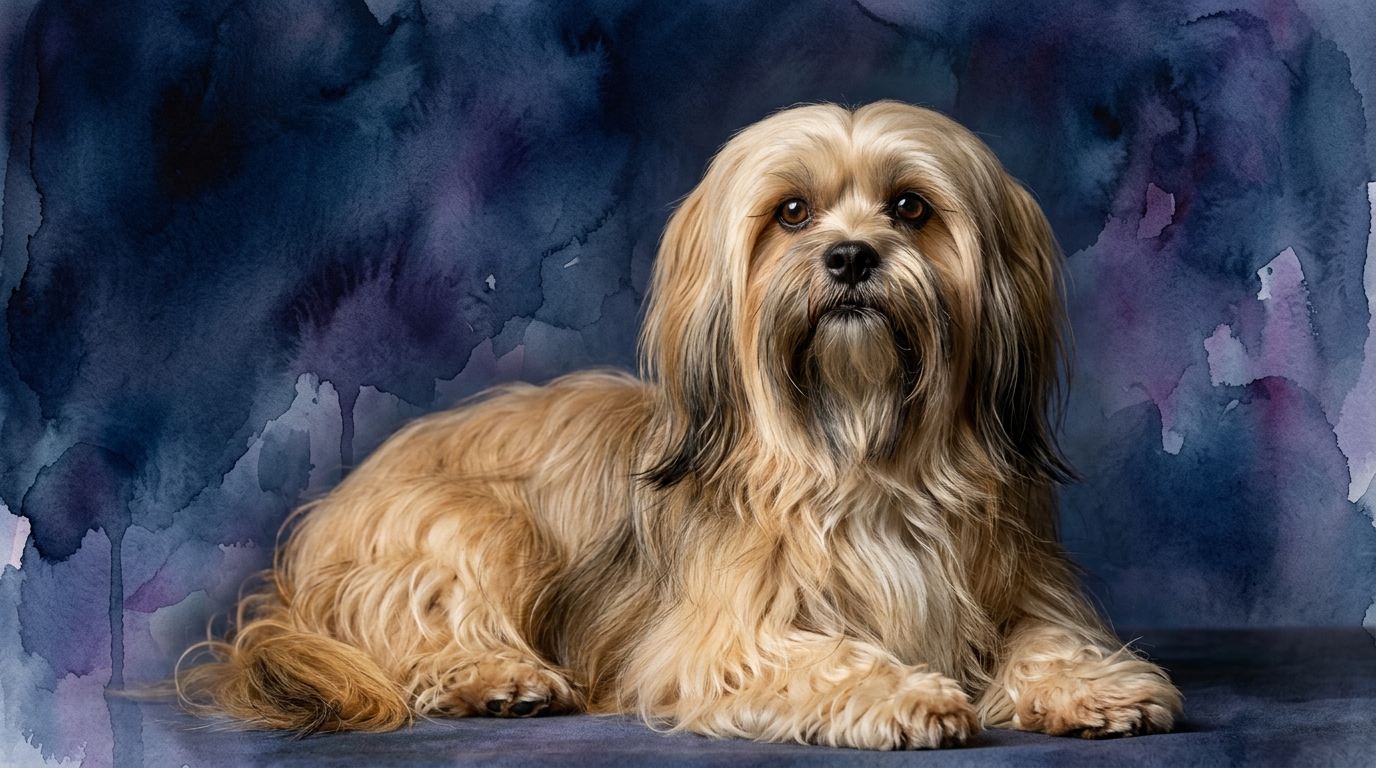
In contrast, the Lhasa Apso, a venerable Non-Sporting breed, exhibits a different set of cognitive strengths: Problem Solving 3/5, Training Speed 3/5, Social Intelligence 3/5, Instinctive Drive 3/5, and Memory 3/5. Ranked #68 on the Coren scale, this breed's history as a sentinel in Tibetan monasteries shaped a dog valued for its independent judgment, keen senses, and discerning nature, rather than its eagerness to please or perform complex sequences on command. Their scores reflect a self-reliant guardian whose mental energies are directed differently than those of a working herder.
Understanding these profiles is key to appreciating the distinct ways each breed perceives and interacts with their world. It’s not about one being 'smarter' in an absolute sense, but rather how their cognitive tools are optimized for different purposes and lifestyles.
Where the Australian Shepherd's Mind Shines
The Australian Shepherd's cognitive architecture is a testament to its herding legacy. A 5/5 in Problem Solving signifies a dog capable of analyzing complex situations, such as maneuvering livestock through a gate or navigating an agility course with precision and foresight. They don't just follow commands; they interpret and adapt, making real-time decisions based on environmental cues and handler feedback. This capacity for adaptive thinking allows them to excel in activities requiring strategic planning and quick, independent action.
Their 5/5 scores in Training Speed and Memory are directly linked to this problem-solving prowess. Australian Shepherds grasp new concepts and commands with remarkable swiftness, often requiring fewer repetitions than many other breeds. Once learned, these behaviors are deeply ingrained, enabling them to execute intricate routines or multi-step tasks reliably over extended periods. Their high Instinctive Drive (5/5) further amplifies this, translating into a profound desire to engage in meaningful activity and collaborate, channeling their mental energy into productive pursuits rather than idle wanderings. Their social intelligence, at 4/5, means they are attuned to human intentions and communication, fostering a strong working bond.
Unpacking the Lhasa Apso's Unique Cognitive Strengths
While the Lhasa Apso's scores of 3/5 across all five dimensions might appear modest compared to the Australian Shepherd, they paint a picture of a different kind of cognitive excellence. Their Problem Solving at 3/5 doesn't indicate a lack of intelligence, but rather a tendency to apply their mental resources to tasks deemed relevant to their perceived role: that of a discerning companion and alert guardian. A Lhasa might solve a 'problem' by cleverly finding the most comfortable spot on the sofa, or by determining the most effective way to alert their family to a perceived intruder, rather than by herding sheep.
The Lhasa Apso's social intelligence (3/5) reflects a selective attachment; they form deep, loyal bonds with their immediate family but can be reserved or indifferent towards strangers. Their memory (3/5) is excellent for routines, people they trust, and places, but perhaps less geared towards retaining extensive repertoires of complex obedience commands they deem unnecessary. Their instinctive drive (3/5) is focused on vigilance and companionship, not on human-directed work tasks. This independence and self-possession are, in themselves, a form of cognitive strength, allowing them to operate effectively without constant human direction, a trait highly valued in their historical role.
Training Dynamics: A Tale of Two Approaches
Training an Australian Shepherd is often a gratifying experience for owners who enjoy active engagement. Their 5/5 Training Speed means they absorb new information quickly, and their strong Instinctive Drive to work with humans makes them eager participants. They thrive on structured learning, respond well to positive reinforcement, and quickly learn to connect actions with rewards. Their sharp memory ensures that once a command is learned, it tends to stick, allowing for rapid progression through complex training levels, from basic obedience to advanced dog sports like agility, flyball, or even service work. They genuinely enjoy the mental stimulation that training provides.
Conversely, training a Lhasa Apso requires a different mindset. Their 3/5 Training Speed indicates they may take more repetitions to learn new commands, and their inherent independence means they might not always see the immediate value in performing a task on command. Their social intelligence, while strong within their family unit, doesn't always translate into a desire for broad human approval through performance. Success with a Lhasa Apso hinges on patience, consistency, and making training feel like a fun, collaborative game rather than a strict lesson. They respond best to positive, reward-based methods and can be quite discerning, often deciding if a command is worth their effort, which is a hallmark of their self-reliant nature.
Matching Minds to Lifestyles: Active vs. Relaxed Owners
The Australian Shepherd's cognitive profile makes them an ideal companion for active, engaged owners. Their high scores in problem-solving, instinctive drive, and training speed demand significant mental and physical stimulation. Owners who enjoy dog sports, long hikes, structured training sessions, or even a 'job' around the house (like fetching specific items) will find an Australian Shepherd a willing and enthusiastic partner. Without adequate outlets for their mental energy and strong drive, they can become bored and channel their problem-solving abilities into less desirable behaviors, like excessive barking or destructive chewing.
The Lhasa Apso, with its more moderate cognitive scores in terms of human-directed work, is better suited for owners who appreciate a more independent and relaxed companion. While they still require regular exercise and mental engagement, their needs are less intense than a working herding breed. They are content with moderate walks and prefer to apply their discerning problem-solving skills to observing their environment and protecting their home. Owners who value a dog with a strong personality, a watchful nature, and a preference for comfort and routine will find the Lhasa Apso a delightful, albeit sometimes opinionated, family member.
The Verdict
Choose the Australian Shepherd if you are an active individual or family seeking a highly engaged, trainable, and mentally stimulated canine partner for sports, work, or extensive outdoor adventures.
Opt for the Lhasa Apso if you value an independent, discerning companion who offers loyal guardianship and thrives in a more relaxed household, appreciating their unique personality and moderate exercise needs.
🧠 Find Your Pet's IQ Score
Our Pet IQ Lab assessment covers 25+ tests across 5 cognitive dimensions — personalized to your breed.
Take the Full IQ Test →Frequently Asked Questions
Are Australian Shepherds good for first-time dog owners?
Australian Shepherds can be suitable for first-time owners who are fully prepared for their significant exercise, training, and mental stimulation requirements. Their trainability is a plus, but their energy and drive demand consistent commitment.
Do Lhasa Apsos need a lot of exercise?
Lhasa Apsos require moderate daily exercise, such as walks and playtime, but not the intense physical activity demanded by herding breeds. Mental stimulation through puzzle toys and short training sessions is also beneficial for their discerning minds.
How do their social intelligence scores impact family life?
An Australian Shepherd's 4/5 social intelligence means they are generally eager to engage with all family members and can be quite adaptable. A Lhasa Apso's 3/5 score indicates strong loyalty to their immediate family but often a more reserved or cautious approach to strangers and new situations, requiring careful socialization.