Side-by-Side IQ Profile
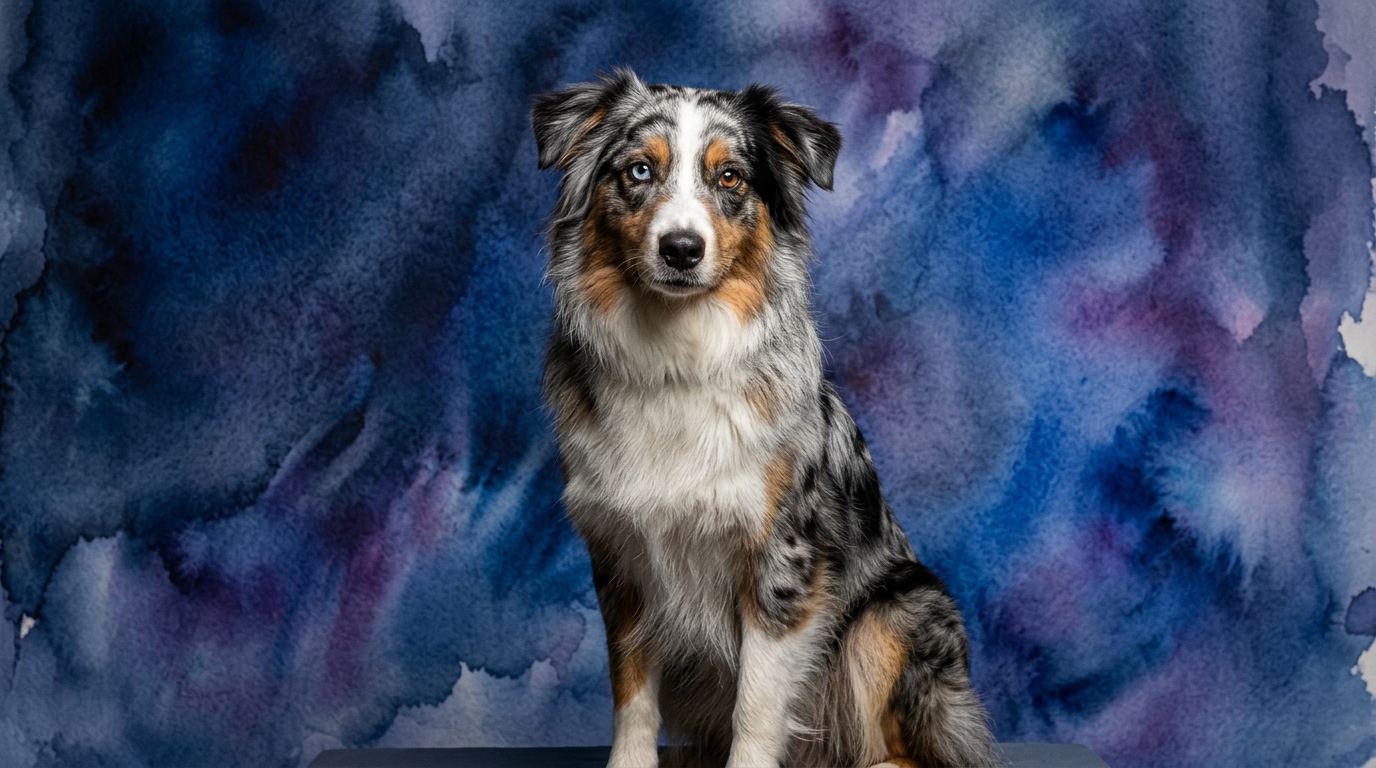
The Cosmic Pet Pet IQ Lab assesses canine intelligence across five key dimensions, revealing a nuanced picture for each breed. For the Australian Shepherd, a Herding dog, the scores reflect a highly capable working intellect: Problem Solving (5/5), Training Speed (5/5), Social Intelligence (4/5), Instinctive Drive (5/5), and Memory (5/5). These ratings paint a picture of a dog that not only learns quickly but actively seeks to understand and engage with its environment and tasks, possessing a profound capacity for recall and purpose-driven action. Their social intelligence is strong within their established group, but they are primarily focused on their working relationship.
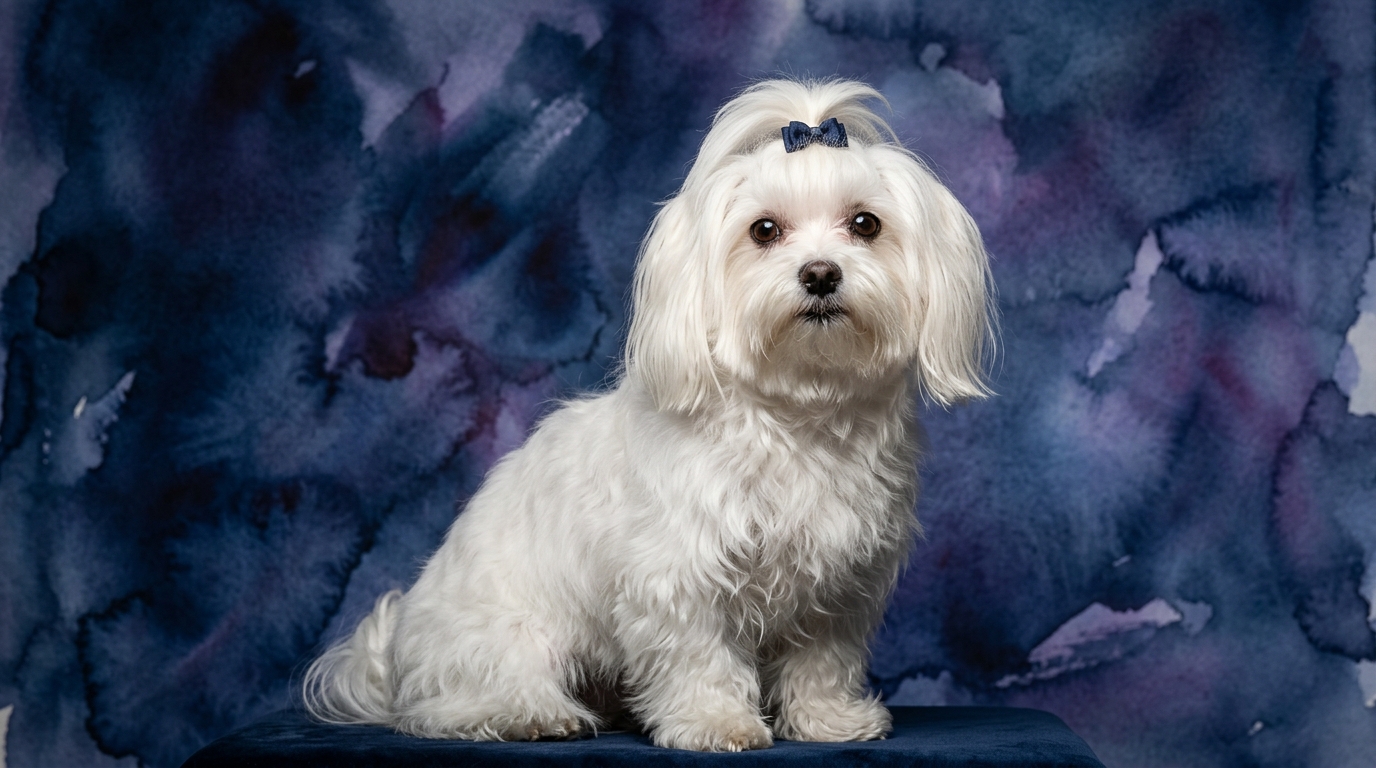
In contrast, the Maltese, a Toy breed, presents a different set of cognitive strengths, primarily centered around companionship: Problem Solving (3/5), Training Speed (3/5), Social Intelligence (5/5), Instinctive Drive (2/5), and Memory (3/5). While capable of learning and adapting, their scores suggest a dog less inclined towards independent, complex problem-solving or intense physical tasks. Their standout feature is their exceptional social intelligence, indicating a profound ability to connect with and understand human emotions, making them exquisitely attuned companions, even if their instinctive drive for work is minimal.
Where Australian Shepherd Wins Cognitively
The Australian Shepherd’s cognitive profile clearly positions it as a powerhouse of practical intellect. Their Problem Solving score of 5/5 isn't just about figuring out a puzzle toy; it's about dynamic, real-world application. For instance, an Aussie might independently assess a situation where a gate is ajar and, instead of waiting for a human, figure out how to nudge it closed or navigate a more complex path to retrieve a stray ball. This isn't rote memorization; it's adaptive reasoning. Coupled with a Training Speed of 5/5, they don't just learn quickly, they learn deeply. A single demonstration of a multi-step agility course might be enough for an Australian Shepherd to grasp the sequence, remembering the order of obstacles and required actions. This rapid assimilation of information is fueled by their immense Memory (5/5), which ensures that once a skill is acquired, it's rarely forgotten, allowing them to build an extensive repertoire. Their Instinctive Drive (5/5) further enhances these strengths, providing an intrinsic motivation to engage with tasks and challenges, turning work into a fulfilling mental exercise rather than a chore. This drive is a cognitive imperative to organize, control, and execute, making them exceptional at tasks requiring precision and foresight.
Where Maltese Wins Cognitively
While the Australian Shepherd excels in task-oriented cognition, the Maltese shines in the realm of social and emotional intelligence, earning a perfect 5/5 in Social Intelligence. This isn't about solving an external problem, but about navigating the intricate landscape of human-canine relationships. A Maltese is exceptionally adept at reading the subtle shifts in their owner's mood, understanding a sigh of contentment, a look of concern, or a gesture of invitation. They often anticipate needs, offering comfort when their human is distressed or initiating play when they sense an opening for interaction. Their cognitive strength lies in their profound ability to connect and communicate non-verbally, fostering deep bonds. Unlike the Aussie’s task-driven focus, the Maltese uses its intelligence to maintain social harmony and secure affection, often employing charming behaviors or gentle nudges to elicit a desired response from their human companions. This highly developed social awareness makes them incredibly responsive and intuitive companions, skilled at integrating seamlessly into family dynamics and providing emotional support. Their intelligence, while not geared towards complex problem-solving, is perfectly tailored for their role as devoted and perceptive companions.
Which is Easier to Train and Why
When considering ease of training, the Australian Shepherd generally presents a more straightforward experience for owners prepared for their drive. Their Training Speed (5/5) and Problem Solving (5/5) mean they pick up new commands and intricate sequences with remarkable quickness. An Aussie thrives on mental stimulation and has an intrinsic desire to work and please, making them highly receptive to instruction. They grasp the 'why' behind an action faster, connecting a command to a desired outcome efficiently. For example, teaching an Australian Shepherd to fetch a specific item from another room might involve only a few guided repetitions before they understand the concept, thanks to their strong memory and ability to generalize. However, their powerful Instinctive Drive (5/5) also means they require consistent, engaging training to channel their energy productively, or they might invent their own 'jobs,' which could be less desirable.
The Maltese, with a Training Speed (3/5) and Problem Solving (3/5), typically requires a more patient and consistent approach. While they are certainly trainable, they may need more repetitions to solidify a command, and their motivation often stems from their desire for social approval or immediate rewards rather than an inherent drive to perform complex tasks. For instance, house-training a Maltese might take longer, as their focus isn't on mastering a complex system but on pleasing their owner and avoiding discomfort. Their high Social Intelligence (5/5) can be leveraged during training; they respond well to positive reinforcement delivered with affection and praise. The key difference lies in the *type* of motivation and cognitive processing: the Aussie is driven by purpose and intellectual challenge, while the Maltese is motivated by connection and comfort.
Which Suits Active Owners vs. Relaxed Owners
The cognitive profiles of these two breeds paint a clear picture of their suitability for different lifestyles. The Australian Shepherd, with its stellar Problem Solving (5/5), Training Speed (5/5), Instinctive Drive (5/5), and Memory (5/5), is undeniably suited for active owners. This breed doesn't just need physical exercise; it requires profound mental engagement. An owner who enjoys dog sports like agility, obedience, flyball, or even herding trials will find an Australian Shepherd to be an enthusiastic and capable partner. Their strong drive means they thrive on having a 'job,' and without sufficient outlets for their cognitive and physical energy, they can become bored, potentially leading to destructive behaviors or excessive barking. They need an owner who can consistently provide intellectual challenges, novel training exercises, and plenty of opportunities to use their problem-solving skills in varied environments. An active owner for an Aussie isn't just someone who takes them for walks; it's someone who actively engages their sharp mind daily.
Conversely, the Maltese, with its high Social Intelligence (5/5) and lower scores in problem-solving and instinctive drive, is an ideal match for more relaxed owners. Their primary 'job' is companionship, and they excel at it. A Maltese thrives in a home where they can be close to their human family, participating in daily life from the comfort of a lap or a nearby cushion. While they enjoy short walks and play sessions, their cognitive needs are largely met through social interaction, affection, and gentle engagement. They don't demand complex mental tasks or extensive physical outlets. An owner who prefers a calm, affectionate presence and enjoys cuddling, gentle play, and perhaps teaching a few simple tricks will find the Maltese to be a fulfilling companion. Their intelligence is geared towards emotional connection rather than strenuous activity, making them perfect for those seeking a devoted, low-key canine friend.
The Verdict
Choose an Australian Shepherd if you are an active, experienced owner eager to provide consistent mental and physical challenges, enjoying complex training, dog sports, or real-world tasks that engage a highly driven and problem-solving mind.
Choose a Maltese if you seek a devoted, affectionate companion who thrives on close social interaction and offers profound emotional support, fitting seamlessly into a more relaxed lifestyle without demanding extensive mental work.
🧠 Find Your Pet's IQ Score
Our Pet IQ Lab assessment covers 25+ tests across 5 cognitive dimensions — personalized to your breed.
Take the Full IQ Test →Frequently Asked Questions
Is an Australian Shepherd or Maltese better for a first-time dog owner?
A Maltese might be a more manageable choice for a first-time owner due to its lower exercise demands and primary focus on companionship, while an Australian Shepherd's intense cognitive and physical needs can be overwhelming without prior experience.
Can a Maltese be trained for complex tricks or agility?
While a Maltese can certainly learn tricks and basic agility, their training speed and instinctive drive mean they typically require more patient repetition and may not achieve the same level of complex skill or speed as an Australian Shepherd.
How do their social needs differ?
The Maltese has a paramount need for close human companionship and excels at social bonding, whereas the Australian Shepherd is social within its established pack but often more reserved with strangers, prioritizing its working relationship over broad social engagement.