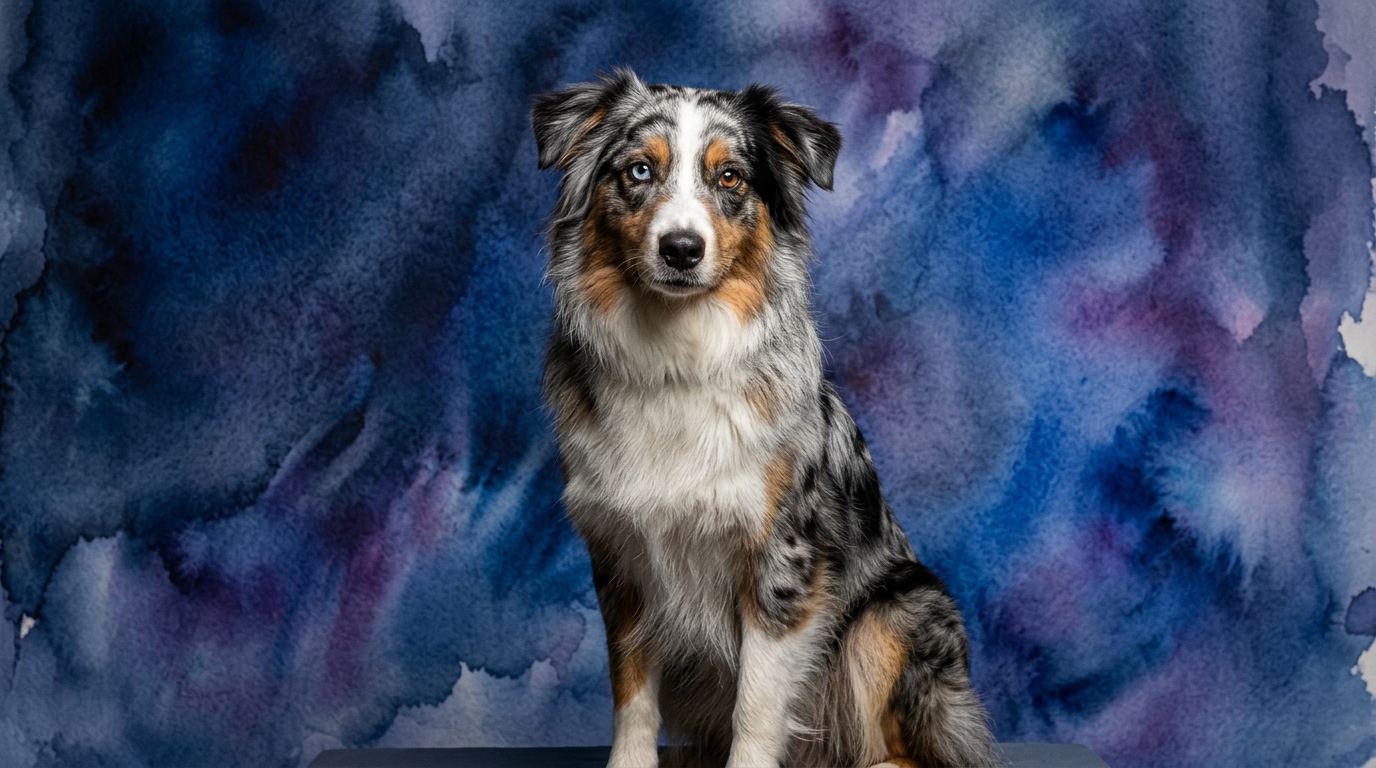
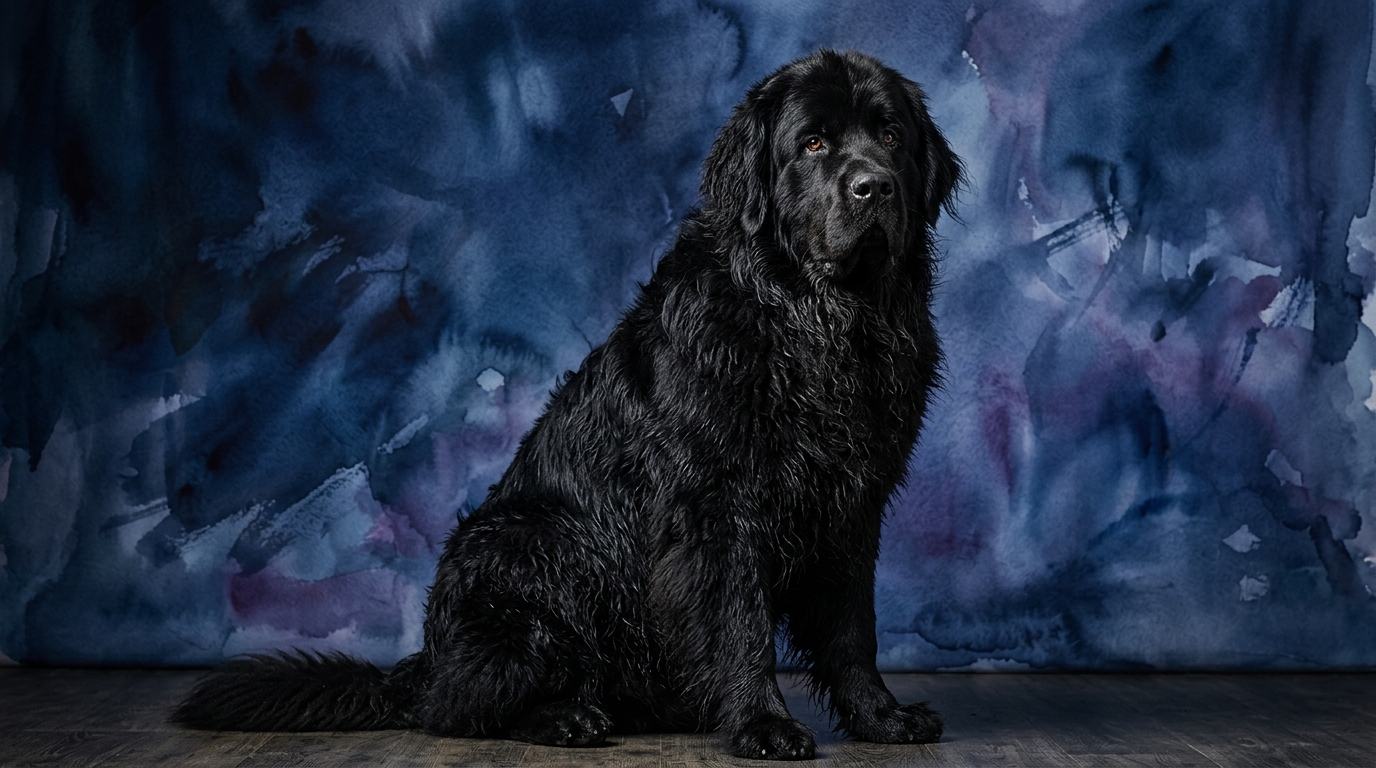
Side-by-Side Cognitive Profiles: Herding vs. Guardian Instincts
An Australian Shepherd's exceptional problem-solving (5/5) allows them to devise strategies for intricate tasks, such as navigating agility courses or figuring out how to open a gate. Their training speed (5/5) is equally impressive, enabling them to grasp new commands and multi-step routines with remarkable swiftness, often after only a few repetitions. While their social intelligence (4/5) is strong with their inner circle, fostering a deep connection with their handler, they might display a more reserved approach towards unfamiliar individuals. An intense instinctive drive (5/5) for herding manifests as a constant desire for a 'job,' whether it's moving livestock or organizing family members, while their superior memory (5/5) means they rarely forget a learned cue or a past interaction.
The Newfoundland, often perceived as a 'nanny dog,' presents a distinct cognitive profile, earning a respectable Coren rank of #34 among working breeds. Their problem-solving (3/5) leans towards practical, real-world solutions rather than abstract puzzles, often involving their protective or rescue instincts. Training speed (4/5) is solid; they learn steadily and reliably, valuing consistency and positive reinforcement over rapid-fire instruction. Where they truly shine is social intelligence (5/5), demonstrating profound empathy, patience, and a natural affinity for children and other animals, making them exceptional companions. Their instinctive drive (5/5) is deeply rooted in water rescue and protection, often manifesting as a strong desire to 'save' or care for their human family. A good memory (4/5) ensures they retain commands and routines, though perhaps not with the lightning recall of a herding breed.
Australian Shepherd's Cognitive Edge: Agility of Mind
The Australian Shepherd's cognitive architecture is built for dynamic action and rapid adaptation, giving them a distinct edge in areas requiring quick mental processing and intricate task execution. Their 5/5 rating in problem-solving isn't just about figuring out puzzles; it's about assessing a situation, strategizing a response, and executing it with precision, whether that involves outmaneuvering a stubborn sheep or navigating an advanced agility course. This analytical approach means they don't just follow commands; they often anticipate them and can even infer solutions to novel challenges. Complementing this is their unparalleled training speed (5/5), allowing them to absorb new commands, sequences, and behavioral nuances at an astonishing pace. This rapid learning curve makes them highly responsive to complex training protocols, from competitive obedience to intricate trick training. Furthermore, their 5/5 memory ensures that once a lesson is learned, it is rarely forgotten, contributing to their consistency and reliability in performance. This combination of cognitive agility, fast learning, and robust recall makes the Australian Shepherd a formidable candidate for roles demanding continuous mental engagement and quick decision-making, such as search and rescue, competitive dog sports, or even service work where intricate procedures are paramount. They thrive on the mental stimulation of learning new things and applying their sharp intellect to their daily routines.
Newfoundland's Cognitive Strengths: Empathy and Steadfast Purpose
While the Australian Shepherd excels in mental agility, the Newfoundland's cognitive brilliance lies in their profound social intelligence (5/5) and unwavering instinctive drive (5/5) for caregiving and protection. These 'gentle giants' possess an extraordinary capacity for empathy, allowing them to read human emotions and respond with comforting reassurance, making them exceptional therapy dogs and family companions. Their social acumen extends beyond just humans; they often display remarkable patience and understanding with children and other animals, acting as natural guardians and caregivers within a multi-species household. The Newfie's instinctive drive, particularly for water rescue, is not merely a learned behavior but an innate, powerful urge to assist and protect, sometimes even attempting to 'rescue' swimming family members. This deep-seated drive, combined with their social perceptiveness, enables them to act decisively and appropriately in situations requiring calm, protective intervention. Their Coren rank of #34, while not as high as some herding breeds, still places them firmly within the 'above average' working dog category, reflecting their capacity for consistent obedience and understanding of commands, especially when those commands align with their inherent protective nature. Their cognitive process might be more deliberate than an Aussie's, but it is deeply rooted in purpose and compassion, making them incredibly reliable and devoted partners in roles that demand steadfast loyalty and a nurturing presence.
Training Dynamics: Speed vs. Steadiness
When it comes to training, the core distinction between these two breeds centers on their pace of acquisition and underlying motivation. The Australian Shepherd, with its 5/5 training speed, is often described as a sponge, soaking up new commands and complex sequences with astonishing rapidity. Their eagerness to please, coupled with their inherent drive to work and their superior memory, means they can master advanced tasks in fewer repetitions. This makes them ideal for owners who enjoy engaging in competitive dog sports like agility, obedience, or flyball, where quick learning and precise execution are paramount. However, their high mental energy also means they can become bored or destructive if not consistently challenged. The Newfoundland, with a commendable 4/5 training speed, learns at a more deliberate, yet equally reliable, pace. They thrive on consistency, positive reinforcement, and clear communication. While they may not pick up a new trick in two tries like an Aussie, once a Newfie learns something, it is typically deeply ingrained and performed with steadfast devotion. Their motivation often stems from their desire to be a valued family member and to fulfill their protective or caregiving instincts. Training a Newfie requires patience and understanding of their gentle nature, focusing on building a strong bond rather than rapid-fire instruction. An Aussie might learn the 'stay' command faster, but a Newfie's 'stay' can be incredibly solid, rooted in their calm resolve.
Lifestyle Suitability: Active Engagement vs. Calm Companionship
The ideal owner for an Australian Shepherd is typically someone who leads an active lifestyle and is prepared to provide consistent mental and physical stimulation. Their exceptional problem-solving and intense instinctive drive demand outlets for their energy, whether through long hikes, demanding training sessions, or engaging puzzle toys. Owners who appreciate a dog that thrives on learning new skills and participating in dog sports will find an Aussie to be an unparalleled partner. They are not content to simply lounge; their sharp minds require a 'job' to prevent boredom-induced behaviors. This means an active owner isn't just about physical activity but also about providing structured mental challenges and consistent engagement. Conversely, the Newfoundland is better suited for owners who seek a calm, patient, and deeply empathetic companion. While they still require regular exercise to maintain their health, their need for high-intensity, continuous mental work is less pronounced than an Aussie's. Their strong social intelligence and nurturing instincts make them wonderful family dogs, particularly in homes with children or other pets, where their gentle demeanor shines. Owners who appreciate a steadfast, devoted presence and are prepared for a large dog with a moderate exercise requirement will find a Newfie to be a perfect fit. They thrive on being an integral part of the family, offering quiet companionship and gentle protection, rather than constant high-octane activity.
The Verdict
Choose an Australian Shepherd if you desire a highly trainable, mentally agile partner for dog sports, intricate tasks, and an active, engaging lifestyle where consistent mental stimulation is a priority.
Opt for a Newfoundland if you seek a deeply empathetic, calm, and protective companion who thrives on strong social bonds and offers steadfast, gentle devotion within a family setting.
🧠 Find Your Pet's IQ Score
Our Pet IQ Lab assessment covers 25+ tests across 5 cognitive dimensions — personalized to your breed.
Take the Full IQ Test →Frequently Asked Questions
Do Australian Shepherds need more exercise than Newfoundlands?
Yes, generally. Australian Shepherds possess a higher energy level and a more intense drive, requiring significant daily physical activity and demanding mental stimulation to prevent boredom. Newfoundlands, while needing regular exercise, are content with moderate activity and prioritize calm companionship.
Are Newfoundlands difficult to train because of their lower problem-solving score?
Not necessarily difficult, but they learn at a steadier pace compared to the rapid acquisition of an Aussie. Their 4/5 training speed indicates they are reliable learners, thriving on consistency and positive reinforcement, especially when tasks align with their natural protective or caregiving instincts.
Which breed is better with children?
Both breeds can be good with children, but the Newfoundland's 5/5 social intelligence and inherent nurturing instincts often make them exceptional 'nanny dogs' known for their patience and gentleness. Australian Shepherds can be good family dogs too, but their herding instincts might lead to nipping at heels if not properly managed.