Side-by-Side IQ Profile: Australian Shepherd vs. Parson Russell Terrier
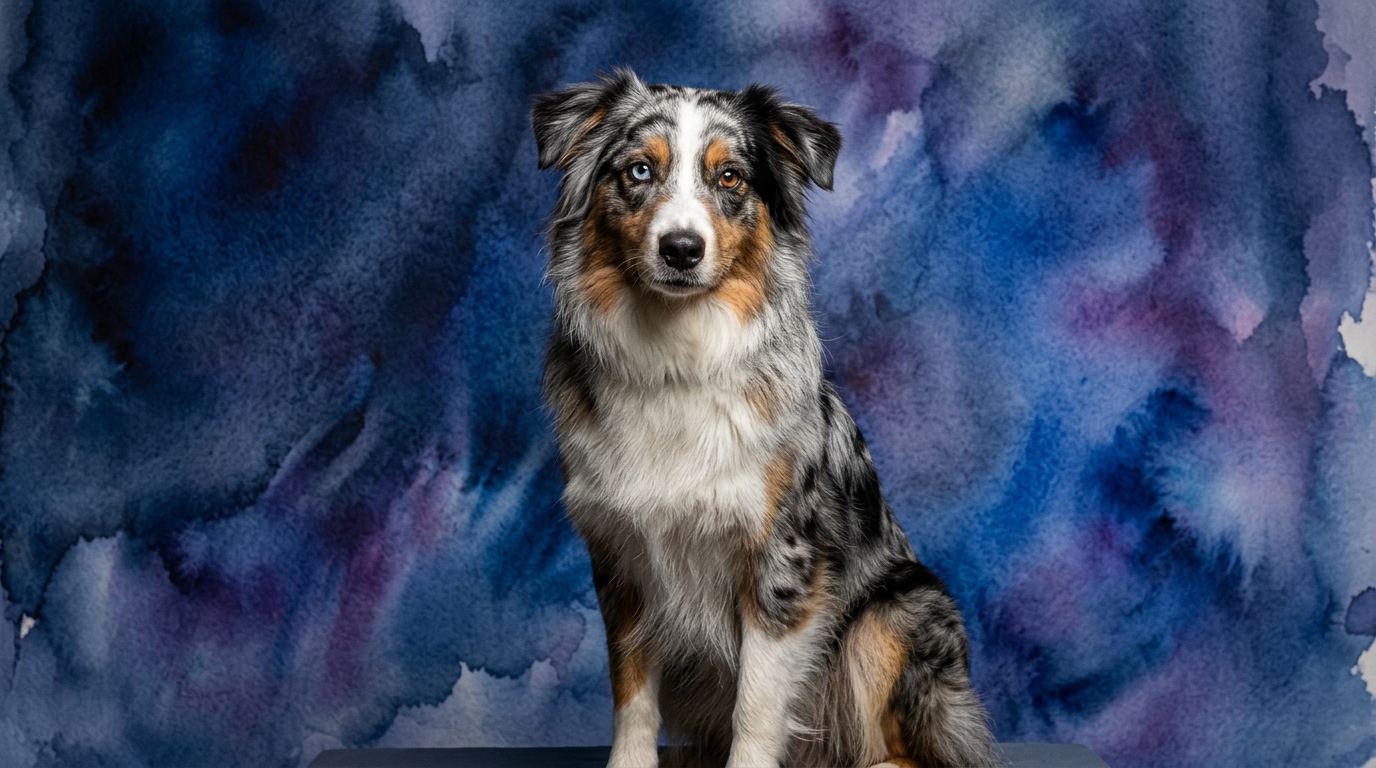
The Cosmic Pet Pet IQ Lab provides a detailed breakdown of canine cognitive abilities across five key dimensions. For the Australian Shepherd, a breed forged in the crucible of herding, the profile is consistently exceptional. Their Problem Solving registers a perfect 5/5, indicating an exceptional capacity to navigate complex scenarios, devise strategies, and understand cause-and-effect relationships, extending beyond simple learned behaviors. Their Training Speed, also a flawless 5/5, means new commands, routines, and multi-step tasks are absorbed with impressive rapidity, often requiring minimal repetition for mastery. Social Intelligence stands at a strong 4/5, reflecting their ability to keenly observe human cues, understand intentions, and form deep, cooperative bonds, making them highly attuned partners. An Instinctive Drive of 5/5 underscores their inherent urges for work, movement, and management, stemming directly from their herding heritage. Finally, their Memory also hits 5/5, ensuring that once a lesson is learned, a route explored, or a task mastered, it is retained with remarkable fidelity over long periods, allowing for consistent performance.
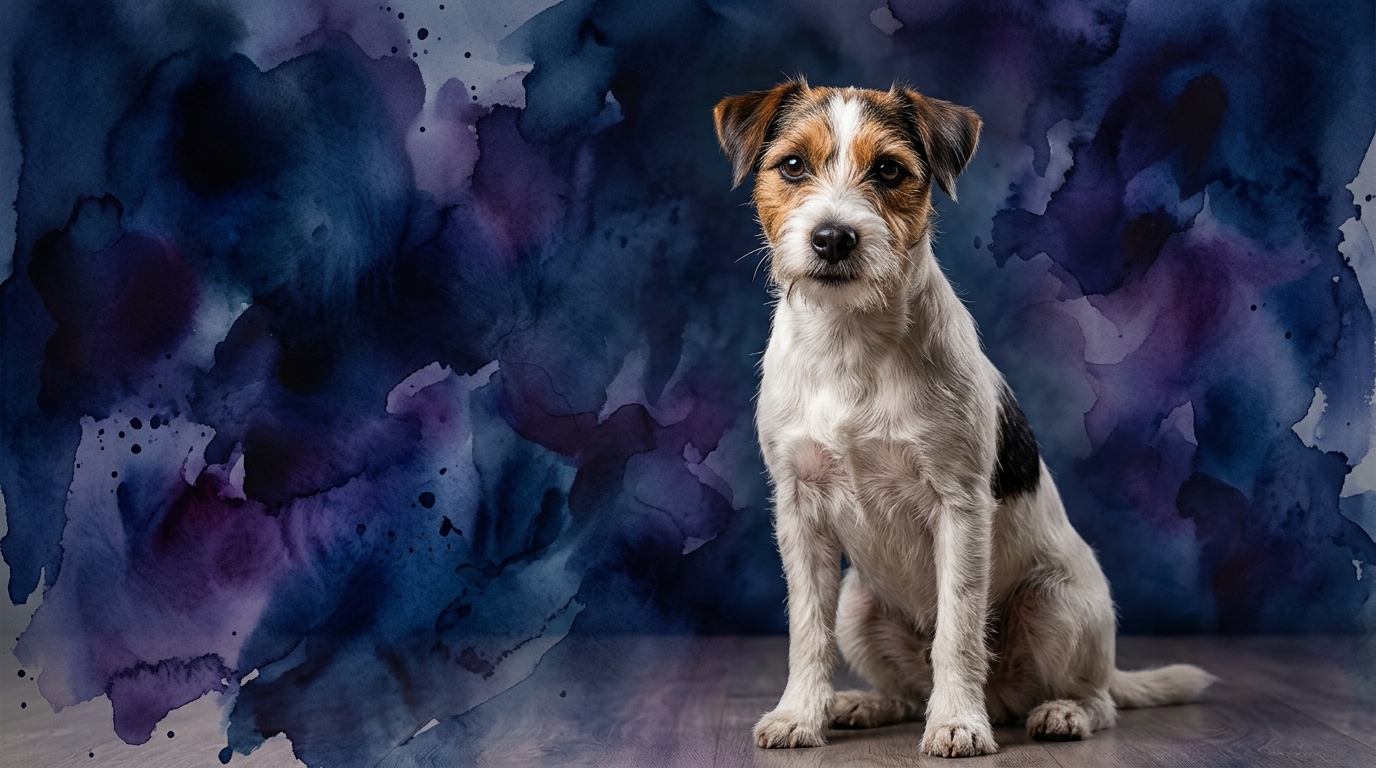
In contrast, the Parson Russell Terrier, a breed honed for specific working tasks beneath the earth, offers a distinct cognitive makeup that prioritizes different strengths. Their Problem Solving is rated 3/5, suggesting they are capable of tackling direct, immediate challenges, often through persistent trial-and-error, but perhaps less inclined towards abstract strategic planning compared to the Aussie. Their Training Speed also comes in at 3/5; while certainly capable of learning, they might require more repetition, patience, and creative motivation to solidify new commands, as their independent spirit can sometimes prioritize self-directed actions. Social Intelligence at 3/5 indicates they connect well with their chosen humans, but might be less overtly attuned to subtle human emotional shifts or less inherently driven by human cooperation than the herding breeds, preferring to engage on their own terms. Their Instinctive Drive, rated 3/5, is potent but often more narrowly focused on classic terrier pursuits: digging, chasing, and flushing; this drive is powerful within its domain but might not translate to the broad 'work ethic' seen in a herding dog. Memory at 3/5 means they remember what's important to them – routines, favorite people, and places – but might not possess the same capacity for detailed recall of complex sequences or long-past events as a breed with a 5/5 score.
Where the Australian Shepherd Excels Cognitively
The Australian Shepherd's cognitive architecture grants it clear advantages in several domains, particularly those demanding intricate mental effort. Foremost is their unparalleled capacity for complex task mastery and adaptive learning. A 5/5 in Problem Solving combined with a 5/5 Training Speed means an Aussie isn't just learning a command; they are often understanding the underlying concept and purpose of a task. This allows them to excel in intricate dog sports like agility, where they must quickly process a sequence of obstacles and make split-second decisions, or in service dog roles demanding multi-step protocols and nuanced decision-making in real-world scenarios. They don't just follow instructions; they often anticipate, strategize, and adapt their actions based on evolving circumstances. Furthermore, their high Social Intelligence (4/5) gives them an edge in cooperative tasks, enabling them to read subtle human body language and vocal inflections, fostering a highly responsive and fluid partnership. This makes them exceptionally adaptable to new training methods or unexpected changes in environment, as they actively seek to understand and comply. Their robust memory ensures that once a solution is found or a skill is acquired, it's deeply ingrained, leading to consistent and reliable performance even after long breaks from practice.
Where the Parson Russell Terrier Demonstrates Unique Cognitive Strengths
While the Parson Russell Terrier's scores are more moderate across the board, their cognitive profile presents unique strengths, particularly in areas demanding focused tenacity and independent action. Their 3/5 Problem Solving, when combined with a potent, albeit specific, 3/5 Instinctive Drive, translates into an unwavering determination when pursuing a task that aligns with their natural instincts. Unlike the Aussie, who might be considering the broader context of a herd, the PRT zeroes in on a single objective, such as tracking a scent through dense brush or digging for a perceived quarry, with relentless focus. This isn't about complex, abstract strategy, but about sheer, unyielding drive toward a tangible goal, often overcoming physical obstacles through sheer will. Their moderate Social Intelligence (3/5) fosters a degree of self-reliance; they are less prone to waiting for human instruction for every step and are often confident in making their own immediate decisions based on environmental cues. This independence, while sometimes perceived as stubbornness in training, can be a distinct advantage in situations requiring quick, unassisted problem-solving, such as navigating varied terrain or flushing out small animals without constant handler input. Their cognitive resilience allows them to persist in repetitive tasks they find intrinsically rewarding, demonstrating a different kind of mental fortitude and an unflagging commitment to their 'work,' even if it’s not intellectually complex.
Which is Easier to Train and Why?
In the realm of trainability, the Australian Shepherd holds a significant advantage. Their perfect 5/5 scores in Training Speed and Memory, coupled with a 4/5 in Social Intelligence, mean they are not only quick to grasp new concepts but also eager to engage in cooperative learning. Aussies typically thrive on structure, mental engagement, and the satisfaction of working alongside their human. Their herding background has ingrained a natural inclination to be responsive to direction and to understand hierarchy, making them highly receptive to cues and commands. They actively seek to understand what's expected of them and enjoy the mental challenge of learning, often anticipating the next step in a sequence. This innate desire to cooperate and please their handler makes the training process generally smoother and more rewarding for both parties.
Conversely, the Parson Russell Terrier, with its 3/5 Training Speed and Problem Solving, presents a more persistent training challenge. While certainly capable of learning, their independent nature and powerful, focused instinctive drives can make them less inclined to comply if a command conflicts with a more compelling instinct, like chasing a squirrel or investigating a scent. Training a PRT often requires more patience, creativity, and a consistent approach to make compliance feel like their own rewarding idea, rather than just following an instruction. They are thinkers, but their thoughts are often directed by their immediate environment and innate drives, necessitating a more nuanced and engaging training style to capture their attention and commitment. Their training journey often focuses on channeling their natural drives rather than suppressing them, demanding a handler who appreciates their spirited independence.
Cognitive Needs: Active vs. Relaxed Owners
Neither the Australian Shepherd nor the Parson Russell Terrier is suited for a truly relaxed, sedentary owner; both breeds possess substantial energy and cognitive needs that demand active engagement. However, the nature of that activity differs significantly based on their unique intelligence profiles. The Australian Shepherd, with its top-tier Problem Solving, Instinctive Drive, and Memory, thrives with owners who can provide consistent, complex mental challenges and purposeful physical work. This means activities like competitive obedience, agility, flyball, herding trials, or long, structured hikes where they have a 'job' to do, such as carrying a pack or navigating an obstacle course. Their minds require as much exercise as their bodies, and without it, they can become bored, destructive, or develop problematic behaviors as they invent their own (often undesirable) challenges. An Aussie owner must be prepared to be an active participant in their dog's mental life.
The Parson Russell Terrier, while equally energetic, leans towards owners who can satisfy their intense physical drive and specific instinctive urges. This often translates to vigorous play sessions, earthdog trials, extensive walks where they can explore and sniff to their heart's content, or sports that tap into their prey drive, like lure coursing. Their cognitive satisfaction comes less from intricate, multi-step problem-solving tasks and more from sustained physical output and the fulfillment of their inherent terrier 'work' – chasing, digging, and exploring. An owner for a PRT needs to be prepared for an active, often independent, partner who loves to run, dig, and chase, rather than one who seeks complex instructions. They need an outlet for their focused energy and determination, which may not always be neatly structured, but must be consistently provided.
The Verdict
Choose the Australian Shepherd if you seek a highly cooperative, mentally agile partner eager for complex training, competitive dog sports, or a demanding working role where intricate problem-solving and responsiveness are paramount.
Opt for the Parson Russell Terrier if you appreciate an independent, tenacious companion with a focused, relentless drive for physical activity and instinctual tasks, and you are prepared for a more persistent, creative training approach.
🧠 Find Your Pet's IQ Score
Our Pet IQ Lab assessment covers 25+ tests across 5 cognitive dimensions — personalized to your breed.
Take the Full IQ Test →Frequently Asked Questions
Is the Parson Russell Terrier difficult to train?
While not 'difficult' in terms of inability to learn, their moderate Training Speed and independent nature mean they often require more consistent, patient, and engaging methods than some other breeds. Their strong instinctive drive can sometimes override their desire to comply, so making training rewarding and fun is crucial to success.
Do Australian Shepherds need a 'job' to be happy?
Absolutely. With 5/5 scores in Problem Solving, Training Speed, Instinctive Drive, and Memory, Australian Shepherds possess a deep cognitive need for purposeful activity. Without sufficient mental and physical engagement, they can become bored, destructive, or develop undesirable behaviors, as their minds are constantly seeking challenges to solve and work to do.
Which breed is better for a first-time dog owner?
Neither breed is typically recommended for a truly novice owner due to their significant energy levels and cognitive demands. However, if a first-time owner is committed to extensive training, mental stimulation, and physical exercise, an Australian Shepherd might be slightly more forgiving due to its eagerness to please and high trainability, provided the owner commits to structured activities.