Side-by-Side Cognitive Profiles
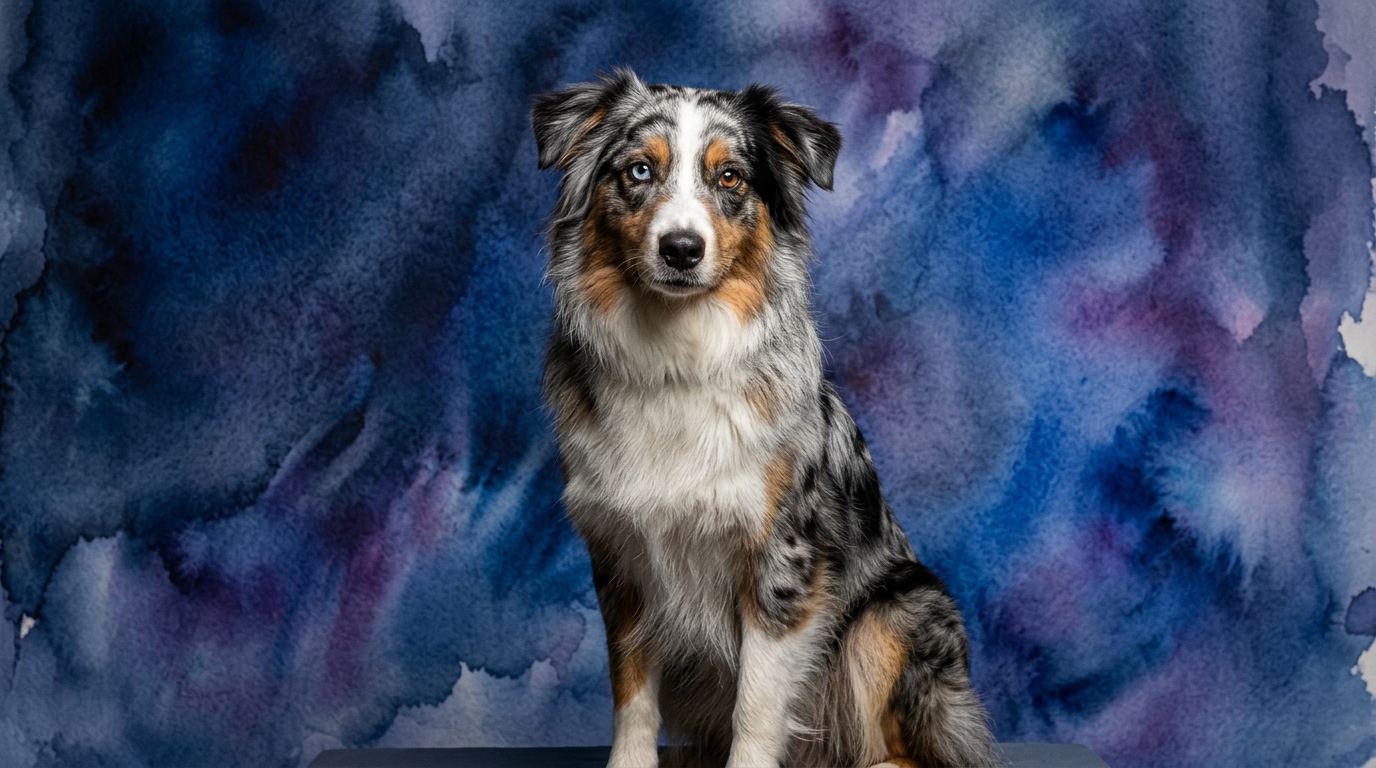
The Cosmic Pet Pet IQ Lab offers a granular look into canine cognition, revealing stark differences between these two breeds. The Australian Shepherd, a robust herding dog, displays a profound capacity for complex thought: Problem Solving at 5/5, Training Speed at 5/5, Instinctive Drive at 5/5, and Memory at 5/5. Their Social Intelligence registers a robust 4/5, indicating a keen awareness of their environment and social cues, though perhaps slightly less dominant than their task-oriented faculties. This profile paints a picture of a dog built for intricate tasks and rapid learning, capable of retaining vast information and acting on strong inherent impulses.
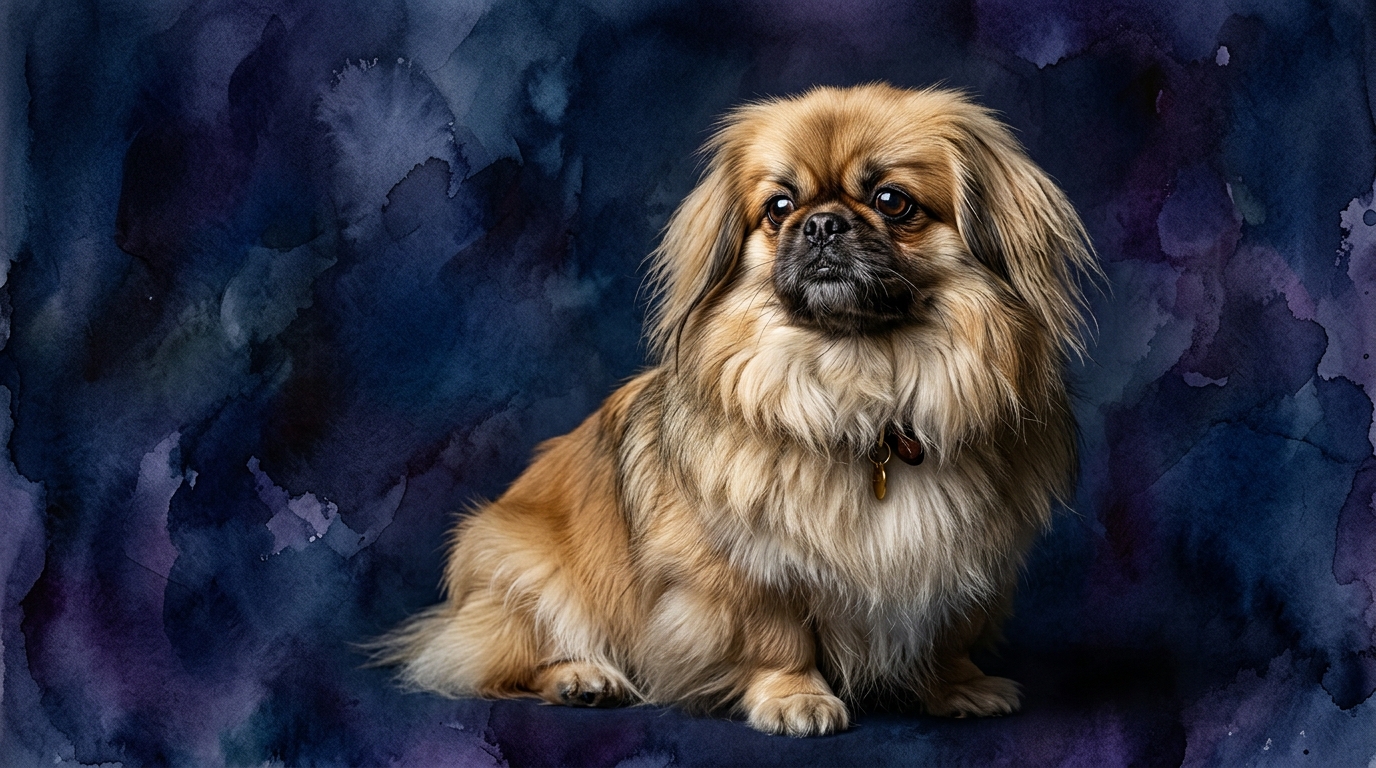
In contrast, the Pekingese, a regal toy breed, presents a more moderate cognitive blueprint, perfectly suited to its historical role as a companion. Each of its five cognitive dimensions — Problem Solving, Training Speed, Social Intelligence, Instinctive Drive, and Memory — scores a balanced 3/5. This indicates a dog with sufficient mental capacity for navigating a home environment and engaging with its human family, but without the intense drive or rapid processing required for demanding work. Their cognitive makeup suggests a preference for comfort and routine over complex mental challenges, valuing gentle interaction.
Where the Australian Shepherd Excels Cognitively
The Australian Shepherd's cognitive strengths are evident across multiple domains, making them particularly adept at navigating complex environments and learning intricate behaviors. Their 5/5 Problem Solving score means they are quick to analyze novel situations and devise effective solutions, whether it’s figuring out how to open a gate or navigating an agility course with unforeseen obstacles. This isn't just about following commands; it's about independent thought. Their 5/5 Training Speed allows them to absorb new commands and multi-step routines with remarkable efficiency, often requiring fewer repetitions than many other breeds.
Furthermore, the Australian Shepherd's exceptional 5/5 Memory contributes to their ability to retain a vast repertoire of commands, tricks, and learned behaviors over long periods, making advanced training highly rewarding. This memory, combined with their 5/5 Instinctive Drive, means they are not only capable of learning but are also inherently motivated to apply their skills, whether it's herding, tracking, or engaging in complex dog sports. Their cognitive profile is a testament to generations of selective breeding for working intelligence, resulting in a dog that thrives on mental engagement and purpose.
Where the Pekingese's Cognitive Profile Shines
While the Pekingese's individual cognitive scores are moderate at 3/5 across the board, this profile is a distinct advantage for specific lifestyles and owner expectations. Their balanced problem-solving and instinctive drive mean they are less likely to become restless or destructive due to unmet mental stimulation needs, unlike breeds with intense working drives. They are perfectly content with a predictable routine and the comfort of their home, not constantly seeking out new challenges or "jobs" to do. This makes them a remarkably low-maintenance companion cognitively.
The Pekingese's 3/5 Social Intelligence is precisely what's needed for a devoted companion: they understand basic human cues and form strong bonds without needing to interpret complex social hierarchies or manage intricate group dynamics. Their moderate memory and training speed mean that while they may not learn advanced tricks quickly, they reliably remember household routines, preferred sleeping spots, and the people they love. This cognitive steadiness ensures they are a calm, predictable presence, providing consistent affection without the need for constant mental management.
Training Ease: Australian Shepherd vs. Pekingese
When it comes to training, the practical differences between these breeds are substantial, stemming directly from their IQ profiles. The Australian Shepherd, with its 5/5 Training Speed and Problem Solving, is often described as a sponge for information. They not only quickly grasp new commands but also understand the underlying intent, making them highly responsive to nuanced cues and capable of advanced obedience. Their strong memory ensures that once a behavior is learned, it is retained, allowing for rapid progression through training levels. However, their high instinctive drive means training must be consistent and engaging to channel their mental energy productively, preventing boredom-induced mischief.
The Pekingese, with its 3/5 Training Speed and Problem Solving, requires a more patient and consistent approach. They will learn, but it often takes more repetitions and a greater focus on positive reinforcement to solidify behaviors. Complex multi-step commands are not their forte, and their memory, while adequate for daily routines, may not retain intricate sequences as readily. Their moderate instinctive drive means they are not inherently motivated by "work" or task accomplishment; instead, training should be framed around comfort, treats, and positive interaction. House-training may demand extra consistency and time with a Pekingese compared to the quick-learning Australian Shepherd.
Suiting Active vs. Relaxed Lifestyles
The cognitive profiles of the Australian Shepherd and Pekingese dictate their suitability for different owner lifestyles with remarkable clarity. The Australian Shepherd's robust scores across problem-solving, training speed, instinctive drive, and memory make them an ideal match for active, engaged owners. These are individuals or families who thrive on outdoor adventures, dog sports like agility or frisbee, advanced obedience training, or even working roles. An Australian Shepherd needs consistent mental stimulation and physical exercise to be content, otherwise, their powerful cognitive engine can lead to restlessness, destructive behaviors, or excessive herding. They are partners for those who want to co-pilot life's adventures.
Conversely, the Pekingese's balanced and moderate cognitive profile makes them the quintessential companion for relaxed, home-centric owners. Their 3/5 scores mean they are perfectly content with gentle walks, cuddle sessions, and observing the world from a comfortable lap. They do not demand constant mental challenges or strenuous physical activity. Owners who appreciate a calm, predictable presence, and are looking for a devoted lap dog rather than a working partner, will find the Pekingese's cognitive makeup aligns perfectly with their lifestyle. They offer quiet companionship without the intense mental management required.
The Verdict
Choose an Australian Shepherd if you seek a highly engaged canine partner for advanced training, dog sports, and an active outdoor lifestyle, capable of complex problem-solving and rapid learning.
Choose a Pekingese if you desire a calm, affectionate companion for a relaxed home environment, appreciating a dog with moderate cognitive demands and a preference for comfort over constant activity.
🧠 Find Your Pet's IQ Score
Our Pet IQ Lab assessment covers 25+ tests across 5 cognitive dimensions — personalized to your breed.
Take the Full IQ Test →Frequently Asked Questions
Can a Pekingese learn advanced tricks or commands?
While a Pekingese has the capacity to learn basic commands and some simple tricks, their moderate training speed and problem-solving at 3/5 mean complex routines will be challenging and require significant patience and repetition from the owner. They are better suited for foundational obedience.
Do Australian Shepherds need a "job" to be happy?
Yes, their 5/5 instinctive drive and problem-solving mean Australian Shepherds thrive when given a purpose, whether it's herding, agility, advanced obedience, or even complex puzzle toys. Without mental engagement, they can become bored or develop behavioral issues.
Is one breed more affectionate than the other?
Affection is a personality trait that varies by individual dog, but generally, both breeds can be very affectionate within their social intelligence profiles. Australian Shepherds often show affection through active participation and loyalty, while Pekingese tend to express it through close companionship and quiet presence.