A Side-by-Side Look at Canine Cognition
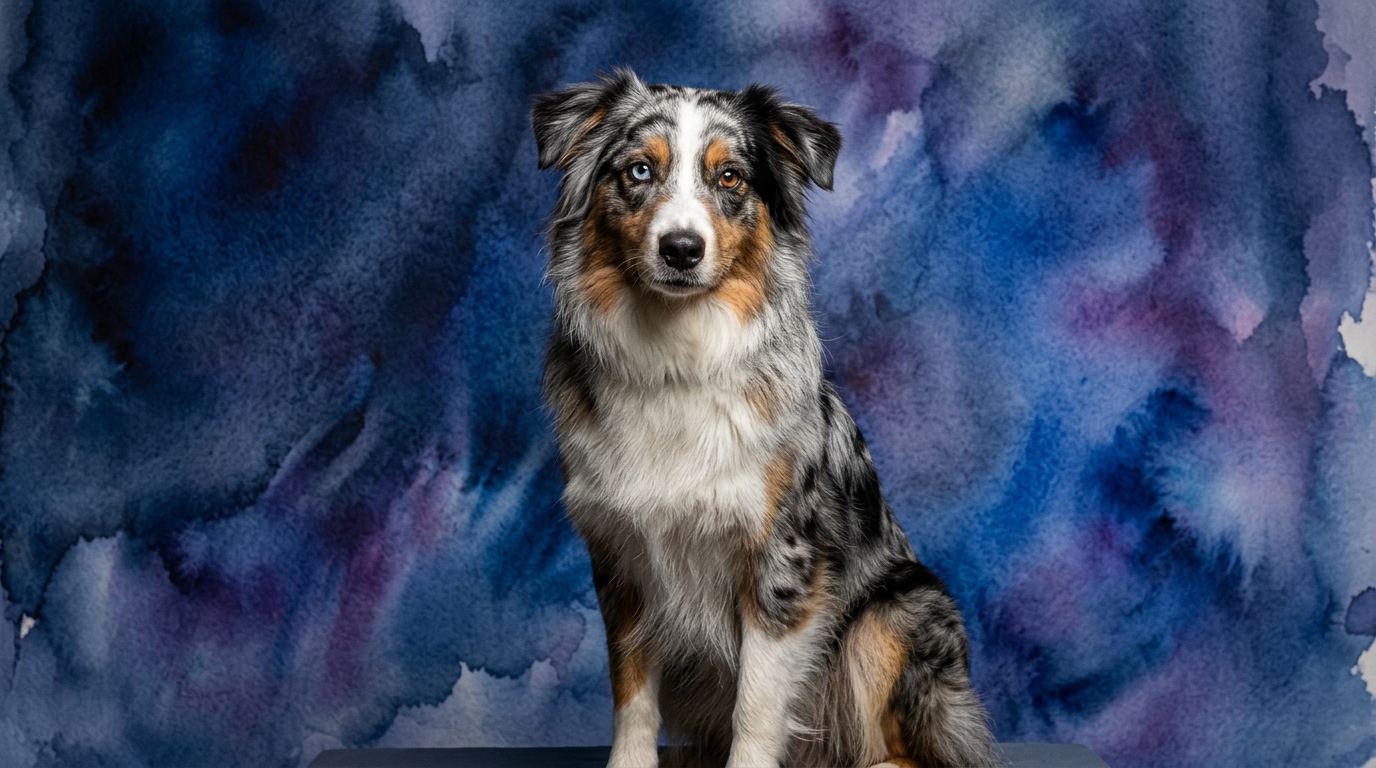
The Cosmic Pet Pet IQ Lab's framework allows us to dissect the unique mental architectures of breeds like the Australian Shepherd and the Pug. For the Australian Shepherd, a breed originating from a working heritage, we observe a robust cognitive profile: Problem Solving at 5/5, Training Speed at 5/5, Social Intelligence at 4/5, Instinctive Drive at 5/5, and Memory at 5/5. These scores paint a picture of a canine designed for complex tasks and quick learning, a true partner in demanding environments. They exhibit an exceptional capacity for understanding and manipulating their surroundings to achieve goals, coupled with an innate drive to work and retain vast amounts of information.
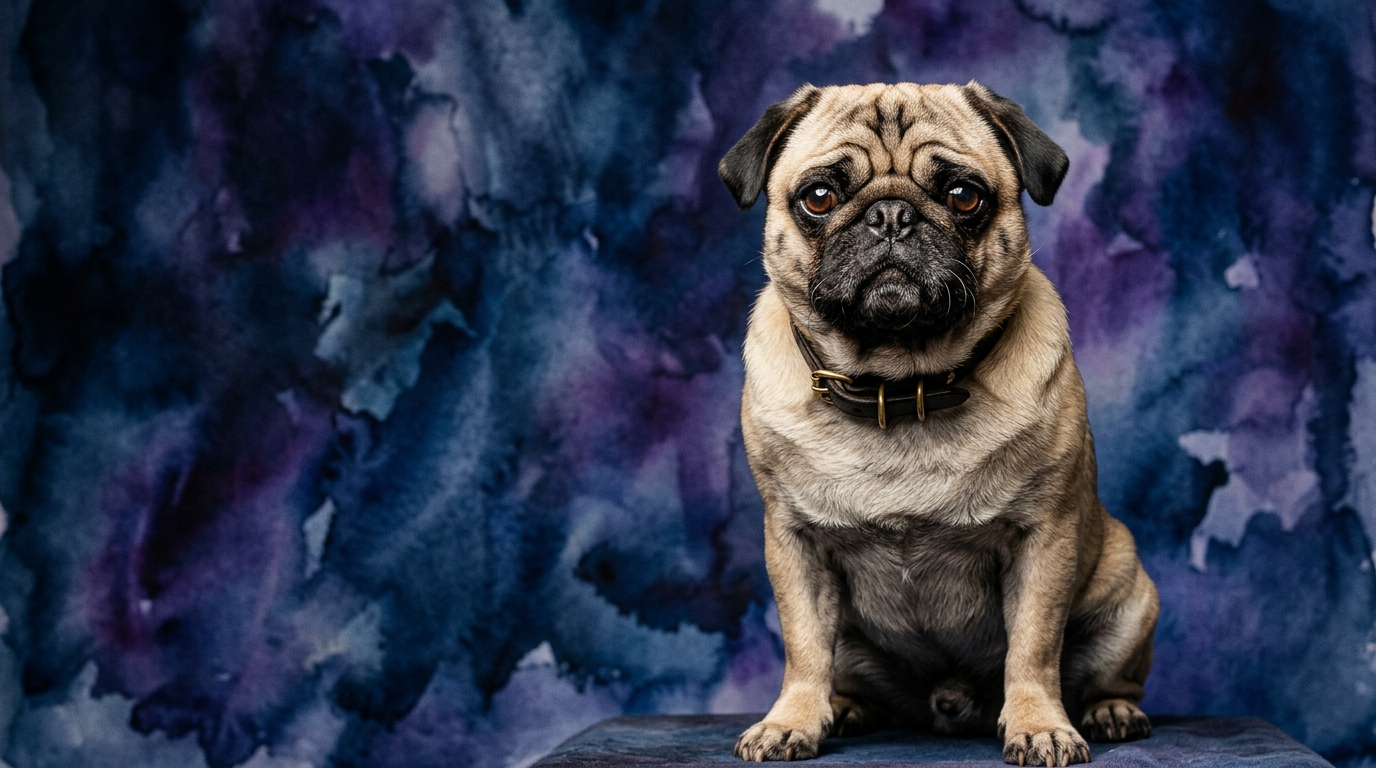
Conversely, the Pug, a charming companion breed, presents a different set of cognitive priorities: Problem Solving at 2/5, Training Speed at 2/5, Social Intelligence at 5/5, Instinctive Drive at 2/5, and Memory at 3/5. This profile suggests a dog less inclined towards intricate problem-solving or rapid skill acquisition. Instead, the Pug's intelligence is heavily weighted towards social interaction and emotional connection, thriving on companionship and understanding human nuances, rather than demonstrating a strong impulse for task-oriented activities or extensive memory recall for complex sequences.
Where the Australian Shepherd's Mind Shines Brightest
The Australian Shepherd's cognitive prowess is evident in its exceptional scores for Problem Solving (5/5), Training Speed (5/5), Instinctive Drive (5/5), and Memory (5/5). This breed excels at navigating complex environments, such as an agility course requiring precise sequencing and obstacle negotiation, or a herding trial where anticipating livestock movement is crucial. Their high problem-solving ability means they don't just follow commands; they often 'think through' situations, adapting their approach based on real-time feedback. For instance, an Aussie might quickly deduce how to open a child-proof gate or figure out a novel way to retrieve a toy stuck under furniture, demonstrating an impressive capacity for innovative thought.
Their rapid training speed means they grasp new concepts and commands with minimal repetition, often picking up multi-step routines after just a few sessions. This quick uptake is supported by their outstanding memory, allowing them to retain vast repertoires of commands, tricks, and learned behaviors over long periods. Furthermore, their powerful instinctive drive fuels a persistent focus on tasks, whether it’s herding, tracking, or competitive obedience. This combination creates a canine partner capable of sophisticated, sustained cognitive engagement, consistently demonstrating an eagerness to learn and apply new skills in varied contexts.
The Pug's Unique Cognitive Strengths
While the Pug may not boast the same scores in problem-solving or training speed as a working breed, its cognitive strengths lie in its unparalleled Social Intelligence (5/5). This breed possesses an extraordinary capacity to read and respond to human emotions and subtle cues, making them exceptionally empathetic companions. A Pug might instinctively nudge a hand or lean in when sensing their owner is distressed, offering comfort without explicit prompting. Their social acumen allows them to seamlessly integrate into family life, often becoming the emotional barometer of the household.
Their memory, rated at 3/5, is perfectly adequate for remembering cherished routines, favorite people, and preferred nap spots. While not designed for recalling intricate sequences, this memory supports their primary role as a devoted companion. They remember who offers the best cuddles, the schedule for meals, and the specific sounds that signal an owner's return. This social and memory synergy allows the Pug to form incredibly strong, intuitive bonds, showcasing a type of intelligence that prioritizes emotional connection and harmonious cohabitation above complex task execution.
Training Dynamics: A Tale of Two Approaches
Training an Australian Shepherd is often a rewarding experience due to their 5/5 Training Speed and 5/5 Instinctive Drive. They are eager to learn, quickly understand new concepts, and thrive on mental challenges. For an Aussie, training isn't just about obedience; it's a collaborative problem-solving exercise. They respond well to varied, engaging sessions that incorporate positive reinforcement and tap into their natural herding and working instincts. Owners can teach them complex sequences, advanced tricks, and even multi-step tasks, as their high memory (5/5) ensures retention and their problem-solving ability (5/5) allows them to adapt if initial attempts fail.
Training a Pug, with its 2/5 Training Speed and 2/5 Instinctive Drive, requires a different approach rooted in patience and positive motivation. Pugs are not inherently driven by the desire to work or solve complex problems; their primary motivations often revolve around food, comfort, and human affection. While they are capable of learning basic commands, it typically takes more repetitions and consistent, high-value rewards. Leveraging their 5/5 Social Intelligence is key: they want to please their people, but their cognitive wiring isn't optimized for rapid skill acquisition or sustained focus on tasks they perceive as uninteresting. Short, fun sessions focused on positive reinforcement are most effective, turning training into a bonding experience rather than a demanding cognitive exercise.
Matching Minds to Lifestyles: Active vs. Relaxed Owners
The Australian Shepherd is an ideal match for active owners who relish outdoor adventures and mental engagement. Their high instinctive drive (5/5) and problem-solving capacity (5/5) necessitate a lifestyle that provides ample opportunities for physical exercise and cognitive stimulation, such as hiking, dog sports like agility or flyball, or even a 'job' around the home. Without sufficient outlets for their energy and intellect, Aussies can become bored, potentially leading to undesirable behaviors. They thrive with owners who are committed to channeling their inherent drive into productive and enriching activities, fostering a true partnership.
In stark contrast, the Pug, with its low instinctive drive (2/5) and problem-solving inclination (2/5), is perfectly suited for more relaxed owners. This breed is content with shorter, leisurely walks, indoor play, and ample cuddle time on the sofa. Their primary need is companionship and being a central part of their family's daily life. Owners who appreciate a devoted, low-key presence and are prepared to offer consistent affection will find the Pug to be an exceptionally fulfilling companion. Their high social intelligence (5/5) means they thrive in environments where their emotional needs are met, making them perfect for those seeking a loving, empathetic, and less demanding canine presence.
The Verdict
Choose an Australian Shepherd if you desire a highly engaged, quick-thinking partner for an active lifestyle, capable of mastering complex tasks and thriving on mental challenges.
Opt for a Pug if you seek a devoted, socially adept companion who excels at emotional connection and prefers a relaxed pace, valuing cuddles over complex cognitive work.
🧠 Find Your Pet's IQ Score
Our Pet IQ Lab assessment covers 25+ tests across 5 cognitive dimensions — personalized to your breed.
Take the Full IQ Test →Frequently Asked Questions
Do Australian Shepherds get bored easily?
Yes, Australian Shepherds, with their 5/5 problem-solving and instinctive drive, require significant mental stimulation and physical activity. Without engaging tasks or activities, they can become restless and may develop undesirable behaviors stemming from their unfulfilled cognitive needs.
Are Pugs difficult to train?
Pugs can present training challenges due to their 2/5 training speed and low instinctive drive, often prioritizing comfort or food. Success typically comes with consistent positive reinforcement, high-value treats, and keeping sessions short and fun, leveraging their desire for human affection rather than demanding complex cognitive effort.
How does social intelligence differ between these breeds?
The Pug's 5/5 social intelligence means they are exceptionally attuned to human emotions and interactions, making them empathetic and intuitive companions. The Australian Shepherd's 4/5 social intelligence, while strong and enabling effective partnership, is often more task-oriented, focusing on collaborative work rather than pure emotional resonance.