Side-by-side IQ profile
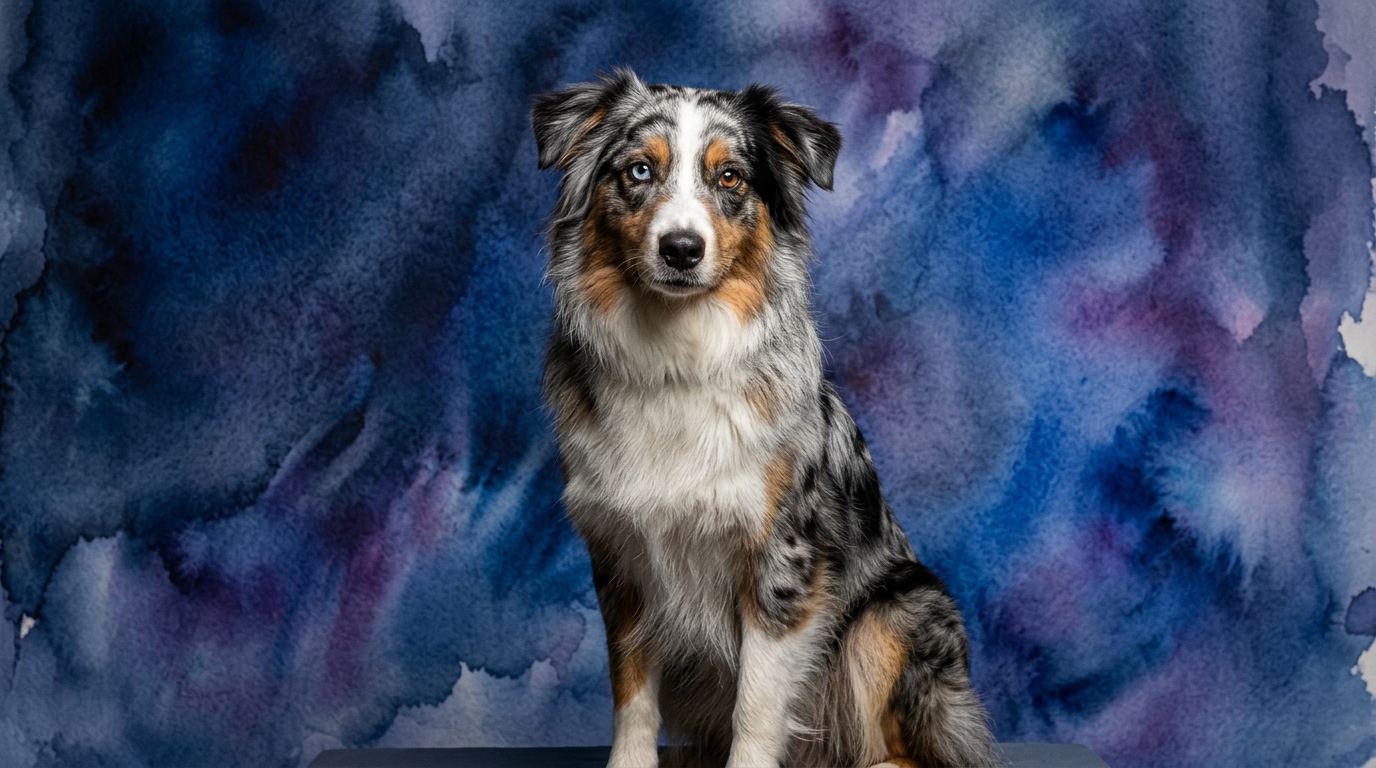
Originating from herding lines, the Australian Shepherd displays exceptional cognitive abilities. Its problem-solving capacity rates a perfect 5/5, reflecting its aptitude for navigating complex tasks, often independently, to manage livestock or learn intricate sequences. Training speed is also a 5/5, indicating an eagerness and quick uptake of new commands and concepts, making them highly responsive to instruction. Social intelligence, at 4/5, suggests a strong awareness of human cues and emotional states, though perhaps not as nuanced as some companion breeds. A powerful instinctive drive of 5/5 underscores their innate desire to work, chase, and direct, a characteristic deeply ingrained from their herding heritage. Finally, their memory, also a 5/5, allows them to recall extensive commands, routines, and experiences over long periods, contributing to their consistency and reliability.
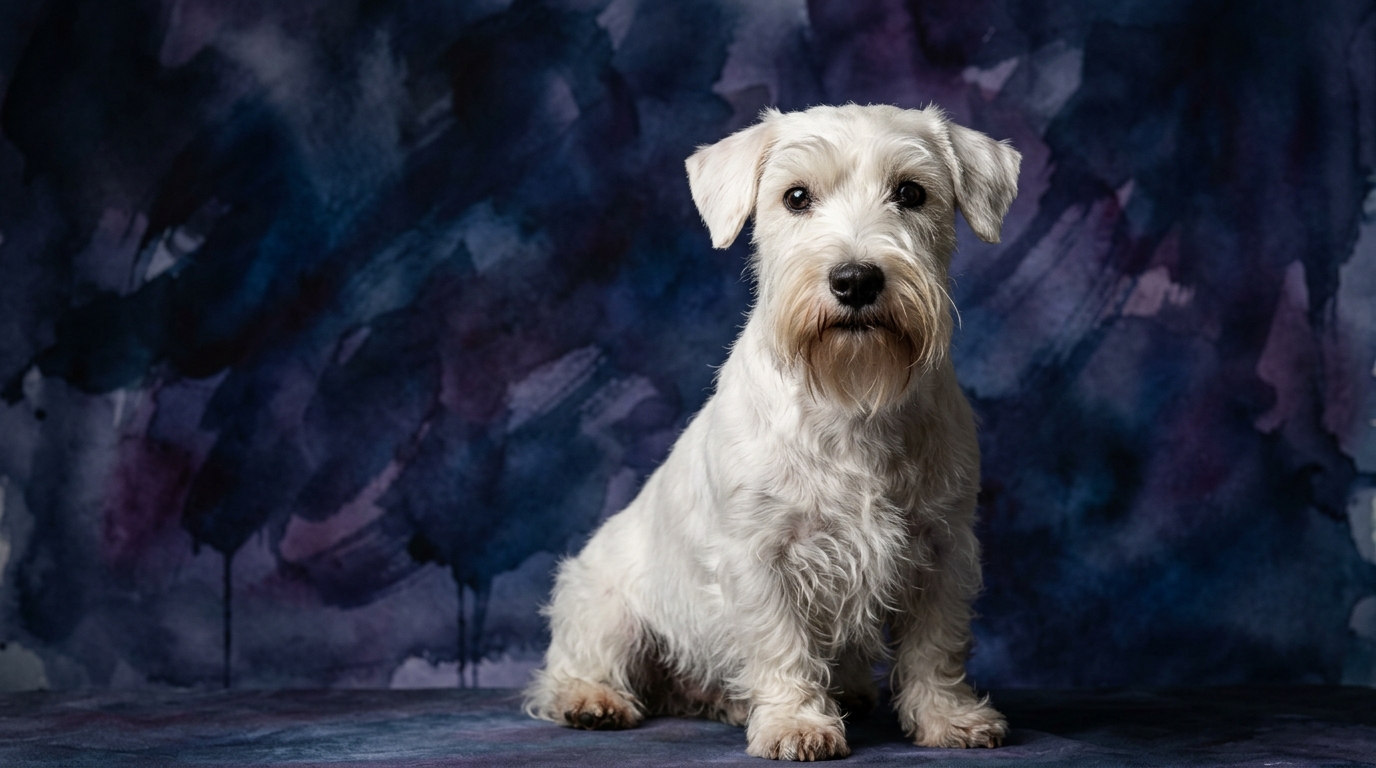
The Sealyham Terrier, a robust member of the terrier group, presents a distinct cognitive profile geared towards its historical role. Its problem-solving ability scores 3/5, indicating a practical, independent approach to challenges, often focused on immediate objectives like quarry pursuit rather than intricate multi-step tasks. Training speed also sits at 3/5; while capable of learning, they may require more repetition and motivation, often displaying a stubborn streak typical of terriers. Social intelligence, rated 3/5, means they are observant of their human companions but might prioritize their own agenda, engaging on their terms. An instinctive drive of 3/5 reflects their foundational purpose of hunting small vermin, manifesting as a persistent chase instinct and a readiness to dig, rather than the broad, encompassing drive of a herding breed. Their memory, at 3/5, is sufficient for retaining core commands and routines, but perhaps not as expansive or long-term as breeds with higher cognitive demands.
Where Australian Shepherd wins cognitively
The Australian Shepherd's cognitive strengths are evident across nearly all measured dimensions, setting it apart as a breed with a profound capacity for learning and application. Its perfect 5/5 in problem-solving means it doesn't just follow instructions but can independently assess situations, make decisions, and adapt strategies. For instance, an Aussie might figure out how to open a complex latch or devise a new route to retrieve a toy, showcasing sophisticated cognitive flexibility. This breed's 5/5 training speed translates into an almost immediate grasp of new cues, allowing them to master complex sequences of commands with remarkable efficiency. They excel in advanced obedience, agility, and even canine freestyle, where intricate routines are learned and performed flawlessly. Furthermore, their 5/5 memory ensures that these learned behaviors and problem-solving strategies are retained over extended periods, making their training durable and their responses consistent. Their high social intelligence, rated 4/5, allows them to attune to their owner's moods and intentions, often anticipating needs or reacting appropriately to subtle non-verbal cues, which is crucial in dynamic herding work.
Where Sealyham Terrier wins cognitively
While the Sealyham Terrier's overall IQ scores appear lower than the Australian Shepherd's, its cognitive strengths are specifically tailored to its terrier heritage and purpose, giving it a unique advantage in certain scenarios. The Sealyham's 3/5 problem-solving, though not focused on complex, multi-step tasks, excels in practical, independent decision-making, particularly when it involves persistence and tenacity. They are masters at figuring out how to get to something they want, whether it's a burrowing creature or a hidden treat, using their determination and physical attributes. Their instinctive drive, rated 3/5, is a focused, unyielding tenacity; once they lock onto a task, especially involving scent or chase, they demonstrate remarkable single-mindedness. This drive isn't about broad control, but about relentless pursuit and engagement, often requiring significant effort to interrupt. This tenacity also underpins their memory (3/5) and training speed (3/5) in a specific way: once a Sealy learns something it deems valuable or enjoyable, that knowledge is deeply ingrained and can be difficult to dissuade, making them consistently reliable in their chosen pursuits. They might not learn a hundred tricks quickly, but the tricks they do learn, especially those involving digging or "hunting" for toys, they will perform with unwavering commitment.
Which is easier to train and why
When considering ease of training, the Australian Shepherd emerges as the more straightforward candidate due to its exceptional cognitive profile. Their 5/5 training speed means they absorb new commands rapidly, often understanding a new cue after just a few repetitions. This quick comprehension, combined with their strong desire to please and work alongside their human companions, makes them highly receptive to instruction. They actively seek engagement and thrive on mental stimulation, making training sessions enjoyable and productive. Their 5/5 memory ensures that once a command is learned, it's remembered, reducing the need for constant re-teaching. Moreover, their 4/5 social intelligence helps them interpret handler cues with precision, adapting their performance based on subtle body language or tone of voice. In contrast, the Sealyham Terrier, with a 3/5 training speed, requires more patience and consistency. Their independent nature and inherent terrier stubbornness mean they might question the utility of a command or decide to pursue a more interesting scent instead. While capable of learning, their motivation often needs to be more compelling, and training sessions might need to be shorter and more varied to maintain their interest. Their 3/5 memory means that less frequently practiced commands might fade, requiring periodic refreshers. Behavioral differences like the Aussie's inherent desire to cooperate versus the Sealy's independent, "what's in it for me?" attitude significantly impact the training experience. An Aussie wants to herd and work with you; a Sealy wants to hunt and explore on its own terms, making cooperative training a different endeavor.
Which suits active owners vs relaxed owners
The choice between an Australian Shepherd and a Sealyham Terrier largely hinges on an owner's lifestyle and their capacity for engagement. An Australian Shepherd is unequivocally suited for active owners who can provide substantial physical exercise and, crucially, ample mental stimulation. Their 5/5 instinctive drive and 5/5 problem-solving mean they require a "job" to be fulfilled, whether it's herding, agility, advanced obedience, or complex puzzle toys. A relaxed owner who cannot commit to daily rigorous activity and challenging mental tasks will likely find an Aussie becomes bored, potentially leading to destructive behaviors or excessive barking. Their high social intelligence (4/5) also means they crave interaction and companionship, thriving in environments where they are an integral part of family activities. The Sealyham Terrier, while still requiring regular exercise to manage its terrier energy and maintain health, is a better fit for owners who might be less inclined towards extreme sports but can still offer consistent daily walks, play, and engaging backyard activities. Their 3/5 instinctive drive means they have bursts of energy and a desire to explore, dig, and chase, but they don't demand the same intensity or duration of "work" as an Aussie. A relaxed owner who appreciates a tenacious companion for walks and garden exploration, and is prepared for independent decision-making, might find a Sealyham more manageable. They are not couch potatoes but don't possess the same relentless need for a high-intensity purpose.
The Verdict
Opt for the Australian Shepherd if you are an active, experienced owner eager to engage in advanced training, dog sports, or meaningful "work" with a highly responsive and cognitively flexible companion.
Select the Sealyham Terrier if you appreciate a resilient, independent spirit in a dog, are prepared for consistent training with a tenacious breed, and seek a charming companion for regular walks and focused activities rather than intense, prolonged mental tasks.
🧠 Find Your Pet's IQ Score
Our Pet IQ Lab assessment covers 25+ tests across 5 cognitive dimensions — personalized to your breed.
Take the Full IQ Test →Frequently Asked Questions
Are Australian Shepherds good for first-time dog owners?
Australian Shepherds can be challenging for first-time owners due to their intense energy, high cognitive needs, and strong herding instincts. They thrive with consistent training and ample mental and physical stimulation, which can be a significant commitment.
Do Sealyham Terriers bark a lot?
Sealyham Terriers, like many terriers, can be prone to barking, especially when alerting to perceived threats, expressing excitement, or when bored. Early training and consistent management can help moderate this behavior.
Can an Australian Shepherd live in an apartment?
While physically possible, an Australian Shepherd in an apartment requires an exceptionally dedicated owner who can provide multiple hours of vigorous exercise and mental challenges daily outside the home. Without this, their high drives can lead to frustration and behavioral issues.