Side-by-side IQ Profile: A Deeper Look into Canine Cognition
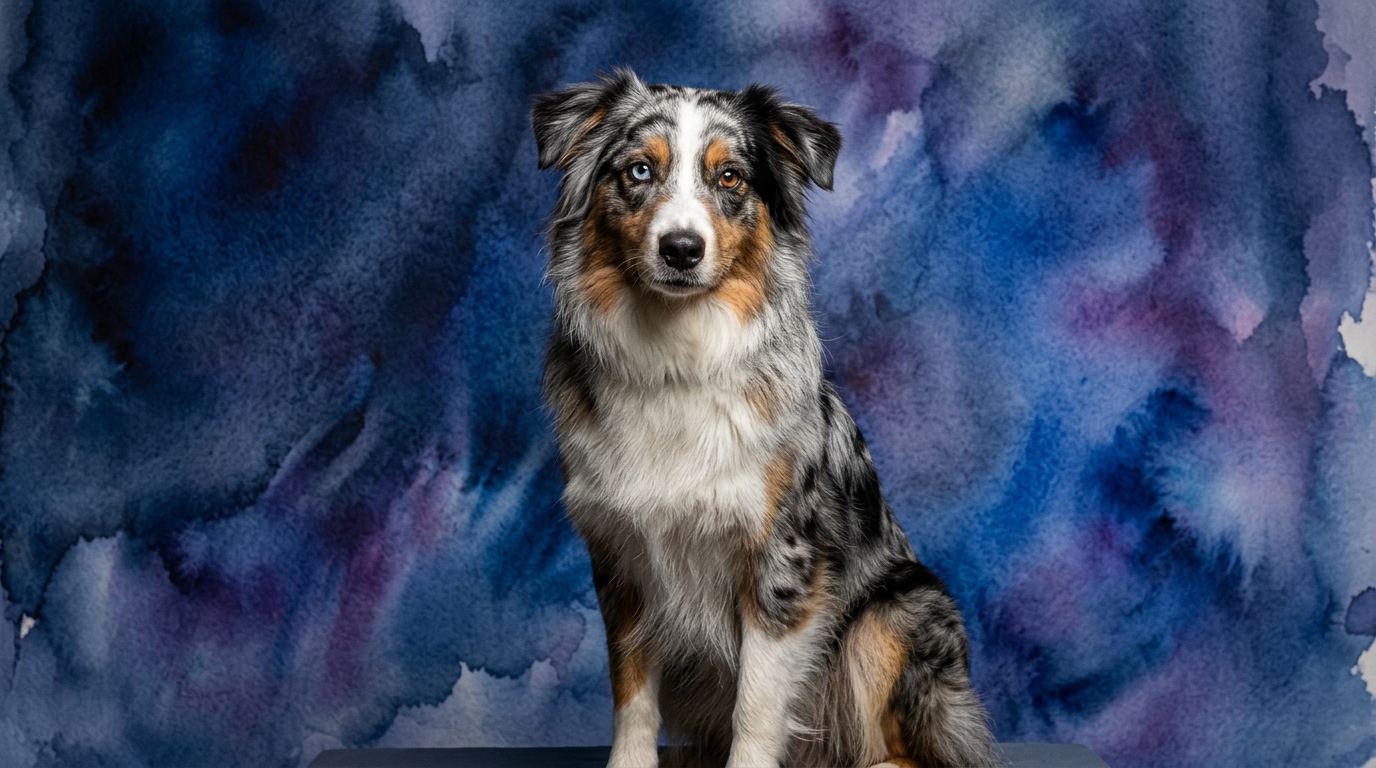
The Cosmic Pet Pet IQ Lab reveals the Australian Shepherd's highly adaptive mind. Its Problem Solving (5/5) indicates exceptional capacity to analyze novel situations and devise solutions. Training Speed (5/5) reflects rapid grasp of commands and eager learning. Social Intelligence (4/5) suggests strong ability to read human cues and form deep bonds, though with discerning independence. Instinctive Drive (5/5) is robust, fueled by herding heritage, manifesting as a strong desire to work and control movement. Memory (5/5) ensures retention of complex sequences and spatial information over long periods, making it a reliable performer.
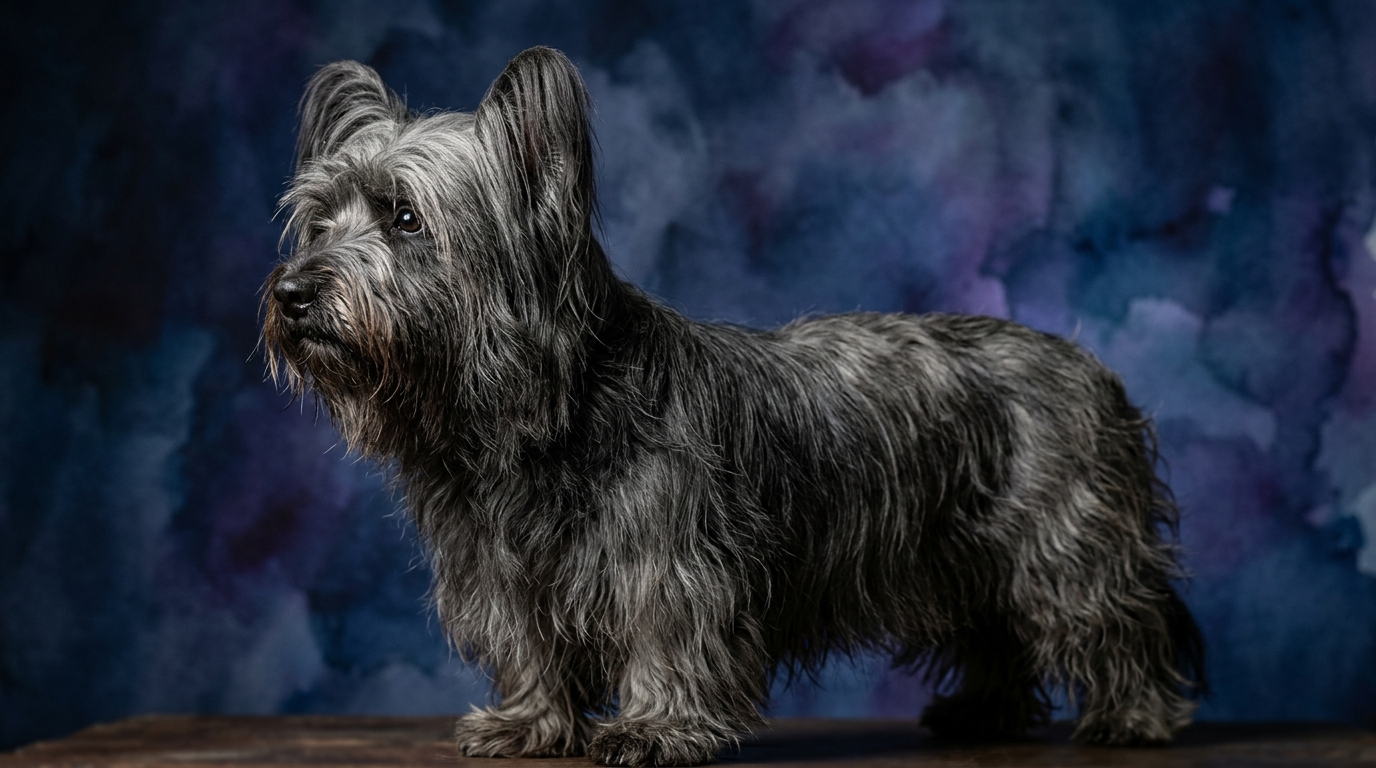
The Skye Terrier presents a profile shaped by its ancient role as a tenacious vermin hunter. Its Problem Solving (3/5) indicates a moderate ability, often relying on ingrained methods or persistent effort over innovation. Training Speed (3/5) means it learns steadily but may require more repetition and motivation, often displaying a strong-willed streak. Social Intelligence (3/5) suggests a selective approach; deeply loyal to family but reserved towards strangers. Instinctive Drive (3/5) is primarily focused on its terrier heritage – an urge to dig, chase, and pursue small prey. Memory (3/5) is sufficient for routines but perhaps not for complex multi-step tasks, requiring ongoing reinforcement for consistency.
Where the Australian Shepherd Excels Cognitively
The Australian Shepherd’s cognitive framework excels as a cooperative working partner. Its 5/5 Problem Solving shines in open-ended challenges, like navigating complex agility courses or understanding subtle hand signals without direct instruction. This isn't just following; it's anticipating and innovating. The breed's superior Training Speed (5/5) means it masters vast command repertoires quickly, often in few repetitions, allowing for expansive training. Furthermore, its 5/5 Memory ensures learned behaviors are retained over long periods, making them incredibly reliable in diverse working or competitive environments. This combination of problem-solving, rapid learning, and robust memory makes them adept at continuous cognitive engagement and precise execution.
Where the Skye Terrier’s Cognitive Strengths Lie
While the Skye Terrier’s cognitive scores (all 3/5) differ, they reflect a distinct, purpose-driven strength. Its 3/5 Problem Solving focuses on persistent, independent solutions related to quarry, like figuring out how to get into tight spaces or patiently waiting out a burrowed animal, rather than seeking human guidance. Their 3/5 Instinctive Drive is intensely focused on prey, making them exceptionally tenacious and single-minded in hunt-like activities. This drive, though not broadly cooperative, is a powerful cognitive engine for specific tasks. Their 3/5 Social Intelligence, while appearing reserved, signifies discerning loyalty; they form deep, unwavering bonds with immediate family, exhibiting quiet understanding of trusted humans, rather than seeking broad social approval. Their cognition is less about broad adaptability and more about unwavering commitment to specific, independent tasks.
Ease of Training: Australian Shepherd vs. Skye Terrier
For ease of training, the Australian Shepherd offers a more straightforward experience, due to its superior Training Speed (5/5), Problem Solving (5/5), and Memory (5/5). It thrives on learning and collaboration; its eagerness to please and rapid retention mean quick progress in obedience or agility. They actively engage with trainers, enjoying mental stimulation. Their strong social intelligence (4/5) further aids fluid communication.
The Skye Terrier, with 3/5 scores, presents a different dynamic. Its independent nature and terrier spirit mean it requires more patience, consistency, and creative motivation. A Skye Terrier might understand a command but choose not to execute it if it doesn't align with its interest. Their problem-solving focuses on independent pursuits. Training a Skye Terrier involves building trust, using positive reinforcement, and accepting slower progress due to inherent independence.
Suiting Active vs. Relaxed Owners
The cognitive profiles guide suitability for lifestyles. The Australian Shepherd, with its high instinctive drive (5/5), problem-solving (5/5), and training speed (5/5), suits active owners who relish mental and physical engagement. It thrives with a job, whether herding or agility; without outlets, boredom can lead to destructive behaviors. Owners enjoying long hikes, challenging training, or competitive sports will find an eager, capable partner.
The Skye Terrier suits owners with a more relaxed pace but who still appreciate character and mental engagement. Its instinctive drive (3/5) focuses on specific terrier tasks, not broad, high-energy work. While enjoying walks, they are satisfied with moderate daily exercise. Their independence means less constant demand for attention. Owners content with consistent walks, puzzle toys, and fun training sessions to meet specific cognitive needs without vast high-intensity output will find the Skye Terrier a rewarding match.
The Verdict
Opt for an Australian Shepherd if you lead an active lifestyle, desire a highly trainable and collaborative partner for sports or complex tasks, and can provide consistent mental and physical challenges.
Select a Skye Terrier if you appreciate a loyal, independent companion with a discerning personality, prefer moderate daily activity, and are prepared for a training journey that values patience and consistency.
🧠 Find Your Pet's IQ Score
Our Pet IQ Lab assessment covers 25+ tests across 5 cognitive dimensions — personalized to your breed.
Take the Full IQ Test →Frequently Asked Questions
Does the Australian Shepherd's high instinctive drive make it prone to herding children or other pets?
Yes, its strong instinctive drive (5/5) can manifest as a natural inclination to 'herd' anything that moves. This ingrained behavior requires early socialization and consistent training to redirect appropriately, often through providing acceptable outlets like herding toys or structured activities.
Can a Skye Terrier live in an apartment, given its moderate activity level?
A Skye Terrier can adapt to apartment living if its moderate exercise needs are consistently met through daily walks and playtime, and if it receives mental stimulation from puzzle toys or short training sessions. Their relatively lower general energy means they are often content indoors once physical and mental requirements are satisfied.
How does a Skye Terrier's social intelligence (3/5) impact its interactions with new people?
A Skye Terrier's 3/5 social intelligence often means they are reserved or aloof with strangers, preferring to observe before engaging. They form deep, lasting bonds with their chosen family, requiring careful, positive introductions to new people rather than expecting immediate universal affection.