A Side-by-Side Look at Cognitive Profiles
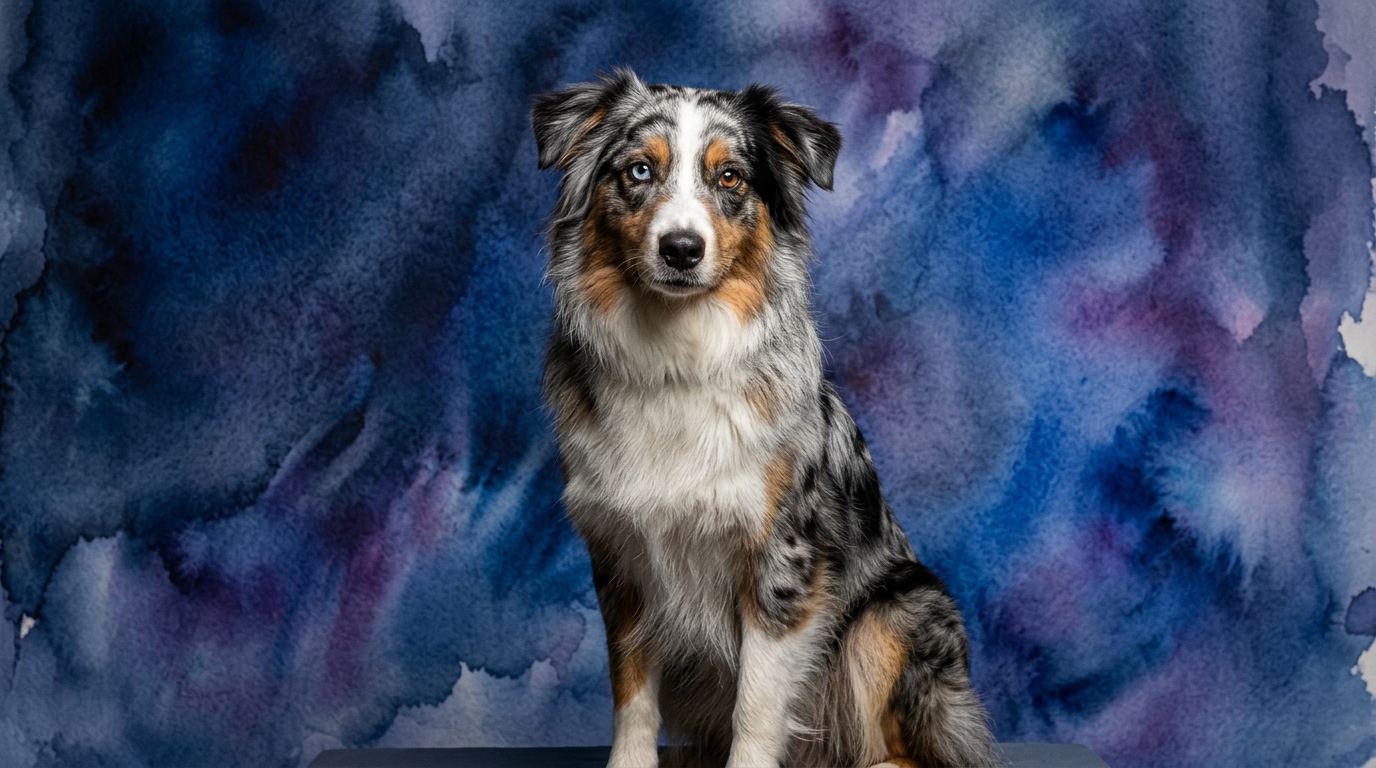
The Cosmic Pet Pet IQ Lab employs a comprehensive five-dimensional framework to assess canine intelligence, offering a granular view beyond simple rankings. For the Australian Shepherd, we observe an exceptional Problem Solving score of 5/5, indicating an innate ability to navigate complex, changing scenarios and devise innovative solutions on the fly. Their Training Speed also rates a perfect 5/5, reflecting a rapid assimilation of new commands and an eagerness to engage in structured learning. Social Intelligence stands at 4/5, demonstrating a strong attunement to human cues and emotional states, while Instinctive Drive is a robust 5/5, manifesting in powerful herding tendencies and a desire to organize. Finally, their Memory is scored at 5/5, suggesting a remarkable capacity to recall intricate sequences and past experiences.
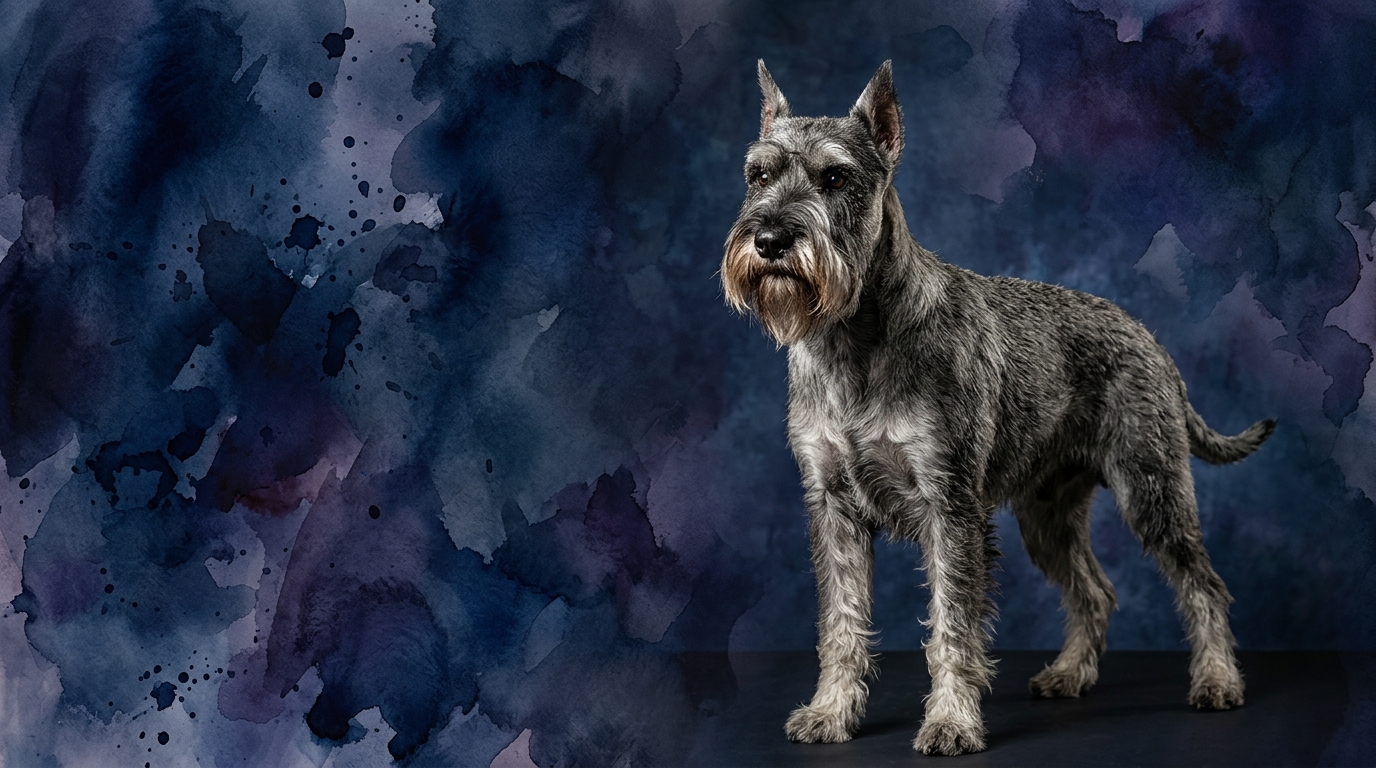
In contrast, the Standard Schnauzer presents a distinct cognitive blueprint, rooted in its working dog heritage. Its Problem Solving ability earns a solid 4/5, indicating a practical, goal-oriented approach to challenges, though perhaps with less spontaneous innovation than the Aussie. Training Speed is rated 4/5, signifying quick learning, but potentially requiring more consistent reinforcement to solidify behaviors. Social Intelligence is assessed at 3/5, suggesting a more independent nature, observant but less overtly driven by human emotional nuances compared to the herding breeds. Instinctive Drive, at 3/5, points to a strong protective and prey drive, but not the complex organizational drive of a herder. Their Memory scores a commendable 4/5, indicating excellent retention of routines, commands, and familiar faces.
Where the Australian Shepherd Excels Cognitively
The Australian Shepherd’s cognitive strengths are deeply intertwined with its herding purpose, making it a standout in dynamic, adaptive situations. Their 5/5 Problem Solving isn't just about figuring out puzzles; it's about making real-time decisions in chaotic environments, such as anticipating livestock movement or finding creative paths around obstacles. This breed processes vast amounts of sensory information rapidly and formulates effective responses. Their perfect 5/5 Training Speed means they don't just learn commands; they often learn the *context* and *intent* behind them, allowing for advanced obedience and complex task work. An Aussie can string together multiple commands into seamless sequences, a testament to their exceptional memory and ability to generalize learning.
Furthermore, the Australian Shepherd's 4/5 Social Intelligence, combined with their potent Instinctive Drive, allows them to form a profound working partnership with their human. They are adept at reading subtle body language and vocal inflections, making them incredibly responsive. This social attunement enables them to anticipate owner needs and work cooperatively, often taking initiative within the bounds of their training. Their 5/5 Memory extends to remembering intricate paths, people, and past training sessions with remarkable clarity, enabling them to excel in dog sports like agility, obedience, and freestyle where precision and recall of long routines are paramount.
Where the Standard Schnauzer Shows Its Own Cognitive Brilliance
The Standard Schnauzer, while not possessing the same herding-specific cognitive architecture, brings its own robust intellectual strengths to the forefront, particularly in areas demanding resilience and purpose-driven focus. Their 4/5 Problem Solving reflects a practical, determined approach to tasks, excelling at challenges that require persistence and logical progression rather than fluid adaptation. They are adept at guarding, vermin control, and protection, roles that demand consistent application of learned behaviors and a discerning judgment of situations. This breed shows a strong capacity for understanding boundaries and maintaining vigilance, a cognitive advantage in roles requiring self-reliance and watchfulness.
The Schnauzer’s 4/5 Training Speed, while slightly lower than the Aussie, still signifies a highly capable learner, particularly when tasks align with their natural drives for protection or prey work. They absorb commands efficiently and, once a behavior is established, they perform it reliably. Their 3/5 Social Intelligence, while indicating more independence, also means they are less prone to anxiety from social pressure and can make confident decisions based on their assessment of a situation. This independence, coupled with their 4/5 Memory, allows them to retain important lessons about their territory, routines, and the distinction between friend and perceived foe, making them effective guardians who remember who belongs and who doesn't.
Ease of Training: Behavioral Differences Unpacked
When considering ease of training, the Australian Shepherd generally offers a more fluid and responsive experience for owners. Their 5/5 Training Speed means they often pick up new commands with minimal repetitions, eager to please and engage. This is amplified by their 4/5 Social Intelligence; they are highly attuned to their handler’s cues and intentions, often anticipating the next step in a training sequence. Aussies thrive on positive reinforcement and mental challenges, viewing training as a collaborative activity. Their strong instinctive drive, channeled appropriately, makes them highly motivated to work and learn, readily forming a strong partnership.
The Standard Schnauzer, with a 4/5 Training Speed, learns quickly but can present a different dynamic. Their 3/5 Social Intelligence suggests a more independent and sometimes opinionated nature; they learn what you teach, but might require more motivation or a more defined purpose to consistently execute. Schnauzers are less likely to perform 'just because' and benefit from clear, consistent leadership and training methods that appeal to their working dog mindset. While not 'difficult' to train, they might demand more patience and creativity from an owner to maintain engagement, especially when faced with repetitive tasks or if they perceive a lack of clear direction. Their resilience can sometimes translate to stubbornness if not managed with understanding and consistent boundaries.
Matching Breeds to Lifestyles: Active vs. Relaxed Owners
For owners seeking an active, engaged canine partner, the Australian Shepherd is an ideal match. Their 5/5 Problem Solving and 5/5 Instinctive Drive mean they possess a profound need for both physical exertion and complex mental stimulation. An Aussie thrives in environments where they can participate in dog sports, learn advanced tricks, engage in herding activities, or accompany owners on demanding hikes and runs. They require an owner who can commit significant time daily to structured activities, continuous learning, and providing outlets for their innate drives. A relaxed owner who cannot meet these needs risks an Aussie developing boredom-related behaviors.
The Standard Schnauzer also benefits from an active lifestyle, but their needs are often more focused and less ceaselessly demanding than an Aussie’s. With a 3/5 Instinctive Drive, they are not typically seeking to organize the world around them, but they still require consistent exercise and mental engagement tailored to their working heritage. They enjoy structured walks, play sessions, and training that taps into their protective instincts or problem-solving abilities (4/5). A Schnauzer can adapt well to an owner who provides regular, purposeful activity and values a loyal companion for daily routines, without necessarily needing a partner for extreme sports or constant novel challenges. While they appreciate activity, they can settle more readily into a relaxed home environment after their needs are met, compared to the perpetually 'on' nature of many Aussies.
The Verdict
Choose an Australian Shepherd if you are an active, experienced owner eager for a highly engaged, intellectually driven partner for advanced training, dog sports, or a working role, and can commit to extensive daily mental and physical stimulation.
Opt for a Standard Schnauzer if you appreciate a resilient, purposeful, and loyal companion who thrives on structured activity, consistent leadership, and offers a robust sense of guardianship, fitting well into a moderately active home that values routine and clear expectations.
🧠 Find Your Pet's IQ Score
Our Pet IQ Lab assessment covers 25+ tests across 5 cognitive dimensions — personalized to your breed.
Take the Full IQ Test →Frequently Asked Questions
Which breed is better for a first-time dog owner?
Neither breed is typically recommended for completely novice owners due to their distinct needs and cognitive profiles. However, a Standard Schnauzer, with consistent guidance, might be slightly more manageable for an owner willing to learn, as their drives are less intense than an Aussie's constant need for engagement. An Australian Shepherd's cognitive demands and high energy can easily overwhelm an inexperienced handler if not properly managed.
Do Australian Shepherds and Standard Schnauzers get along with other pets?
Australian Shepherds, with their 4/5 Social Intelligence and strong herding drive, often attempt to 'herd' other pets, which can be fine if the other animals are tolerant, but requires careful management. Standard Schnauzers, having a 3/5 Instinctive Drive that includes a strong prey drive, may need more careful socialization around smaller animals. Both breeds generally benefit from early, positive introductions to other pets to foster harmonious relationships.
How do their grooming needs compare?
Australian Shepherds possess a dense double coat that requires regular brushing, typically several times a week, to prevent matting and manage shedding. Standard Schnauzers have a wiry, dense double coat that requires professional stripping or clipping every 6-8 weeks, along with regular brushing, to maintain its texture and minimize shedding, making their grooming more specialized.