
Side-by-side IQ Profile: Unpacking Identical Scores
The Cosmic Pet Pet IQ Lab assesses five key dimensions of canine cognition. For both the Australian Terrier and the American Eskimo Dog, each dimension registers a score of 3 out of 5, indicating capable but not exceptional performance in any single area. However, the manifestation of these scores varies significantly between the two, reflecting their distinct breed characteristics and historical purposes.
For the Australian Terrier, a true member of the Terrier group, a Problem Solving score of 3/5 reflects a resourceful independence. They can devise clever strategies to achieve their goals, often involving persistence in digging, chasing, or manipulating objects to get what they want, but might not always seek human guidance in these endeavors. Training Speed at 3/5 means they grasp new commands efficiently, yet their inherent terrier tenacity can sometimes translate into a "what's in it for me?" attitude, requiring consistent motivation and positive reinforcement to ensure compliance. Their Social Intelligence, also 3/5, allows them to be attuned to their immediate family's moods and intentions, reacting with alert barks or affectionate nudges, though they can be less overtly expressive or cooperative than some other breeds. An Instinctive Drive of 3/5 is largely centered around their strong prey drive for small vermin; they are driven to hunt and explore, making them engaging companions for outdoor adventures but also requiring secure environments. Finally, their Memory, rated 3/5, ensures they retain learned commands, routines, and experiences well, remembering past interactions and boundaries, which aids in maintaining household harmony.
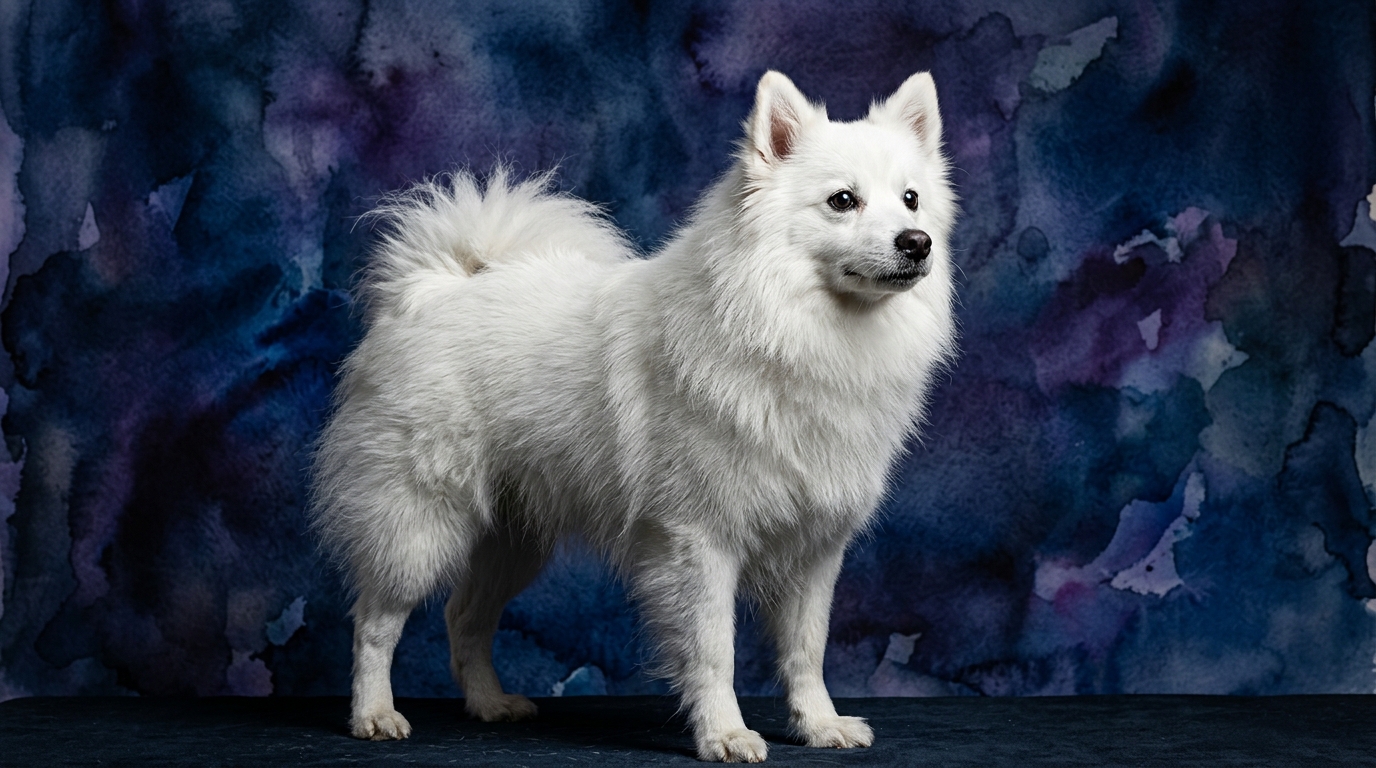
The American Eskimo Dog, from the Non-Sporting group, also presents a 3/5 across the board, but with a different flavor. Their Problem Solving at 3/5 indicates a cleverness often applied to understanding household dynamics and learning how to get attention or treats, excelling at puzzle toys but sometimes using their wits to outsmart their owners playfully. Training Speed at 3/5 shows they are generally eager to please and learn new tricks quickly, especially when positive reinforcement is abundant, though they can become bored with repetitive drills and require varied training approaches to maintain engagement. Social Intelligence, also 3/5, means they are highly perceptive of human emotions and family interactions, often acting as sensitive companions who thrive on being part of the action, though they can be reserved or wary with strangers until they've assessed the situation. Their Instinctive Drive, 3/5, primarily manifests as a strong watchfulness and vocalization, making them excellent alert dogs, rather than a strong prey drive. They enjoy activities that engage their minds, like agility or obedience, which channel their energy constructively. Their Memory, at 3/5, allows them to recall a wide array of commands, locations, and faces, making them reliable once a lesson is thoroughly learned, and they rarely forget a positive or negative experience.
Where the Australian Terrier Excels Cognitively
The Australian Terrier's cognitive strengths truly shine in scenarios demanding independent thought and tenacious execution. Their 3/5 Problem Solving, when paired with their instinctive drive, means they are exceptionally adept at tasks requiring persistence without constant human direction. For instance, if there's a perceived "intruder" (a rodent, or even a stray leaf blowing past the window), an Aussie will meticulously investigate and strategize to address it, relying on their own wits rather than waiting for a cue. This breed's specific cognitive advantage lies in its self-starting nature for practical, "job-oriented" challenges, making them resourceful partners for owners who appreciate a dog with initiative. Their memory, combined with their drive, means they remember past successful strategies for dealing with perceived threats or interesting smells, applying that knowledge in new situations.
Where the American Eskimo Dog Excels Cognitively
The American Eskimo Dog's cognitive edge lies in its nuanced social engagement and desire for cooperative learning. While both breeds score 3/5 in Social Intelligence, the Eskie's expression of this is often geared towards anticipating and responding to human cues in a collaborative manner. They excel in activities like competitive obedience or freestyle, where understanding complex sequences of commands and performing them in sync with their handler is paramount. Their problem-solving, though also 3/5, is often directed towards understanding human systems and routines, making them quicker to adapt to household rules and expectations when properly guided. This breed's specific cognitive advantage is its capacity for finely tuned interaction and its eagerness to learn with its human, making them highly responsive companions in structured activities.
Training Dynamics: Which is Easier and Why?
When considering ease of training, the American Eskimo Dog generally presents a smoother path for most owners, despite both breeds having a 3/5 Training Speed. The Eskie's inherent desire to please and their strong social intelligence means they are often more receptive to instruction and eager to participate in training sessions, particularly if they involve positive reinforcement and mental engagement. They thrive on praise and interaction, making them highly motivated students. Their problem-solving is often channeled into understanding what is expected of them in a cooperative setting.
Conversely, the Australian Terrier's 3/5 Training Speed is tempered by its independent terrier spirit. While they are capable of learning quickly, their strong instinctive drive and self-reliant problem-solving can sometimes lead to selective hearing or a preference for pursuing their own interests. Training an Aussie requires consistency, patience, and a deep understanding of positive reinforcement to channel their tenacity into desired behaviors rather than stubborn resistance. They need to be convinced that complying with a command is more rewarding than following their own instincts, which can be a more involved process than with an Eskie.
Matching Canine Cognition to Owner Lifestyles
For active owners seeking a partner for adventure and mental challenges, both breeds can be suitable, but for different reasons. The Australian Terrier, with its robust build and instinctive drive, thrives on varied outdoor exploration, digging, and scent work. They are excellent companions for hiking and exploring new terrains, always alert and ready for the next discovery. Their independent problem-solving means they enjoy activities where they can use their wits, like earthdog trials or advanced scent detection.
The American Eskimo Dog also enjoys activity, particularly those that involve interaction and learning. They excel in dog sports such as agility, obedience, and rally, where their quickness, social intelligence, and memory are put to good use. They are well-suited for owners who enjoy structured training and want a dog that can master complex routines and perform them with enthusiasm. While they enjoy walks and playtime, their activity often leans towards mentally stimulating tasks performed with their owner.
For relaxed owners, the choice becomes more nuanced. A relaxed owner who appreciates a dog's independent spirit and can provide consistent mental stimulation through puzzle toys and short, engaging training sessions might find the Australian Terrier a rewarding companion. However, their strong drive requires mindful management to prevent boredom-induced behaviors. A relaxed owner who values a more cooperative and emotionally sensitive companion might lean towards the American Eskimo Dog. Eskies are content with regular walks and quality time with their family, often adapting well to a calmer household rhythm as long as they receive sufficient mental engagement and attention. Their social intelligence makes them excellent, perceptive household members.
The Verdict
Choose the Australian Terrier if you value an independent, tenacious companion with a self-starting approach to problem-solving, and you are prepared to channel their strong instinctive drives into engaging activities.
Choose the American Eskimo Dog if you seek a highly cooperative, socially attuned companion eager to learn and engage in structured activities with you, thriving on consistent interaction and mental stimulation.
🧠 Find Your Pet's IQ Score
Our Pet IQ Lab assessment covers 25+ tests across 5 cognitive dimensions — personalized to your breed.
Take the Full IQ Test →Frequently Asked Questions
Do Australian Terriers and American Eskimo Dogs get along with children and other pets?
Australian Terriers can be good with respectful children and often tolerate other dogs, but their prey drive means small, fast-moving pets might trigger their instincts. American Eskimo Dogs are generally good with children they are raised with and can coexist with other pets, though early socialization is key to preventing shyness or bossiness.
Are these breeds prone to excessive barking?
Both breeds can be vocal. Australian Terriers often bark to alert to perceived threats or strangers, or when bored, reflecting their watchfulness. American Eskimo Dogs are known for their alert barking, using their voice to communicate excitement, warnings, or simply to express themselves, requiring consistent training to manage.
How much exercise do these breeds need daily?
Australian Terriers require moderate daily exercise, including walks, playtime, and opportunities for mental engagement like digging or scent games, to satisfy their active minds and bodies. American Eskimo Dogs also need moderate daily exercise, enjoying brisk walks, playtime, and mentally stimulating activities like training sessions or puzzle toys to keep them happy and prevent boredom.