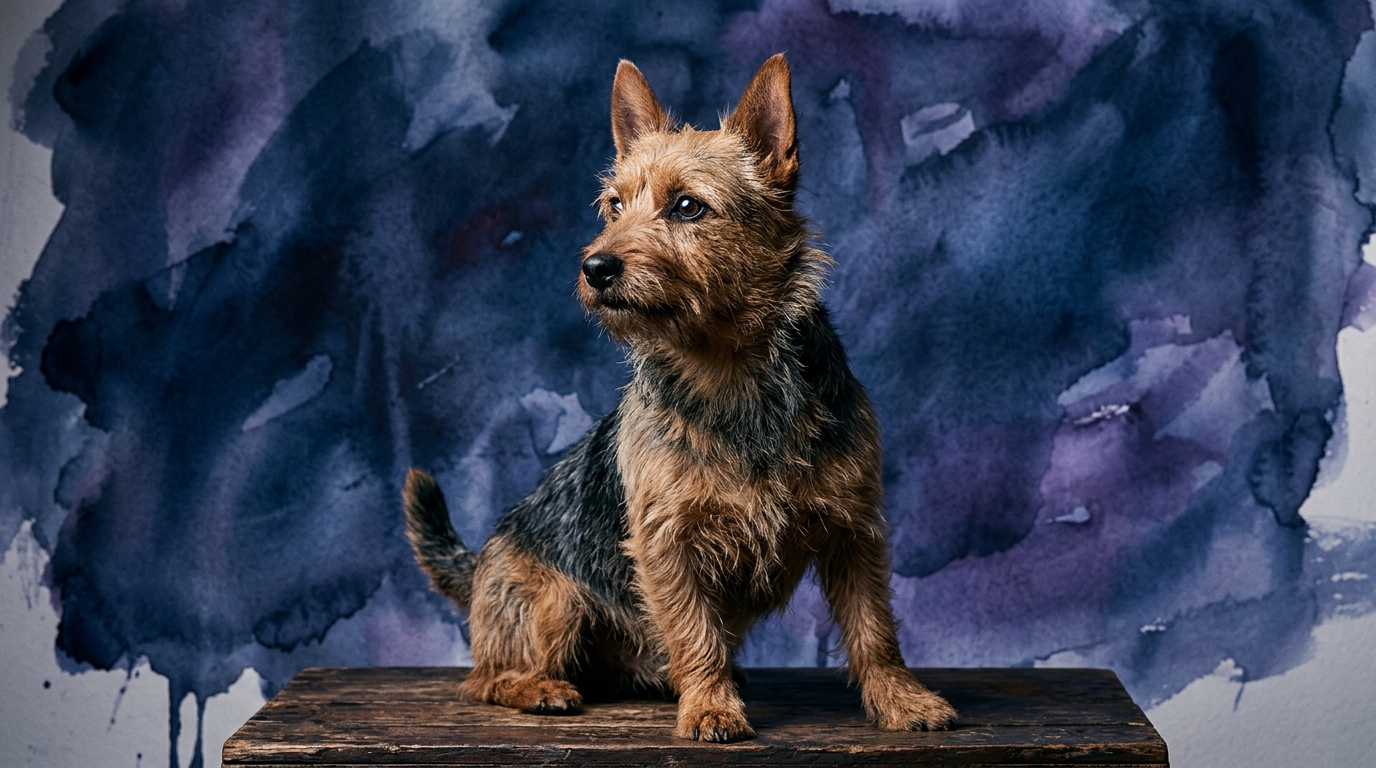
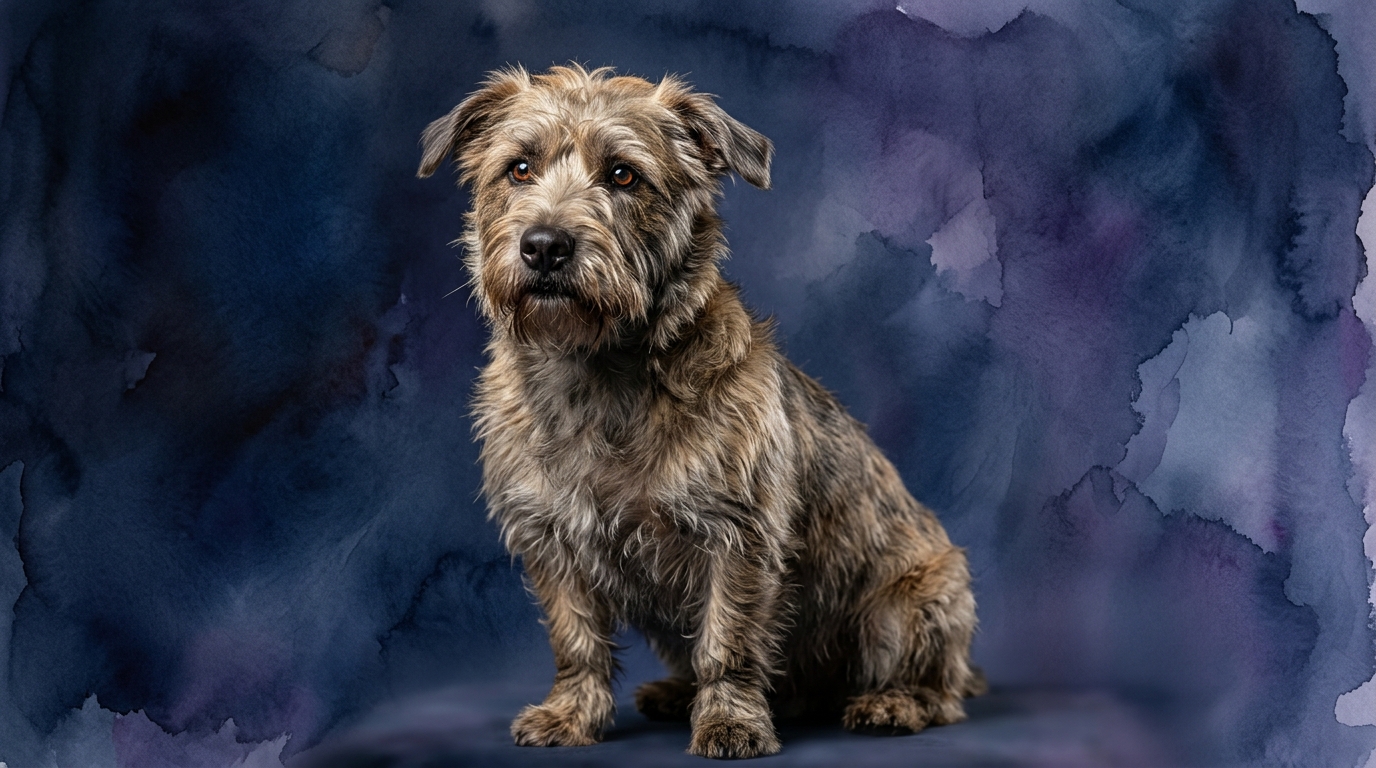
Side-by-Side IQ Profile: Australian Terrier vs. Glen of Imaal Terrier
The Australian Terrier, a true working dog from Down Under, presents a cognitive profile shaped by its versatile history. Their Problem Solving (3/5) score reflects a practical, adaptable intelligence; they are adept at figuring out how to navigate varied environments, bypass simple obstacles, or retrieve desired items, often learning through keen observation and trial-and-error. This isn't about complex abstract thought, but rather effective, on-the-spot solutions for daily challenges. Their Training Speed (3/5) indicates a moderate learning curve for new commands, requiring consistent repetition and positive reinforcement. While capable learners, their terrier independence means they often weigh the benefit of compliance against their own impulses, demanding a patient and engaging approach. In terms of Social Intelligence (3/5), Aussies form strong, loyal bonds with their primary human family, readily understanding household routines and reading familiar emotions. However, they typically exhibit a reserved or watchful demeanor towards strangers, processing new social interactions carefully. Their Instinctive Drive (3/5) is robust, reflecting their original purpose as vermin hunters; this translates into a significant, inherent motivation for chasing, digging, and exploring scents. Finally, their Memory (3/5) supports their adaptability and loyalty, granting them good recall for established routines, learned commands, and the layout of their environment, contributing to their confident navigation of their world.
The Glen of Imaal Terrier, an Irish native, showcases a distinct manifestation of their identical 3/5 cognitive scores, rooted in their badger and fox hunting heritage. Their Problem Solving (3/5) is characterized by unwavering focus and tenacity; rather than broad adaptation, it’s about relentless, determined effort to overcome a specific obstacle, such as digging meticulously to reach a scent source or figuring out how to maneuver through a tight underground space. This deep-seated persistence is a hallmark of their cognitive style. For Training Speed (3/5), Glens are capable learners, but their renowned 'Glen of Imaal stubbornness' means the process can feel more deliberate. They often require more intrinsic motivation or a clear understanding of 'what's in it for them,' appearing to ponder a request before acting, making patience and consistency paramount. Their Social Intelligence (3/5) is often described as a quiet, thoughtful loyalty; they form deep bonds with their families, demonstrating an understated understanding of human moods and habits. Glens are typically less outwardly demonstrative, preferring a calm presence and often being quite discerning with unfamiliar individuals. The Glen's Instinctive Drive (3/5) is profoundly powerful and specific, primarily centered on scent and digging. Once engaged, this drive is not easily diverted, representing a deep-seated impulse to 'go to ground' and pursue, demanding careful management and appropriate outlets. Lastly, their Memory (3/5) implies strong retention for specific tasks, preferred routines, and the topography of their hunting grounds or familiar territory, contributing to their reliability in specific, often self-directed, roles.
Where the Australian Terrier Wins Cognitively
The Australian Terrier's 3/5 problem-solving score often manifests as a more generalized adaptability compared to their Irish counterpart. Bred to be versatile vermin catchers across diverse Australian landscapes, they developed a cognitive style that prioritizes quick assessment and practical solutions in varied scenarios. This means an Aussie might more readily adjust to novel situations or new routines, using their cognitive flexibility to navigate unfamiliar environments or interpret new human expectations with a slightly broader scope than the more singularly focused Glen. Their memory, also a 3/5, supports this adaptability by retaining a wider array of experiences and environmental cues, allowing them to draw on a more diverse cognitive toolkit when faced with new challenges. Furthermore, their social intelligence, while still 3/5, might lean towards a slightly more overt engagement with their human family, making them appear more 'tuned in' to general household dynamics.
Where the Glen of Imaal Terrier Wins Cognitively
The Glen of Imaal Terrier's cognitive strengths, while also rated 3/5 across the board, shine in areas demanding intense focus and unwavering determination. Their problem-solving ability, for instance, is less about broad adaptability and more about relentless, deep engagement with a specific task, a trait honed by their history of silent, underground badger hunting. A Glen will meticulously and persistently work at an obstacle, demonstrating a profound mental grit that can surpass the Australian Terrier's more generalist approach when a task requires singular, prolonged concentration. Their instinctive drive, equally rated 3/5, is a powerful, almost meditative force once activated, allowing them to remain undeterred by distractions when pursuing a scent or engaging in a digging project. This deep-seated focus, coupled with a memory that excels in retaining task-specific information and complex environmental layouts, gives the Glen a distinct cognitive edge in scenarios demanding profound dedication and resolute, self-directed action.
Which is Easier to Train and Why
When evaluating ease of training, both breeds carry a 3/5 rating for training speed, yet their behavioral nuances create a discernible difference. The Australian Terrier, while possessing typical terrier independence, often exhibits a slightly more eager-to-please disposition and a quicker uptake on general obedience commands. Their problem-solving (3/5) extends to understanding human expectations with a degree of practical cooperation, making the initial stages of training feel more fluid. They respond well to positive reinforcement and consistent methods, and their social intelligence (3/5) allows them to form strong working partnerships with their handlers, even if moments of terrier stubbornness emerge. In contrast, the Glen of Imaal Terrier, despite the same 3/5 training speed, often presents a greater challenge due to their inherent independence and 'thinking for themselves' nature. Their problem-solving (3/5) is frequently self-directed towards their own interests, and they may appear to ponder a command before deciding whether to comply. Training a Glen demands exceptional patience, a deep understanding of their unique stoicism, and a creative approach that leverages their instinctive drives rather than fighting them. Their social intelligence (3/5) fosters deep loyalty, but this doesn't always translate into immediate obedience; instead, it builds a foundation of trust that, over time, can lead to compliance born of respect rather than eagerness. Therefore, while both are trainable, the Australian Terrier generally offers a slightly less demanding training journey for the average owner.
Which Suits Active Owners vs. Relaxed Owners
The determination of whether an Australian Terrier or a Glen of Imaal Terrier suits an active versus a relaxed owner hinges on how 'active' and 'relaxed' are defined in a cognitive context. The Australian Terrier, with its 3/5 instinctive drive and problem-solving, generally thrives with owners who can provide consistent, moderate physical activity coupled with varied mental stimulation. They enjoy regular walks, interactive play, and opportunities to explore, making them a good fit for active individuals or families who enjoy daily outings and engaging their dog in practical tasks. Their cognitive profile supports an adaptable lifestyle, allowing them to adjust to apartment living provided their needs for exercise and mental engagement are met. They are not typically hyperactive, but rather consistently engaged. The Glen of Imaal Terrier, while not a high-energy dog in the sense of needing to run for miles, demands a different kind of 'active' ownership. Their 3/5 instinctive drive is incredibly potent and focused, particularly towards digging and scent work. A 'relaxed' owner for a Glen is one who is calm and patient, but also highly proactive in providing structured outlets for this intense drive, such as earthdog trials, scent work games, or designated digging areas. Cognitively, the Glen requires owners who can appreciate and channel their deep, persistent problem-solving and focused memory into appropriate activities, rather than expecting a perpetually 'on-the-go' companion. They can be remarkably calm indoors, earning them the nickname 'a big dog in a small package,' but this indoor tranquility is often a result of having their profound cognitive and instinctive needs met through purposeful engagement.
The Verdict
Opt for the Australian Terrier if you seek a versatile companion capable of adapting to varied family dynamics and environments, offering a slightly more direct and eager-to-please approach to learning and interaction, while still embodying the spirited terrier nature.
Choose the Glen of Imaal Terrier for a thoughtful, deeply loyal companion who thrives with owners appreciative of their quiet tenacity and focused drive, willing to invest patience in training and provide specific outlets for their profound instinctive behaviors.
🧠 Find Your Pet's IQ Score
Our Pet IQ Lab assessment covers 25+ tests across 5 cognitive dimensions — personalized to your breed.
Take the Full IQ Test →Frequently Asked Questions
Do Australian Terriers and Glen of Imaal Terriers get along well with other pets?
Australian Terriers, with their 3/5 social intelligence, can typically coexist with other pets if properly socialized from a young age, though their prey drive (3/5 instinctive drive) may surface with smaller animals. Glen of Imaal Terriers, also 3/5 in social intelligence, tend to be more reserved and selective; while they can live peacefully with other dogs, their intense prey drive and focused nature require careful introductions and supervision, especially with small, fast-moving pets.
Are either of these breeds suitable for first-time dog owners, given their identical IQ scores?
While both breeds share 3/5 scores across all cognitive dimensions, the Australian Terrier is generally considered more manageable for a committed first-time owner due to its slightly more adaptable problem-solving and potentially quicker responsiveness in training. The Glen of Imaal Terrier's profound independence and focused instinctive drive demand a higher level of understanding, patience, and creative management, making them better suited for owners with some prior terrier experience.
How do their 3/5 memory scores influence their daily behavior and training?
Both breeds' 3/5 memory scores mean they effectively retain routines, learned commands, and environmental layouts. For the Australian Terrier, this supports their adaptability, helping them remember a wider array of experiences and cues. For the Glen of Imaal Terrier, their memory is particularly strong for task-specific information and deeply ingrained behaviors, reinforcing their persistent problem-solving and focused instinctive drive, meaning they remember how to achieve their self-appointed goals with great precision.