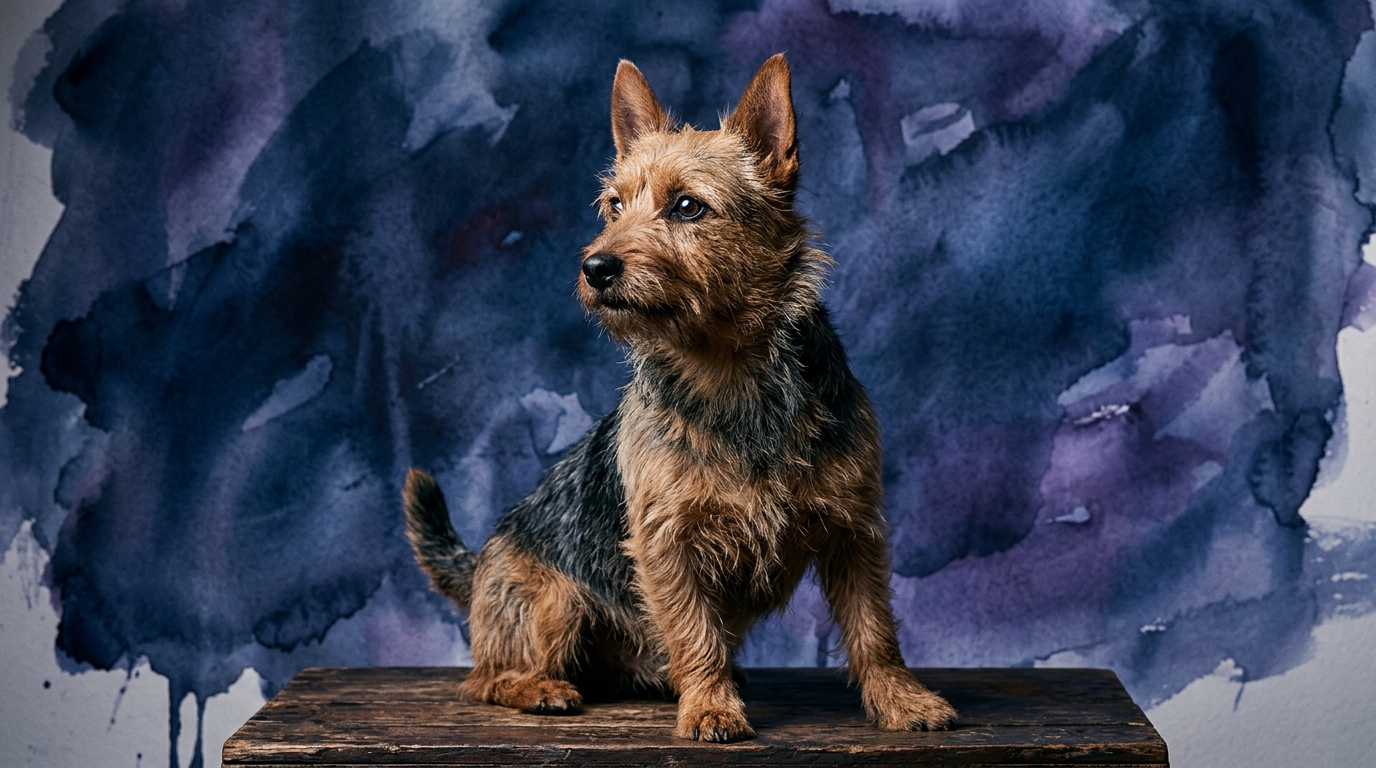
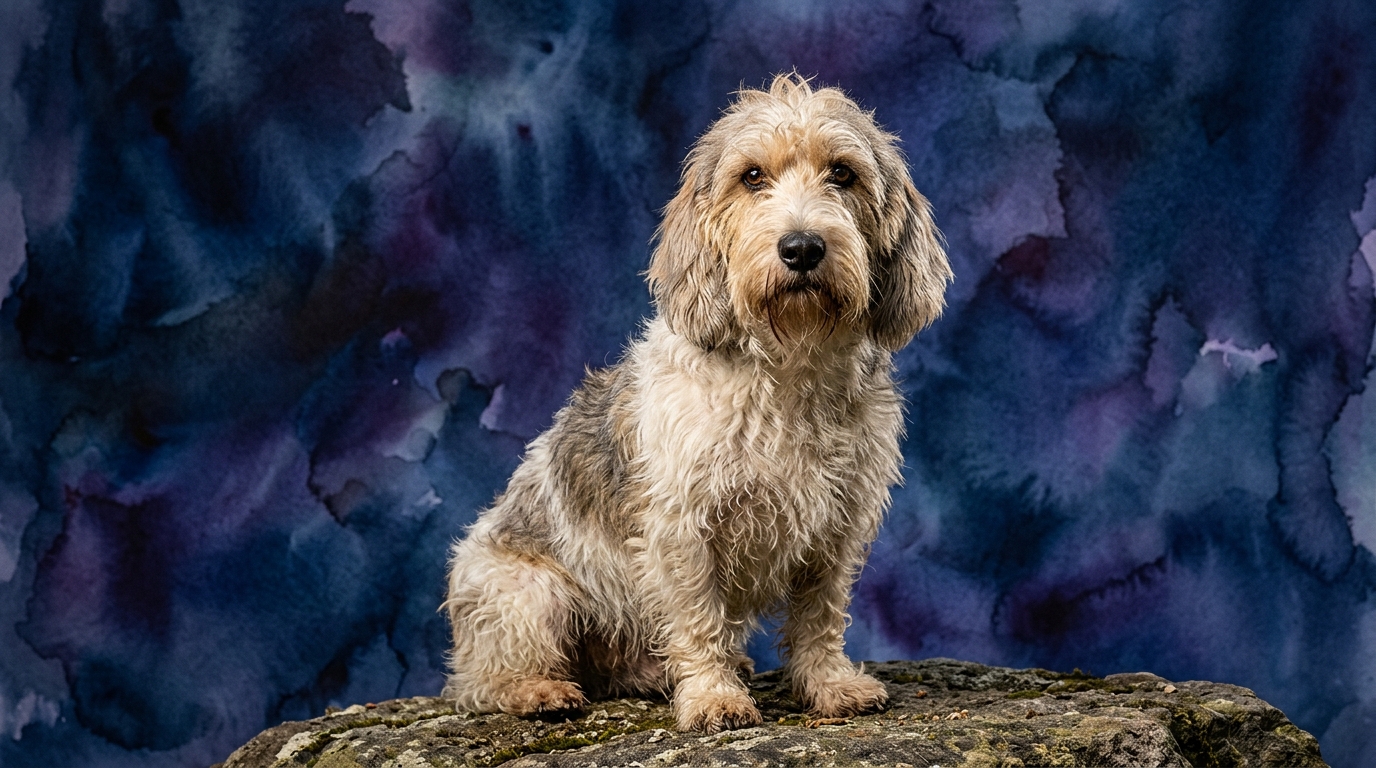
Side-by-Side IQ Profile: Australian Terrier vs. PBGV
At first glance, the Australian Terrier and the Petit Basset Griffon Vendéen appear to be cognitive twins, each scoring a steady 3/5 across The Cosmic Pet Pet IQ Lab’s five core dimensions. However, these identical scores belie fascinating breed-specific applications of their abilities. For the Australian Terrier, a 3/5 in Problem Solving reflects a moderate capacity to navigate physical obstacles or devise strategies to access desired items, often with a terrier’s characteristic tenacity. Their Training Speed, also 3/5, indicates they learn new commands at a reasonable pace, though their spirited independence might require engaging methods. Social Intelligence at 3/5 means they are generally adept at reading human cues within their familiar circle but can be more reserved with strangers. Their Instinctive Drive, a 3/5, is typically expressed through a moderate prey drive and a penchant for digging. Their Memory, also 3/5, allows them to retain learned behaviors and environmental knowledge effectively.
The Petit Basset Griffon Vendéen mirrors these scores, yet their cognitive expression is distinctly hound-like. Their 3/5 Problem Solving often manifests in complex scent-following puzzles, requiring sustained focus. A 3/5 Training Speed suggests they learn commands at a similar moderate pace, but their deep-seated scent drive can be a significant distraction. Their Social Intelligence, also 3/5, often leans towards an amiable disposition within their pack, though independent when on a scent trail. The PBGV’s 3/5 Instinctive Drive is overwhelmingly channeled into their powerful sense of smell and desire to track. Lastly, their 3/5 Memory is particularly strong for recalling intricate scent patterns. Thus, while the numbers align, the underlying cognitive architecture and preferred modes of engagement diverge significantly.
Where the Australian Terrier Wins Cognitively
The Australian Terrier, while sharing a 3/5 in problem-solving, often demonstrates this capacity with a distinct terrier flair for practical, immediate challenges. Their cognitive strength shines particularly in tasks requiring resourcefulness and persistence in a physical domain, such as figuring out how to retrieve a toy from under furniture or outsmarting a perceived 'intruder' in the yard. This involves swift, trial-and-error application of their moderate problem-solving skills to achieve a tangible goal. Their memory, also a 3/5, pairs well with this, allowing them to recall successful strategies for navigating their immediate environment or remembering where they last buried a prized chew. This practical application of their abilities often manifests as an independent thought process geared towards achieving a direct, physical outcome, showcasing a determined, self-reliant approach to everyday challenges within their established territory.
Where the Petit Basset Griffon Vendéen Wins Cognitively
The Petit Basset Griffon Vendéen, despite mirroring the Australian Terrier's 3/5 in instinctive drive, channels this energy into a profoundly different cognitive strength: olfactory processing and sustained, methodical focus. Their problem-solving at a 3/5 is often expressed through intricate scent puzzles, meticulously following a trail, or deciphering complex environmental odor cues, a task that demands analytical persistence over time, not speed. Their memory, also rated 3/5, is especially adept at retaining vast libraries of scent information and past successful tracking routes, allowing them to build an impressive mental map of their world based almost entirely on smell. This specialization means a PBGV can outshine many breeds in tasks requiring sustained, detailed sensory analysis, often appearing to 'think' with their nose, patiently piecing together information over extended periods rather than through quick, physical maneuvers.
Which is Easier to Train, and Why?
Assessing which breed is 'easier' to train, given their identical 3/5 training speed scores, requires a look at their underlying motivations and potential distractions. The Australian Terrier, with its terrier instincts, can exhibit spirited independence. Training success hinges on engaging their zest for life and channeling their moderate instinctive drive. They respond well to varied, fun sessions that prevent boredom and tap into their problem-solving knack, but their attention can be quickly diverted by a perceived 'hunt.' A trainer needs to be consistent, fair, and make learning more rewarding than chasing a leaf. The Petit Basset Griffon Vendéen, while also possessing a 3/5 training speed, often presents different considerations. Their profound scent drive means that once they are 'on a mission' with their nose, interrupting that focus for a training command can be challenging. However, they generally possess an agreeable nature and a desire to connect with their family. Training them often requires patience and making the training itself a highly rewarding game, possibly incorporating scent work. Neither breed is a 'quick study,' but the Australian Terrier’s challenge might be its independent streak, while the PBGV’s lies in overcoming its singular devotion to scent, particularly for recall in stimulating environments.
Active Owners vs. Relaxed Owners: Which Breed Suits Whom?
When considering suitability for active versus relaxed owners, both breeds, despite their moderate instinctive drives (3/5), lean towards owners who appreciate consistent engagement, albeit in different forms. The Australian Terrier thrives with an owner who can provide consistent mental and physical stimulation. Their moderate problem-solving and memory mean they enjoy learning new tricks and engaging in interactive games like fetch or puzzle toys. They are well-suited for active owners who enjoy daily walks, structured play, and perhaps even some dog sports like earthdog trials or agility. Their compact size makes them adaptable, but they are not content to be couch potatoes. The Petit Basset Griffon Vendéen, with its strong scenting instincts, requires an owner who understands and can accommodate its need to explore the world through its nose. While not necessarily requiring high-octane sprints, they need substantial daily walks where they are allowed to follow interesting scents at their own pace. This makes them ideal for active owners who enjoy long, meandering hikes and are patient with a dog that might stop frequently to investigate an odor. They are less suited for truly relaxed owners who prefer minimal outdoor activity, as their moderate instinctive drive, particularly for scent, needs a consistent outlet to prevent boredom and potential frustration.
The Verdict
Choose an Australian Terrier if you seek a spirited, resourceful companion for interactive play, who enjoys solving physical puzzles and thrives on consistent, engaging mental and physical challenges.
Opt for a Petit Basset Griffon Vendéen if you desire a cheerful, persistent scenting companion for long, meandering walks where their nose can lead, and you appreciate a dog with a generally amiable nature, despite its independent scent drive.
🧠 Find Your Pet's IQ Score
Our Pet IQ Lab assessment covers 25+ tests across 5 cognitive dimensions — personalized to your breed.
Take the Full IQ Test →Frequently Asked Questions
Are Australian Terriers and PBGVs good for first-time owners?
Both breeds can be suitable for first-time owners who are committed to consistent training, socialization, and understanding their specific breed traits. Their moderate training speeds mean patience and positive reinforcement are key for both.
Do Australian Terriers or PBGVs bark more?
Both breeds have the potential to be vocal. Australian Terriers might bark at perceived threats or during play due to their terrier nature, while PBGVs might bark or 'bay' when following a scent or if under-exercised, making consistent management important for both.
What kind of mental stimulation do these breeds need?
Australian Terriers benefit from puzzle toys, learning new tricks, and interactive games that challenge their problem-solving skills. PBGVs thrive on scent-based games, sniff walks, and activities that allow them to utilize their powerful nose, such as beginner tracking or hide-and-seek with treats.