Side-by-Side IQ Profiles: A Cognitive Snapshot
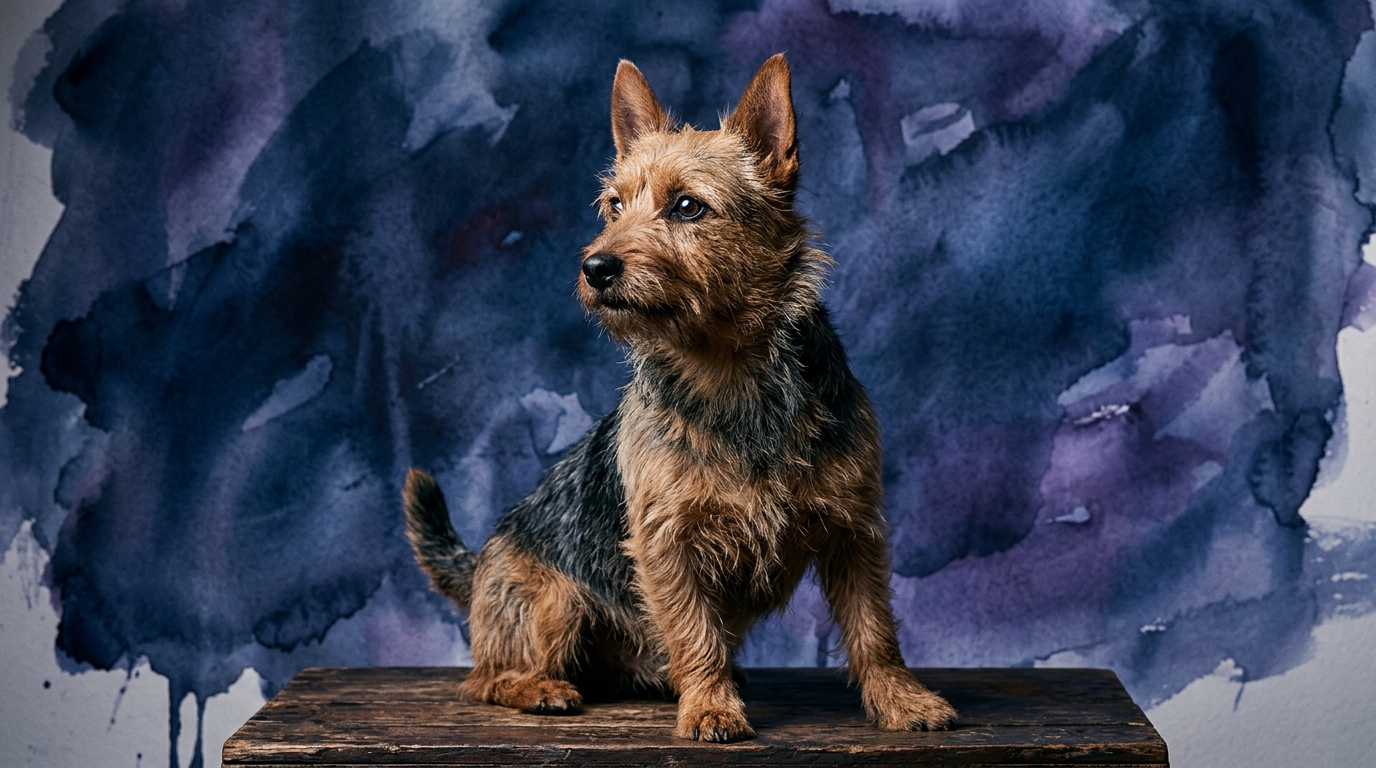
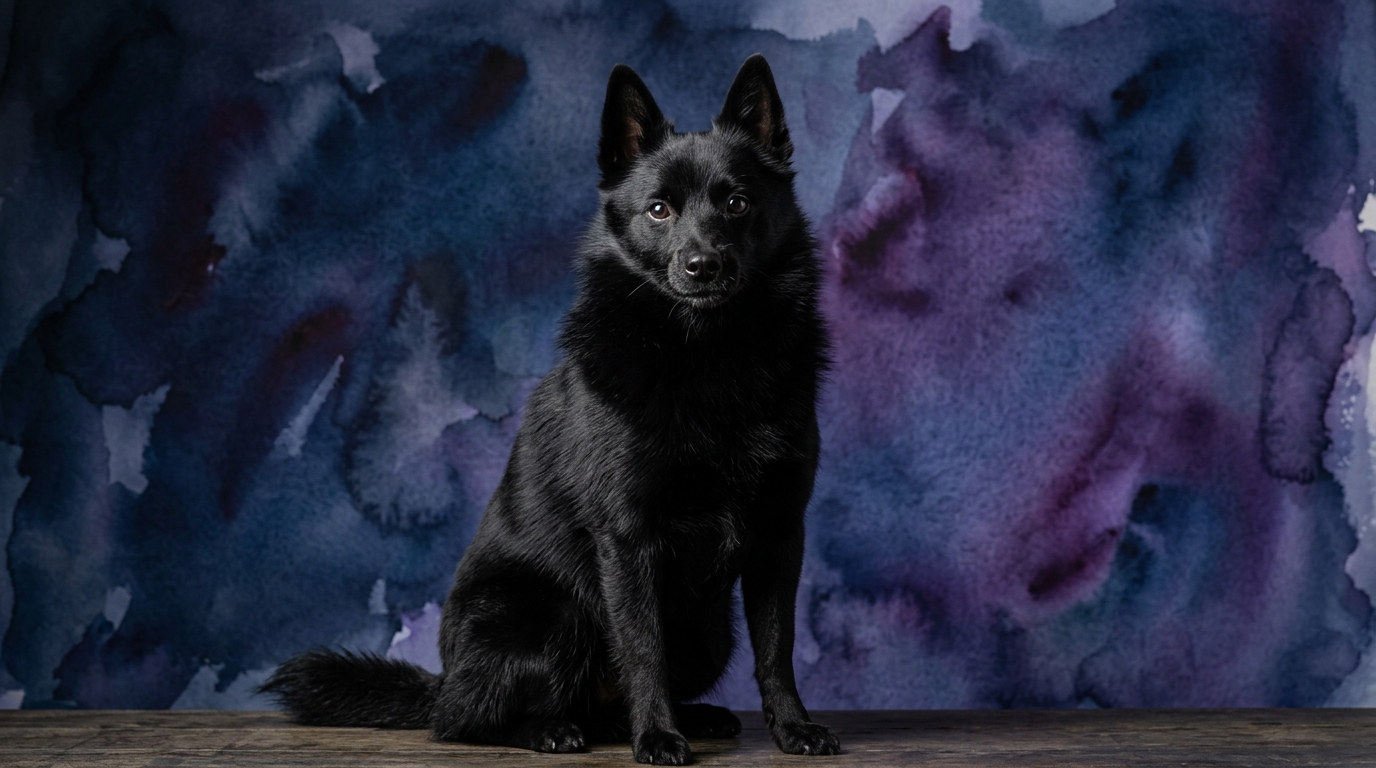
The Australian Terrier registers a 3/5 in Problem Solving and Training Speed, suggesting a practical, hands-on approach to challenges and a learning pace that requires consistent engagement. They are adept at navigating their immediate environment and figuring out direct solutions, often driven by instinct. In contrast, the Schipperke shines with a remarkable 5/5 in both Problem Solving and Training Speed. This indicates an exceptional capacity for abstract thought, strategizing, and rapidly grasping new concepts, often displaying a cunning ability to outmaneuver situations.
Both breeds share a 3/5 rating in Social Intelligence and Instinctive Drive. For the Australian Terrier, this means they are capable of understanding human cues and forming strong bonds, but retain a degree of independent terrier spirit, with their drive manifesting in digging, chasing, and exploring. The Schipperke's similar social score suggests they are attuned to their family but can be selective with strangers, while their instinctive drive reflects their historical role as watchful companions and ratters, exhibiting alertness and a propensity for guarding.
The Australian Terrier's Memory is rated at 3/5, sufficient for retaining daily routines, basic commands, and familiar faces. They learn through consistent repetition and context. The Schipperke, however, boasts a 5/5 in Memory, indicating a superior ability to recall complex sequences, past experiences, and detailed instructions over extended periods. This robust memory contributes significantly to their rapid learning and strategic capabilities.
Where the Australian Terrier Shines Cognitively
While the Schipperke excels in speed and abstract thought, the Australian Terrier's cognitive strengths lie in a tenacious, grounded practicality. Their 3/5 in problem-solving isn't a deficit but a different approach; they are exceptionally persistent in tasks like scent work or locating hidden objects, leveraging their instinctual drive and physical prowess. This breed demonstrates a robust resilience, often sticking with a challenge through sheer determination, even when faced with initial setbacks, which can be a valuable trait in certain working roles or complex environmental navigation.
Their moderate memory and training speed mean they consolidate learning thoroughly through consistent practice, making deeply ingrained behaviors reliable. An Australian Terrier might not grasp a new trick in two repetitions, but once learned, it’s often held with remarkable steadfastness, less prone to being forgotten due to their consistent, practical application of knowledge. They excel in situations demanding enduring focus on a singular, tangible goal rather than rapid-fire, multi-step sequences.
Where the Schipperke Demonstrates Cognitive Prowess
The Schipperke's cognitive profile is characterized by a dynamic blend of rapid processing and strategic thinking, evident in their 5/5 ratings for Problem Solving, Training Speed, and Memory. They frequently exhibit an uncanny ability to analyze situations, devise multi-step solutions, and even manipulate their environment to achieve desired outcomes, such as figuring out how to open complex latches or outsmarting puzzle toys designed for larger, less agile minds. This breed's quick wit allows them to adapt swiftly to new commands and environments, often anticipating their owner's next move.
Their exceptional memory allows them to retain vast amounts of information, from intricate obedience routines to the habits of household members, making them highly predictable in their learned behaviors but also incredibly adaptable. This combination of strong memory and fast learning means they can master advanced dog sports, complex trick sequences, and even develop unique communication methods with their owners, all with surprising speed and retention. They thrive on mental challenges, viewing them as opportunities to engage their considerable cognitive faculties.
Ease of Training: A Tale of Two Approaches
When it comes to ease of training, the Schipperke generally presents a smoother path due to their 5/5 Training Speed and Memory. They are often quick to understand commands, eager to engage in learning sessions, and possess the memory to retain what they've learned with minimal repetition. Their high problem-solving capacity means they can infer what's expected of them, making them highly responsive to positive reinforcement and capable of mastering complex chains of behavior relatively quickly.
The Australian Terrier, with a 3/5 Training Speed, requires a different training philosophy. Their independent terrier spirit means they can be more selective about when and how they choose to cooperate. While perfectly capable of learning, they might demand more patience, consistency, and highly motivating rewards to maintain focus. Their inherent drive to explore and investigate can sometimes override a desire to please, meaning trainers need to be creative in making training sessions more engaging and relevant to their instinctive predispositions, rather than relying solely on rapid obedience.
Matching Breeds to Lifestyles: Active Engagement vs. Focused Adventure
Neither the Australian Terrier nor the Schipperke is suited for truly sedentary lifestyles, but the nature of their activity preferences differs. The Australian Terrier thrives with owners who appreciate physical adventures and a practical, robust companion. They enjoy outdoor excursions, digging in a safe space, brisk walks, and interactive play that engages their terrier instincts, but they are often content to unwind after a good run, settling into a comfortable spot near their family.
The Schipperke, on the other hand, demands significant mental engagement alongside physical exercise. Their high problem-solving and memory scores mean they are prone to boredom and can become destructive or mischievous if their minds aren't sufficiently challenged. Owners who enjoy dog sports like agility, obedience, or rally, or who are keen on teaching advanced tricks and providing a constant stream of puzzle toys, will find the Schipperke an enthusiastic and capable partner. They suit owners who are prepared to be as intellectually active as their canine companion.
The Verdict
Select an Australian Terrier if you seek a tenacious, resilient companion for tangible adventures and appreciate a dog that learns through consistent, practical application, offering steadfast loyalty with a charming independent streak.
Opt for a Schipperke if you desire a sharp-witted, highly trainable partner for complex challenges, dog sports, and intellectual engagement, prepared to provide consistent mental stimulation to a dog that thrives on problem-solving.
🧠 Find Your Pet's IQ Score
Our Pet IQ Lab assessment covers 25+ tests across 5 cognitive dimensions — personalized to your breed.
Take the Full IQ Test →Frequently Asked Questions
Do Australian Terriers and Schipperkes get along with other pets?
Both breeds can coexist with other pets, especially if socialized from a young age. Australian Terriers might have a stronger prey drive towards smaller animals, while Schipperkes can be possessive and require careful introductions to ensure harmony within a multi-pet household.
Are either of these breeds good for first-time dog owners?
The Australian Terrier, with its moderate cognitive demands, can be suitable for a committed first-time owner prepared for consistent training and socialization. The Schipperke's high cognitive needs and potential for mischief might be more challenging for an inexperienced owner, requiring a dedicated approach to mental enrichment and boundary setting.
How much exercise do these breeds typically need?
Both breeds require daily exercise. Australian Terriers benefit from 30-60 minutes of varied physical activity, including walks and play. Schipperkes also need physical exercise, but critically, they require substantial mental engagement for at least 30-45 minutes daily to prevent boredom and channel their problem-solving energy constructively.