Side-by-side IQ profile
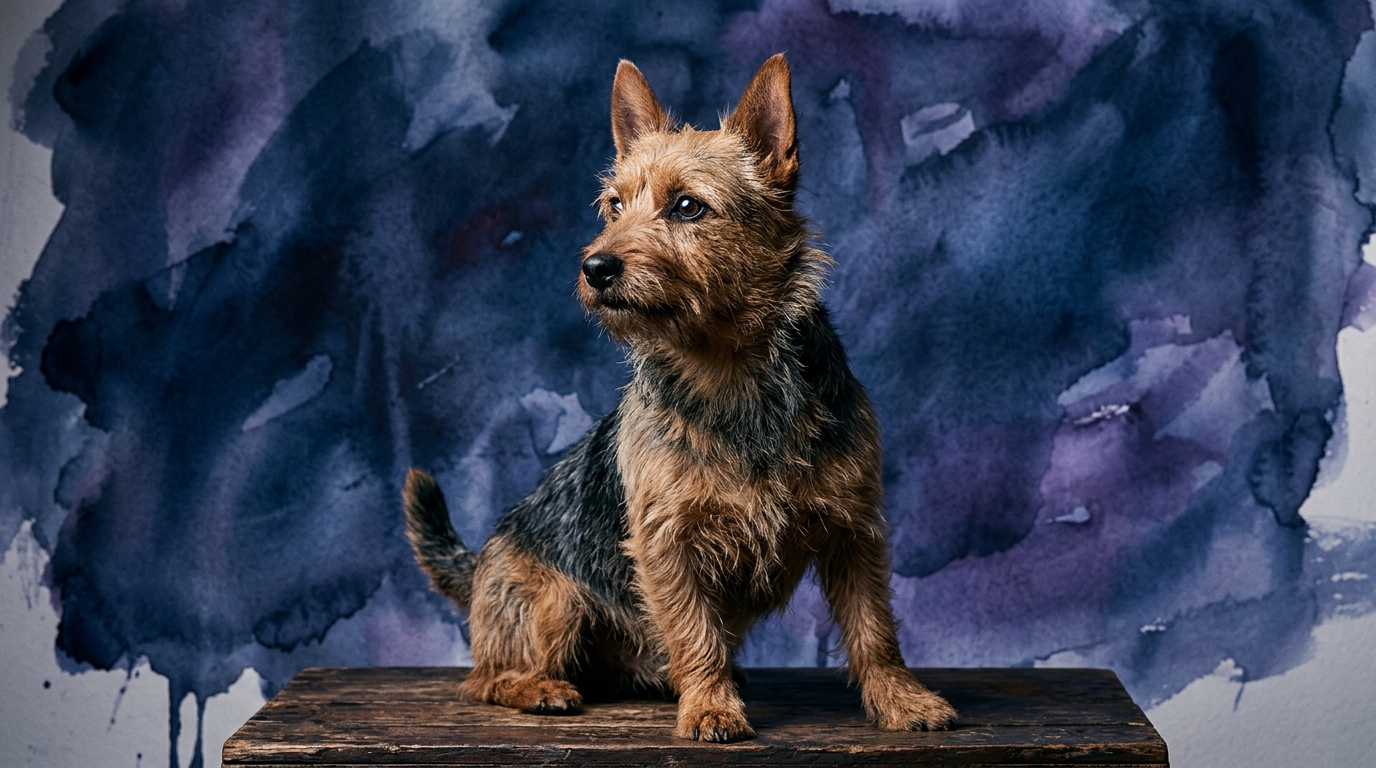
**Australian Terrier (Terrier Group)**: Possessing a 3/5 score across all five cognitive dimensions, the Australian Terrier exhibits a practical, action-oriented intellect. Their *Problem Solving* (3/5) often manifests in tangible ways, like navigating tight spaces or strategizing to "catch" a toy, reflecting their vermin-hunting heritage. *Training Speed* (3/5) is moderate; they learn, but their independent Terrier spirit means they weigh commands against their own inclinations, requiring engaging, consistent reinforcement. *Social Intelligence* (3/5) allows them to form strong bonds with family, though they can be reserved with strangers, accurately reading their trusted humans' moods. Their *Instinctive Drive* (3/5) is a consistent undercurrent, expressed through chasing, digging, and exploring with enthusiasm. Finally, their *Memory* (3/5) ensures they retain training and experiences, influencing their consistent responses within established routines.
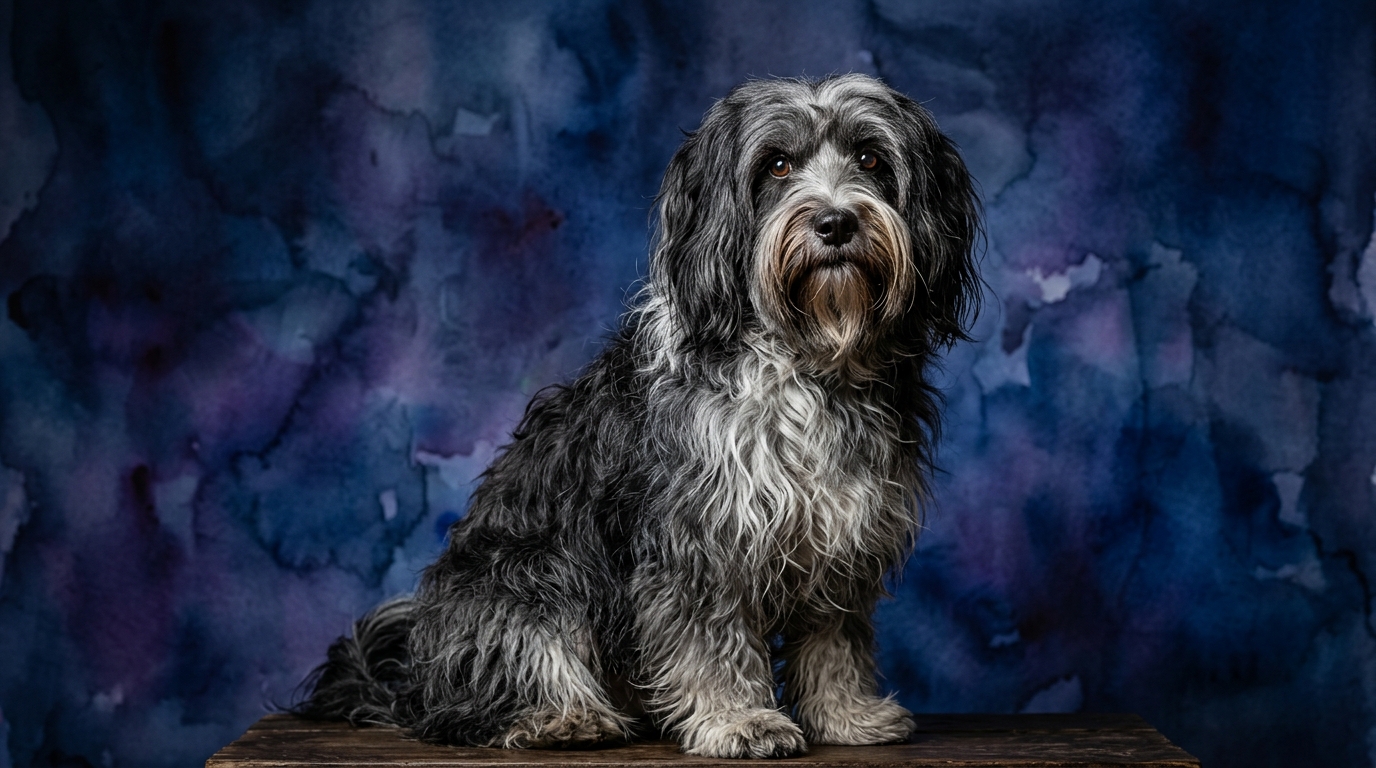
**Tibetan Terrier (Non-Sporting Group)**: Also scoring 3/5 across the board and ranking #63 in Coren's intelligence list, the Tibetan Terrier offers a thoughtful, adaptable cognitive profile. Their *Problem Solving* (3/5) is often observational, used to assess situations before acting, like navigating complex household layouts or understanding how to gain access to a preferred spot. *Training Speed* (3/5) is moderate, yet they often benefit from understanding the 'why' behind a command, responding best to patient, positive methods. Their *Social Intelligence* (3/5) is a hallmark, fostering deep, empathetic connections with family, and they can be quite attuned to human emotions, though they maintain a watchful distance with unfamiliar individuals. *Instinctive Drive* (3/5) leans towards patrolling, guarding, and playful chasing rather than intense prey drive, reflecting their historical role as companions and watchdogs. Their *Memory* (3/5) is robust enough to recall complex routines and past interactions, contributing to their reliable companionship.
Where Australian Terrier wins cognitively
The Australian Terrier’s cognitive strengths particularly shine in scenarios demanding independent initiative and persistent physical engagement. Their 3/5 problem-solving manifests as a pragmatic drive to overcome tangible obstacles, often related to their innate desire to investigate or "dig up" interesting situations. This breed shows a distinct advantage in situations requiring quick, decisive action without constant human prompting, such as navigating new environments with a confident, exploratory approach. Their instinctive drive, while rated similarly to the Tibetan Terrier, is typically more focused and tenacious towards a specific goal, be it a rustling leaf or a hidden toy. This makes them exceptionally adept at self-directed play or tasks that tap into their natural curiosity and physical prowess.
Where Tibetan Terrier wins cognitively
The Tibetan Terrier often demonstrates a nuanced cognitive edge in social understanding and observational problem-solving. Their 3/5 social intelligence, combined with their history as companion dogs, allows for a more subtle interpretation of human emotional states and household dynamics. They excel at understanding unspoken cues and adapting their behavior accordingly, making them highly attuned family members. Their problem-solving, while equally rated, leans towards thoughtful assessment rather than immediate physical action, allowing them to devise indirect solutions or observe patterns before engaging. The Tibetan Terrier's Coren ranking at #63, while reflecting obedience, also suggests a cognitive flexibility that allows them to adapt to varied social situations and learn complex household routines through observation and gentle guidance.
Which is easier to train and why
Both breeds share a 3/5 rating for training speed, indicating a moderate learning curve, but the *approach* to training them differs significantly due to their intrinsic temperaments. The Australian Terrier, with its strong independent streak and inherent Terrier tenacity, often views training as a negotiation. They learn effectively with short, engaging sessions, clear boundaries, and high-value rewards, but their focus can be fleeting if they perceive something more interesting or challenging. Their primary motivation often stems from their own self-interest or the thrill of the "hunt" for a treat, rather than an inherent desire to please.
The Tibetan Terrier, while also capable of stubbornness, often approaches training with a more thoughtful, observational mindset. They might take longer to process commands but, once they understand the "why" or perceive a clear benefit, they tend to retain lessons consistently. Their motivation often comes from a desire for companionship and positive interaction, making patient, praise-based methods particularly effective. While they might not offer the immediate, eager compliance of some breeds, their considered responses and deep bond with their owner can lead to a highly reliable and well-mannered companion over time, reflective of their Coren ranking.
Which suits active owners vs relaxed owners
When considering lifestyle compatibility, both the Australian Terrier and Tibetan Terrier possess moderate energy levels, but the *type* of engagement they seek varies. An Australian Terrier typically thrives with owners who embrace an active, consistent lifestyle that goes beyond simple daily walks. They require regular mental stimulation and opportunities to express their natural instincts through structured play, puzzle toys, or even dog sports like earthdog trials or agility. Owners who enjoy consistent outdoor adventures and can channel their terrier's spirited energy will find a highly engaged companion. They are not content to simply lounge; their cognitive and physical needs demand interaction.
The Tibetan Terrier, while enjoying regular exercise and mental stimulation, often presents a more adaptable energy profile. They appreciate consistent walks and playtime but are equally content to curl up beside their family, observing household activities. Their moderate instinctive drive means they are less intensely focused on physical "work" and more on companionship. Owners who seek a balanced dog – one that enjoys activity but is also a calm, thoughtful presence in the home – will find the Tibetan Terrier a wonderful match, adapting well to varied routines provided their need for family interaction is met.
The Verdict
Choose an Australian Terrier if you seek an independent, spirited companion who thrives on consistent engagement, enjoys outdoor adventures, and appreciates a partner in playful, physical problem-solving.
Opt for a Tibetan Terrier if you desire a thoughtful, adaptable companion who values deep family bonds, can be reserved with strangers, and offers a balanced blend of playful energy and calm companionship.
🧠 Find Your Pet's IQ Score
Our Pet IQ Lab assessment covers 25+ tests across 5 cognitive dimensions — personalized to your breed.
Take the Full IQ Test →Frequently Asked Questions
Are Australian Terriers good apartment dogs?
Australian Terriers can adapt to apartment living if their moderate exercise and mental stimulation needs are consistently met. Daily walks, playtime, and enrichment activities are crucial to prevent boredom and destructive behaviors, ensuring their energetic terrier nature is channeled appropriately.
Do Tibetan Terriers bark a lot?
Tibetan Terriers can be vocal, often using their barks to alert owners to newcomers or unusual sounds, reflecting their watchdog heritage. While not excessive, consistent training from a young age can help manage their alerting tendencies and teach them appropriate times to be quiet.
Which breed is better with children?
Both breeds can be good with children, but require proper socialization and supervision. Australian Terriers, being energetic and playful, enjoy rough-and-tumble play but need boundaries. Tibetan Terriers are often patient and gentle, though they prefer respectful interactions and might retreat if overwhelmed by boisterous play.