Side-by-Side IQ Profile: Basenji vs. Akita
The Cosmic Pet Pet IQ Lab employs a five-dimensional framework to assess canine intelligence, offering a nuanced understanding beyond simple obedience. Here's how the Basenji and Akita stack up:
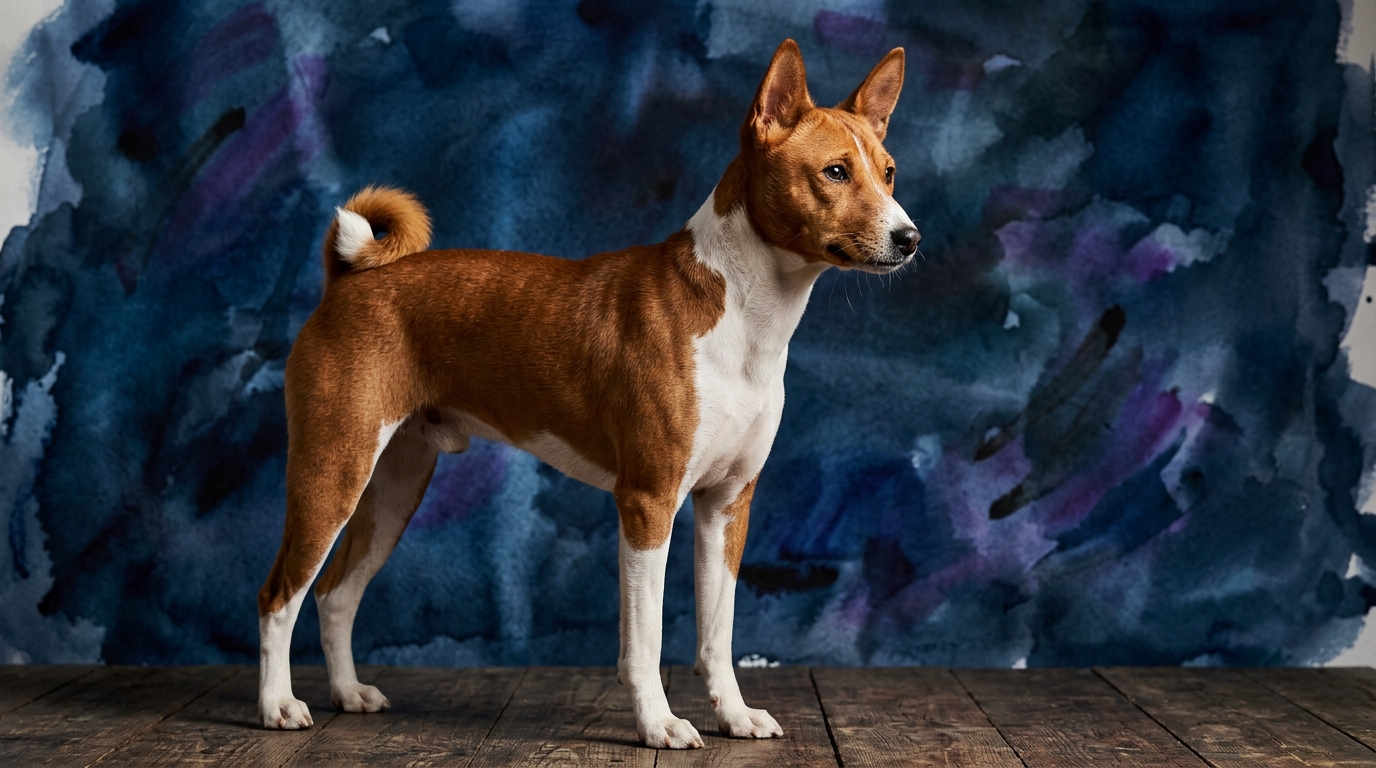
**Basenji (Hound, Coren rank #78)**
**Problem Solving (5/5):** The Basenji exhibits exceptional ingenuity, often finding novel, sometimes mischievous, solutions to perceived obstacles. This score reflects a breed that thinks independently, not waiting for human direction but actively devising strategies to achieve its goals, whether that's systematically testing the latch on a pantry door or engineering an escape from a seemingly secure enclosure.
**Training Speed (1/5):** This low score doesn't indicate a lack of ability to learn, but rather a profound lack of motivation to comply with human-initiated commands when their own agenda is more compelling. Basenjis learn quickly what benefits them, but their independent nature and strong will make them notoriously challenging to train in traditional obedience, requiring immense patience, creative motivation, and a deep understanding of their unique psychology from their owners.
**Social Intelligence (3/5):** Basenjis possess a moderate understanding of social cues, capable of forming strong bonds with their primary human family. However, their aloofness towards strangers and other dogs, coupled with a preference for selective interaction, means their social acumen is primarily focused inward, within their trusted circle.
**Instinctive Drive (5/5):** Their sighthound heritage manifests as an extremely powerful prey drive. This instinct dictates much of their behavior, from chasing small animals to exploring their environment with keen senses, often overriding other considerations if a compelling scent or movement is detected.
**Memory (4/5):** Basenjis have an excellent memory, recalling past experiences, learned routes, and the consequences of their actions. This strong memory, combined with their problem-solving, means they remember how to outsmart a gate or where a treat was hidden, even if it doesn't translate to immediate obedience.
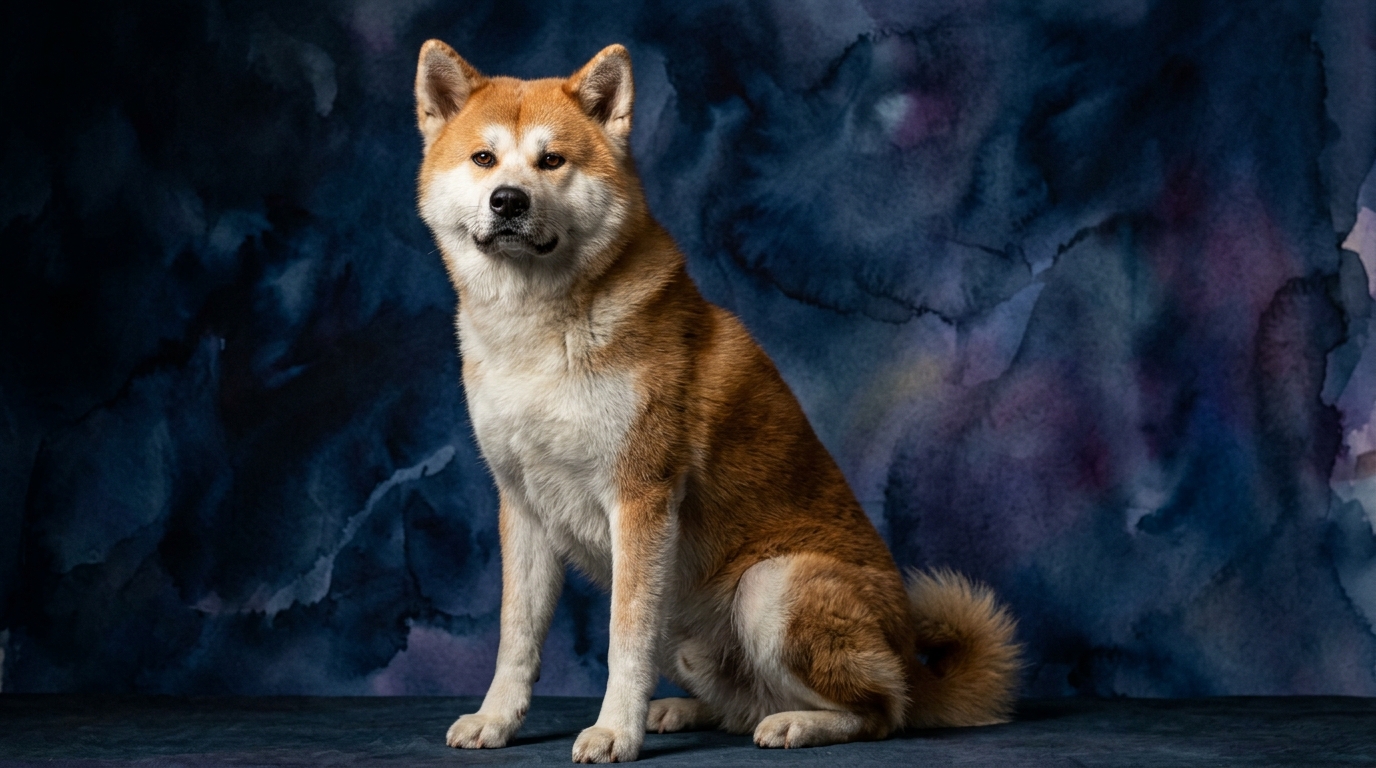
**Akita (Working, Coren rank #54)**
**Problem Solving (3/5):** Akitas demonstrate a solid capacity for problem-solving, capable of understanding complex situations and adapting. While not as independently inventive or prone to mischief as the Basenji, they can figure out tasks and navigate challenges through observation, a methodical approach, and often with a clear understanding of their handler's expectations, especially when motivated by a clear purpose or their family's guidance.
**Training Speed (2/5):** Akitas are more willing to engage in training than Basenjis, showing a moderate speed in learning and executing commands. Their strong desire to please their chosen family leader, combined with a dignified demeanor and a sense of purpose, makes them more amenable to consistent training. However, they still require a firm, fair, and experienced hand to overcome their inherent stubbornness and independent streak, ensuring they see the value in cooperation.
**Social Intelligence (3/5):** Similar to the Basenji, Akitas exhibit a focused social intelligence. They are deeply devoted and protective of their family unit, keenly attuned to their human's moods and intentions. However, their wariness of strangers and potential assertiveness with other dogs means their social interactions outside their core group are carefully managed and often reserved.
**Instinctive Drive (5/5):** The Akita's working dog lineage is evident in its powerful instinctive drives, particularly for guarding, hunting, and companionship. This drive fuels their protectiveness and their need for a clear role within the family, making them formidable watchdogs and dedicated companions, but also requiring consistent guidance to channel these instincts appropriately.
**Memory (4/5):** Akitas possess a robust memory, retaining learned commands, routines, and experiences over long periods. This strong recall supports their training efforts and their ability to remember who belongs and who doesn't, contributing to their reliable guardianship and consistent behavior within established boundaries.
Where the Basenji Wins Cognitively
The Basenji's cognitive strengths truly shine in its unparalleled Problem Solving ability, rated at a perfect 5/5. Unlike many breeds that look to their human for direction, Basenjis are innate independent thinkers, constantly assessing their environment for opportunities and devising ingenious strategies to achieve their goals. This means they are less likely to simply wait for a command and more likely to invent a novel solution, whether it's figuring out how to open a child-proof gate or systematically testing the weakness of a fence line. Their 4/5 Memory score, coupled with this problem-solving prowess, means they not only devise solutions but also recall past successes and failures, refining their methods for future endeavors. This makes them incredibly resourceful and adaptable, capable of navigating complex situations on their own terms, often to their owner's surprise and occasional, albeit amused, exasperation at their cleverness.
Where the Akita Wins Cognitively
While the Basenji excels in independent thought, the Akita demonstrates a more cooperative cognitive approach, particularly evident in its slightly higher Training Speed of 2/5 compared to the Basenji's 1/5. This indicates a greater willingness to engage with human-led instruction and form a working partnership. Akitas, with their Coren rank of #54, benefit from a more structured application of their strong 5/5 Instinctive Drive, which is often channeled into guardianship and protective roles. Their problem-solving, rated 3/5, is more about methodical application and understanding the 'why' behind a task, rather than inventing entirely new approaches; they excel at learning established procedures that serve a clear function. This makes them reliable in established routines and capable of learning complex tasks that serve a clear purpose, especially when guided by a trusted handler, leading to a more predictable and consistent response once trained, a stark contrast to the Basenji's often whimsical obedience.
Which is Easier to Train, and Why?
When it comes to ease of training, the Akita undeniably holds an advantage over the Basenji. The Akita's Training Speed of 2/5, though still indicating a degree of independence, suggests a greater inclination to learn and respond to human cues than the Basenji's 1/5. Akitas often possess a desire to please their family, combined with a dignified and serious demeanor, which makes them more receptive to consistent, firm, and positive reinforcement training. They want to understand their role and purpose within the family unit. In contrast, the Basenji's low Training Speed score isn't due to a lack of cognitive ability, but rather a profound independence and selective hearing; they learn quickly but often choose whether or not to comply based on their own self-interest or a more compelling environmental distraction.
A Basenji might perfectly understand a 'stay' command but then weigh its own desires to explore a fascinating scent against the command, often choosing the former, whereas an Akita, once committed to a task or command from its respected leader, is more likely to follow through due to their loyalty and inherent working nature. Training a Basenji requires exceptional creativity, patience, and a willingness to make every interaction a highly rewarding game, often thinking several steps ahead of their clever canine, whereas an Akita responds better to clear expectations, consistent leadership, and a sense of shared purpose.
Which Suits Active Owners vs. Relaxed Owners?
The choice between a Basenji and an Akita depends significantly on an owner's lifestyle and their approach to canine companionship. Basenjis, with their high 5/5 Problem Solving and 5/5 Instinctive Drive, are best suited for active owners who relish a mental challenge and can provide consistent, engaging activities. Their boundless curiosity and independent nature mean they thrive with owners who understand the need for creative enrichment, puzzle toys, and secure environments to prevent their ingenious escapes. While they enjoy physical activity, their 'active' requirement leans heavily into mental stimulation, puzzle-solving, and engaging exploration to prevent boredom-induced mischief and destructive behaviors.
Conversely, Akitas, also possessing a 5/5 Instinctive Drive, suit owners who are active in a more structured and purposeful way. They need owners who can confidently lead, provide consistent training, and channel their protective instincts into appropriate outlets like guarding, dedicated companionship, or structured activities. While they enjoy walks and purposeful outdoor time, their need is less about constant mental novelty and more about a clear routine, a strong bond with their family, and a sense of responsibility, making them more suitable for owners who appreciate a steadfast, devoted, and somewhat reserved companion that requires a firm, guiding hand and clear boundaries.
The Verdict
Choose the Basenji if you are an experienced, patient owner who delights in a highly independent, problem-solving companion and can provide constant mental stimulation and secure boundaries.
Choose the Akita if you are a confident, consistent leader seeking a loyal, protective companion who thrives on purpose and clear guidance within a devoted family structure.
🧠 Find Your Pet's IQ Score
Our Pet IQ Lab assessment covers 25+ tests across 5 cognitive dimensions — personalized to your breed.
Take the Full IQ Test →Frequently Asked Questions
Is a Basenji truly untrainable given its 1/5 training speed?
While their 1/5 training speed indicates extreme difficulty with traditional obedience, Basenjis are not untrainable; they simply learn on their own terms. Owners must employ highly motivational, positive reinforcement methods and understand that compliance is often optional for a Basenji, requiring immense patience and creativity.
How does the Akita's 5/5 instinctive drive manifest in daily life?
The Akita's powerful instinctive drive often manifests as strong protective instincts towards its family and home, alongside a potential prey drive and a need for purpose. This requires early socialization and consistent training to channel these natural tendencies into appropriate, safe behaviors, making them dedicated guardians.
Do Basenjis and Akitas get along well with other pets or children?
Both breeds have a social intelligence of 3/5, indicating selective social circles. Basenjis can be aloof and their prey drive can be a concern with small pets, while Akitas are often wary of strangers and other dogs, requiring careful introductions and supervision, especially with children and other animals.