
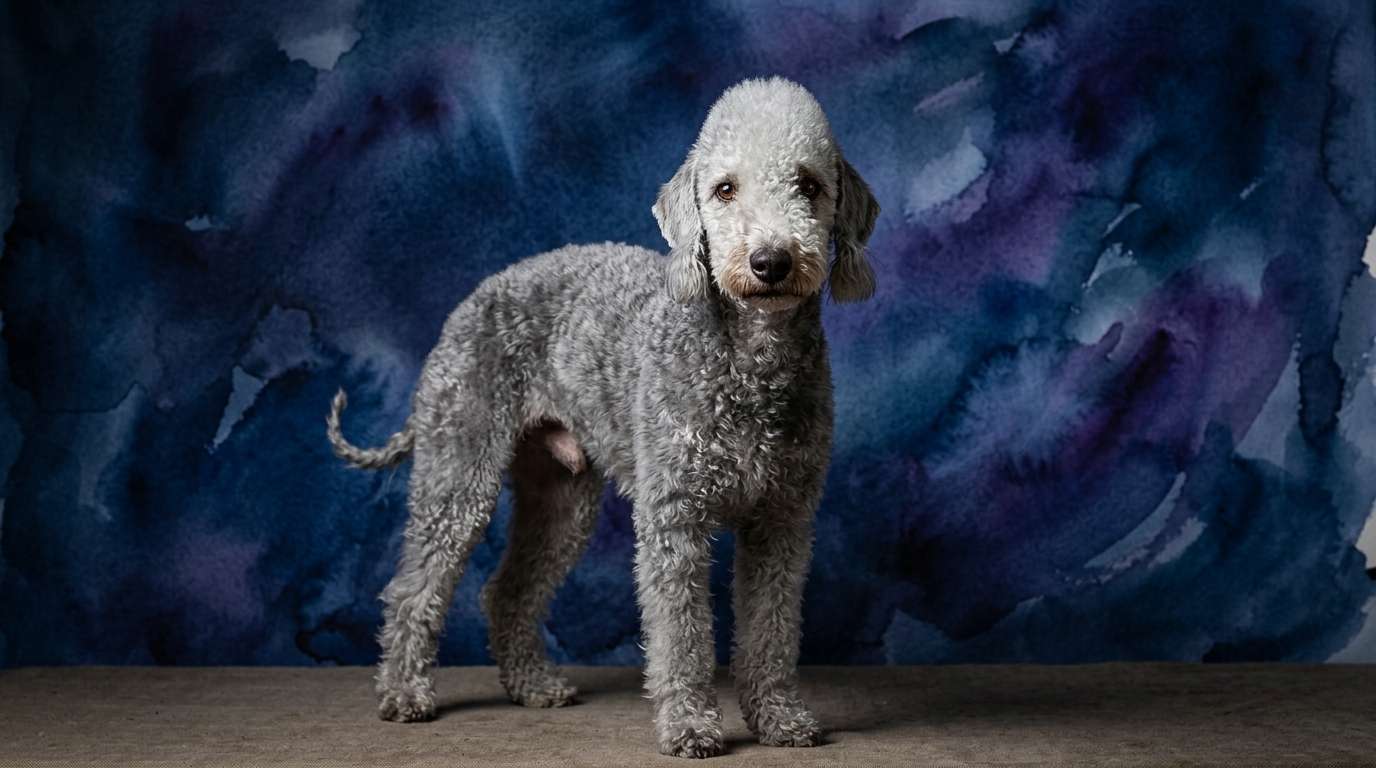
Side-by-Side IQ Profile: Basenji vs. Bedlington Terrier
At The Cosmic Pet Pet IQ Lab, we delve beyond superficial traits to analyze the core cognitive dimensions that define each breed. For the Basenji, a hound with a Coren rank of #78, its cognitive blueprint highlights a highly independent thinker. Its problem-solving skills are rated an exceptional 5/5, indicating a strong capacity for figuring out complex situations, often to its own benefit. However, its training speed is a challenging 1/5, meaning it learns new commands at a very slow pace, demanding immense patience. Social intelligence is moderate at 3/5, suggesting it navigates social situations adequately but often prefers its own company or that of a select few. Instinctive drive is a dominant 5/5, reflecting its potent hunting and tracking heritage, while memory stands at a robust 4/5, allowing it to retain experiences and lessons effectively.
The Bedlington Terrier, a terrier breed not specifically Coren-ranked, presents a more balanced and often more cooperative cognitive profile. Its problem-solving ability is rated 3/5, indicating a moderate capacity for tackling challenges, often with a direct and persistent approach. Training speed is also 3/5, meaning Bedlingtons learn new commands at an average pace, responding well to consistent, positive reinforcement. Social intelligence aligns with the Basenji at 3/5, suggesting general adaptability in social settings without extreme dominance or submissiveness. Its instinctive drive is a manageable 3/5, reflecting its terrier background but without the overwhelming intensity seen in some hunting breeds. Finally, its memory is also 3/5, allowing it to retain information for a reasonable duration, typical for many dog breeds.
Where the Basenji Excels Cognitively
The Basenji shines brightly in areas demanding independent thought and innate drive. Its exceptional 5/5 score in problem-solving means it possesses a formidable capacity for autonomous reasoning. This isn't about solving puzzles for human approval, but rather ingeniously navigating its environment to achieve its own objectives, whether that's opening a 'child-proof' gate or orchestrating an escape from a yard. This cognitive strength makes them master strategists in their own right, constantly assessing and adapting.
Another profound cognitive advantage for the Basenji is its instinctive drive, rated a perfect 5/5. As an ancient sighthound, their mental focus on scent and movement is unparalleled. This isn't merely a physical trait; it's a deep cognitive engagement with their environment, constantly scanning, analyzing, and processing sensory information related to prey or intriguing trails. This intense, hardwired focus allows them to maintain incredible persistence and stamina in pursuit, a testament to their specialized mental fortitude.
Furthermore, the Basenji's memory, scoring 4/5, provides a significant cognitive edge. This breed remembers experiences, both positive and negative, with clarity. This strong recall, combined with their problem-solving prowess, means they quickly learn what strategies are effective for them and which are not. They will remember the specific sequence to access a coveted treat or the exact spot where an interesting scent was last detected, making them incredibly self-directed and efficient in their personal quests.
Where the Bedlington Terrier Excels Cognitively
The Bedlington Terrier's primary cognitive strength lies in its balanced and more amenable approach to learning. Its training speed, rated 3/5, is a distinct advantage over the Basenji's 1/5. This means Bedlingtons are generally more receptive to instruction, grasp new commands at an average pace, and are more inclined to cooperate with their human companions. This willingness to engage in the learning process makes them a much more straightforward partner for obedience and skill acquisition.
While not a single IQ dimension, the Bedlington's consistent 3/5 scores across problem-solving, social intelligence, instinctive drive, and memory indicate a more harmonized cognitive profile. This balance translates into a dog that is typically less prone to extreme independent behaviors or overwhelming singular drives. They are capable enough to engage with challenges but not so driven by self-interest that they become difficult to redirect, making them generally more manageable and predictable in a family setting.
Though both breeds score 3/5 in social intelligence, the Bedlington's overall cognitive balance often makes them appear more socially adaptable in practice. Their moderate instinctive drive and more cooperative training speed suggest a dog that is generally more open to new people and situations without the reserved or highly independent tendencies that can characterize a Basenji. This can lead to smoother integration into diverse social environments and a more universally comfortable demeanor.
Which is Easier to Train and Why?
Without a doubt, the Bedlington Terrier is the easier breed to train when compared to the Basenji. This difference is starkly illustrated by their respective training speed scores: 3/5 for the Bedlington versus a challenging 1/5 for the Basenji. Bedlington Terriers exhibit an average capacity and willingness to learn, often showing an eagerness to please that makes them responsive to positive reinforcement and consistent guidance. They absorb new commands and routines within a reasonable timeframe, making the training journey a more rewarding experience for most owners.
In contrast, the Basenji's low training speed is a defining characteristic. They learn new concepts very slowly and often approach obedience requests with a questioning, independent mindset, rather than an eager-to-comply attitude. Their strong problem-solving skills are often directed towards achieving their own goals, not necessarily those of their human. Training a Basenji requires exceptional patience, creativity, and a deep understanding of canine motivation, as they rarely perform simply to please. This fundamental difference in intrinsic motivation and responsiveness makes the Bedlington a significantly more approachable and less demanding training partner.
Which Suits Active Owners vs. Relaxed Owners?
For the active owner, the Basenji is a compelling, albeit demanding, choice. With its potent 5/5 instinctive drive and 5/5 problem-solving acumen, this breed thrives on consistent physical activity and intense mental engagement. Basenjis require owners who are prepared to channel their boundless energy and independent intellect into structured activities like lure coursing, agility, or extensive scent work. They are not content to be couch potatoes; a Basenji needs daily opportunities to explore, chase, and strategize, making them an ideal match for individuals or families who embrace a dynamic, outdoor-oriented lifestyle and appreciate a dog with a strong, self-directed personality.
The Bedlington Terrier, with its balanced cognitive profile and moderate energy levels, is generally better suited for owners who prefer a more relaxed, yet still engaging, lifestyle. While they are terriers and enjoy regular walks, playtime, and mental stimulation, their demands are typically less intense and all-consuming than those of a Basenji. Their average training speed and more cooperative nature mean they integrate smoothly into a less structured daily routine, making them a suitable companion for individuals or families who appreciate a charming, active dog that is content with moderate engagement and enjoys being a central part of family life without constant, high-octane demands.
The Verdict
Choose a Basenji if you are an experienced dog owner seeking a highly independent, intellectually curious companion who will challenge your training skills and appreciates a dog with a profound sense of self and unique cognitive demands. They are ideal for those who value a unique bond with a 'thinking' dog and are prepared for their specific cognitive demands.
Opt for a Bedlington Terrier if you desire a charming, moderately active, and generally cooperative companion that is more amenable to training and family life without the intense independent streak of some other breeds. They are well-suited for owners seeking a balanced temperament and a dog that readily integrates into various lifestyles.
🧠 Find Your Pet's IQ Score
Our Pet IQ Lab assessment covers 25+ tests across 5 cognitive dimensions — personalized to your breed.
Take the Full IQ Test →Frequently Asked Questions
Is a Basenji difficult to live with due to its low training speed?
A Basenji's low training speed means they require a dedicated and patient owner. While they may not be eager to perform tricks on command, their strong problem-solving skills mean they learn quickly what benefits them, so consistent boundaries and creative reinforcement are crucial for a harmonious household.
Do Bedlington Terriers bark a lot, given their terrier heritage?
Bedlington Terriers can be vocal, like many terriers, especially if not adequately stimulated or if they perceive threats. However, their moderate instinctive drive and average social intelligence mean that with proper training and socialization, excessive barking can be managed, and they are generally not considered as persistently vocal as some other terrier breeds.
How does Basenji's high instinctive drive impact daily life?
A Basenji's very high instinctive drive means they possess a strong prey drive and desire to explore with their nose. This often translates to a need for secure leashes, escape-proof yards, and engaging activities like scent work or lure coursing to satisfy their innate urges, otherwise, they might follow a scent over a mile.