Side-by-Side IQ Profile: Basenji vs. Bichon Frisé
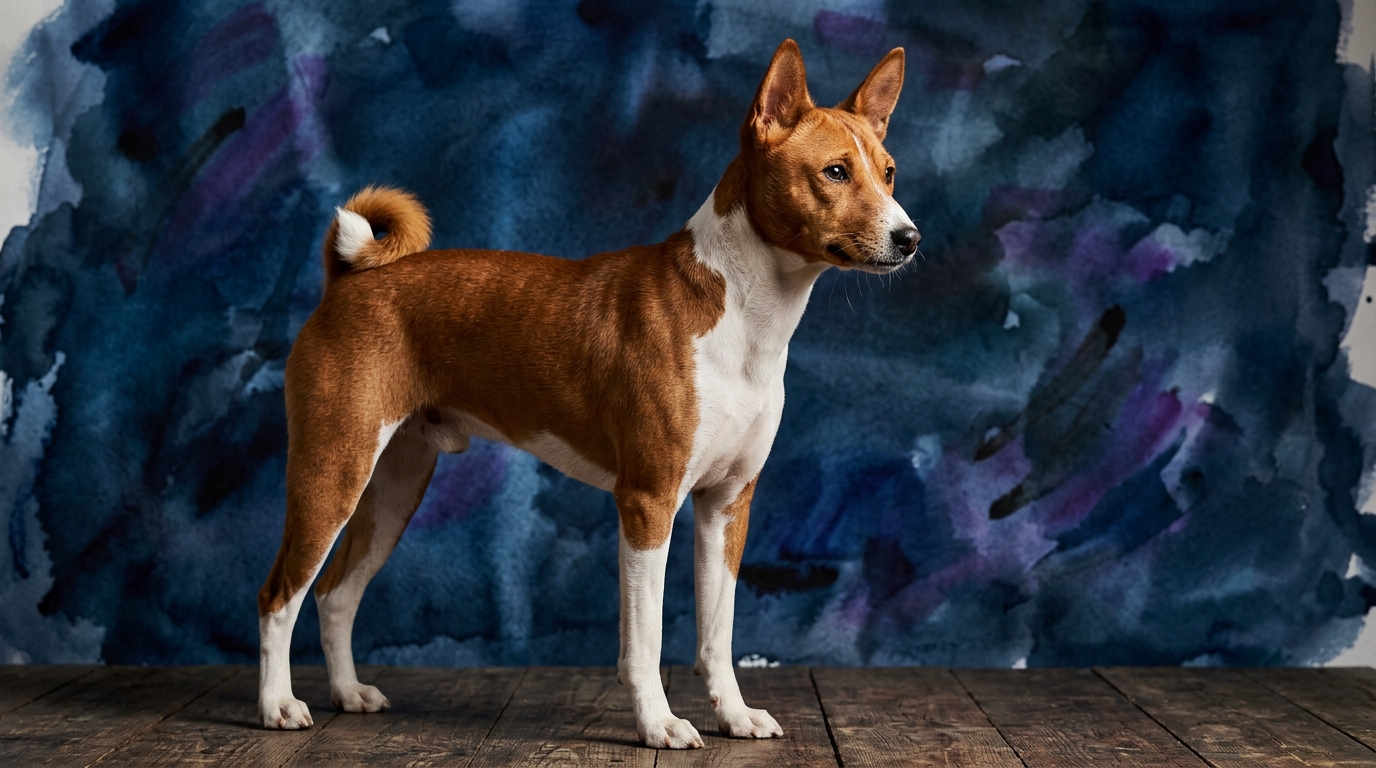
The Basenji, an ancient hound from Central Africa, often earns a reputation for its unique blend of independence and cleverness. Our Cosmic Pet Pet IQ Lab data places the Basenji at Coren rank #78, indicating a specific type of cognitive strength rather than broad obedience. Let's delve into its five key intelligence dimensions.
With a Problem Solving score of 5/5, the Basenji excels at navigating complex environments and devising solutions to perceived obstacles, often displaying remarkable ingenuity in achieving its goals, such as finding ways to open doors or escape enclosures. However, its Training Speed is a mere 1/5, reflecting a deep-seated independence that requires immense patience and creative motivation to encourage compliance rather than independent action. Social Intelligence sits at 3/5, meaning while capable of forming strong bonds, the Basenji's social acumen is more selective, often preferring a smaller, familiar circle and exhibiting a reserved demeanor with strangers or novel situations. Its Instinctive Drive is a commanding 5/5, driven by a powerful prey drive and an innate curiosity for exploration, consistently following its nose and instincts, making it highly attuned to its environment and potential 'hunts'. Finally, Memory is a solid 4/5, as Basenjis possess a strong recall for locations, routines, and experiences, often recalling past events or learned pathways with striking accuracy, which can sometimes be used to their advantage in outsmarting owners.
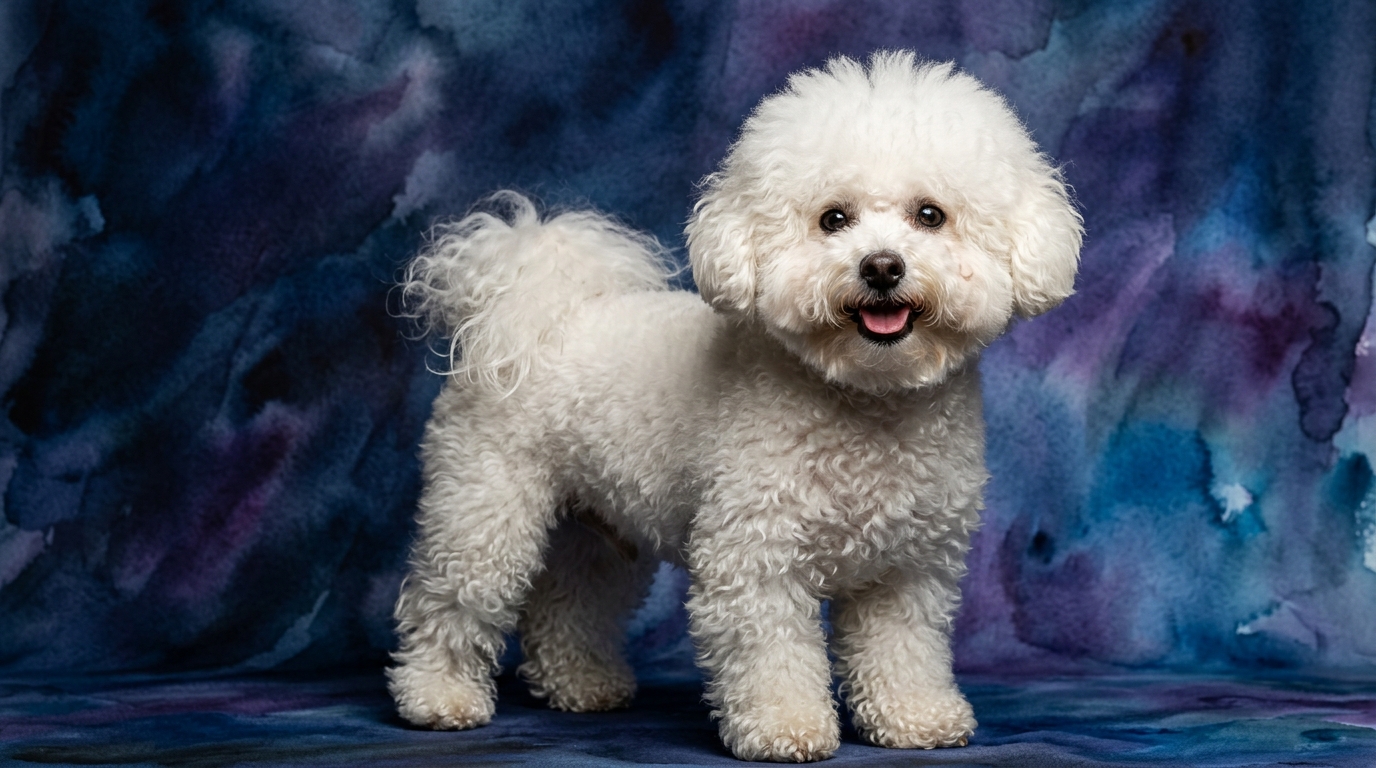
In stark contrast, the Bichon Frisé, a cheerful companion dog, represents a different facet of canine cognition, prioritizing social engagement and adaptability. With a Coren rank of #45, the Bichon Frisé demonstrates a more conventional readiness for companionship and training. Let's examine its cognitive profile.
The Bichon Frisé scores 3/5 in Problem Solving, approaching challenges with moderate ingenuity, often relying on learned cues or seeking human assistance rather than independently devising complex solutions, though they can learn intricate tricks. Its Training Speed is 3/5, indicating a moderate pace for learning commands, eager to please its human companions and capable of consistent learning with structured, positive reinforcement. Where it truly shines is Social Intelligence, earning a perfect 5/5; the Bichon Frisé exhibits exceptional ability to read human emotions, adapt to various social dynamics, and form immediate, strong connections with both familiar and new people. Its Instinctive Drive is a low 2/5, meaning this breed is less compelled by primal urges like hunting or extensive territorial patrolling, preferring social interaction and companionship over independent exploration. Lastly, Memory is 3/5, showing a solid recall for routines, commands, and social interactions, remembering their human's preferences and past pleasant experiences, which aids in their companionable nature.
Where the Basenji Wins Cognitively
The Basenji clearly outshines the Bichon Frisé in raw problem-solving capabilities, demonstrating an uncanny ability to navigate complex situations and devise clever solutions to get what they want. Their perfect 5/5 Problem Solving score reflects a mind constantly assessing its environment for opportunities, whether it’s figuring out how to open a child-proof gate or strategizing an escape route from a yard. This cognitive strength is amplified by their intense 5/5 Instinctive Drive, which means they are acutely aware of their surroundings, constantly processing environmental cues and potential 'challenges' to overcome, rather than waiting for human direction. This combination makes them formidable intellectual adversaries for any owner.
Where the Bichon Frisé Wins Cognitively
Conversely, the Bichon Frisé holds a distinct advantage in social intelligence and adaptability, scoring a perfect 5/5 in this dimension. This breed possesses an unparalleled knack for understanding and responding to human emotions and social cues, making them exceptionally attuned companions. Their moderate 3/5 training speed, coupled with an inherent eagerness to interact and please their humans, makes them far more receptive to learning and collaboration in a domestic setting. Unlike the Basenji, the Bichon Frisé’s cognitive strengths are geared towards harmonious cohabitation and immediate responsiveness to social dynamics, rather than independent exploration or overcoming perceived human-imposed obstacles.
Which is Easier to Train and Why?
Without a doubt, the Bichon Frisé is the easier breed to train for the average owner. Their moderate 3/5 training speed and high 5/5 social intelligence mean they actively seek to engage with their human companions and are highly motivated by praise and positive interaction, making the training process a cooperative endeavor. They are eager to please and quick to form associations between commands and rewards. The Basenji, with its 1/5 training speed and strong independent nature, views training less as a collaborative effort and more as a suggestion, often requiring an owner to be more clever, patient, and persistent than the dog itself to achieve desired behaviors. Their powerful 5/5 instinctive drive can also easily override learned commands if something more stimulating, like a scent or a perceived 'escape route', catches their attention, making consistency a significant challenge.
Suited for Active vs. Relaxed Owners
For owners seeking an active, mentally stimulating partnership, the Basenji is the clear choice. Their high 5/5 problem-solving capacity and intense 5/5 instinctive drive demand consistent engagement, long walks, and creative enrichment to prevent boredom and destructive behaviors. A Basenji thrives with someone who enjoys hiking, puzzle toys, and perhaps even dog sports that tap into their independent spirit and sharp intellect. In contrast, the Bichon Frisé is perfectly suited for more relaxed owners who prioritize companionship and gentle activities. Their lower 2/5 instinctive drive and high 5/5 social intelligence mean they are content with moderate daily exercise, ample cuddle time, and being an integral part of family life, offering affection and playful antics without demanding constant, high-intensity mental challenges or complex problem-solving scenarios.
The Verdict
Choose a Basenji if you are an experienced, patient owner who thrives on intellectual challenges, enjoys outsmarting a clever companion, and can provide extensive mental and physical stimulation for a truly independent spirit.
Opt for a Bichon Frisé if you desire an affectionate, highly social companion eager to please, who will flourish with consistent, positive training and enjoys being the loving center of a family's attention.
🧠 Find Your Pet's IQ Score
Our Pet IQ Lab assessment covers 25+ tests across 5 cognitive dimensions — personalized to your breed.
Take the Full IQ Test →Frequently Asked Questions
Are Basenjis stubborn?
Yes, their low 1/5 training speed and strong independent 5/5 instinctive drive often manifest as what owners perceive as stubbornness. They prioritize their own instincts and desires over human commands, requiring consistent, creative motivation and a deep understanding of their unique cognitive makeup.
Do Bichon Frisés need a lot of exercise?
Bichon Frisés have moderate exercise needs; daily walks and indoor playtime are generally sufficient to keep them healthy and happy. Their lower 2/5 instinctive drive means they are content with being close to their human companions and do not demand extensive outdoor adventures.
Which breed is better for apartment living?
The Bichon Frisé is generally better suited for apartment living due to their smaller size, moderate exercise needs, and lower instinctive drive for extensive exploration. Basenjis can adapt to apartments but require significant, dedicated mental and physical outlets outside the apartment to prevent boredom and destructive behaviors.