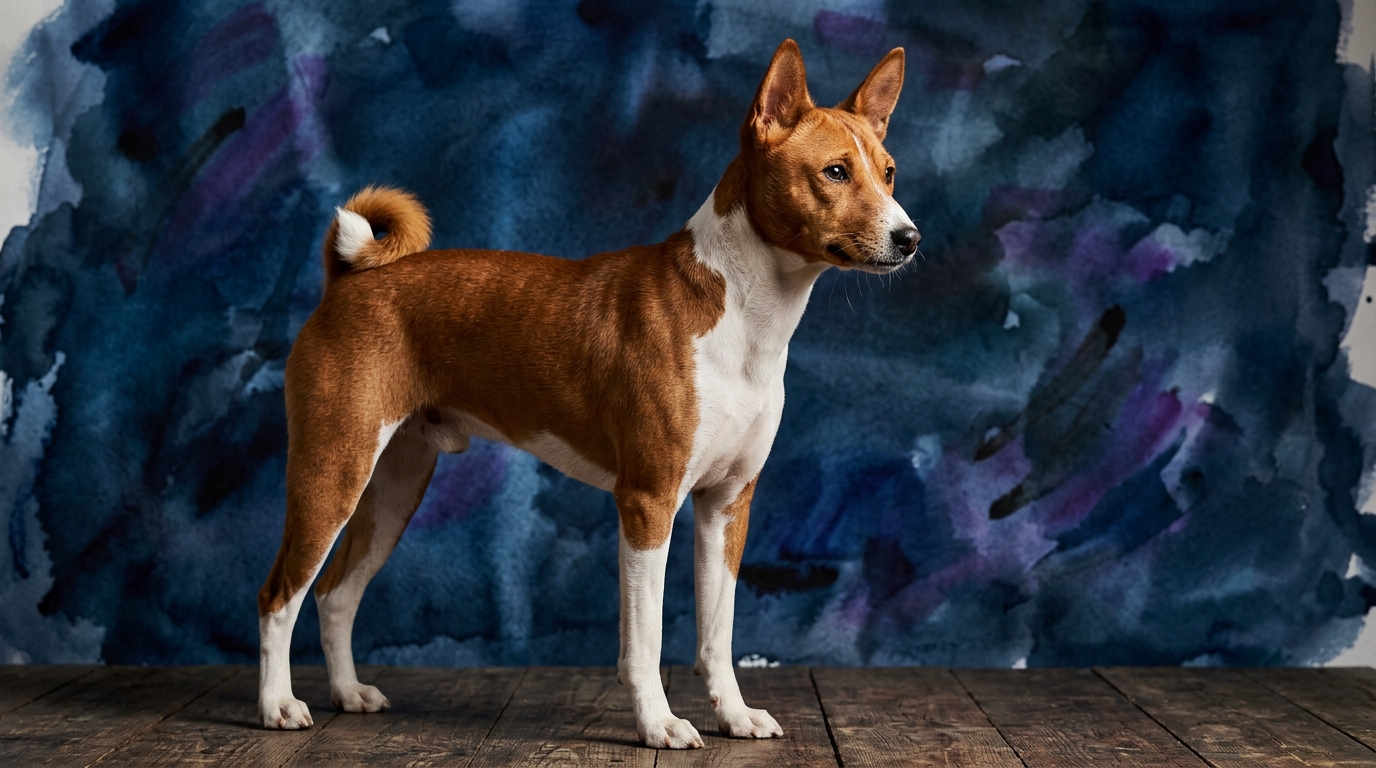
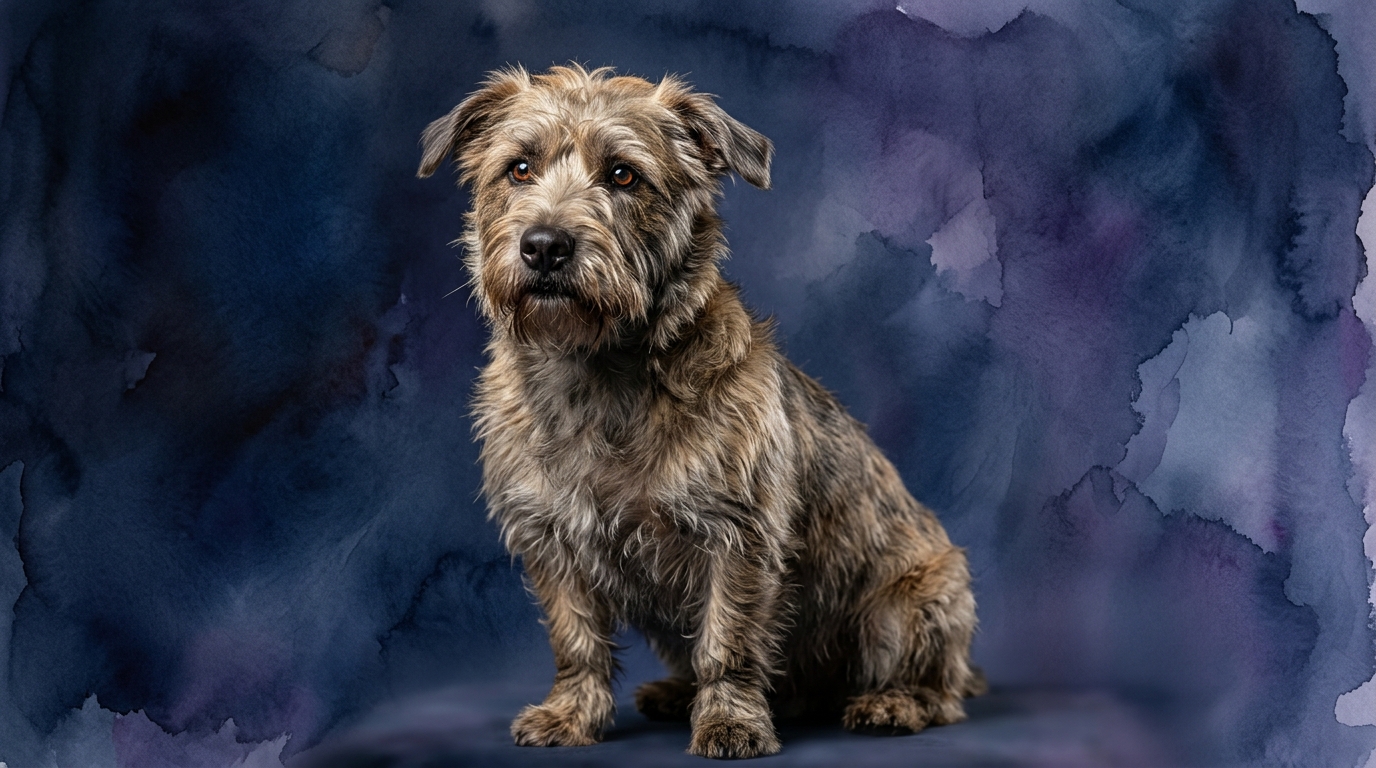
Side-by-Side Cognitive Profile: Basenji vs. Glen of Imaal Terrier
The Cosmic Pet Pet IQ Lab's framework allows for a granular look at how these two distinct breeds process and interact with their environment. For the Basenji, a hound with a Coren rank of #78, its profile paints a picture of a clever, instinct-driven animal. Its Problem Solving is rated at an exceptional 5/5, indicating a remarkable ability to figure things out for itself. However, its Training Speed is a mere 1/5, highlighting a profound independence from human instruction. Social Intelligence stands at 3/5, suggesting selective engagement, while Instinctive Drive is a powerful 5/5, reflecting its deep hunting heritage. Memory is rated a strong 4/5, indicating excellent recall of experiences and learned patterns.
In contrast, the Glen of Imaal Terrier, a terrier breed not Coren-ranked, presents a more balanced and practical cognitive blueprint. Its Problem Solving is rated 3/5, indicating a solid, tenacious approach to challenges rather than cunning ingenuity. Training Speed is a moderate 3/5, suggesting a reasonable willingness to learn and cooperate. Social Intelligence aligns with the Basenji at 3/5, pointing to loyalty within its family but potential reservation with outsiders. Instinctive Drive is also 3/5, present but typically more manageable than the Basenji's intense urges. Finally, Memory is a consistent 3/5, showing good retention with regular reinforcement.
Where the Basenji Excels Cognitively
The Basenji’s standout cognitive strength lies unequivocally in its Problem Solving, rated 5/5. This breed doesn't just react; it actively strategizes and innovates. Basenjis are notorious for their ability to open gates, scale fences, or figure out complex puzzle toys, not out of a desire to please, but to achieve their own objectives. This isn't about obedience, but about an intrinsic, self-serving intelligence that allows them to navigate and often manipulate their environment. Complementing this is their strong Memory (4/5), enabling them to recall successful past strategies and learn from experiences with remarkable efficiency. Their intense Instinctive Drive (5/5) also represents a peak form of cognitive specialization, demonstrating an unparalleled focus and effectiveness in pursuing their natural, ancient impulses.
Where the Glen of Imaal Terrier Excels Cognitively
The Glen of Imaal Terrier's cognitive advantages are rooted in its practical application of intelligence and its cooperative nature. Its greatest strength compared to the Basenji is its more amenable Training Speed (3/5). Glens are generally more receptive to human guidance and respond well to consistent, positive reinforcement. While their Problem Solving (3/5) might not reach the Basenji's level of cunning, it's applied with a terrier's characteristic tenacity and determination, especially when focused on tasks like digging or hunting vermin. This balance makes them more predictable and easier to direct, channeling their mental energy into working alongside their owners rather than constantly outwitting them. Their more moderate Instinctive Drive (3/5) also allows for easier redirection and integration into a domestic setting.
Training Dynamics: Basenji vs. Glen of Imaal Terrier
When it comes to training, the Glen of Imaal Terrier presents a significantly smoother path, largely due to its moderate Training Speed (3/5). Glens are typically eager to engage with their owners, respond well to clear commands, and thrive on positive reinforcement. Their inherent desire to work and their robust, persistent nature mean they can be taught a wide array of behaviors with patience and consistency, making them a rewarding partner in training. They possess a terrier's independent streak, but it’s generally manageable within a structured training regimen.
Conversely, the Basenji's Training Speed (1/5) is a stark indicator of the challenges involved. Basenjis grasp concepts quickly, but their independence and low desire to please mean they often choose whether or not to comply based on their own assessment of the situation. This isn't a lack of understanding, but a lack of inherent motivation to follow human directives. Their behavioral differences stem from centuries of selective breeding for self-sufficiency in hunting, where independent decision-making was crucial. Training a Basenji requires exceptional patience, creativity, and a deep understanding of what truly motivates them, often involving high-value rewards and making training feel like their idea.
Lifestyle Match: Active vs. Relaxed Owners
For owners with an active lifestyle who relish a cognitive challenge and can provide creative outlets for a highly resourceful companion, the Basenji is a compelling choice. Their high Instinctive Drive (5/5) and exceptional Problem Solving (5/5) demand significant physical exercise and constant mental engagement to prevent boredom and potential mischief. They thrive with owners who appreciate their independence and can channel their energy into activities like lure coursing, tracking, or advanced puzzle-solving games. They are not suited for relaxed owners expecting a low-maintenance companion; a Basenji requires consistent interaction and supervision to be a well-adjusted household member.
The Glen of Imaal Terrier, with its balanced Instinctive Drive (3/5) and moderate energy levels, is better suited for owners who enjoy regular walks and playtime but don't require an extreme athlete. They are adaptable and can be content with a good daily stroll and indoor play, making them suitable for moderately active individuals or families. While they enjoy activity, their needs are less demanding and their temperament less prone to ingenious destructive behaviors if under-stimulated compared to the Basenji. They offer a robust, loyal presence without the intense cognitive demands of their more primitive counterpart.
The Verdict
Choose the Basenji if you are an experienced, patient owner who relishes a cognitive challenge, appreciates deep independence, and can provide consistent, creative mental and physical engagement for a highly resourceful companion.
Opt for the Glen of Imaal Terrier if you desire a steadfast, cooperative, and moderately active companion willing to engage in training and share a balanced lifestyle, appreciating their practical intelligence and robust loyalty.
🧠 Find Your Pet's IQ Score
Our Pet IQ Lab assessment covers 25+ tests across 5 cognitive dimensions — personalized to your breed.
Take the Full IQ Test →Frequently Asked Questions
Are Basenjis truly difficult to train, or just misunderstood?
Basenjis aren't 'difficult' in the sense of being unintelligent; they simply possess a profound independence and a low desire to please, reflected in their 1/5 training speed. Their intelligence is channeled into problem-solving for their own benefit, requiring owners to be highly creative and patient in finding motivators beyond traditional obedience.
How do the problem-solving abilities differ between these two breeds?
The Basenji's problem-solving (5/5) is characterized by ingenuity and self-interest, often finding unique ways to overcome obstacles for their own gain. The Glen of Imaal Terrier's problem-solving (3/5) is more practical and tenacious, applied to tasks like digging or working through puzzles with persistence rather than cunning manipulation.
Which breed is better for a first-time dog owner?
For a first-time dog owner, the Glen of Imaal Terrier would generally be a more suitable choice due to its moderate training speed and more manageable instinctive drives. The Basenji's intense independence and challenging training requirements often prove overwhelming for those new to dog ownership.