Side-by-Side IQ Profile: Basenji vs. Japanese Chin
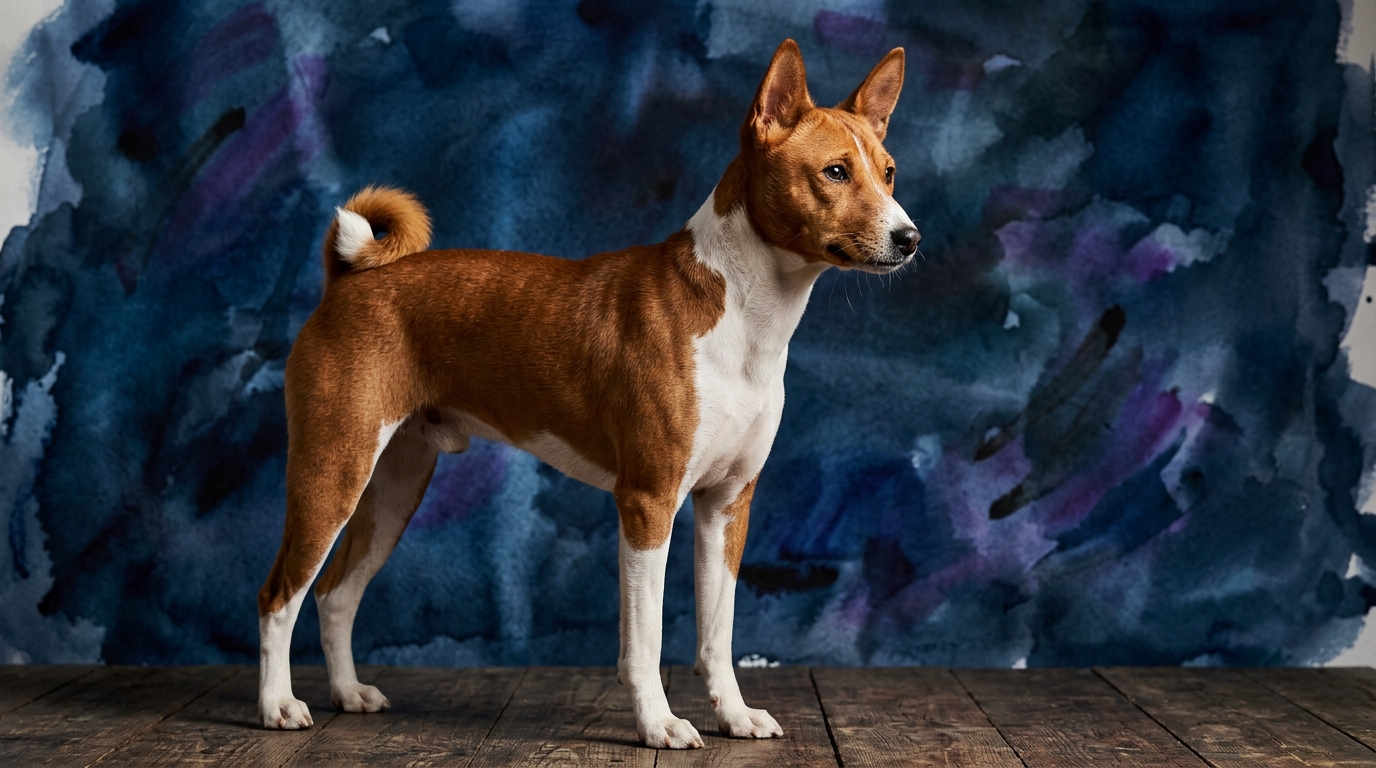
The Basenji, a breed with roots in ancient Africa, exhibits a cognitive profile reflecting its heritage as an independent hunter. Its Problem Solving ability is rated 5/5, indicating a dog adept at figuring out complex environmental challenges, from opening latches to devising escape routes, often with a strategic, self-motivated approach. However, its Training Speed is 1/5, meaning it learns commands slowly and requires immense patience, often questioning the value of compliance rather than seeking to please. Social Intelligence stands at 3/5, suggesting a selective nature; they observe closely and form deep, but often exclusive, bonds, yet can be reserved with unfamiliar individuals. An Instinctive Drive of 5/5 underscores a powerful urge to hunt, track, and pursue, making them highly attuned to scents and movement in their surroundings. Finally, their Memory is 4/5, allowing them to recall complex routes, routines, and past experiences with remarkable accuracy, sometimes holding onto perceived injustices. The Basenji's Coren rank of #78 places it among breeds with specialized cognitive strengths rather than broad obedience aptitude.
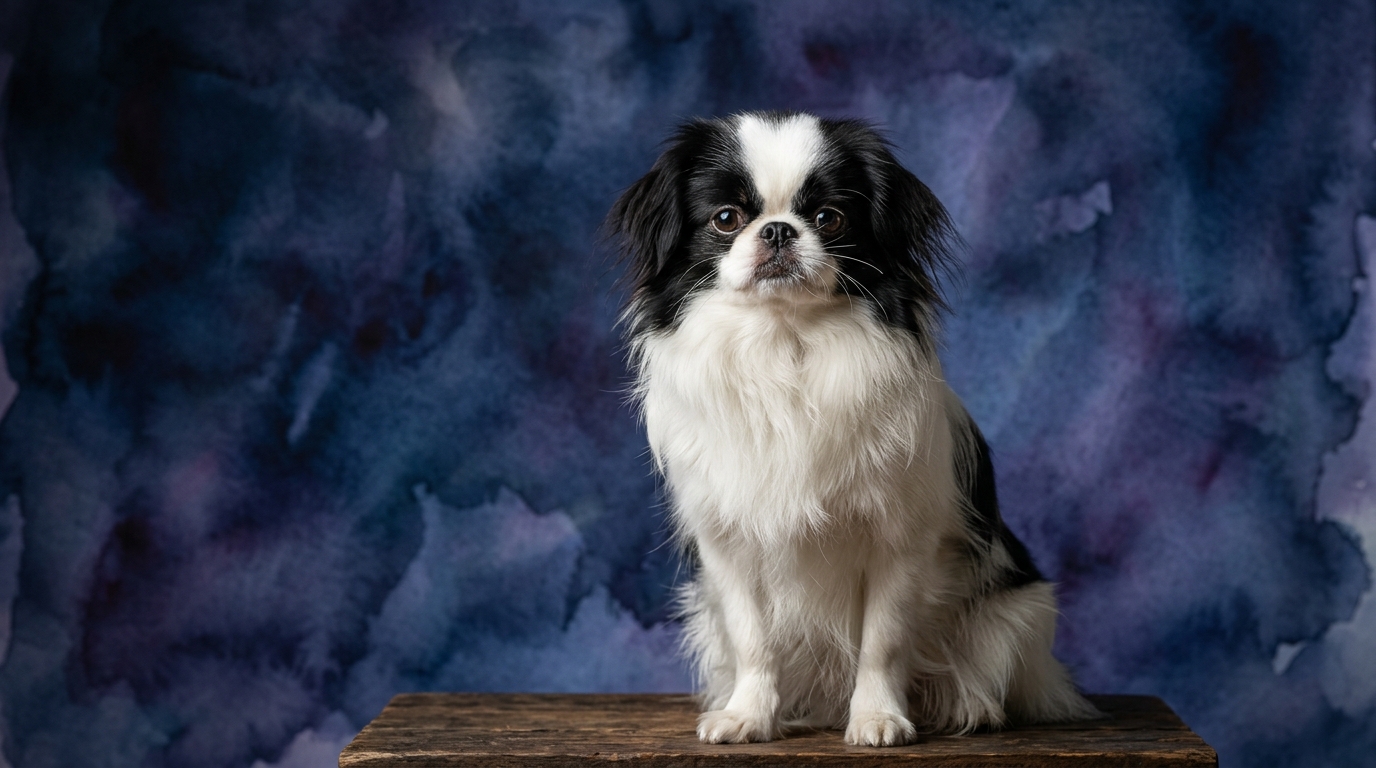
In stark contrast, the Japanese Chin, a breed developed for companionship within noble courts, possesses a cognitive profile geared towards sensitive interaction. Its Problem Solving ability is 3/5, indicating a moderate capacity to learn from observation and repetition, though less inclined to invent novel solutions to physical obstacles. Training Speed is 3/5, meaning they are generally receptive to learning commands when motivated by positive reinforcement and human approval, responding with a reasonable pace. Social Intelligence is also 3/5, but expressed differently than the Basenji; they are highly attuned to human emotions and seek close connection, often mirroring their owner's mood, though they can be reserved or even shy with strangers. Their Instinctive Drive is 3/5, reflecting a more moderate interest in chasing or hunting, with their primary drives centered on comfort and companionship rather than prey. Memory is 3/5, allowing them to remember routines, familiar faces, and basic commands reliably. The Japanese Chin is not ranked on the Coren intelligence scale, likely due to its historical role as a cherished companion rather than a working or obedience-focused breed, emphasizing its unique cognitive contributions to domestic life.
Where the Basenji Wins Cognitively
The Basenji's cognitive strengths truly shine in areas demanding self-reliance and ingenious problem-solving. With a 5/5 rating in Problem Solving, these dogs are masters of environmental manipulation, capable of devising elaborate strategies to achieve their goals, whether it's outsmarting a fence, opening a 'secure' food container, or navigating complex terrain. This isn't about simple obedience; it's about active, creative thought to overcome obstacles. Their exceptional 5/5 Instinctive Drive further complements this, fueling a tenacious pursuit of their interests, whether tracking a scent for miles or engaging in intricate play that mimics hunting behaviors. This combination makes them incredibly self-sufficient and resourceful, qualities that were essential for their survival in challenging environments, allowing them to independently assess situations and act decisively without constant human direction.
Where the Japanese Chin Wins Cognitively
The Japanese Chin excels in cognitive domains centered around human-animal bonding and responsive interaction, areas where the Basenji's independence might be less suited. Their 3/5 Training Speed, while not exceptional, is significantly higher than the Basenji's, indicating a greater willingness to engage with human instruction and a quicker grasp of basic commands and house rules. This responsiveness is deeply tied to their 3/5 Social Intelligence, which manifests as a profound sensitivity to human emotional states and a desire for harmonious cohabitation. They are adept at reading subtle cues from their owners, often anticipating needs or offering comfort without explicit command. This makes them particularly skilled at integration into a family unit, where their cognitive strengths contribute to a calm, predictable, and emotionally rich companionship, rather than challenging their human counterparts with independent schemes.
Which is Easier to Train and Why
When it comes to ease of training, the Japanese Chin generally presents a more straightforward path. Their moderate Training Speed (3/5) means they are typically receptive to positive reinforcement methods, quickly associating desired behaviors with rewards and praise. They are motivated by human approval and enjoy the interactive aspect of training, making them eager participants in learning new commands or tricks. Their moderate Instinctive Drive (3/5) also means they are less prone to being overwhelmingly distracted by external stimuli like scents or movement, allowing them to maintain focus during training sessions. In essence, the Japanese Chin wants to understand what is asked of them and is generally willing to comply, making them a rewarding student for a patient owner.
The Basenji, conversely, poses a significant training challenge due to its 1/5 Training Speed and 5/5 Problem Solving ability. These dogs are not inherently inclined to simply obey; they analyze commands, weigh their own motivations, and often prefer to follow their own agenda. Their high Problem Solving means they will often find ways to circumvent rules or commands if they perceive a better alternative, turning training into a complex negotiation rather than a simple instruction-response loop. Furthermore, their powerful 5/5 Instinctive Drive means they can be incredibly distracted by environmental stimuli, making consistent focus difficult. Training a Basenji demands creativity, understanding their independent spirit, and finding ways to make desired behaviors align with their intrinsic drives, rather than relying on rote compliance. This often means engaging them in activities that appeal to their natural instincts, like scent work or lure coursing, where their 'stubbornness' can be reframed as tenacious focus.
Which Suits Active Owners vs. Relaxed Owners
For owners who lead an active lifestyle and appreciate a dog with an independent, often mischievous, spirit, the Basenji is an excellent match. Their exceptional Problem Solving and high Instinctive Drive mean they require significant mental and physical engagement to prevent boredom and destructive behaviors. They thrive with owners who can channel their energy into activities like agility, lure coursing, or extensive hiking, where their natural athleticism and keen senses are put to good use. An active owner for a Basenji is someone who enjoys the challenge of a clever, self-directed companion and is prepared to invest time in creative training and enrichment that respects their independent nature. They are not content to be mere lapdogs; they are partners in adventure, albeit partners who frequently have their own ideas.
The Japanese Chin, on the other hand, is perfectly suited for more relaxed owners seeking a gentle, affectionate, and relatively low-maintenance companion. Their moderate Instinctive Drive and preference for comfort make them ideal house pets who are content with indoor play, short walks, and ample cuddle time. They thrive on close human interaction and are often described as 'lap dogs' due to their desire for physical closeness. A relaxed owner for a Japanese Chin values a dog's presence as a calming influence and a source of gentle companionship. They appreciate a breed that is generally amenable to routine, less prone to destructive tendencies born of boredom, and deeply attuned to the emotional landscape of the home, offering quiet comfort and unwavering devotion.
The Verdict
Choose a Basenji if you are an experienced owner seeking an independent, clever, and physically active canine partner who thrives on mental challenges and values a dog's unique, self-motivated perspective.
Opt for a Japanese Chin if you desire a gentle, affectionate, and emotionally responsive companion who thrives on close human interaction and a calm, predictable home environment.
🧠 Find Your Pet's IQ Score
Our Pet IQ Lab assessment covers 25+ tests across 5 cognitive dimensions — personalized to your breed.
Take the Full IQ Test →Frequently Asked Questions
Are Basenjis truly 'barkless' and how does this relate to their communication?
Basenjis are often called 'barkless' because they typically don't bark in the conventional sense, instead producing a unique yodel-like sound. This communication style reflects their independent nature and preference for more subtle cues, relying on body language and specific vocalizations rather than broad, attention-seeking barks. It's an aspect of their distinct social intelligence and self-expression.
Do Japanese Chins require a lot of grooming or special care due to their delicate appearance?
While the Japanese Chin has a refined appearance, their single coat is surprisingly easy to maintain with regular brushing to prevent mats, typically a few times a week. Their moderate instinctive drive means they are generally clean housemates, and their small size makes them adaptable to various living situations, requiring no overly specialized care beyond standard canine health practices.
How do these breeds typically adapt to living with children or other pets?
Basenjis, with their selective social intelligence, can coexist with respectful children and other pets, but often prefer to bond deeply with one or two individuals and may be reserved with others, requiring careful introductions. Japanese Chins, due to their sensitive social intelligence, generally do well with older, gentle children and other calm pets, thriving in a harmonious household where they feel secure and cherished.