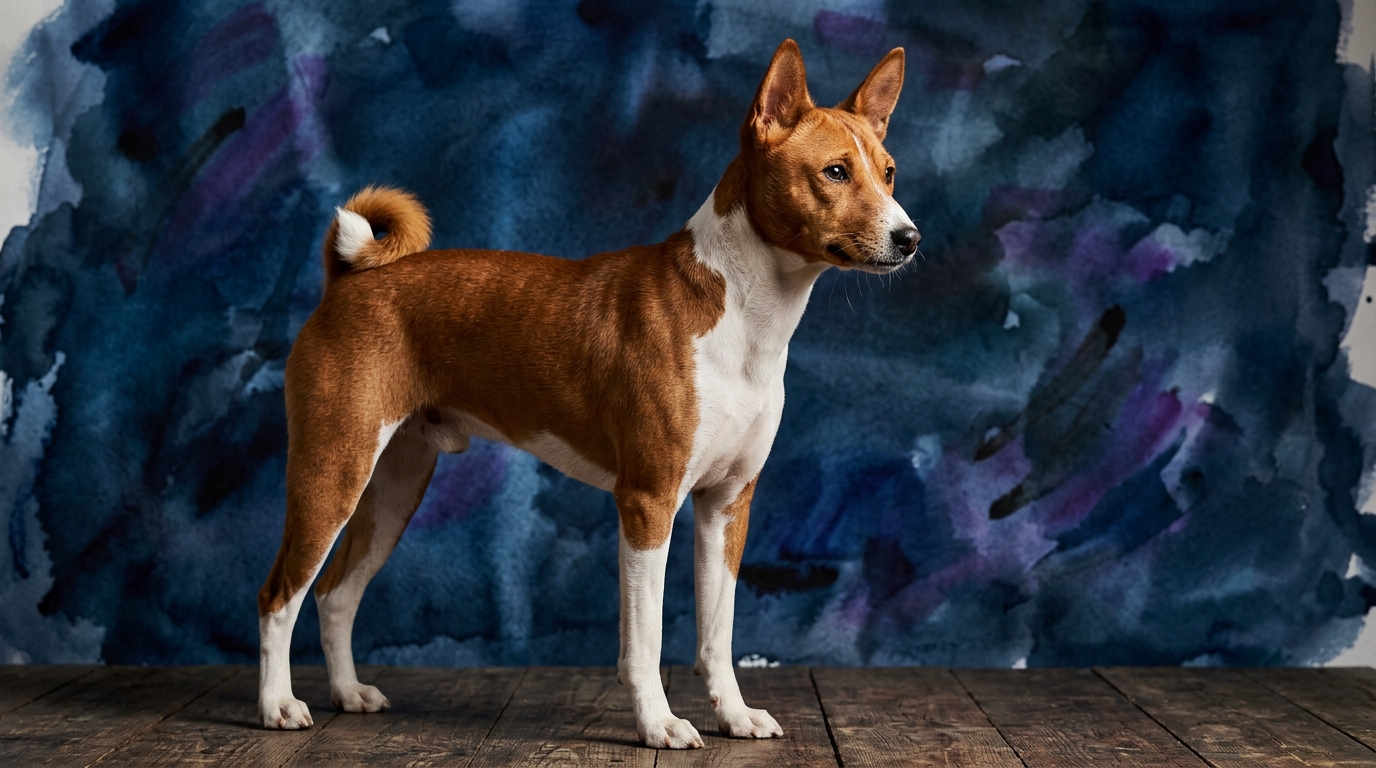
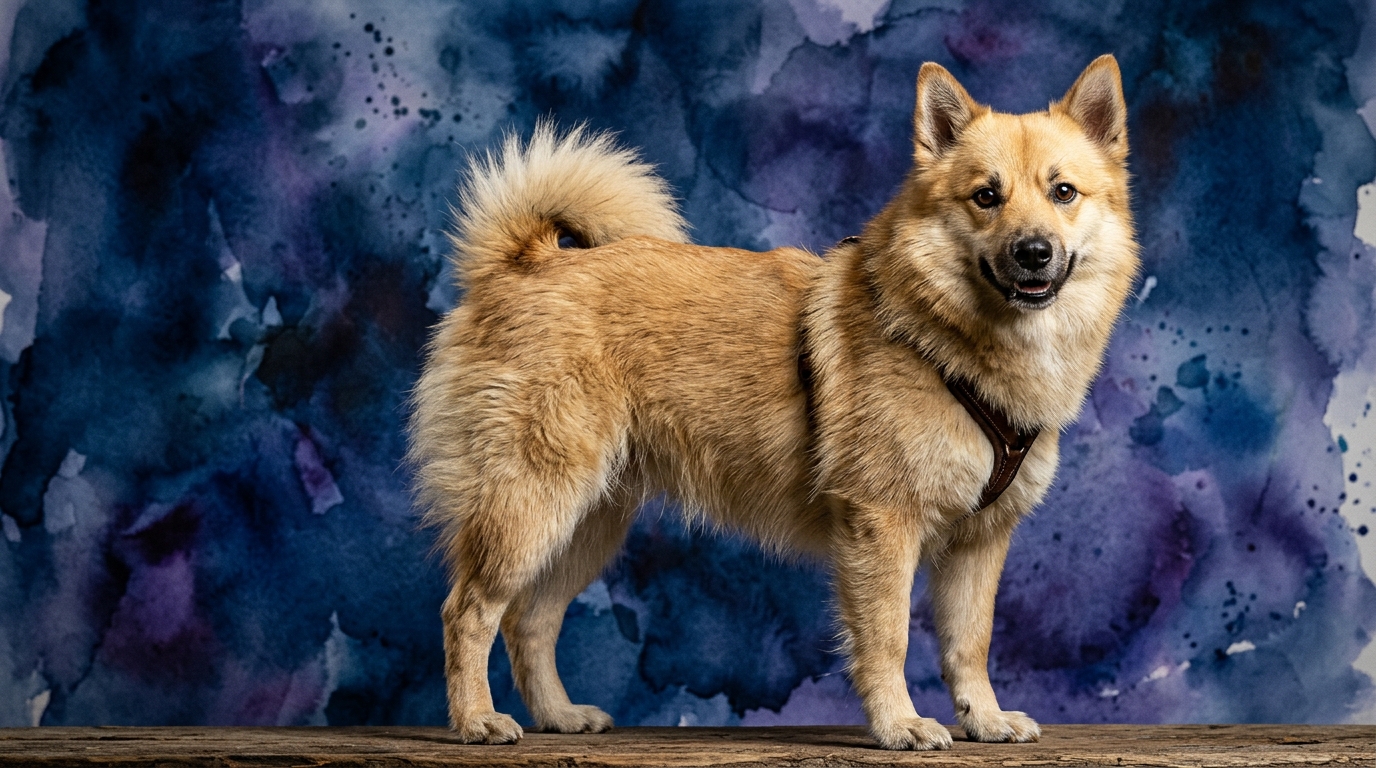
Side-by-Side IQ Profiles: Basenji vs. Norwegian Buhund
At The Cosmic Pet Pet IQ Lab, we evaluate canine intelligence across five crucial dimensions, and here’s how the Basenji and Norwegian Buhund stack up:
**Basenji (Hound, Coren Rank #78):** Problem Solving: 5/5 — This score reflects an exceptional capacity for independent strategizing, allowing them to figure out complex situations and overcome obstacles without human direction. Training Speed: 1/5 — Learning new commands and routines is a significant challenge, demanding immense patience and innovative methods due to their independent nature. Social Intelligence: 3/5 — They possess a moderate understanding of human cues and social dynamics, often exhibiting a self-contained and sometimes aloof demeanor towards strangers. Instinctive Drive: 5/5 — A pronounced natural urge for activities like hunting, chasing, and exploring, often overriding learned behaviors. Memory: 4/5 — They retain experiences and successful tactics well, though this memory is frequently applied to their own self-directed goals rather than solely human-initiated tasks.
**Norwegian Buhund (Herding, Not Coren-Ranked):** Problem Solving: 3/5 — Competent at navigating routine challenges and learning from experience, they are practical but not typically innovators in complex, novel scenarios. Training Speed: 3/5 — They acquire new tasks and commands at an average pace, responding well to consistent, positive reinforcement methods. Social Intelligence: 3/5 — They demonstrate a solid understanding of social cues, generally amenable to interaction and capable of forming strong, cooperative bonds. Instinctive Drive: 3/5 — Their natural drives are balanced, with a manageable herding instinct that can be constructively channeled into appropriate activities. Memory: 3/5 — They reliably recall routines, learned information, and past interactions, supporting consistent behavior and trainability.
Where the Basenji Wins Cognitively
The Basenji's cognitive architecture truly shines in its exceptional problem-solving abilities, rated a remarkable 5/5. These dogs are not merely smart; they possess a unique intrinsic capacity for independent strategizing and ingenious solutions to environmental challenges. Whether it’s deciphering how to open a child-proof cabinet, navigating complex escape routes from a seemingly secure yard, or manipulating situations to their advantage, the Basenji displays a profound aptitude for novel thought and adaptive reasoning. This isn't about rote obedience, but a deep-seated drive to understand and master their surroundings. Their high instinctive drive (5/5), particularly a potent prey drive and an insatiable curiosity, acts as a powerful motivator for this exploratory problem-solving. A Basenji's memory, scoring 4/5, underpins this cognitive strength, allowing them to retain knowledge of successful tactics and environmental layouts. They leverage this memory not primarily for human-directed tasks, but for their own self-initiated endeavors, making them formidable 'escape artists' and clever orchestrators of their environment.
Where the Norwegian Buhund Wins Cognitively
While the Basenji excels in independent cognitive feats, the Norwegian Buhund demonstrates a more balanced and cooperatively oriented cognitive profile. Its strength lies not in extreme individual dimensions, but in the harmonious interplay of its moderate scores, particularly when it comes to trainability and social engagement. With a training speed of 3/5, the Buhund is significantly more receptive to learning human-initiated commands and routines compared to the Basenji. This means they acquire new skills at a reasonable pace, making them highly adaptable to various roles and integrated family life. Their social intelligence, also 3/5, combined with this trainability, makes them inherently more inclined to work *with* their human companions, understanding and responding to social cues in a way that facilitates cooperative tasks and shared activities. Their instinctive drive, rated at 3/5, is manageable and can be constructively channeled into engaging activities like agility, obedience, or herding games, contrasting with the Basenji's more intense, often self-directed drives. The Buhund’s reliable memory (3/5) consistently supports this cooperative learning, ensuring they retain what they've been taught for practical application and consistent behavior.
Which is Easier to Train and Why?
The question of ease of training presents a clear divergence between these two breeds. The Norwegian Buhund, with its training speed rated at 3/5, is generally considered more amenable to instruction. They possess a natural eagerness to please and a cooperative spirit stemming from their herding heritage, making them highly responsive to positive reinforcement and consistent methods. Buhunds typically enjoy the process of learning and excel in activities like obedience, agility, and rally, where working in partnership with their handler is paramount. Their moderate instinctive drive is also more amenable to direction, allowing owners to channel their energy into structured, productive activities rather than solely independent pursuits. In stark contrast, the Basenji's training speed is a challenging 1/5. Their independent nature, often described as 'cat-like,' means they are not inherently motivated by the desire to please or by repetitive drills. Basenjis are intellectually sharp but choose when and if they will comply; they require immense patience, creative training techniques that make learning a captivating game, and a deep understanding of their unique motivations. Repetitive commands often bore them, leading to 'selective deafness' or a preference for finding more interesting, often mischievous, alternatives. Their strong instinctive drive, especially a potent prey drive, can make off-leash reliability a significant challenge, as their instincts frequently override learned commands when a squirrel or interesting scent appears. A Basenji learns what *they* want to learn, and often only when it benefits them directly, making 'easy' a relative and often elusive term for their dedicated owners.
Suiting Active vs. Relaxed Owners
Both the Basenji and the Norwegian Buhund thrive with active owners, but the *type* of activity and the owner's approach to it differ significantly. An owner seeking a Basenji must be prepared for an intensely active and mentally stimulating companion. Their 5/5 instinctive drive and 5/5 problem-solving capabilities mean they need constant, varied engagement to prevent boredom and potential destructiveness. This isn't solely about physical exercise; it's about providing intricate puzzles, challenging scent work, and securely contained environments where their exploratory nature can be safely expressed. They are excellent companions for long hikes, lure coursing, or owners who genuinely enjoy the intellectual challenge of outsmarting their clever canine. Conversely, a Norwegian Buhund also requires a good deal of activity, aligned with their herding background and robust physical build. They excel in dog sports like agility, obedience, and rally, thriving on purposeful work and the companionship inherent in shared activities. They are suited for owners who enjoy structured activities and want a dog to actively participate *with* them in a team effort. While energetic, their activity is generally more directed and less independently driven than the Basenji's. Neither breed is ideal for a truly 'relaxed' owner who prefers minimal engagement. However, the Buhund's more balanced energy and cooperative nature make them slightly more adaptable to a range of active lifestyles, whereas the Basenji demands a highly engaged owner who embraces their unique, often challenging, cognitive prowess as a central part of their daily life.
The Verdict
Choose the Basenji if you are an experienced owner who appreciates and can channel profound canine independence, relishes intellectual challenges, and is prepared for a dog that will consistently test boundaries with its superior problem-solving acumen.
Choose the Norwegian Buhund if you seek a cooperative, versatile companion for structured activities and dog sports, valuing a biddable nature and a dog eager to work alongside you in a balanced partnership.
🧠 Find Your Pet's IQ Score
Our Pet IQ Lab assessment covers 25+ tests across 5 cognitive dimensions — personalized to your breed.
Take the Full IQ Test →Frequently Asked Questions
Is the Basenji really difficult to train?
Yes, their 1/5 training speed score reflects their highly independent nature and lack of inherent desire to please. Training requires immense patience, creativity, and finding strong motivators, as they are prone to 'selective deafness' when bored or unmotivated.
Do Norwegian Buhunds bark a lot?
As a herding breed, Buhunds can be vocal, using their bark to alert or communicate. While not excessively so, they do require training to manage their vocalizations, especially when excited or guarding.
Are Basenjis good family dogs?
Basenjis can be good family dogs for those who understand their independent nature and need for stimulation. They often bond closely with one person and can be aloof with strangers or small children, requiring careful socialization and supervision.